_1745823981883.webp)

How Reverse Osmosis Improves Drinking Water Quality and Prevents Scale in Plumbing
Reverse osmosis technology, specifically through the use of membrane/8040-reverse-osmosis-membrane">reverse osmosis membranes, changes the way water is cleaned by using special filters that get rid of up to 99.99% of contaminants in drinking water while also stopping mineral scale from building up in plumbing systems. These semi-permeable membranes filter out dissolved salts, heavy metals, bacteria, and organic substances very well. The water quality is very good, which is good for people's health and for the stability of infrastructure. The technology is very useful in industrial settings where clean water directly affects how well operations run and how long equipment lasts.

Understanding Reverse Osmosis and Its Role in Drinking Water Quality
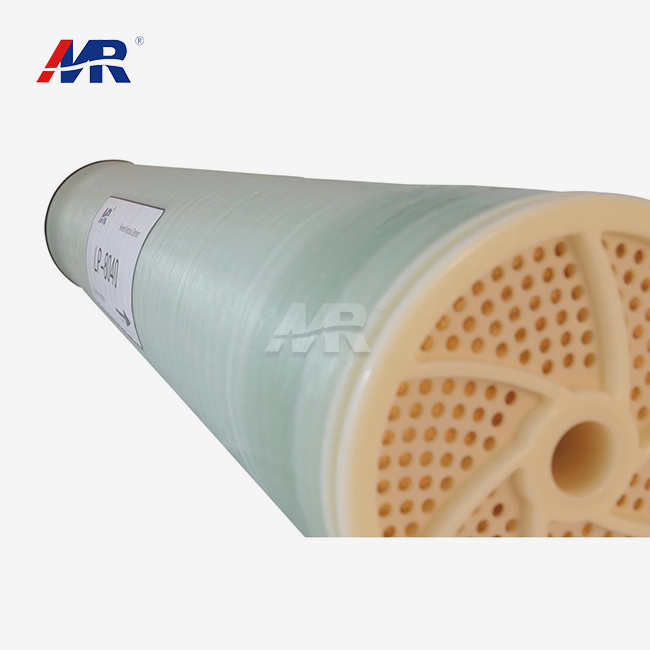
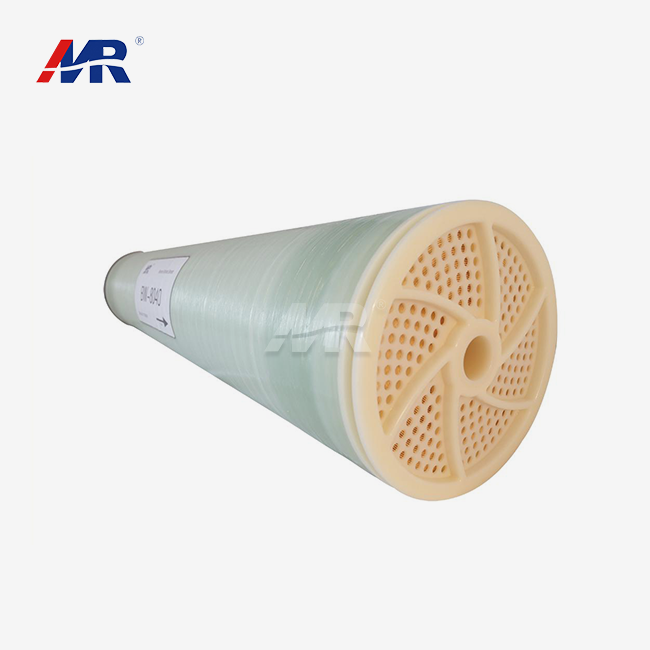
Reverse osmosis is a complex method for cleaning water that uses pressure-driven membrane technology to separate clean water from dirty feed water. The reverse osmosis membrane is the most important part of any RO system. It acts as an ultra-fine filter that only lets water molecules pass through while blocking bigger contaminants.
The Science Behind Membrane Technology
Modern ro membranes are made up of several layers that work together to give the best performance and longevity. It is the dense polyamide layer, which is about 0.2 micrometres thick, that does most of the filtering. With rejection rates between 95% and 99.5%, this very thin layer stops molecules bigger than water, even dissolved salts. The shape of the membrane has a thin base that gives it mechanical support while keeping its flexibility under high pressure.
The rejection rate is affected by several things, such as the type of membrane used, the working pressure, and the properties of the feed water. Thin-film composite membranes are the standard in the industry because they remove more total dissolved solids than any other type of membrane while keeping permeate flow rates fixed. Pathogens that are resistant to chlorine, pharmaceutical residues, and new contaminants that regular filtering methods can't get rid of are all successfully removed by these membranes.
Water Quality Improvements Through RO Technology
The quality of drinking water is improved by reverse osmosis devices in a number of ways that can be measured. Total dissolved solids usually drop from a few hundred parts per million to less than 50 ppm, which makes the taste and appearance much better. The technology works well to get rid of chlorine molecules, which gets rid of the chemical taste and smell that come from treating public water.
Heavy metal removal is another important benefit. Lead, mercury, and arsenic amounts can be cut by 95–98% using RO filters. This feature is very important in industrial settings where small amounts of metal pollution could hurt the quality of the product or the way the equipment works. The technology also deals with new toxins, such as PFAS chemicals and pharmaceutical leftovers, which are becoming a bigger worry for public health officials.
How Reverse Osmosis Prevents Scale and Protects Plumbing Systems?
In water distribution systems, scale buildup is a constant problem; it lowers flow rates, uses more energy, and causes equipment to break down early. Normal ways of softening water only deal with calcium and magnesium hardness. But reverse osmosis membrane technology gets rid of all minerals, which stops many types of scale from forming.
Mechanisms of Scale Prevention
Minerals that make scale are taken out at the molecular level by reverse osmosis screens. These minerals include calcium carbonate, calcium sulphate, and silica compounds. Water softeners change calcium and magnesium for sodium. RO systems, on the other hand, physically separate these minerals from the water stream so they don't build up in pipes and equipment further down the line.
The method works especially well on types of scale that are hard to get rid of with regular methods. When feed water has less than 10 parts per million of dissolved silica, silica scaling almost never happens in high-temperature uses. In the same way, calcium sulphate precipitation stops happening when calcium amounts drop below supersaturation levels through RO treatment. This happens in high-salinity settings.
Infrastructure Protection and Cost Savings
Using reverse osmosis technology saves a lot of money in the long run because it requires less upkeep and makes tools last longer. When RO-treated water is used instead of regular water, 60–80% less descaling work and related downtime are needed at industrial centres. When RO filtrate is used, heat exchangers, boilers, and cooling towers last a lot longer between maintenance visits.
The economic perks go beyond just saving money on upkeep. When there is no scale in the system, heating and cooling systems often use 15 to 25 per cent less energy. Pressure drop goes down, pump efficiency goes up, and heat transfer ratios stay the same for long periods of time. For medium- to large-scale commercial uses, these improvements in operations usually pay for the cost of an RO system within 18 to 24 months.
Selecting the Right Reverse Osmosis Membrane for B2B Applications
In industrial settings, the choice of membrane has a big effect on how well the system works, how much it costs to run, and how long it lasts. By knowing the differences between membrane types, makers, and specs, procurement workers can make choices that meet the needs of their operations.
Membrane Types and Performance Characteristics
Because they reject more molecules and are more resistant to chemicals, thin film composite membranes are the most common type used in industry. Most of the time, these membranes can reject 99.5% of sodium chloride while keeping their performance fixed across pH ranges from 2 to 11. Standard membranes need 250–300 psi of working pressure to work properly, but low-pressure types work well at 150–225 psi, using less energy.
Cellulose triacetate membranes are better in situations where there is a lot of chlorine or a very high or low pH. Even though they have slightly lower rejection rates (95–98%), CTA membranes are very stable in harsh chemical conditions. Which TFC or CTA membrane to use relies on the features of the feed water, how well it can be treated before use, and the specific needs of the application.
Performance Factors and Selection Criteria
Choosing the right membrane for a job depends on a number of important factors. The rejection rate shows how well the membrane can get rid of dissolved contaminants. For ultrapure water uses, higher rates are needed. The flux rate decides how much water can be produced per unit of membrane area. This has a direct effect on the size of the system and the cost of capital.
Resistance to fouling has a big effect on running costs and repair schedules. Membranes that are more resistant to fouling stay in good shape for longer, which means they don't need to be cleaned as often and use fewer chemicals. Standard membranes lose their effectiveness above 45°C, so temperature stability is very important in situations where the feed water is very hot.
Procurement Guide: How to Source Quality Reverse Osmosis Membranes
When you strategically source RO membranes for your reverse osmosis water purification unit, you need to carefully look at the providers, price structures, and value-added services that affect the total cost of ownership. The buying process includes more than just the original price. It also includes the reliability of delivery, professional help, and the long-term benefits of a relationship.
Supplier Evaluation and Quality Assurance
Membrane providers with a good reputation keep strict quality control standards and provide detailed performance documents. Leading companies like Dow, Toray, and Hydranautics put a lot of money into research and development to make membranes work better and last longer. Most of the time, these providers offer standard testing procedures and performance guarantees that give buyers trust.
Consistency in making and dependability from batch to batch are both parts of quality assurance. Established sellers use statistical process controls to make sure that differences in performance between membrane parts are kept to a minimum. This consistency is very important for large-scale installations because it makes sure that all the membrane parts work the same way. This way, the system output and maintenance plans are always known.
Cost Optimisation and Volume Purchasing
Buying in bulk has a big effect on membrane prices, and for large orders, savings of 15 to 30 per cent are possible. Prices are stable and supplies are secured with annual contracts, which protect against changes in the market and problems in the supply chain. When making buy deals, procurement workers should look at the total cost of ownership, which includes the costs of shipping, storing, and keeping inventory.
When you buy a membrane, technical help and training services make it much more valuable. Full supply partnerships include help with system design, fixing problems, and training programmes for operators. These services are especially helpful for places that don't know much about treating water or have complicated application needs.
Maintenance Best Practices and Troubleshooting for RO Systems
Systematic repair plans make sure that membranes work at their best and last as long as possible. Monitoring and upkeep that happen before they break down keep the water quality output stable and save money on repairs.
Monitoring and Performance Optimisation
Key performance signs let you know quickly when membranes are breaking down or when there are problems with the system. If the normalised flux drop is more than 10 to 15 per cent, it means that fouling conditions are forming and need quick attention. When salt rejection drops below the levels required, it means that the membrane is damaged or the working conditions are wrong and need to be fixed.
Monitoring working parameters on a regular basis makes it possible to plan repair ahead of time. Measurements of feed pressure, difference pressure, and permeate quality should be made every hour while the machine is running. Temperature adjustment makes sure that comparisons of performance are correct even when the seasons change.
Cleaning Protocols and Membrane Preservation
When fouling happens despite proper preparation, chemical cleaning methods bring the membrane back to working order. Mineral scale and metal oxides can be removed well by low-pH cleaners, while organic and bacterial fouling can be removed by high-pH cleaners. How often you clean it depends on the quality of the feed water and how well the preparation works. Usually, you should clean it every month to three months.
When a reverse osmosis water purification unit's membranes are shut down for a long time, proper storage and preservation methods protect their health. Biocide Products stop the growth of microbes and keep membranes moist. When stored below 35°C, the membrane doesn't break down, and proper packing keeps it from getting damaged or contaminated.
Conclusion
It is impossible to find a better way to improve the quality of water than reverse osmosis. It also protects against scale buildup in pipe systems. The advanced membrane technology gets rid of contaminants at the molecular level, with up to 99.99% rejection rates for dangerous chemicals and dissolved salts. Because they can remove impurities so well and keep scale from building up, RO systems are essential in industrial settings where water quality has a direct effect on how well machines work and how long they last. Investing in good reverse osmosis systems pays off in the long run by lowering upkeep costs, making energy use more efficient, and increasing the life of the equipment.
FAQ
1. How long do reverse osmosis membranes last in industrial applications?
Industrial reverse osmosis membranes usually last between 2 and 5 years, but this depends on the quality of the feed water, how they are used, and how often they are maintained. The upper range of membrane life can be reached with proper pretreatment and regular cleaning. However, difficult water conditions or poor upkeep may mean that the membrane needs to be replaced more often.
2. What contaminants can reverse osmosis membranes remove from drinking water?
RO screens are good at getting rid of dissolved salts, heavy metals, bacteria, viruses, organic molecules, and a lot of new contaminants, such as PFAS chemicals. The technology gets rid of 95–99.99% of most liquid pollutants, but some small molecules, like gases and organics with a low molecular weight, may still get through.
3. How does reverse osmosis compare to ultrafiltration for scale prevention?
Reverse osmosis is better at preventing scale because it gets rid of the dissolved minerals that cause scaling, while ultrafiltration mostly gets rid of particles and proteins. RO systems get rid of calcium, magnesium, and silicon at the molecular level, which stops scale development completely instead of just lowering the amount of solids in the water.
4. What kind of care does an RO system need to work at its best?
As part of regular maintenance, performance signs are checked, prefilters are replaced, membranes are chemically cleaned when they get clogged, and the right working pressures and temperatures are kept. Monitoring system performance once a week and replacing filters once a month are usually enough to keep the system running at its best.
Partner with Morui for Superior Reverse Osmosis Solutions.
With our full range of reverse osmosis membrane options, Guangdong Morui Environmental Technology is ready to turn your water treatment problems into practical benefits. Our engineering team has worked with clients in the factory, pharmaceutical, food processing, and local sectors for more than twenty years to clean industrial water. With our own facility for making membranes and smart relationships with top component makers, we can provide integrated systems that work better than expected while keeping costs low.
Our technical experts help with all parts of a project, from planning the system to installing it and making sure it works right to regular upkeep. Email our tech team at benson@guangdongmorui.com to talk about your unique needs and get a quote that fits them. As a reliable seller of reverse osmosis membranes, we promise quality, dependability, and performance that lead to long-term business success.
References
1. Group of American Water Works. Chapter M46 of the 2019 AWWA Manual M46 is called "Reverse Osmosis and Nanofiltration: Principles and Applications."
2. Institute for Membrane Technology Research. In the 2023 issue of the Journal of Membrane Science, there is an article called "Industrial Membrane Performance and Economics: A Comprehensive Analysis of RO Systems in Manufacturing Applications."
3. The International Association for Desalination. The IDA Technical Report Series from 2022 is called "Membrane Fouling Prevention and Scale Control in Industrial RO Systems."
4. Association for Water Quality. The WQA Technical Bulletin from 2023 has "Performance Standards and Testing Protocols for Reverse Osmosis Membranes in Commercial Applications."
5. Its name is the National Institute of Standards and Technology. The NIST Special Publication 1500-7 from 2022 is called "Characterisation and Performance Evaluation of Semi-Permeable Membranes for Water Treatment Applications."
6. Society for Industrial Water Treatment. In the IWTS Guidelines Manual, Third Edition, 2023, it says, "Best Practices for Reverse Osmosis System Design and Operation in Industrial Settings."