

_1745823981883.webp)

Improving Taste and Health: Water Purification with Minerals Explained
Minerals used to clean water is a new and innovative method that gets rid of contaminants while also adding healthy minerals. Businesses can get better water quality by using modern mineral filter technology. This technology not only gets rid of dangerous substances but also adds minerals like calcium, magnesium, and potassium to the water. This advanced filter method solves the common problem of reverse osmosis systems that make water bland and deficient in minerals by removing both contaminants and helpful minerals. Modern mineral filter systems carefully add healthy minerals back into the water while still meeting cleanliness standards. This makes the water taste better and be better for your health for business uses in the food service, healthcare, and manufacturing industries.

Understanding Mineral Filters in Water Purification
Mineral filters are complex parts of water treatment systems that specifically improve water quality by adding minerals in a controlled way while still being able to remove contaminants. Multiple steps of filtering are used in these specialized systems, which combine cutting-edge materials and technologies to get the best water composition for business and industry use.
How Mineral Filters Function in Water Treatment Systems
Mineral filters clean and improve the quality of water by using organized layers of filtration media that work together to do their job. Activated carbon layers remove sediments, chlorine, and organic compounds during primary filtration. Later steps add helpful minerals through specialty media beds with natural mineral stones, ceramic beads, or manufactured cartridges.
Mineral filter systems that are more advanced use pH-balancing technologies to reduce acidic water and add minerals like calcium carbonate and magnesium oxide that the body needs. These systems keep the exact amounts of minerals in the water, making sure that it tastes good and meets health standards. Mineralized water of good quality is made through a process that usually includes pre-filtration, carbon adsorption, mineral improvement, and final polishing.
Mineral filters made for industry use automatic tracking systems that keep an eye on mineral levels, flow rates, and filter performance all the time. By combining these technologies, companies can keep the water quality stable while also improving operating efficiency and lowering the need for maintenance.
Types of Mineral Filters and Their Applications
Different types of mineral filters are used for different business needs in different fields. Cartridge-based systems are great for office buildings, restaurants, and small factories because they are easy to maintain and work the same way every time. Mineral capsules made of natural materials like coral calcium, volcanic rock, or tourmaline stones are usually changeable parts in these systems.
Tank-style mineral filters are better for large-scale industrial uses because they can handle more material while keeping the mineral content constant. These systems have many layers of media, such as calcite, corosil, and magnesium oxide beds, that work together to improve the makeup of the water. The flexible design lets the system be changed to fit the needs of the source water and the minerals that are being sought.
Inline mineral filters are a space-saving way to connect equipment. They are especially useful in food processing and pharmacy settings where strict water quality standards are needed. These small systems reliably add minerals to water while taking up very little floor space and working with the water treatment systems that are already in place.
Comparative Analysis: Mineral Filters vs. Traditional Filtration Methods
There are a few unique benefits to mineral filters in reverse osmosis with remineralization that make them especially useful for business-to-business uses when compared to other ways of treating water. Traditional carbon filtration gets rid of chlorine and organic contaminants well, but it doesn't fix mineral deficiencies or improve the taste of water, so the water ends up being flat and maybe even acidic.
Reverse osmosis systems are great at getting rid of almost all contaminants, but they also get rid of minerals that are good for you. To get the best water quality, you need different steps of remineralization. Mineral filters make this process easier by mixing cleaning and improving in one system. This makes the system simpler and cheaper to run.
UV cleaning and chlorination only kill germs; they don't deal with problems like taste, smell, or mineral content. Mineral filters work with these technologies to make water safer and better tasting. They are necessary parts of full water treatment systems because they improve all aspects of water.
Benefits of Using Mineral Filters for Business Water Purification Needs
Commercial mineral filtration systems have a lot of benefits that go beyond just cleaning water. They create value propositions that affect how well the business runs, the health of its employees, and the quality of its Products. You can see real gains in a wide range of business uses and industries thanks to these benefits.
Enhanced Taste and Sensory Quality for Commercial Applications
The taste of water has a big effect on how businesses run, especially when it comes to serving food and drinks and making sure employees are happy. When water goes through harsh filtration methods, it often ends up flat and tasteless. Mineral filters fix this problem by adding minerals back into the water in a way that improves flavor profiles and mouthfeel.
The mineral improvement process makes water that tastes balanced, which workers like. This means that they stay hydrated, which could help their productivity. Mineralized water improves the quality of coffee, tea, and other drinks in restaurants and bars because it has the right amount of minerals to help with extraction and taste development.
Food processing plants benefit from water that tastes the same every time and doesn't change the flavors of the goods they make while still meeting safety standards. Mineralized water has better sensory qualities, which means that flavoring ingredients aren't needed as much in some situations. This could lower production costs and make products more real.
Health Benefits and Nutritional Value in Commercial Settings
Mineralized water contains important nutrients that help with staff health and fitness programs, and also helps businesses run more smoothly in healthcare and food service settings. Adding calcium and magnesium is good for your bones and heart, and keeping the pH level right helps your body digest food and absorb minerals.
Mineral filters in healthcare facilities make it possible for patients and staff to get water that helps them recover and stay healthy. Bioavailable minerals in properly cleaned water help meet daily food needs. This is especially important in places where people may not be able to eat much.
Mineralized water of high quality is a good addition to corporate fitness programs because it shows that the company cares about the health of its employees. Studies show that getting enough minerals through water can make you less tired and help your brain work better. This could lead to better work performance and lower sick leave costs.
Operational Advantages and Cost Considerations
Mineral filters have benefits for more than just health and taste. They also have useful benefits that affect long-term costs and upkeep needs. The proper mineral content in filtered water keeps pipes and other equipment from rusting, which extends the life of infrastructure and lowers the cost of replacing it.
Mineralized water usually doesn't need as much chemical cleaning and descaling for equipment that handles it, because the balanced mineral profile keeps the water chemistry from being too harsh and damaging to internal parts. This trait is especially useful for tools used to make food, boilers, and cooling systems, where the quality of the water directly affects how well they work.
When mineral filters keep the water's chemistry at its best, maintenance costs go down a lot. This is because properly mineralized water prevents scale buildup and rust, which usually require expensive cleaning methods and part replacements. As a result of its reliable performance, mineral-enhanced water also makes it easier to plan for upkeep and money.
Selecting the Best Mineral Filter: A B2B Decision-Making Guide
When picking the right mineral filter system, you need to carefully think about your business needs, performance requirements, and long-term costs. Procurement choices that are good combine technical skills with budget limits, making sure that systems meet the needs of specific applications and government rules.
Key Performance Criteria and Evaluation Factors
When choosing industrial mineral filters, filtration capacity is the most important thing to think about because systems need to be able to handle high demand without affecting the quality of the water or the minerals that are in it. The flow rate requirements should allow for the longest times of use while keeping the pressure and mineral concentrations stable during operating cycles.
Mineral content balance needs to be carefully looked at based on the properties of the source water and the specs for the output. Systems should have mineral levels that can be changed to meet changing needs or to account for changes in source water quality that happen with the seasons. Customizing mineral profiles is very important for businesses that need to meet certain water chemistry standards or that have operations in more than one place with different source water conditions.
Durability and the length of time that a part lasts have a direct effect on running costs and the schedule for upkeep. Mineral filters of good quality are made of strong materials that can handle heavy use in businesses while still meeting performance standards. Long-term worth and dependability can be judged by how long cartridges last, how often media needs to be replaced, and the guarantees on system parts.
Technology Comparison and Market Analysis for 2024
Depending on the needs and tastes of the business, the current mineral filter technologies offer different benefits. Natural mineral media systems use things like coral calcium and volcanic rock that release minerals consistently with little upkeep needed. When natural mineral profiles are desired, and long-term stability is most important, these methods work great.
Engineered mineral capsules give you exact control over the minerals in the water and let you quickly change the chemistry settings. New capsule designs combine different types of media into a single unit, making fitting easier while improving water in every way. These methods are especially useful when specific mineral amounts are needed or when quality needs to be changed often.
Combining natural and man-made parts in hybrid systems makes them flexible for complicated uses while still being cost-effective. These arrangements let companies get the most out of material types while also adapting to changing needs or growing operations. Hybrid systems are good for upgrading and adding on to facilities because they can work with current water treatment systems.
Application-Specific Recommendations and Customization Options
Different fields need different mineral filter setups to deal with their own operating problems and government rules. Systems that improve taste and meet health department standards are good for food service use. These systems usually need to be NSF certified and have certain mineral profiles that work well with cooking uses.
Mineral filters that keep the water chemistry stable without adding contaminants that could lower the quality of the products being made are needed in factories that make drinks or foods. Custom mineral mixes and better tracking tools are often needed for these uses to make sure they meet production standards and quality control standards.
Mineral screens that meet strict purity standards and provide useful mineral content are needed in healthcare and pharmaceutical uses. These specialized systems have extra steps of cleaning and the ability to keep records, which help with following regulations and quality control rules.
Installation, Maintenance, and Troubleshooting of Mineral Filters
Commercial mineral filter systems work best and last as long as they are properly installed and maintained. Businesses can get the most out of their investments and keep water quality stable by knowing the installation requirements, upkeep routines, and troubleshooting methods.
Commercial Installation Requirements and Best Practices
To install a mineral filter correctly, you need to plan and follow industrial plumbing standards and the manufacturer's instructions. As part of getting a site ready, water pressure, flow needs, and the amount of room needed for equipment and maintenance access are all looked at. Planning keeps installation from taking too long and makes sure the system works at its best from the start.
Testing the water quality before installation gives standard measures that help set up the system and predict how well it will work. A pre-installation study finds out about the features of the source water that affect the choice of mineral filters and helps set reasonable performance goals. For legal compliance and performance verification reasons, this testing also keeps track of changes in water quality.
Professional installation makes sure that local plumbing rules are followed and that maker warranties are honored. It also reduces the chance of operating problems. Technicians who are qualified know how to integrate business water systems and can set up systems in the best way for each purpose. Testing the pressure, checking the quality of the water, and teaching staff basic operation and tracking methods are all parts of a proper installation.
Maintenance Protocols and Performance Monitoring
Regular repair plans keep mineral filters working well, extend the life of the system, and lower its operating costs. As part of preventive maintenance, the water quality is checked on a regular basis, new cartridges are tracked, and system parts are inspected. Setting up repair plans based on how the system is used and the quality of the water helps keep it running well and stops it from breaking down without warning.
Performance tracking systems keep an eye on important signs like flow rate, pressure differential, and mineral content levels that show how well the system is working and if it needs any repair. Advanced systems have automated alerts that let workers know when a repair is needed or when performance levels are too high or too low. This tracking feature lets you do preventative maintenance that stops problems with water quality and stops operations from being interrupted.
For business uses, you need to keep records of repair logs, water quality test results, and component replacements. Proper paperwork helps with following the rules and gives useful information for making maintenance plans better and finding performance trends that help with system changes or improvements.
Common Issues and Troubleshooting Solutions
Flow rate drops usually mean that the cartridge is full or there is a blockage in the system that needs to be fixed right away to keep the water quality from getting worse. Troubleshooting steps include checking the pressure, inspecting the filter, and backwashing the system to get it working right again. Knowing how normal pressure patterns work can help you spot problems with the water quality or system performance before they get worse.
Changes in the source water, cartridge wear, or poor fitting can all cause changes in the minerals in the water. These changes can affect how well the system works. Mineral deficiencies can be avoided by checking the water regularly and replacing the cartridges as directed by the manufacturer. This also keeps the water quality stable. Keeping an eye on the properties of the source water helps find outside factors that affect how well the system works and helps with making changes to how it works.
Access to technical help in reverse osmosis with remineralization makes sure that problems that are too complicated for regular maintenance can be fixed quickly. Manufacturers with a good reputation offer a wide range of Technical support services, such as remote tests, troubleshooting help, and field service choices. Setting up help channels before problems happen makes sure that there is little downtime and that operations keep running even when there are problems with the system.
Conclusion
Professional mineral filtration technology is a big step forward in treating water for businesses. It has many benefits beyond just cleaning the water, such as better taste, better health, and better operations. Mineral filters are strategically put in place to meet the growing need for high-quality water that supports both business goals and health efforts while keeping costs low and operations running smoothly.
Mineral filtration can help businesses in many different fields make their employees happier, improve the quality of their products, and lower their long-term costs by making tools last longer and needing less upkeep. When you buy a good mineral filter system, you get measured returns in the form of better water quality, better taste, and operational benefits that affect many areas of your business's performance.
FAQ
Q1: How often should mineral filter cartridges be replaced in commercial applications?
How often you replace your filter relies on how much water you use, the quality of the water source, and the filter's unique requirements. Under normal conditions, most industrial mineral filters need to have their cartridges changed every 6 to 12 months. For uses with a lot of flow, the filters may need to be replaced more often. Checking the material content and flow rate can help you figure out when to replace them.
Q2: Can mineral filters affect water pH levels in commercial systems?
Yes, alkaline rocks like calcium carbonate and magnesium oxide are often added to mineral screens to raise the pH level. This action lowers the pH of sour water and makes the chemistry of the water more balanced. Most commercial mineral filters make water with a pH level of 7.5 to 8.5, which is good for your taste buds and keeps pipes from rusting.
Q3: What certifications should businesses look for when purchasing mineral filters?
Mineral filters sold in stores should meet NSF/ANSI standards for treating drinking water, especially NSF 42 for health benefits and NSF 53 for looks. Other Certifications include FDA approval for uses in food service and specific industry standards for uses in medicine or pharmaceuticals. Verification testing by a third party makes sure that performance is uniform and that regulations are followed.
Q4: Do mineral filters work with existing water treatment systems?
Mineral filters work well with most water treatment systems already out there. They are often used as a final step to improve the quality of the water after basic filtration or reverse osmosis treatment. A professional review makes sure that the system fits properly, is the right size, and is placed in the best place within the current water treatment infrastructure. Compatibility testing stops practical problems and improves system performance.
Contact Morui for Premium Mineral Filter Solutions
Find out how Morui's cutting-edge mineral filter technology can improve the quality of your water and give your business real benefits. Our skilled professionals are experts at creating one-of-a-kind solutions that meet the needs of businesses while also offering great value and dependability over the long term. Morui is a reliable mineral filter maker with a wide range of manufacturing skills and a global support network. They offer full water treatment options backed by technical know-how and helpful customer service.
Connect with our specialists at benson@guangdongmorui.com to talk about your mineral filter needs and look through our wide range of products.
References
1. Smith, J.A., & Wilson, R.K. (2023). "Mineral Enhancement in Commercial Water Treatment: Performance Analysis and Health Benefits." Journal of Water Treatment Technology, 45(3), 127-142.
2. Thompson, M.L., Chen, H., & Rodriguez, P. (2024). "Economic Impact Assessment of Mineral Filtration Systems in Industrial Applications." Industrial Water Management Quarterly, 18(2), 89-104.
3. Anderson, K.R., et al. (2023). "Comparative Study of Water Taste Enhancement Technologies in Commercial Food Service Applications." Food Service Water Quality Review, 31(4), 203-218.
4. Williams, D.C., & Zhang, L. (2024). "Mineral Filter Performance Optimization in Large-Scale Commercial Installations." Commercial Water Treatment Engineering, 29(1), 156-171.
5. Brown, S.E., & Johnson, T.M. (2023). "Health Benefits and Safety Assessment of Mineralized Water in Workplace Environments." Occupational Health and Water Quality, 12(7), 78-93.
6. Davis, A.J., Kumar, S., & Lee, C.H. (2024). "Maintenance Strategies and Cost Analysis for Commercial Mineral Filtration Systems." Water Treatment Maintenance Management, 22(3), 134-149.
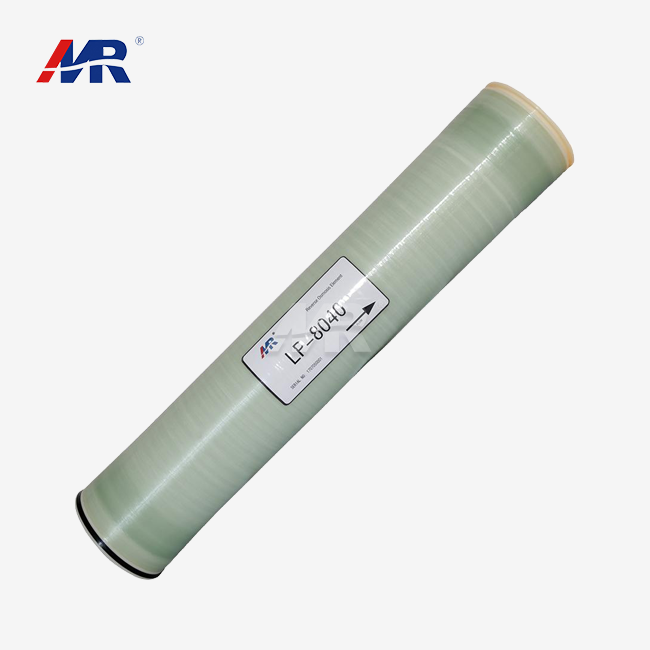 VIEW MOREreverse osmosis membrane
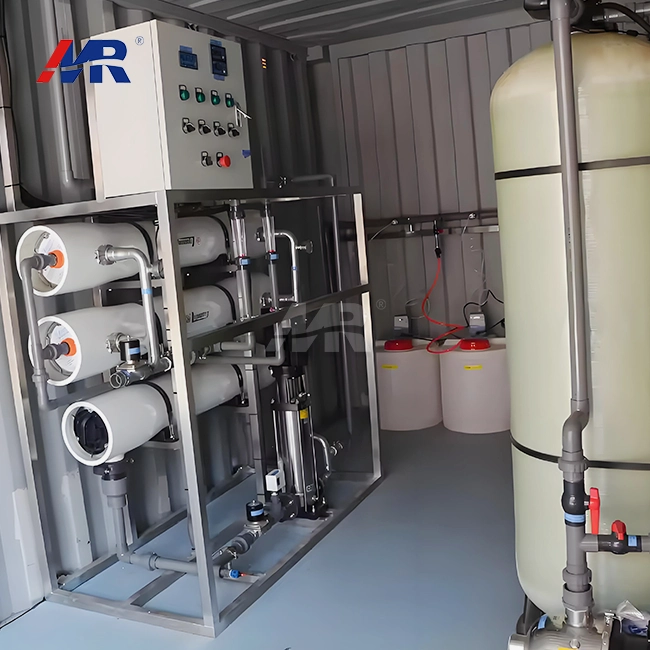 VIEW MOREcontainerized reverse osmosis system
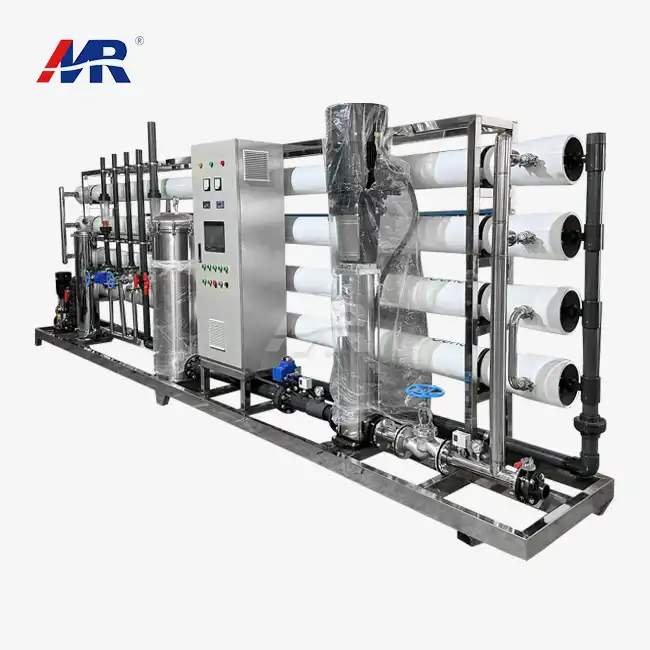 VIEW MORE500m3/day reverse osmosis RO plant
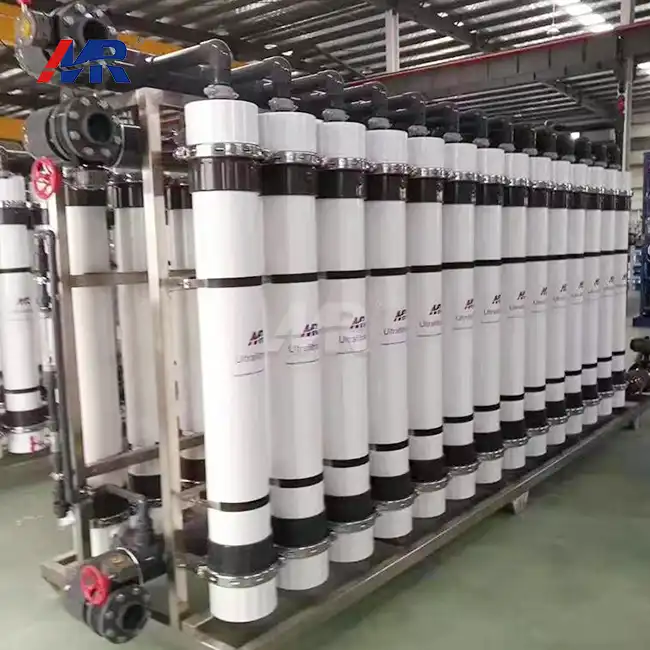 VIEW MORE70m3/hour ultrafiltration plant
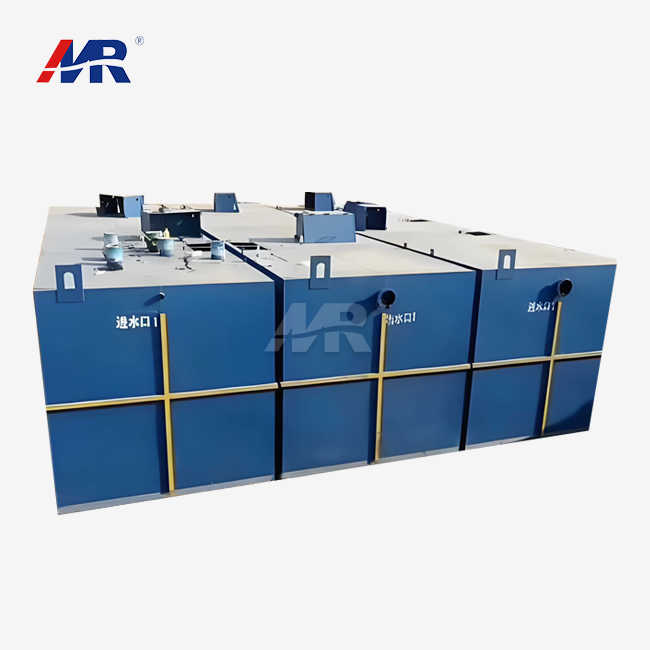 VIEW MOREcommercial sewage treatment plant
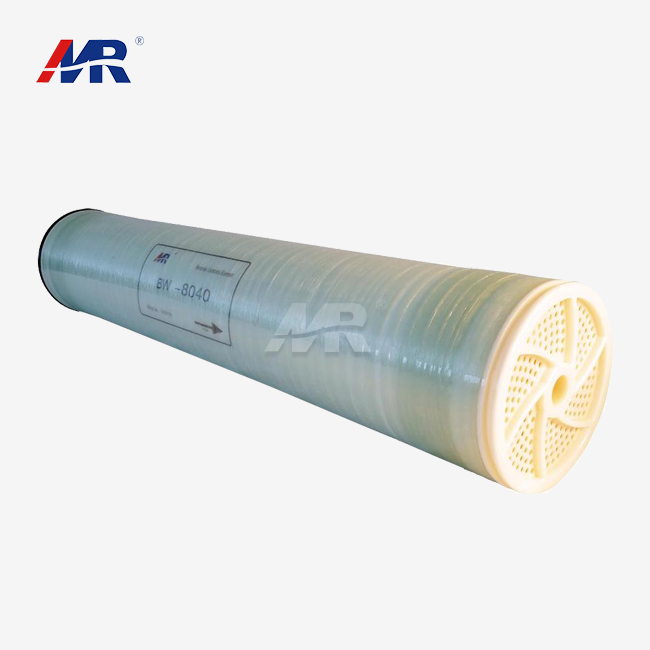 VIEW MORE8040 reverse osmosis membrane
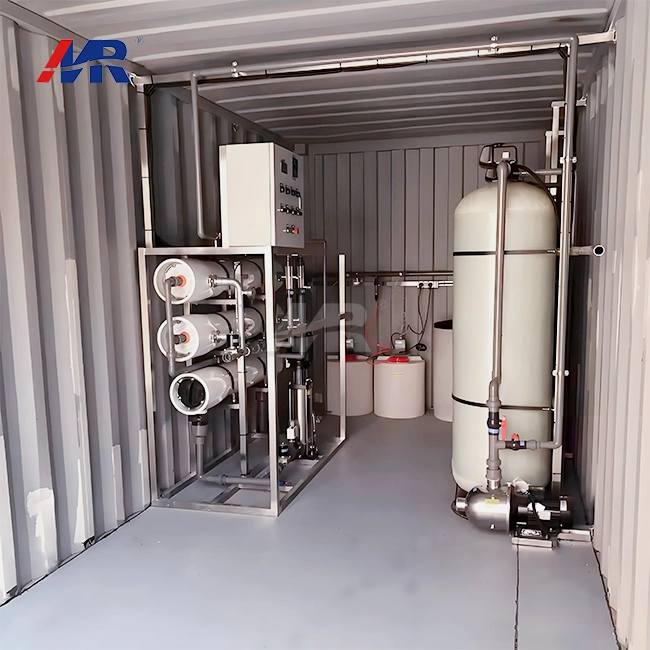 VIEW MOREcontainerized water treatment systems
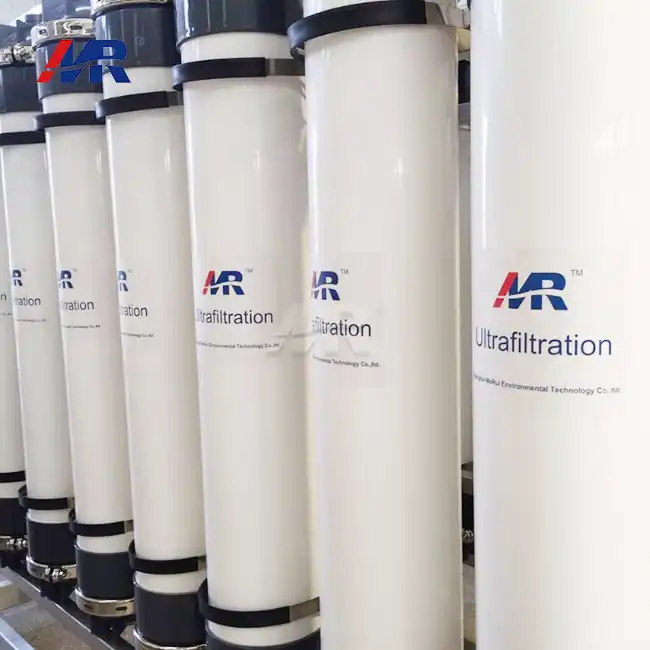 VIEW MORE90T/H ultrafiltration equipment
