

_1745823981883.webp)

Understanding the Factors That Affect RO System Price
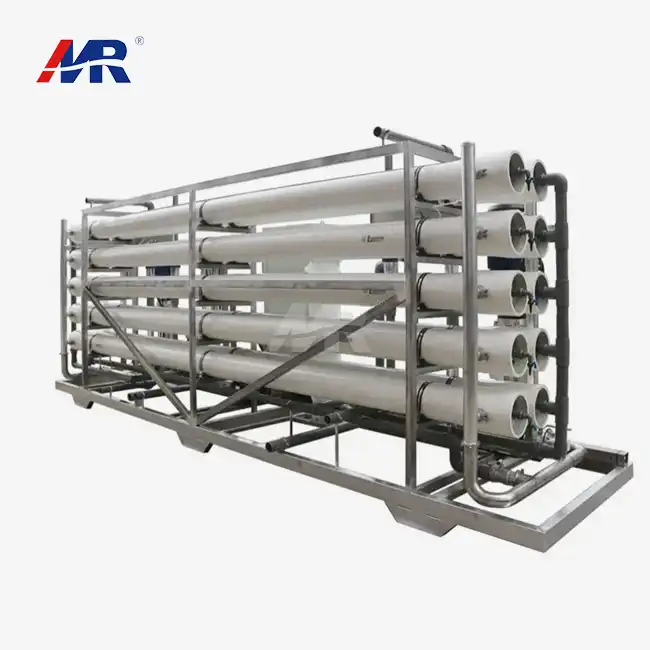
To figure out how much an RO System costs, you have to look at a lot of different factors that are all linked. Modern reverse osmosis technology has grown into a complex way to clean water for factories. The price depends on how complicated the membrane engineering is, how much water the system can handle, and how it needs to be run. An RO System investment includes more than just the original purchase price. It also includes installation, upkeep, energy use, and new parts. All of these things add up to the total cost of ownership for your business.
Key Elements Influencing RO System Price
Reverse osmosis prices are based on the quality of the membrane technology and the structure of the system. Premium thin-film composite membranes are more effective at removing contaminants than normal options. Their higher cost is justified by the fact that they last longer and work consistently. These modern membranes don't get clogged or broken down by chemicals, so they don't need to be replaced as often and keep water quality standards high in a wide range of commercial settings.
Membrane Technology and Quality Standards
Advanced polymer science is used in high-performance ro membranes to make them work well in certain situations. Pharmaceutical-grade systems need membranes that meet FDA standards, and treatment of saltwater needs membranes that are made to reject a lot of salt. The type of membrane—spiral wound, hollow fiber, or tubular—has a direct effect on price because of how hard it is to make and how well it works.
System capacity is another important factor that affects prices. Industrial systems that process 100,000 gallons of water every day are much more expensive than commercial units that process 1,000 gallons per day. Systems with more space have more membrane tanks, high-pressure pumps, complex control systems, and strong pre-treatment parts. These systems cost more to buy, but they save money in the long run for large businesses.
Pre-treatment and Post-treatment Components
A lot of pre-treatment is built into comprehensive water treatment systems to keep the membranes' health, affecting the RO system price. Multi-media filtration, chemical treatment systems, water softeners, and activated carbon filtration are all very expensive extras that are needed to make membranes last longer. These parts keep the membranes from getting clogged, scaling, and breaking down too soon, which would cause expensive replacements and system downtime otherwise.
Post-treatment steps like UV cleaning, remineralization, and pH adjustment add to the cost of the process but make sure that the end water quality meets the needs of the application. Multiple post-treatment steps are often built into laboratory-grade systems to get the ultrapure water that is needed for making semiconductors or medicines.
Comparing Market Solutions and Their Pricing Structures
A study of the market shows that there are big differences in prices between various reverse osmosis systems and other water cleaning methods. Traditional RO systems usually cost more than basic filter methods, but they get rid of all contaminants in a way that other technologies can't. The difference in spending shows how complex engineering is needed for membrane-based separation methods to work well.
Technology Integration and Advanced Features
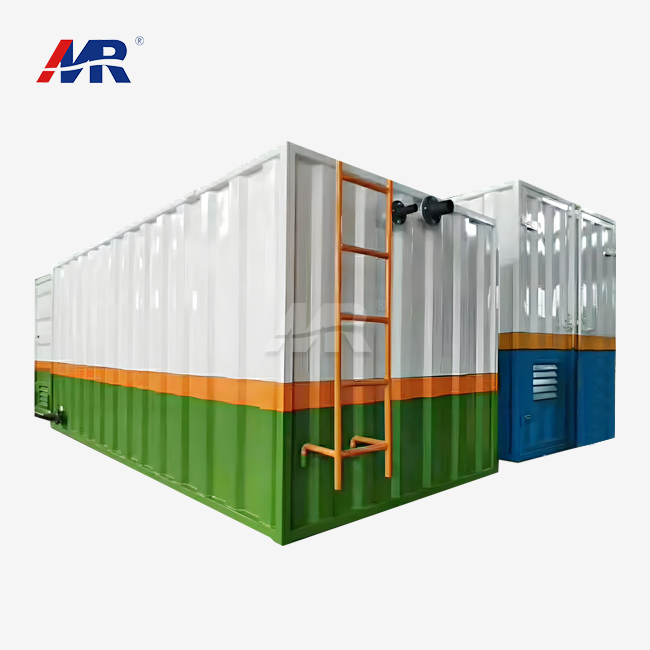
Modern containerized reverse osmosis systems are more expensive because they can be set up quickly and easily. These self-contained units come in normal shipping crates and have all the parts they need. They can be quickly set up in remote areas or for short-term use. The higher starting costs are worth it because of the ease of use and mobility, which lowers installation costs and increases rollout options.
Smart tracking features that use IoT sensors and automatic controls are new factors that affect prices. These systems offer real-time performance data, maintenance alerts based on what's likely to happen, and remote tracking options that cut down on practical labor costs while improving system performance. The technology price is a reflection of the advanced hardware and software development that went into making these features.
Brand Reputation and Service Support
Manufacturers that have been around for a while and have a good reputation usually charge higher prices, but they back up their costs with full warranties and helpful customer service. This pricing approach shows how much dependability, replacement parts that are easy to find, and skilled service networks that keep operations running smoothly are worth. Industrial buyers are usually willing to pay more up front to make sure that the system will always be available and work well.
New companies may offer low prices to get into the market, but buyers need to carefully consider the RO system price in relation to how well they can support their Products in the long run and whether they can get parts when they need them. It's important to weigh the possible savings at first against the risks of restricted service networks and uncertain parts availability, which could have an effect on the costs of running the business in the future.
Procurement Considerations Impacting Cost and Total Value
Strategic procurement includes more than just the original cost of the tools. It also includes all of its costs over its entire life. Installation needs are very different depending on how complicated the system is, how the place is set up, and how well it fits in with the current infrastructure. Custom-engineered systems need a lot of plumbing, electrical work, and commissioning services, which greatly raise the cost of the job. Simple plug-and-play units are the least expensive to install.
Maintenance and Operating Expenses
Total ownership costs are affected by ongoing running costs in a big way. When to change filters depends on the quality of the feed water and how the system is built. In normal working conditions, RO membranes should last for two to three years, while pre-filters need to be replaced every six to twelve months. When making a budget, these substitute costs must be taken into account along with regular upkeep needs.
The amount of energy used is another big operating cost. For membranes to work, they need high-pressure pumps that use a lot of electricity, especially when desalinating seawater. Designs that use less energy and include variable frequency drives and energy return systems cost more to build but pay off in the long run.
Supply Chain and Logistics Factors
For businesses that need a lot of systems or services on a large scale, bulk purchasing can save them a lot of money. For buyers who need to treat a lot of water, volume savings, standard setups, and lower transportation costs are all good things. These benefits need to be weighed against the costs of keeping goods and the ability to adapt to changing business needs.
When you buy something from another country, you need to carefully think about the shipping costs, import taxes, and local rules. Cost benefits may come from domestic suppliers because they may have lower logistics costs and make it easier to follow regulations. On the other hand, foreign suppliers may offer competitive prices but make procurement more difficult.
Optimizing Price-Performance Ratio: Strategic Tips for B2B Buyers
To get the most out of your reverse osmosis investment, you need to carefully match the system's powers with your real operating needs. Costs go up when specifications are too high without any benefits, and performance goes down when specifications are too low, which may require expensive updates. Accurate demand forecasts and thorough water quality research allow for the right system size and feature selection.
Performance Monitoring and Data Analysis
To get the most out of an RO system, its management needs to keep an eye on its performance all the time. Key factors like temperature, pressure differences, flow rates, and conductivity give important information about how healthy a system is and what repair needs to be done. Normalized performance data analysis helps find the best times to clean and change membranes, which keeps operations running smoothly and saves money.
The link between weather and system efficiency has a big impact on planning operations. Lower temperatures make water less fluid, which means higher working pressures are needed to make the permeate move. Higher temperatures make flow rates faster, but they may also speed up the breakdown of membranes. By understanding these connections, workers can improve performance while keeping an eye on energy use and component life.
Vendor Selection and Negotiation Strategies
Competitive price isn't the only thing that makes a vendor relationship work. Technical know-how, service skills, and long-term support pledges are also important. When judging a vendor's skills, you should look at things like their licenses, customer references, and service network coverage. These things are very important when the system is first turned on, when it's being maintained, and when it needs to be fixed quickly so that operations can keep going.
Negotiation tactics that work take advantage of how competitive the market is while also building long-term ties with vendors. Service contracts that last more than one year, volume agreements, and standard configurations give you negotiating power and make sure that the quality of help is always the same. Both buyers and sellers gain from these deals because buyers know exactly how much they will pay and sellers know exactly how much they will make.
Conclusion
Technical needs, operational limitations, and lifetime costs must all be carefully considered when purchasing a strategic RO System. Knowing all the different things that affect prices helps you make smart choices that match performance needs with budget limits. Today's reverse osmosis technology has been used successfully in many business settings, but only if the system is carefully chosen, set up correctly, and maintained regularly. The money spent on good tools and skilled support services pays off in the form of reliable operation, consistent water quality, and few interruptions to operations that protect business continuity and increase operational efficiency.
FAQ
Q1: What factors most significantly impact RO System pricing?
The main things that affect the price of reverse osmosis systems are the quality of the membrane and the size of the system. More expensive, high-performance membranes made for specific tasks remove more contaminants and last longer without breaking. The size of the system directly affects the number of parts that are needed. Bigger systems need more membrane tanks, high-pressure pumps, and complex control systems, all of which add to the cost.
Q2: How do maintenance costs affect total ownership expenses?
The total cost of owning a RO System includes maintenance costs in a significant amount. Replacement of the pre-filter every 6 to 12 months and the membrane every 2 to 3 years are expected costs of doing business. The ongoing costs of high-pressure pumps depend on how well the system works and how much the energy companies charge in your area. These operating costs can be kept to a minimum by planning upkeep well and choosing energy-efficient equipment.
Q3: What distinguishes containerized RO systems from traditional installations?
Containerized reverse osmosis systems integrate all of the treatment parts inside normal shipping containers. This makes them easy to move and set up quickly. These systems are more expensive at first, but they are easier to set up and can be used for short or faraway tasks. Traditional installs allow for more customization, but they need a lot of work to get ready for installation.
Partner with Morui for Advanced RO System Solutions
Morui Environmental Technology makes advanced reverse osmosis systems that are designed to work in harsh industrial settings. Our wide range of production skills, technical know-how, and large service network ensures that we can solve all of your water treatment problems. As a reliable RO System provider, we offer full support, from the initial meeting to ongoing upkeep services. Our track record in a wide range of industries backs this up.
Email our engineering team at benson@guangdongmorui.com to talk about your unique needs and find out how our cutting-edge water treatment options can help your business run more smoothly.
References
1. Smith, J.A. (2023). Industrial Water Treatment Systems: Cost Analysis and Performance Optimization. Water Technology Journal, 45(3), 78-92.
2. Chen, L.M. & Rodriguez, C.P. (2022). Membrane Technology in Reverse Osmosis Applications: Performance and Economic Considerations. Desalination Engineering Review, 18(7), 234-251.
3. Thompson, K.R. (2023). B2B Procurement Strategies for Water Treatment Equipment: Best Practices and Cost Management. Industrial Equipment Quarterly, 29(4), 156-174.
4. Williams, S.D. & Park, H.J. (2022). Lifecycle Cost Analysis of Commercial Reverse Osmosis Systems. Water Industry Economics, 12(2), 89-108.
5. Anderson, M.E. (2023). Containerized Water Treatment Solutions: Market Trends and Applications. Environmental Technology Today, 31(6), 45-62.
6. Zhang, Y.F. & Kumar, A.S. (2022). Performance Monitoring and Optimization in Industrial RO Systems. Process Water Engineering, 27(9), 201-219.
 VIEW MOREosmosis drinking water system
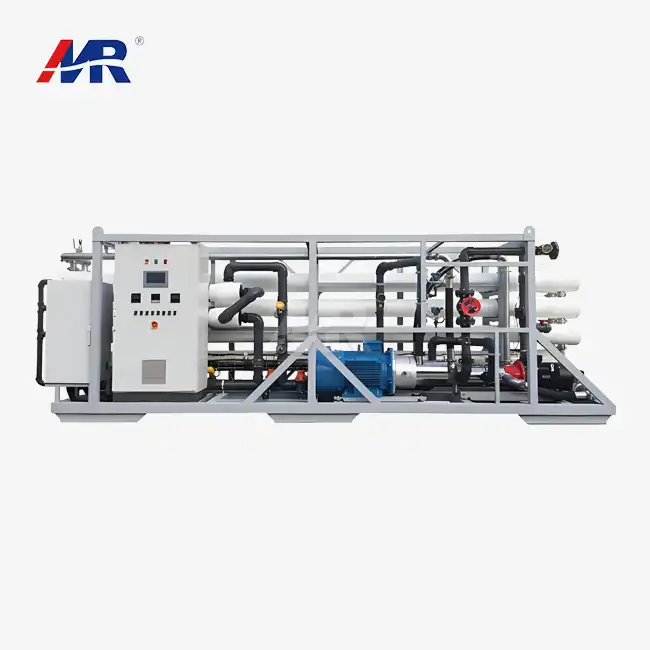 VIEW MORE15m3/hour seawater desalination system
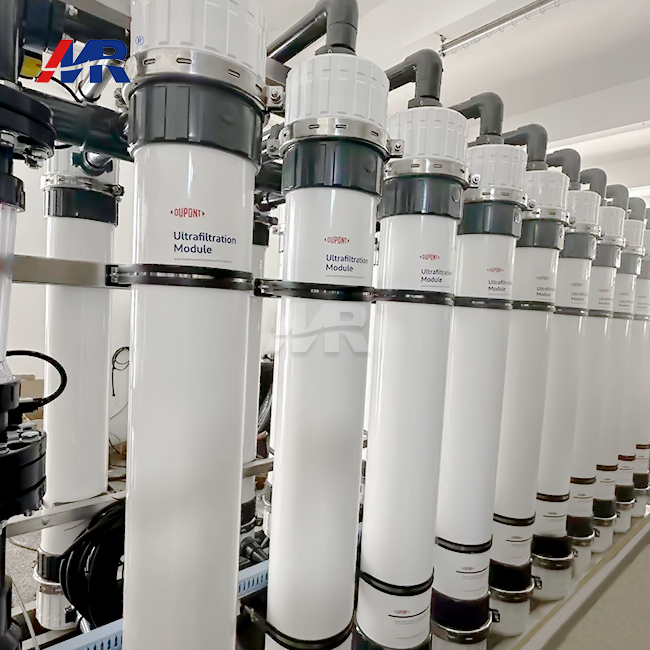 VIEW MOREultrafiltration water treatment system
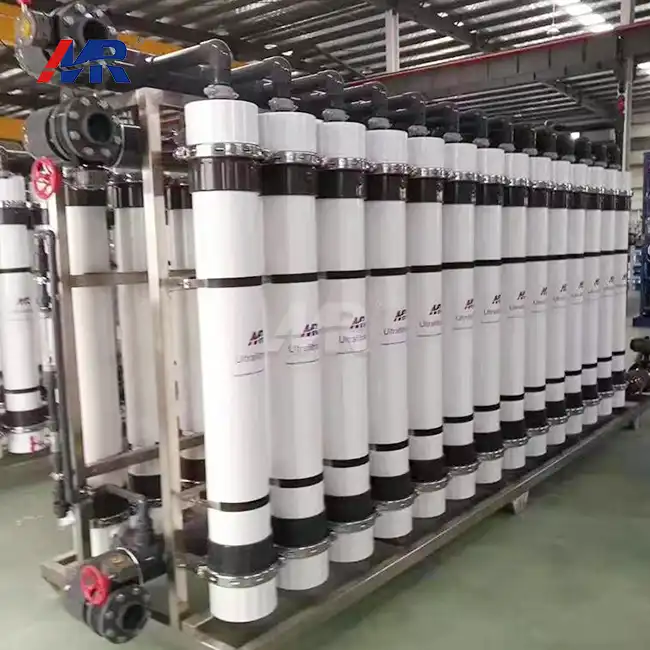 VIEW MORE70m3/hour ultrafiltration plant
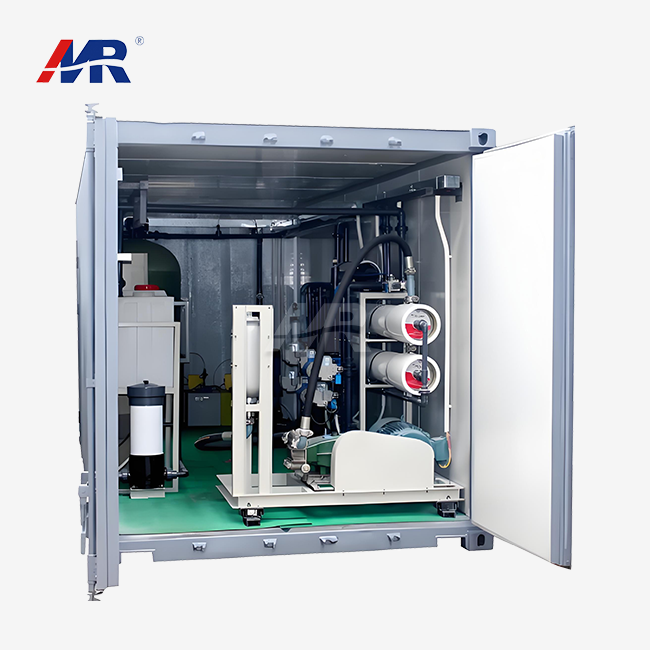 VIEW MOREcontainerized UF+RO system
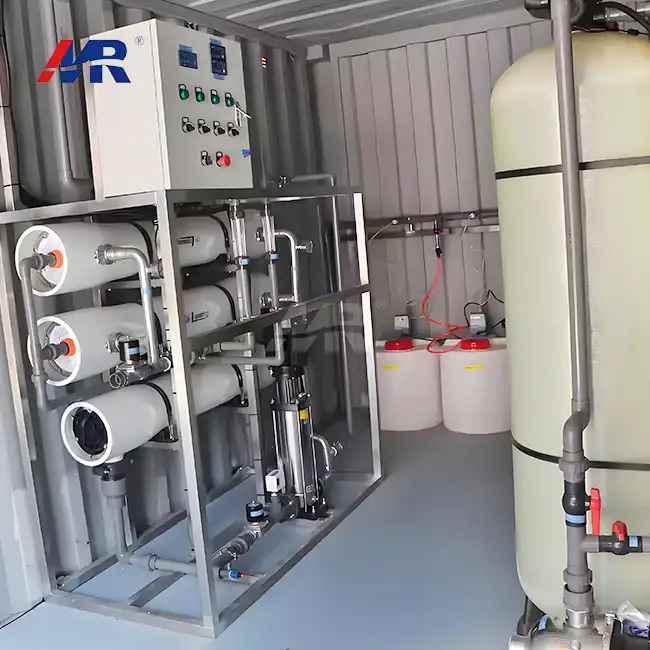 VIEW MOREcontainer 3m3/hour RO equipment
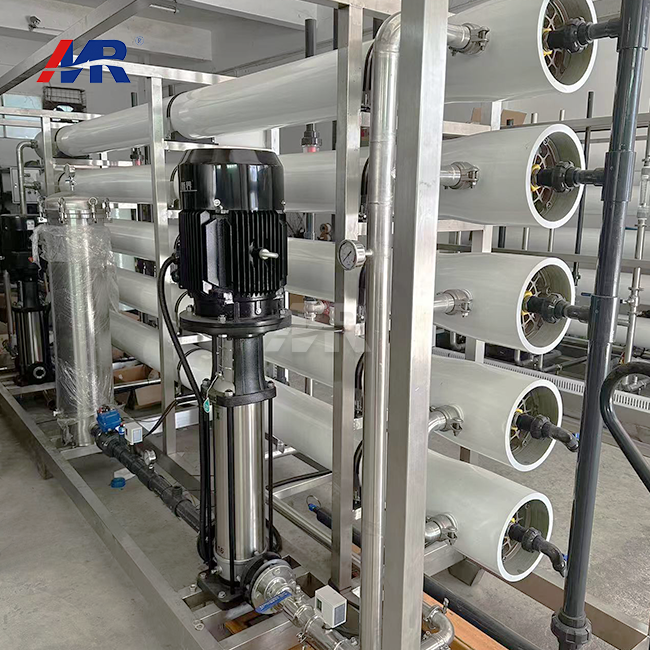 VIEW MOREosmosis water purification system
 VIEW MOREindustrial sewage treatment plant
