_1745823981883.webp)

Compact RO System vs Traditional Filters: Which One Should You Choose?
When looking for water filtration options for your business, the choice between regular filters and small RO systems will have a direct effect on how well your business runs and how clean the water is. Advanced membrane technology in an RO System makes it very good at getting rid of contaminants, which makes it perfect for fields that need very pure water, like electronics, medicines, and food processing. Traditional screens are better for basic filtration needs and cost less up front, but reverse osmosis technology can clean water better in more ways.

Introduction
Choosing the right water filter system is important for keeping costs low and operations running smoothly in today's corporate world. Professionals in business-to-business buying need to look at options that meet strict water quality standards and make sure they can be easily integrated and expanded. The water treatment business has changed a lot over the years. It now offers advanced methods that meet the needs of many industries, such as manufacturing, healthcare, and municipalities.
This thorough review talks about two well-known technologies: traditional filters and compact reverse osmosis systems. Businesses today are under more and more pressure to keep the water quality stable while also keeping costs low. Choosing between these two filtration methods affects not only the production needs of the present, but also long-term promises to ecology and compliance with regulations.
Knowing the main differences between these technologies helps people make decisions about which filters to use based on their production goals. Depending on your business needs, water quality standards, and practical limitations, each method has its own benefits. This comparison gives you the technical information and business information you need to make smart purchasing choices in today's competitive business world.
Understanding the Technologies: Compact RO System and Traditional Filters
Advanced Membrane Technology vs Conventional Filtration Methods
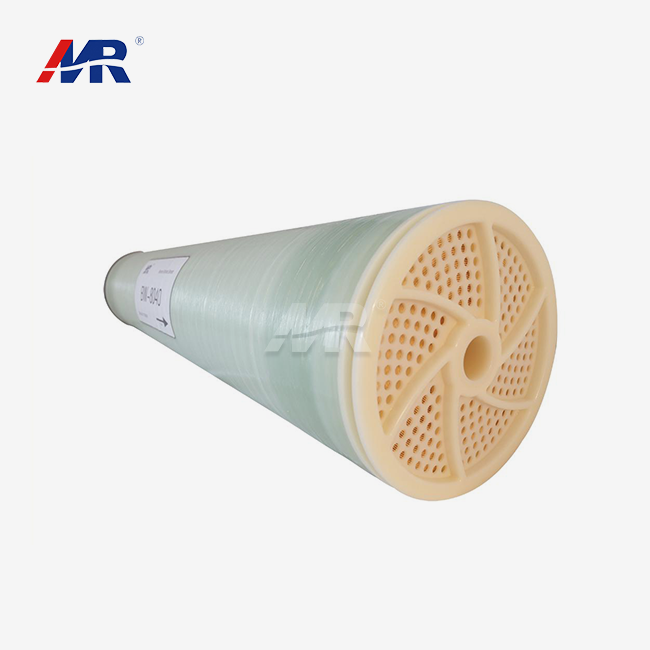
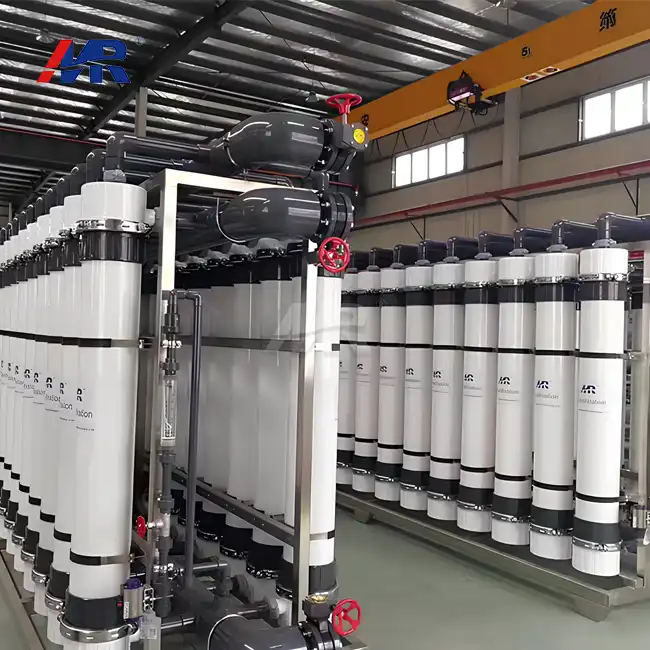
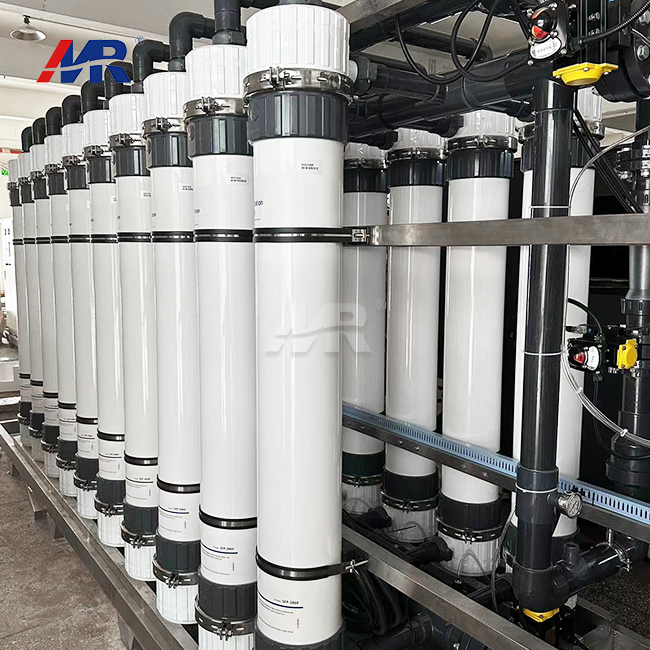
Small reverse osmosis systems use advanced semipermeable membranes that work at the molecular level to remove dissolved solids, bacteria, viruses, and chemical pollutants very precisely. These systems push water through membranes with pores as tiny as 0.0001 microns. For most contaminants, this rejects more than 99% of the water. Applied pressure is used to overcome natural osmotic pressure, which makes it possible to clean water completely.
There are many types of traditional filters, such as sand filters, activated carbon filters, cartridge filters, and multimedia filtration systems. Usually, these methods use mechanical straining and chemical adsorption to get rid of chlorine, sediments, bigger particles, and dissolved solids. Sand filters get rid of particles as small as 20 to 40 microns, while carbon filters are great at getting rid of chlorine and improving the taste of water, but they can't get rid of dissolved salts or bacteria very well.
Technical Performance Parameters and Operational Characteristics
In order to judge how well a water treatment system works, certain factors that have a direct effect on the system's efficiency and product quality must be kept an eye on. In modern RO systems, temperature, filtrate flow rates, feed conductivity, and pressure differences are all tracked across several steps. These measures allow data to be normalized, which makes sure that performance is always evaluated the same way, no matter what the working conditions are. According to industry standards, changes in standardized performance that are more than 15% from the average data need to be fixed right away.
When you watch a traditional filtering system, you mostly need to look at the pressure drop across the filter media and the amount of turbidity. Even though these systems are easy to use, they don't have the full performance tracking features that are needed for sensitive industrial uses. If you don't have specific performance measures, your water quality and efficiency may go down over time without you noticing.
Installation Footprint and Integration Considerations
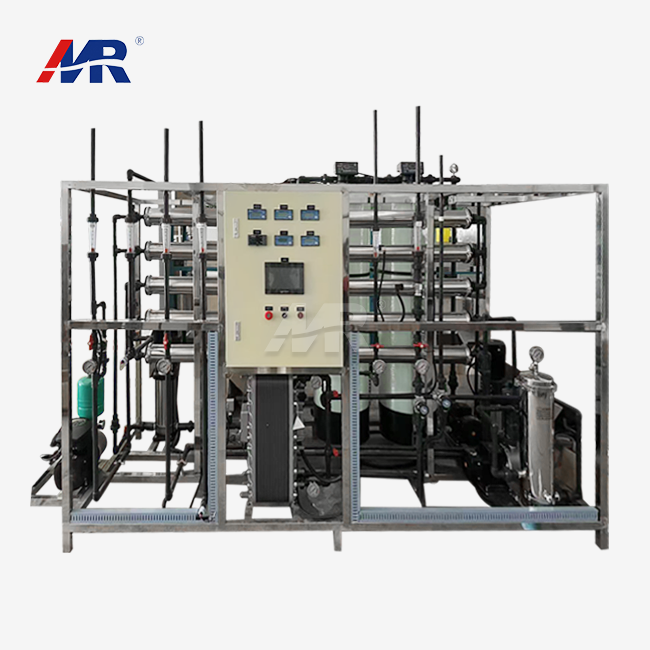
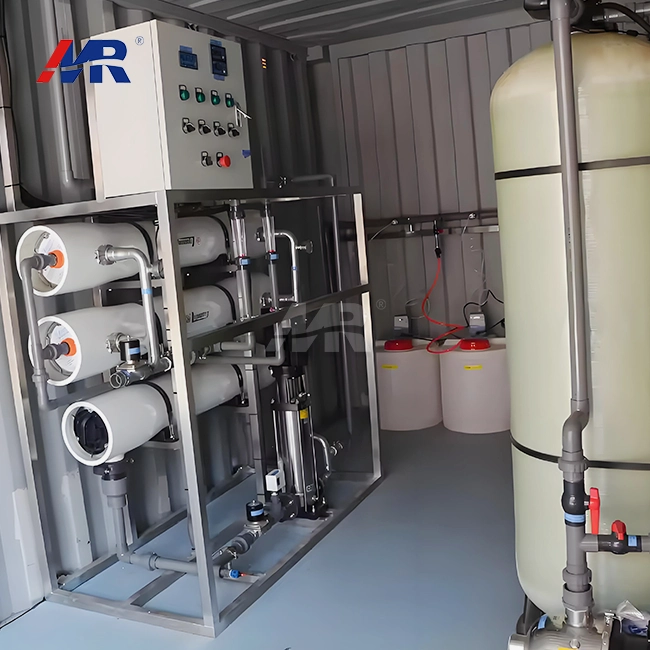
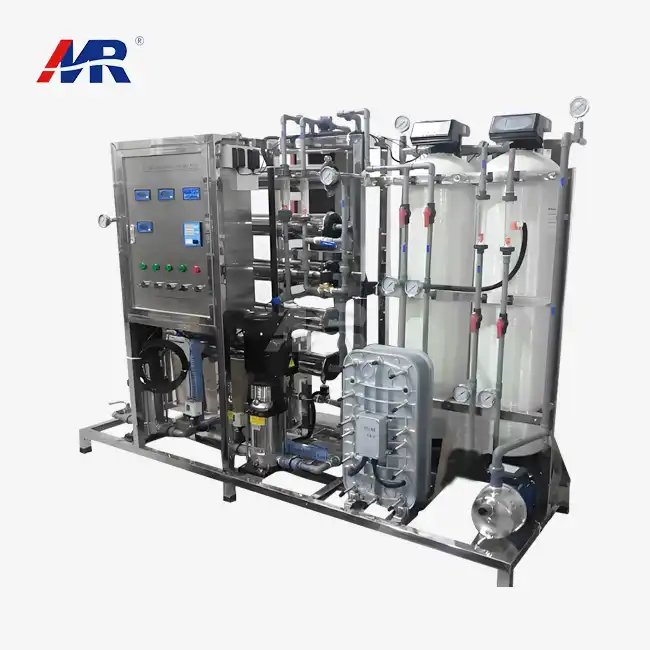
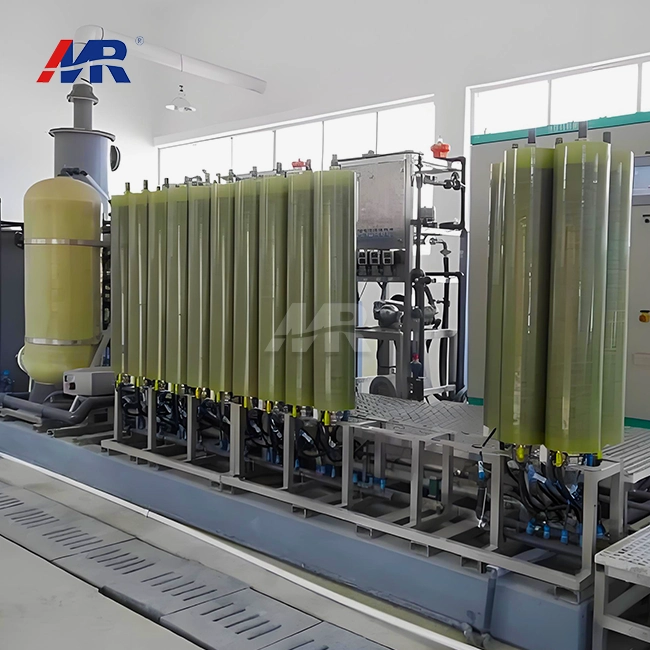
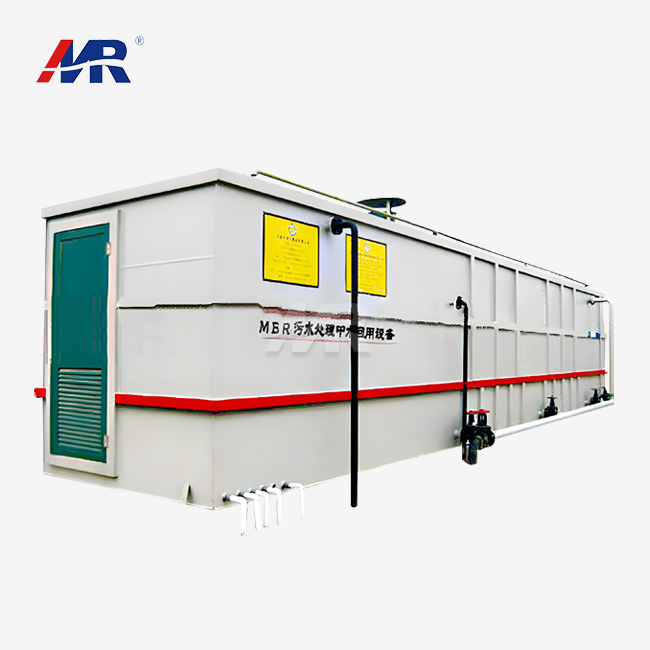
Compact RO systems are great for saving room because they are designed to be as useful as possible while taking up as little space as possible. Containerized configurations let full water treatment plants fit inside normal shipping containers. These include systems for pre-treatment, membrane processing, and control. These modular methods make it easy to move and set up quickly as business needs change. This is especially helpful for short-term projects or facilities that are growing.
Because there are separate parts for each step of filtering in traditional filter installations, they often take up more space. Sand filters, clarifiers, and carbon systems usually need a lot of room and special ways to set up their pipes. Even though these setups might be cheaper at first, they don't have the movement and scalability benefits of current compact designs.
Benefits and Limitations: Compact RO System vs Traditional Filters
Superior Water Quality and Process Reliability
Small RO systems provide very pure water that is needed for important commercial uses. Total dissolved solids levels are typically below 10 parts per million (ppm) thanks to the technology's ability to remove dissolved solids. This skill is very important for making medicines, semiconductors, and high-precision electronics, because the quality of the water directly affects the purity of the Products and the ability to follow rules.
Advanced RO systems can be set up with multiple stages and passes, which improves the quality even more. In double-pass systems, the permeate from the first stage is used as feed water for the second stage, which makes the water even purer. This method works especially well for uses that need very pure water or specific conductivity standards that can't be met by regular filters.
Economic Considerations and Total Cost of Ownership
A study of investments shows that the cost relationships between various filtration methods are not simple. These are the main economic factors that affect system choice:
- Initial Capital Investment: Because RO systems use advanced membrane technology and high-pressure pumps, they usually have higher initial prices.
- Costs of doing business: The amount of energy used changes a lot; RO systems need more power to create pressure.
- Costs of maintenance: Media in traditional filters need to be replaced often, but RO membranes last two to three years if they are used properly.
- Rates of Water Recovery: New RO systems can collect 75 to 85% of the water they use, which lowers the cost of getting rid of waste compared to older methods.
These economic factors show that RO systems require a bigger initial investment, but the benefits they provide in terms of operating efficiency and product quality usually make up for the cost over the lifetime of the system. In situations where high purity levels are not necessary, traditional screens are still more cost-effective than RO technology.
Maintenance Requirements and System Longevity
Maintenance on RO systems happens on set plans that are based on tracking performance and analyzing data. Pre-filters need to be replaced every 6 to 12 months, but ro membranes usually work well for 2 to 3 years as long as they are properly kept. The automated tracking features allow for planned preventative maintenance, which keeps membranes working at their best throughout their entire operating life.
Maintenance for a traditional filter depends a lot on the type of water and how the system is built. Backwashing and replacing the media in sand filters should be done on a regular basis. On the other hand, carbon filters should be replaced every 12 months under normal circumstances. Traditional systems are easier to maintain because they don't need as much technology know-how, but they may cost more to run because they need to be fixed more often.
How to Decide: Matching Filtration Solutions to Your Needs
Water Quality Assessment and Regulatory Requirements
To choose the right filtration system, you must first do a full water quality study that includes both the features of the source water and the requirements you want to meet. RO technology is usually needed in industrial settings that need very pure water, like making medicines that need to meet USP standards for filtered water or making electronics that need ultrapure water. Municipal water treatment plants that are replacing old equipment often benefit from RO systems because they work consistently and use fewer chemicals.
Considerations of regulatory compliance have a big impact on the choice of technology in many businesses. EPA standards for making drinking water, FDA rules for pharmaceutical water systems, and quality standards set by the business all affect the choice of filter technology. Compared to standard filtration methods, RO systems have proven performance possibilities that make the regulatory validation process easier.
Operational Capacity and Scalability Planning
Flow rate needs and plans for future growth have a big impact on system design and technology choice. Modular growth in small RO systems lets capacity grow by adding more membrane vessels or running systems in parallel. This adaptability lets the business grow without having to update the whole system, which protects the long-term value of the investment.
For traditional filter systems to work with bigger tanks and more media, they might need major changes to their infrastructure. When planning, it's important to think about times of high demand, changes in demand due to the seasons, and possible production increases over the system's lifetime.
Infrastructure Compatibility and Integration Requirements
The foundation of a building has a big impact on how technology is used. Modern automation systems work well with small RO systems, which lets you watch in real time and control them from afar. Standardized designs make it easier to connect to supervisory control and data gathering systems that are popular in factories.
Case studies of successful applications show how these ideas can be used in real life in many different types of businesses. A pharmaceutical company in California got rid of old ion exchange systems and replaced them with a compact RO system. This cut chemical costs by 40% and made batch stability better. In the same way, an electronics manufacturing plant in Texas used containerized RO systems to quickly increase its capacity. This cut the project timeline from 18 months to 6 months compared to standard building methods.
Conclusion
The main things that determine whether you should use a compact RO system or a standard filter are your water quality needs, your operating limitations, and your long-term business goals. Compact RO systems are great for uses that need very pure water because they remove contaminants better, use room more efficiently, and give you more operating options. Traditional filters are a cheap way to meet basic filtering needs when high purity levels don't call for more advanced membrane technology.
To choose the right system, you need to carefully consider the total cost of ownership, which includes the original investment, running costs, and upkeep needs. The choice should be in line with the rules your business has to follow, the machinery that is already in place, and your plans for future growth. Professional advice from water treatment experts will help you choose the best technology and set up your system so it works best for your needs.
FAQ
Q1: What makes compact RO systems more effective than traditional filters?
Small RO systems use semipermeable membranes that work at the molecular level to get rid of dissolved salts, bacteria, viruses, and chemical contaminants with rejection rates higher than 99%. The main things that traditional filters remove are suspended solids and bigger particles. Because of this, they can't clean water completely enough for sensitive commercial uses.
Q2: How often do RO system components require replacement?
In RO systems, pre-filters usually need to be replaced every 6 to 12 months. On the other hand, RO membranes can work well for 2 to 3 years with the right care. The exact replacement schedule relies on the quality of the source water, how much the system is used, and how well the suggested maintenance methods are followed. Regularly checking speed lets you find the best time to change something based on real performance data.
Q3: Can compact RO systems integrate with existing water treatment infrastructure?
Modern small RO systems have standard hookups and automatic control features that make it easy to connect them to water lines and treatment systems that are already in place. The flexible designs make it possible to add new features to existing buildings with few changes to the infrastructure. A professional engineering review makes sure that the plans for merging are compatible and work well.
Q4: What are the energy requirements for compact RO systems compared to traditional filters?
Due to the high-pressure motors needed for membrane operation, RO devices use more energy. Modern systems, on the other hand, use a lot less power because they have varying frequency drives and energy recycling devices. Traditional filters use less energy, but they might need more cleaning steps to get the same quality of water, which changes how energy efficient they are overall.
Q5: How do maintenance costs compare between these filtration technologies?
Maintaining the membranes in an RO system requires a lot of technical know-how, but the longer breaks between big maintenance events usually mean lower total costs. For traditional filters, the media needs to be changed and cleaned more often. RO systems have predictable repair routines that help budgeters plan better and cut down on unexpected costs for downtime.
Partner with Morui for Advanced Water Treatment Solutions
Morui Environmental Technology makes cutting-edge, small RO systems that are custom-made to meet the needs of your industry. Our experienced engineering team offers full advice services to help you weigh your filtration choices and find the best way to set up your system for maximum efficiency. We make sure that your investment in water treatment has long-term worth and success as a trusted RO System manufacturer with experience in many different industries.
Email our technology experts at benson@guangdongmorui.com to talk about your water cleaning needs and look into custom options. Morui is the best company to work with if you want to use modern water cleaning technology because we are dedicated to providing excellent support services.
References
1. Membrane Technology and Applications, Third Edition. Baker, Richard W. John Wiley & Sons, 2012.
2. Reverse Osmosis: Design, Processes, and Applications for Engineers. Warsinger, David M. McGraw-Hill Education, 2018.
3. Industrial Water Treatment Process Technology. Amjad, Zahid. CRC Press, 2017.
4. Water Treatment Principles and Design, Third Edition. MWH Global. John Wiley & Sons, 2012.
5. Membrane Processes in Industrial Water Treatment. Singh, Rajindar. Elsevier Science, 2019.
6. Advanced Water Treatment Technologies for Industrial Applications. Kumar, Ashutosh. Academic Press, 2020.