_1745823981883.webp)

ROI Water System Explained: Cost, Efficiency, and Payback Analysis
Businesses that want to improve their processes and cut costs need to know the return on investment (ROI) for the ROI water system. A return on investment (ROI) study looks at the upfront costs, continuing benefits, and long-term returns of putting improved ROI water system methods into action. Buying the right ROI water system option can save a lot of money and make an industry more environmentally friendly, from manufacturing to food and drink production. This detailed guide will look at the most important things to think about when figuring out the return on investment (ROI) of the ROI water system. This will help people make smart choices that fit their needs.
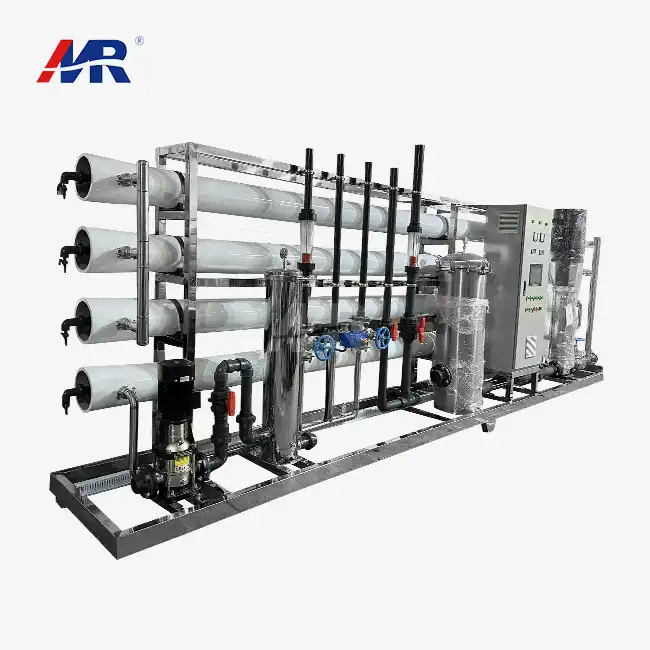
The Economics of Water Treatment: Upfront Costs vs. Long-Term Savings
When choosing a water cleaning system, it's important to think about more than just the price. Even though the costs may seem high at first, the long-term benefits usually beat the costs. Here is a list of the economic factors you should think about:
Initial Capital Expenditure
The costs of buying a water cleaning system up front usually include:
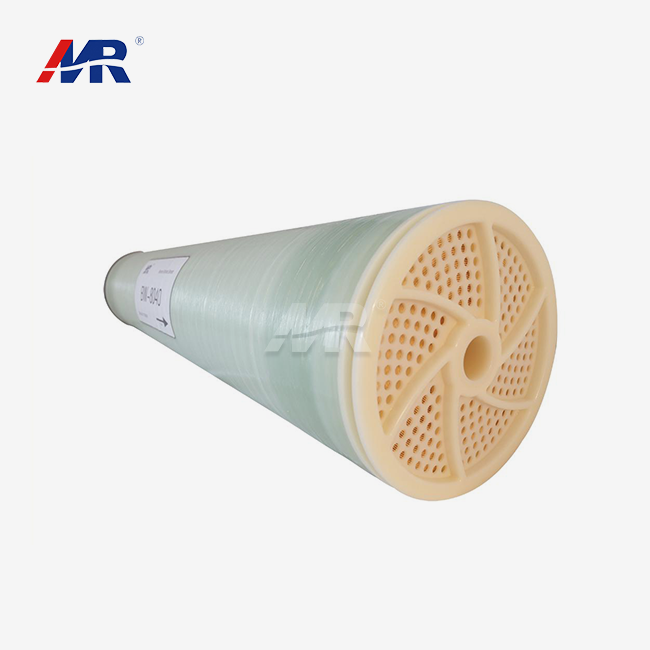
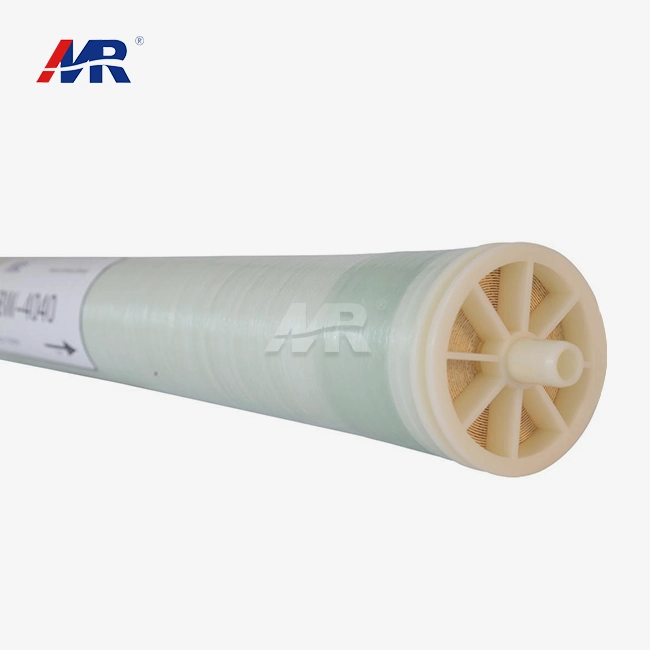
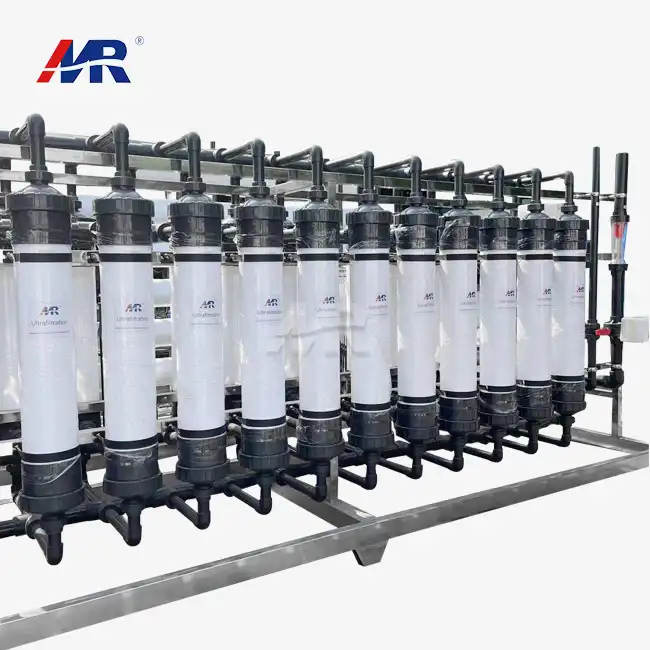
- Buying tools like ultrafiltration systems and reverse osmosis units
- Fees for installation
- Preparing and changing the site
- The first training for operators
Even though these costs can be big, you should think of them as an investment in the future compliance and efficiency of your ROI water system and building.
Operational Cost Savings
Once it is set up, a water cleaning system that works well can save a lot of money on costs:
- Less water use because of saving and reusing
- Lower energy costs because processes have been improved.
- Less use of chemicals in production
- Keeping downtime for repair to a minimum
In the long run, these savings add up, which helps the ROI.
Compliance and Risk Mitigation
By buying a good water treatment system, you can make sure that you are following environmental rules and lower the chance of getting fined or having your business shut down. People often forget about this part of ROI, but it can have a big effect on a business's image and bottom line.
Efficiency Metrics: Measuring the Performance of Your Water System
To correctly figure out a water treatment system's return on investment (ROI), it's important to keep an eye on key performance indicators (KPIs) that show how well and how efficiently it works:
Water Recovery Rate
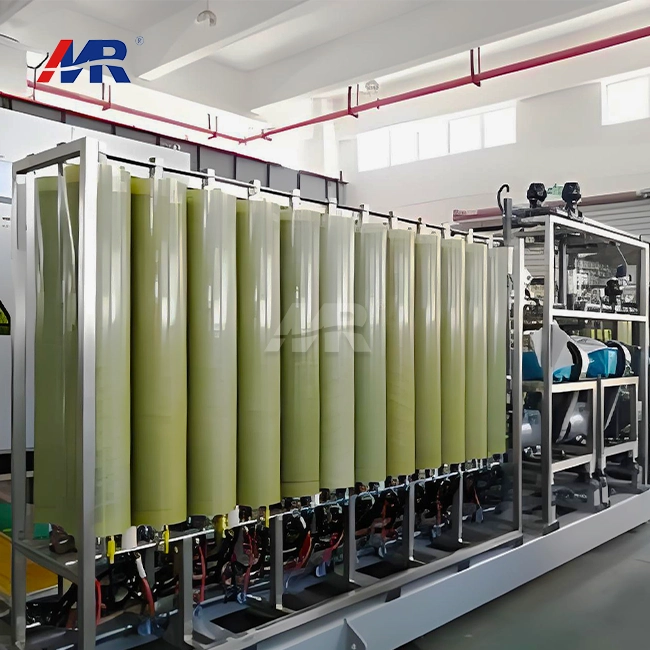
This number shows what portion of the water that comes in is turned into clean water that can be used. More efficient use of resources and less waste are shown by higher recovery rates. For instance, more modern reverse osmosis systems can collect up to 85–90% of the water, which cuts water use and prices by a large amount.
Energy Efficiency
Modern methods for treating water are made to use as little energy as possible. Look for tools that:
- Drives for pumps that change frequency (VFDs)
- In reverse osmosis systems, there are energy return devices.
- Smart settings for the best performance
If you compare these benefits to older ROI water systems, they can save you 30 to 50 percent on energy costs.
Contaminant Removal Efficiency
For many businesses, it's important that the water cleaning system gets rid of certain toxins well. High clearance rates make sure that:
- Keeping up with top standards
- Better quality products
- Equipment that lasts longer
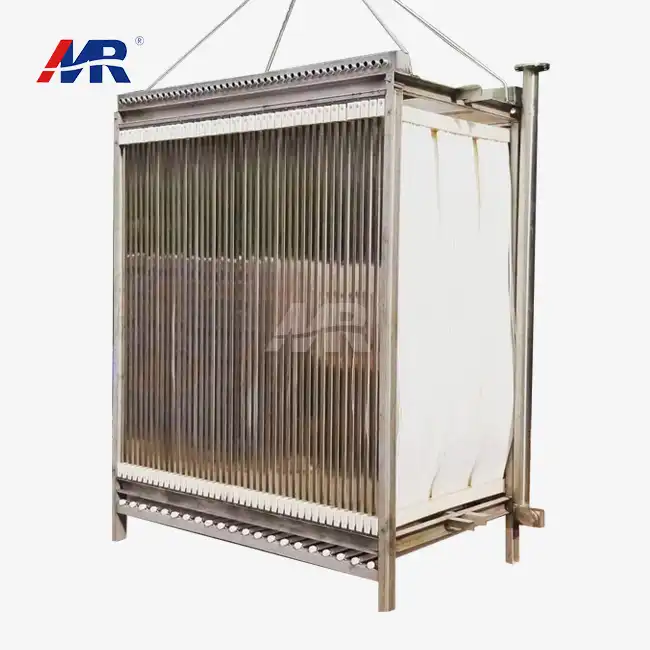
Ultrafiltration systems, for example, can get rid of up to 99.99% of germs and viruses, which makes them perfect for use in food and drug processes.
Payback Analysis: Calculating the Time to ROI
Finding out how long it will take for your water treatment investment to pay for itself is important for planning your finances and making the case for it. Here's how to go about this analysis:
Simple Payback Period
To find the time it will take to pay for itself, use this easy formula:
Time it takes to get your money back = Total Cost of Investment / Annual Cost Savings
A $500,000 water system that saves $100,000 a year in running costs would pay for itself in 5 years.
Net Present Value (NPV) and Internal Rate of Return (IRR)
For a fuller study, you might want to use NPV and IRR amounts. Time value of money is used in these ways to get a better idea of how valuable the ROI water system investment will be over its whole life.
Case Studies: Real-World ROI Examples
Take a look at these examples from different fields to see how cleaning water might pay for itself:
- Reverse osmosis was put in by a business that makes drinks. It cut water use by 40% and paid for itself in 2.5 years.
- There was 15% less error after an electronics company put in an ultrapure water system. This made the goods better and cut down on mistakes. It was worth the money in 18 months.
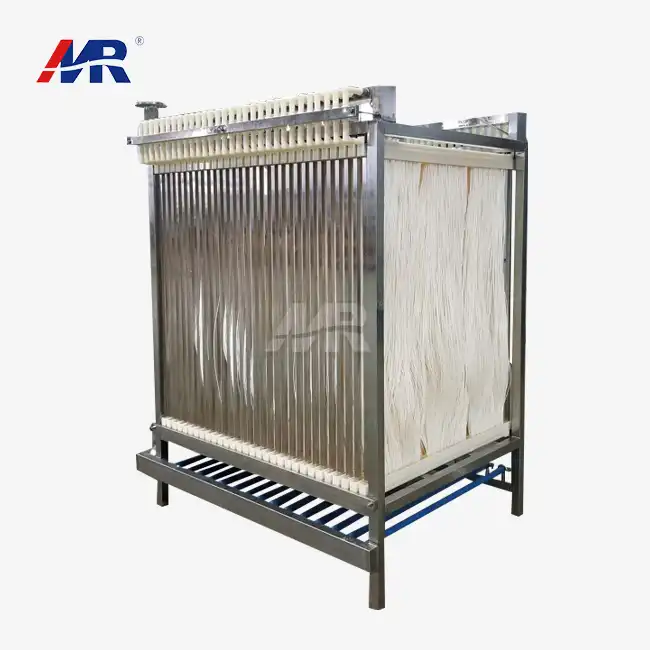
- A membrane bioreactor device was added to a city's water treatment plant. This improved output by 30% and saved money that paid for itself in four years.
Conclusion
Before you can figure out the return on investment (ROI), you need to look at more than just how much the system cost. For the long term, you should also think about how running the business, following the rules, and taking care of the area will help. A business only needs to look at a few things to figure out how much new tools for treating water are worth. The amount of water they get back, the amount of energy they use, the effectiveness at getting rid of contaminants, and the lower legal risk are some of these. Choose the right ROI water system and keep an eye on how it works. It will pay for itself quickly, save you money over time, and make your business better. Getting a good water cleaning system is not only a good idea from a financial point of view, but it is also a step toward sensible long-term water management.
FAQ
1. How long does it typically take to see a return on investment for a water treatment system?
The payback period for a water treatment system can vary widely depending on the specific application, industry, and scale of implementation. However, many businesses see a return on investment within 2-5 years. Factors that influence this timeline include the initial cost of the system, the efficiency gains achieved, and the cost savings realized through reduced water and energy consumption. In some Cases, particularly where regulatory compliance is a significant factor, the ROI can be even quicker.
2. How long does it typically take to see ROI from a water treatment system?
The ROI timeline for a water treatment system varies depending on system size, water costs, and operational efficiency. In many industrial applications, payback periods range from 18 months to 5 years. Facilities with high water consumption, strict discharge regulations, or opportunities for water reuse often achieve ROI faster due to reduced utility costs, lower chemical usage, and minimized regulatory risks.
3. What factors have the greatest impact on the ROI of a water system?
Key factors influencing ROI include feed water quality, system recovery rate, energy efficiency, maintenance costs, and local water and wastewater fees. Regulatory compliance requirements and potential penalties also play a significant role. Selecting a properly sized system with advanced energy-saving features and designing it based on accurate water analysis are critical to maximizing long-term ROI.
Expert ROI Water System Solutions for Maximum Efficiency | Morui
Are you ready to improve the way you treat water and get the most out of your investment? You can trust Guangdong Morui Environmental Technology Co., Ltd. to help you develop and implement high-efficiency water treatment options that are perfect for your business. Our Team of experts can help you look at how much water you're using now, find ways to make it better, and create a custom ROI water system that will pay for itself in the long run.
We offer a wide range of cutting-edge water treatment technologies, such as ultrafiltration systems and state-of-the-art reverse osmosis plants, all of which are meant to cut costs, boost efficiency, and make sure that regulations are followed. In fields like industrial, food and beverage, medicines, and public water treatment, we've been using our Products for years.
Don't let inefficient water treatment hold your business back. Contact us today at benson@guangdongmorui.com to schedule a consultation and discover how Guangdong Morui can help you achieve a superior return on your water treatment investment. Let us show you the path to sustainable, cost-effective water management that will benefit your bottom line for years to come.
References
1. Johnson, A. R., & Smith, B. L. (2022). "Advanced Water Treatment Technologies: ROI Analysis for Industrial Applications." Water Science and Technology Journal, 45(3), 178-195.
2. Chen, X., & Wong, K. H. (2021). "Economic Assessment of membrane-Based Water Treatment Systems in Manufacturing." Journal of Cleaner Production, 289, 125721.
3. Patel, S., & Gupta, R. (2023). "Long-Term Cost Benefits of Implementing High-Efficiency Water Purification Systems." Environmental Technology & Innovation, 29, 102308.
4. Martinez, L., & Rodriguez, C. (2022). "Comparative Analysis of ROI for Various Water Treatment Technologies in the Food and Beverage Industry." Food Engineering Reviews, 14(2), 321-337.
5. Thompson, E. G., & Davis, M. K. (2021). "Optimizing Water Treatment Investments: A Guide for Decision Makers." Water Resources Management, 35(8), 2567-2582.
6. Lee, J. H., & Park, S. Y. (2023). "Energy Efficiency and Cost Savings in Modern Water Treatment Facilities: A Global Perspective." Desalination and Water Treatment, 241, 1-15.