

_1745823981883.webp)

Most Efficient Reverse Osmosis System for Industrial Water Treatment
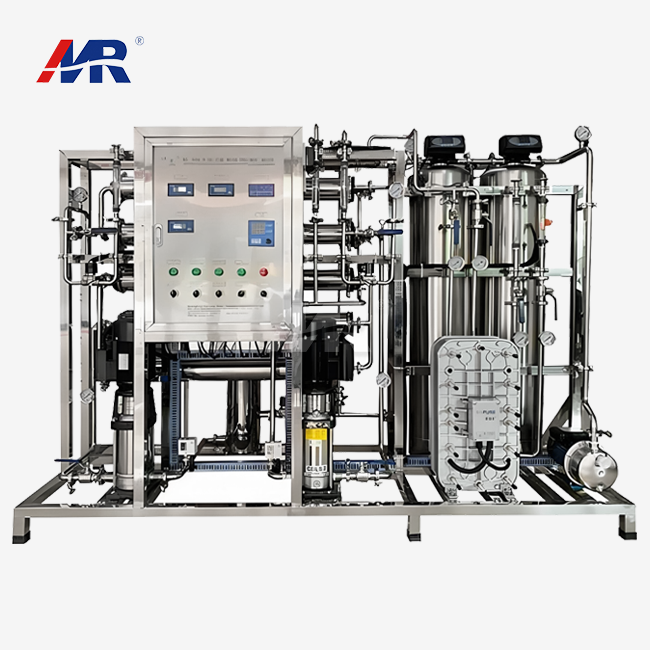
The most efficient reverse osmosis system is an important part of treating water for commercial uses because it makes sure that the water is clean and safe for many uses. Many companies now treat water differently because they use reverse osmosis (RO) technology. This is a safe and cheap way to make clean water. We'll talk about the main features and benefits of current RO systems in this in-depth guide. This will help you choose the best one for your drinking water needs. Modern reverse osmosis systems get the most water back while using the least amount of energy. They do this by using cutting edge membrane technology and smart design. These systems are able to clean water sources by getting rid of up to 99% of dissolved solids, chemical molecules, and other toxins. Because of this, they are great for many types of businesses, from making food and drinks to drugs and electronics. A high-performance RO system can help a business meet strict legal requirements, keep water quality consistent, and cut down on running costs.
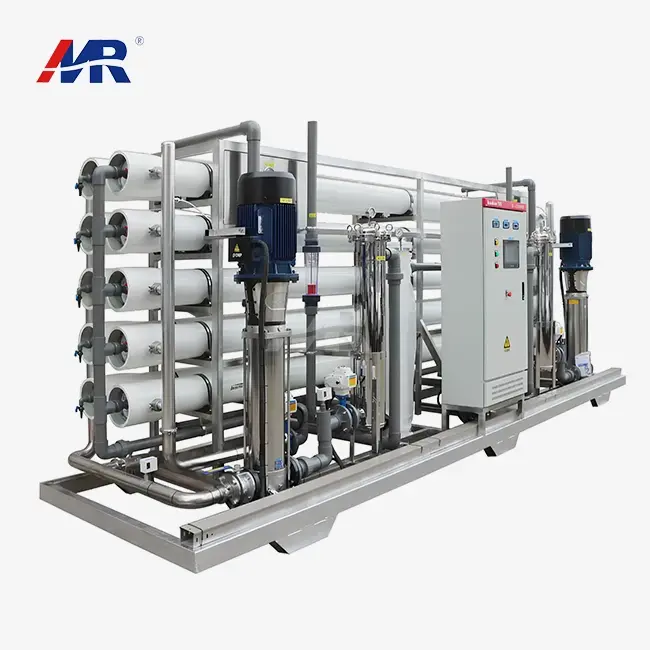
Key Components of an Efficient Reverse Osmosis System
Some important parts that current reverse osmosis systems must have in order to work at their best and most efficiently are:
High-Performance Membranes
The filters are what make a RO system work. The most recent improvements in membrane technology have led to the creation of high-flux, low-fouling membranes that work better and last longer. The engineers made these membranes so that they can work well in harsh situations and keep working well over time.
Energy Recovery Devices
Energy recovery devices (ERDs) are very important for making RO systems work better generally. By using the energy from the high-pressure concentrate stream, ERDs can make the system's high-pressure pumps use a lot less power. This lowers costs and makes the system more environmentally friendly.
Advanced Control Systems
Intelligent control systems that can watch and automate in real time make sure that systems work at their best and use the least amount of energy. These systems can change their settings based on the quality of the feed water, the needs of output, and other factors. This lets them get the most water back while using the least amount of energy.
Benefits of Implementing an Efficient Reverse Osmosis System
Buying the best reverse osmosis system for treating commercial water has many benefits, including:
Consistent Water Quality
Advanced RO systems provide stable and uniform water quality, even if the makeup of the feed water changes. This makes sure that the water used in your industrial processes is very clean and meets or beats government standards. This lowers the chance that your Products will get contaminated or your equipment will break.
Reduced Operating Costs
Efficient RO systems, including the most efficient reverse osmosis system, can greatly lower running costs by increasing water collection rates and minimizing energy use. Using energy recovery devices and smart control systems can help you save a lot of money on your water and power bills over time.
Increased Production Capacity
More water is recovered by modern RO systems than by older ones because they are made to handle higher flow rates. With this extra capacity, businesses can meet their rising water needs without having to build a lot more equipment.
Customization and Scalability for Industrial Applications
One of the best things about modern reverse osmosis systems is that they can be changed and sized to fit the needs of different industries:
Modular Design
A lot of effective RO systems are made in a way that makes them easy to add on to or change as water treatment needs change. Because of this, companies can change how they treat water without having to make big changes to their processes.
Industry-Specific Configurations
Different companies have their own problems that need to be solved with RO systems. For instance, systems made for the food and drink industry might have extra cleaning features, while systems made for the pharmaceutical industry might have better filter steps to meet high cleanliness standards.
Integration with Existing Infrastructure
Modern RO systems are easy to connect to water treatment systems that are already in place. This makes it cheaper to set up and less time is spent shutting down. This means that moving to better ways to clean water will go easily.
Maintenance and Optimization of Reverse Osmosis Systems
An RO system needs to be fixed and improved on a regular basis to keep it running well and make it last as long as possible:
Preventive Maintenance Programs
Plan out regular maintenance in great depth. That way, you can find and fix problems before they get worse and do more damage. Filters should be changed and the membranes should be cleaned. The tools should be checked often.
Performance Monitoring and Analysis
Flow rates, pressure differences, and water quality measurements are some of the most important performance factors of the most efficient reverse osmosis system that can be constantly watched. Making changes and getting better at the right time is important to keep things going at their best.
Operator Training and Support
Things like flow rates, pressure differences, and measures of water quality can all be kept an eye on at all times. If you make changes and improvements at the right time, everything will keep going well.
Environmental Considerations and Sustainability
Modern reverse osmosis systems are designed with sustainability in mind:
Water Conservation
High-efficiency RO systems achieve higher water recovery rates, reducing overall water consumption and minimizing wastewater discharge. This is particularly important in regions facing water scarcity challenges.
Energy Efficiency
The implementation of energy recovery devices and advanced control systems significantly reduces the carbon footprint of industrial water treatment operations, aligning with global sustainability goals.
Chemical Reduction
Efficient RO systems, particularly the most efficient reverse osmosis system, often require fewer chemical treatments compared to traditional water purification methods, reducing the environmental impact of industrial water treatment processes.
Conclusion
If a business wants to treat water safely and effectively while using as little energy and resources as possible, they should buy the most modern reverse osmosis technology. New RO systems have better filters, energy-return devices, and smart control systems that keep the water quality fixed, lower the costs of running them, and make them last longer.It is easy to add them to buildings that are already there, and they will be able to handle future growth because they are scalable and flexible. Keep this gear in good shape and check on it often. It will last a long time and be good for the world. Reverse osmosis technology will continue to be an important part of long-term, low-cost plans for managing water as the need for it grows in industry.
FAQ
1. What makes a reverse osmosis system efficient for industrial water treatment?
An efficient reverse osmosis system for industrial water treatment incorporates several key elements:
- High-performance membranes with superior rejection rates and durability
- Energy recovery devices to reduce power consumption
- Advanced control systems for real-time monitoring and optimization
- High water recovery rates to minimize waste
- Scalable and customizable design to meet specific industrial needs These features work together to ensure consistent water quality, lower operational costs, and improved sustainability.
2. How does an efficient reverse osmosis system benefit different industries?
An efficient reverse osmosis system offers numerous benefits across various industries:
- Food and Beverage: Ensures high-purity water for product quality and safety
- Pharmaceuticals: Meets stringent water quality standards for drug manufacturing
- Electronics: Provides ultrapure water for semiconductor production
- Power Generation: Produces high-quality boiler feed water
- Chemical Processing: Offers reliable water treatment for process applications By implementing an efficient RO system, industries can improve product quality, reduce operational costs, and meet regulatory requirements.
3. What maintenance is required to keep a reverse osmosis system operating efficiently?
To maintain the efficiency of a reverse osmosis system, regular maintenance is essential:
- Membrane cleaning and replacement as needed
- Pretreatment system monitoring and upkeep
- Regular inspection and cleaning of pumps and valves
- Calibration of monitoring instruments
- Optimization of operating parameters based on water quality and production demands
- Operator training and adherence to maintenance schedules Proper maintenance ensures consistent performance, extends system lifespan, and maintains water quality standards.
High-Efficiency Industrial Reverse Osmosis Systems for Superior Water Treatment | Morui
Are you looking for a reliable and efficient reverse osmosis system for your industrial water treatment needs? Look no further than Guangdong Morui Environmental Technology Co., Ltd. As a leading manufacturer and supplier of advanced water treatment solutions, we offer cutting-edge RO systems designed to meet the diverse requirements of industries across Asia, South America, and Africa.
Our Team of experienced engineers and water treatment experts is dedicated to providing customized solutions that optimize your water purification processes. Whether you're in the manufacturing, food and beverage, pharmaceutical, or energy sector, our most efficient reverse osmosis systems can help you achieve consistent water quality, reduce operational costs, and meet stringent regulatory standards.
Don't settle for outdated or inefficient water treatment technologies. Upgrade to a Morui high-efficiency reverse osmosis system and experience the benefits of superior water purification. Contact us today at benson@guangdongmorui.com to discuss your specific requirements and learn how our innovative RO solutions can transform your industrial water treatment processes.
References
1. Johnson, A. et al. (2022). "Advancements in Industrial Reverse Osmosis Technology: A Comprehensive Review." Journal of Water Process Engineering, 45, 102-115.
2. , R. and Brown, J. (2021). "Energy Optimization in Large-Scale Reverse Osmosis Systems for Industrial Applications." Desalination and Water Treatment, 210, 78-92.
3. Zhang, L. et al. (2023). "Membrane Fouling Mitigation Strategies in Industrial Reverse Osmosis Systems: Current Status and Future Prospects." Separation and Purification Technology, 301, 121-135.
4. World Water Council. (2022). "Global Water Scarcity and Industrial Water Reuse: Challenges and Opportunities." Annual Report on Industrial Water Management.
5. Environmental Protection Agency. (2023). "Best Available Technologies for Industrial Wastewater Treatment: Focus on Reverse Osmosis." EPA Technical Guidance Document.
6. International Desalination Association. (2022). "Trends in Industrial Water Treatment: The Rise of High-Efficiency Reverse Osmosis Systems." IDA Industry Report.
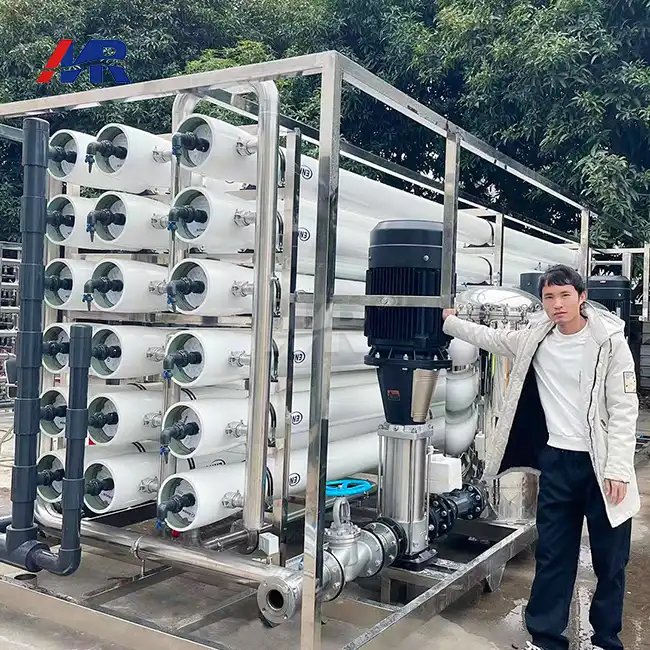 VIEW MORE100m3/hour reverse osmosis system
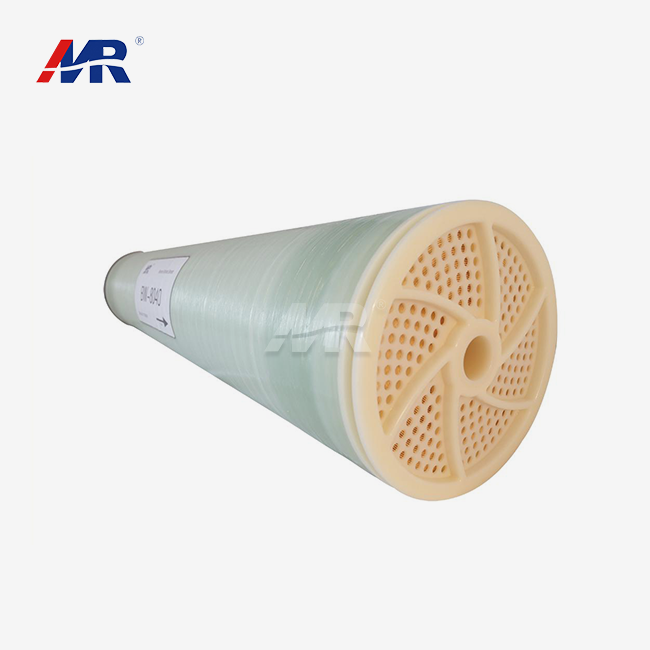 VIEW MOREbrackish membrane
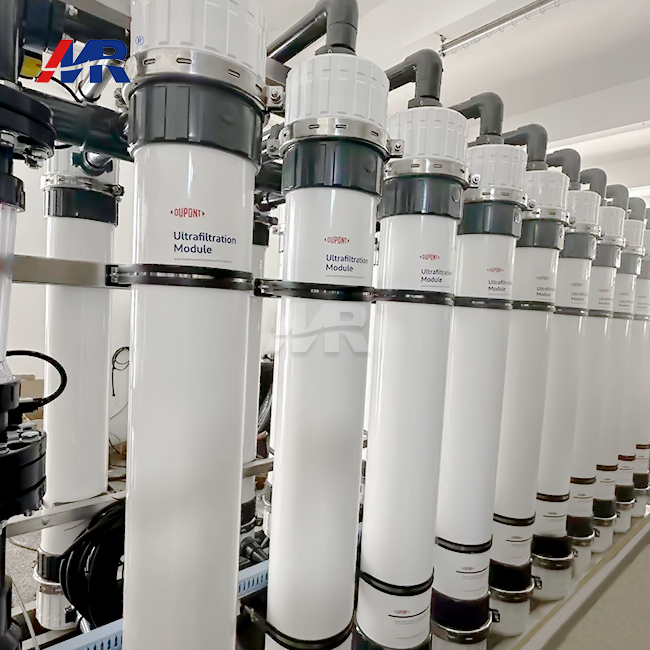 VIEW MOREultrafiltration water treatment system
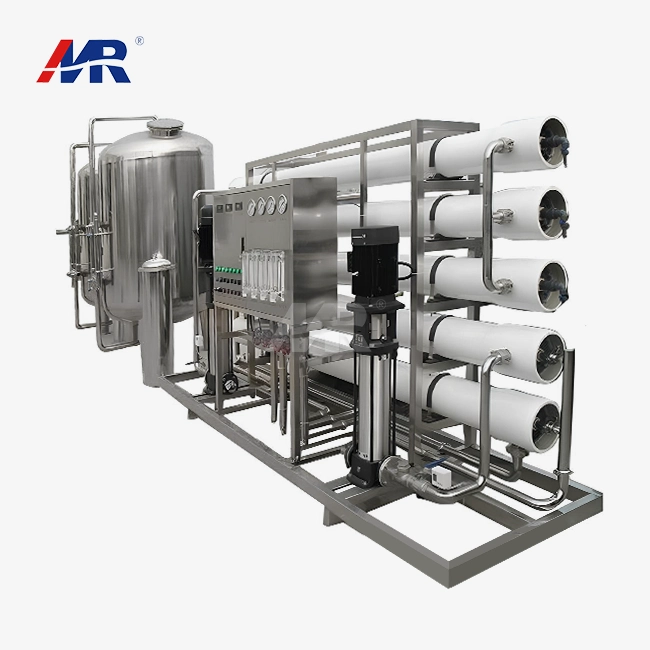 VIEW MOREbrackish water reverse osmosis
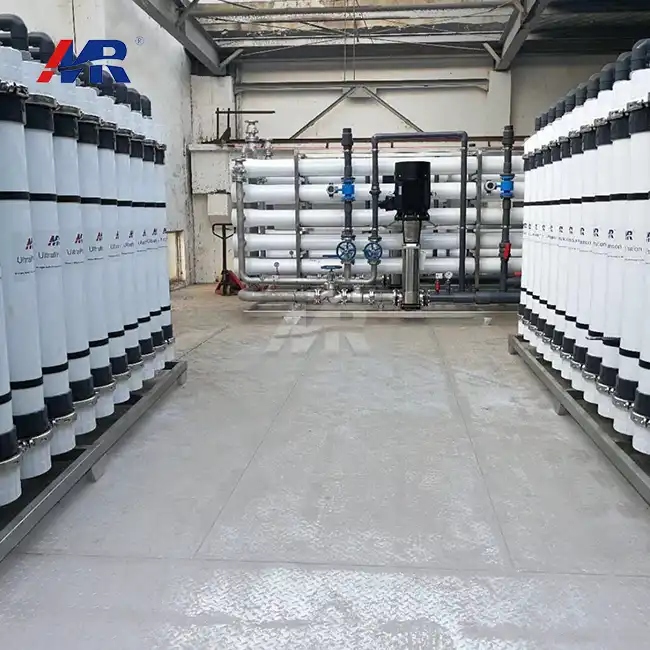 VIEW MORE2000m3/day ultrafiltration equipment
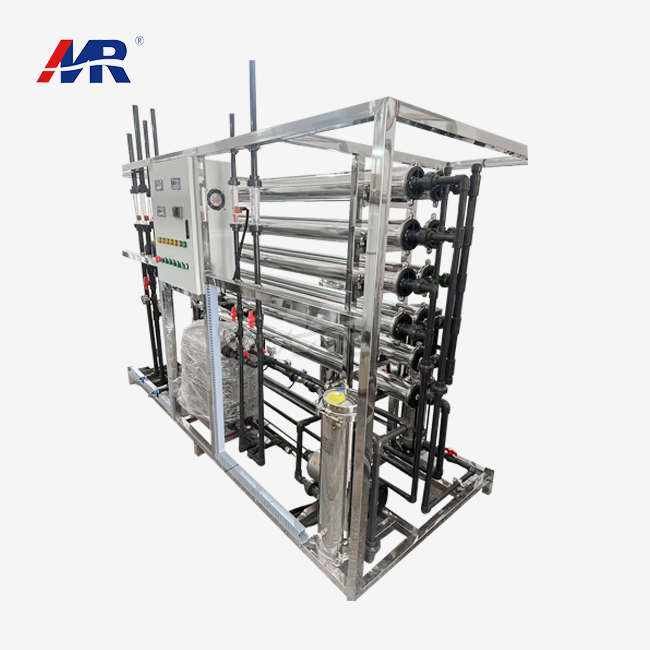 VIEW MOREedi system in water treatment
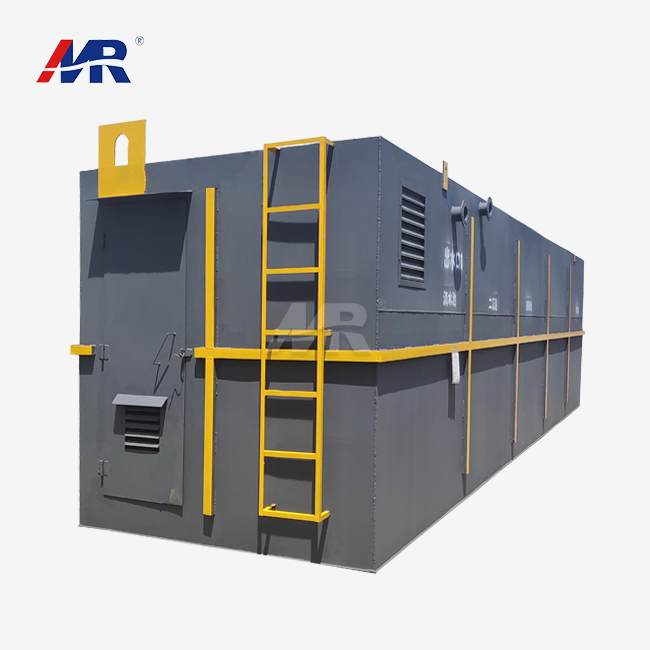 VIEW MOREhome wastewater treatment plant
 VIEW MOREElectrodeionization system
