_1745823981883.webp)

With its exceptional water purification capabilities, membrane/80-40-ro-membrane">reverse osmosis membrane technology is expected to become a crucial component of many different sectors by 2025. Reverse osmosis membrane technology is used in manufacturing, pharmaceuticals, municipal utilities, and agriculture to guarantee that salts, solutes, and contaminants are removed in accordance with strict criteria. The ways that new developments in membrane materials, system architecture, and operational techniques may enhance filtration effectiveness, lower fouling, and make sustainable water treatment solutions possible are thoroughly examined in this handbook. It will be easier for decision makers to maximize future water treatment procedures if they are aware of the subtleties of today's reverse osmosis membranes.

Understanding Reverse Osmosis Membranes: Core Principles and Mechanisms
Reverse osmosis membranes use a pressure-driven separation method with a semipermeable membrane to filter water molecules while hanging on to dissolved salts and other impurities. When outside pressure is greater than the basic osmotic pressure difference, pure water can pass through the membrane but solutes stay put. Improvements in membrane module design and material science have made it much easier for solutes to pass through. This means that salt can be removed effectively and water can be cleaned. This idea is at the heart of modern technologies used to treat water, like salty water treatment and desalination plants.
Cross-Industry Applications: Why Reverse Osmosis Membranes Will Be So Important in 2025
Because they can be used in so many different ways, reverse osmosis membranes are essential to many businesses. They make sure that processed water is clean in the food and beverage business, which is important for making bottled water and drinks. To meet strict GMP standards for clean water, the pharmaceutical and laboratory industries use ultrafiltration along with reverse osmosis filters. For chip cleaning, the semiconductor industry relies on ultrapure water systems that use both reverse osmosis and electrodeionization (EDI). To improve the quality of the water, municipal utilities replace drinking water plants with better filters. Even petrochemicals and farmland use reverse osmosis to clean up water that is used for reinjection or watering that is too salty.
Key Innovations in Reverse Osmosis Membrane Technology in 2025
Recent progress has solved problems from the past, like membrane fouling and lower filtering efficiency. Improved cleaning methods lower particulate and organic loads, and new surface treatments make membranes less likely to foul. This makes the membranes last longer. Concentration polarization is kept to a minimum with cross-flow filtration, which cleans the membrane surface all the time. In high-pressure devices, new hybrid materials use less energy because they are durable and let more fluids pass through them. When you combine nanofiltration and ion separation modules, you can get options that are tailored to your unique water treatment needs.
Choosing the Right Reverse Osmosis System for Your Industry Needs
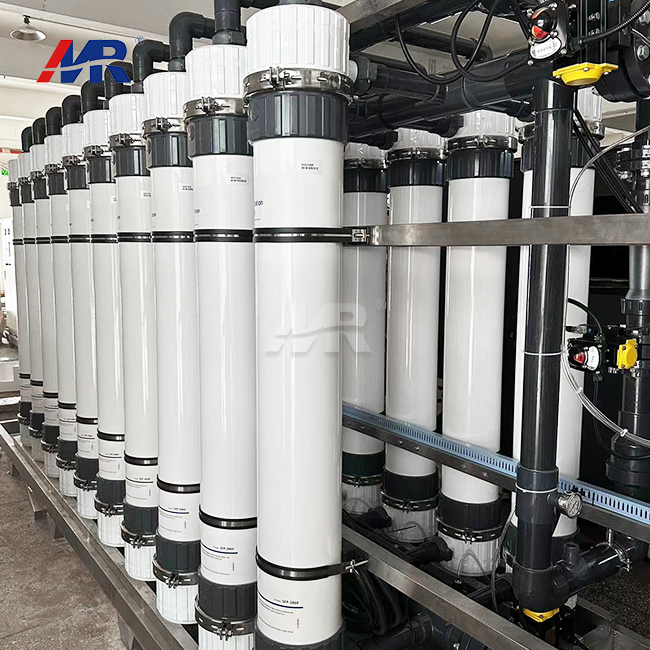
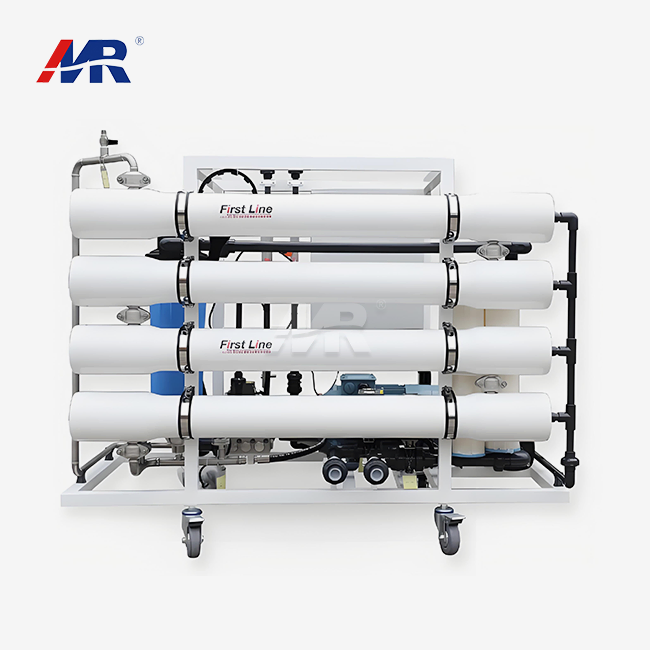
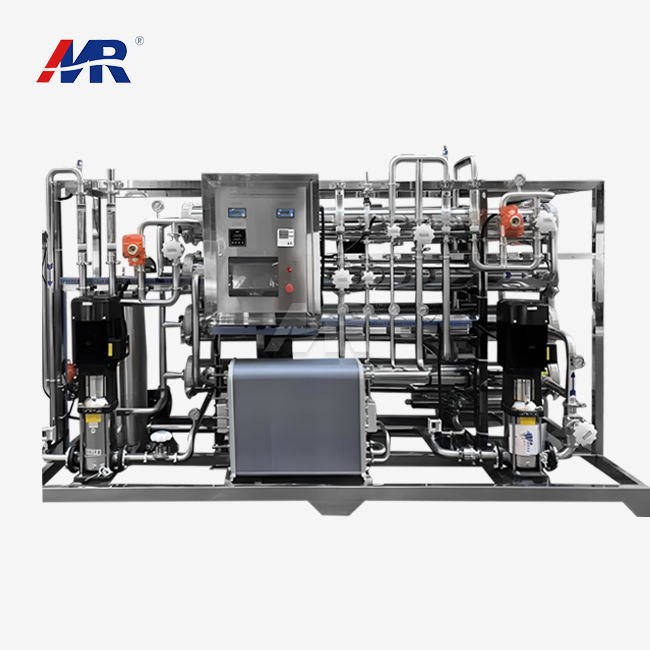
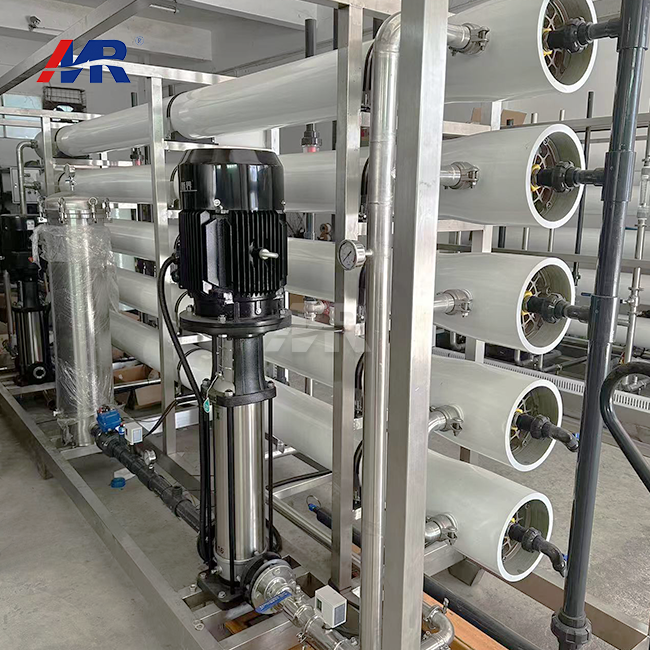
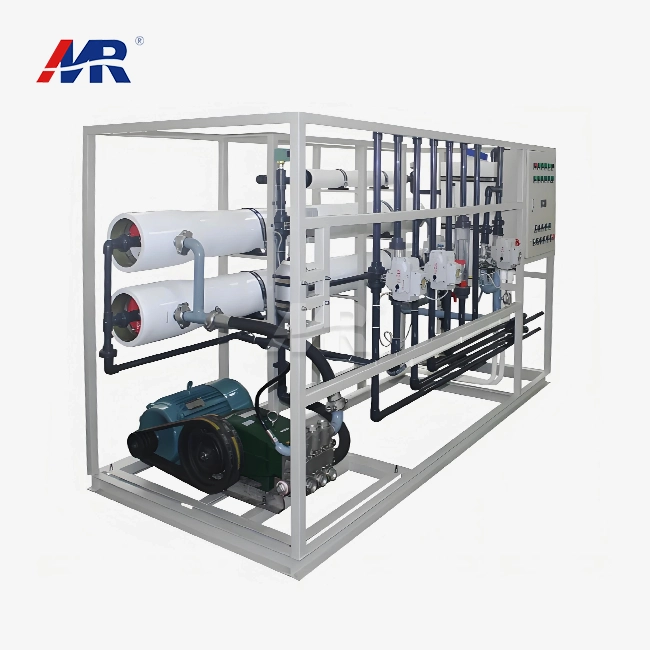
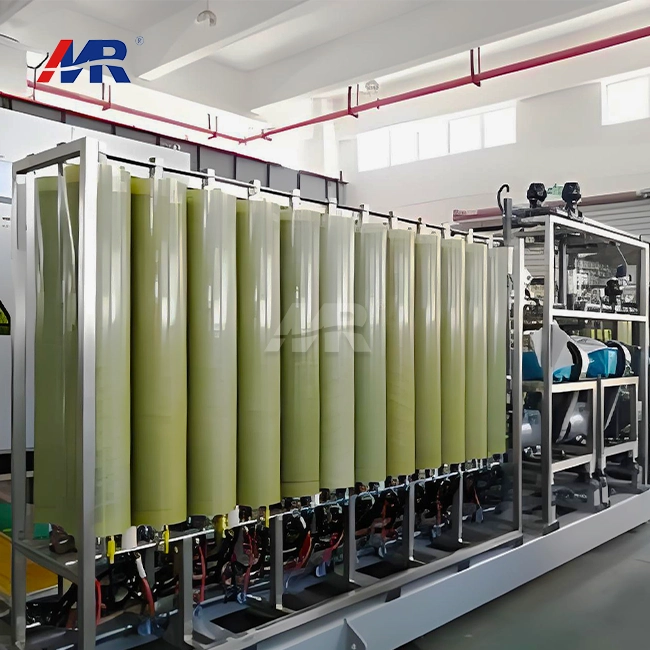
System choice is based on the features of the source water, the quality of the water that is wanted, and the working conditions. To make a good reverse osmosis system, you need to look at the saltiness, contamination, and preparation process needs of the feedwater. There are three different types of reverse osmosis membrane modules: spiral-wound, hollow fiber, and tube. Each type is best for a different scale and fouling potential. People who make decisions should think about long-term upkeep, different ways to clean, and the chance of recovering and using concentrates again. Customized solutions from sellers with a lot of experience can help with problems that are unique to your business and make filtration more efficient overall.
Best Practices for Maximizing Reverse Osmosis Membrane Performance
To keep things running at their best, differential pressure, feed quality, and flow rate need to be checked on a regular basis. If you use a good membrane cleaning program that is based on the type of fouling (organics, scaling, or biofouling), you can stop damage that can't be fixed. Using monitors and control systems that work in real time makes sure that performance problems are found quickly. When operators are properly trained, systems are more reliable and last longer. Using cross-flow filtration dynamics and keeping the concentration gradient fixed lowers the osmotic pressure on the membrane. This lets the water treatment quality stay the same, and energy costs go down.
The Environmental and Economic Impact of Reverse Osmosis Membrane Technology
As the need for water decreases, reverse osmosis membrane technology is making a big difference in the long-term control of water resources by allowing desalination of seawater and recovery of wastewater. Membrane technology makes us less reliant on water resources and helps the cycle economy by recovering resources. Initial investment and running energy use are still things to think about, but as technology keeps getting better, prices keep going down, and return on investment keeps getting better. Reverse osmosis systems that work well make it easier for businesses to follow environmental rules. This keeps them from getting fined and improves their corporate social responsibility.
Why Choose Guangdong More Environmental Technology for Your Reverse Osmosis Needs?
Different businesses can get options that are made just for them from Guangdong More Environmental Technology Co., Ltd. More makes sure that its Products are reliable and of high quality by having over 500 workers, 21 experts, and factory-direct membrane production. With 14 locations and partnerships with top brands like New Territory Pumps and Runxin Valves, we can provide our customers with a complete, all-in-one service, from supplying equipment to setting it up and starting it up. Because Morui has experience in areas like farmland, pharmaceuticals, public utilities, and semiconductors, you can trust us to help you improve and make the most of your water treatment systems.
Conclusion
In 2025, reverse osmosis membranes will be the standard in water treatment technology, propelling innovation and sustainability in all kinds of sectors. Thanks to developments in materials and system design, as well as their exceptional separation capabilities, they are essential in solving the problems associated with the world's water resources. Return on investment (ROI) from reverse osmosis membranes may be maximized with proper selection, operation, and maintenance. Guangdong Morui, as a reverse osmosis membranes manufacturer, provides personalized service and extensive knowledge to meet the specific water treatment demands of each customer.
Where to Buy Reverse Osmosis Membranes?
To get consistent water purification, it's important to find a trusted reverse osmosis membrane provider. Guangdong Morui Environmental Protection Technology Co., Ltd. is a leader in its field and offers top-notch screens and full system options. You can use Morui's personalized goods for a lot of different tasks, from treating brackish water to advanced ultrapure water uses. To discuss your project or request a quote, please contact us at benson@guangdongmorui.com. Visit moruiwater.com to learn more about our Reverse Osmosis Membranes products and services.
References
1. Sadrzadeh, M. and Qasim, M. (2023). Advances in Reverse Osmosis Membrane Technology: Materials, Fouling Mechanisms, and Engineering Solutions. Journal of Water Process Engineering.
2. Kumar, P. and Singh, R. (2022). Applications of Ultrafiltration and Reverse Osmosis in Purified Water Production for the Pharmaceutical Industry. International Journal of Pharmacy.
3. Wang, L., & Chen, G. (2024). Cross-Flow Filtration Dynamics and Membrane Fouling Control in Modern Water Treatment Systems. Membrane Science and Technology.
4. Lopez, M., & Fernandez, J. (2023). Environmental and Economic Benefits of Membrane Desalination for Coastal Cities. Journal of Water Research.
5. Garcia, H., & Patel, S. (2021). Optimizing Pretreatment Processes to Extend Reverse Osmosis Membrane Life. Desalination and Water Treatment.
6. Chen, Y., & Zhao, X. (2024). Advanced water purification applications of integrated nanofiltration and reverse osmosis technology in semiconductor manufacturing. Journal of Industrial Water Systems.