_1745823981883.webp)

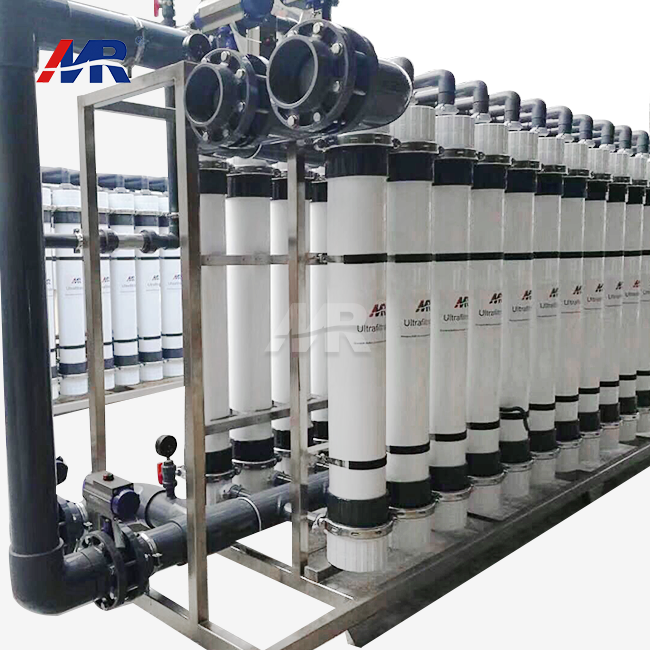
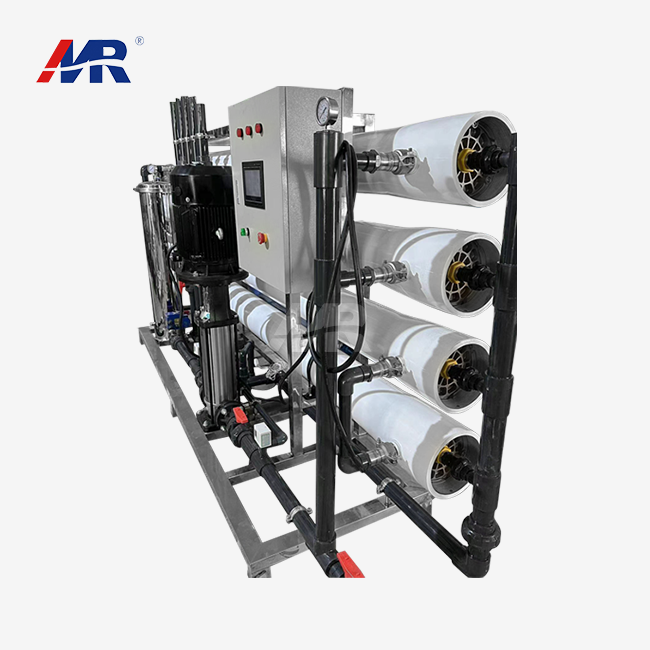
If you're looking to secure the immaculateness of your family's water, understanding the nuances of a membrane/reverse-osmosis-membrane">Reverse Osmosis Membrane is essential. This semi-permeable film plays an essential role in water filtration by filtering out broken-up solids, contaminants, and salts, passing on clean and safe water. Selecting the best film ensures tall salt rejection, perfect flux rate, and long-term execution that suits your specific water quality needs for residential.

Understanding What a Reverse Osmosis Membrane Does
The reverse osmosis membrane is the most important part of any reverse osmosis system. It is a thin, partially transparent barrier that is meant to remove contaminants from your feedwater. It stops germs, chemical toxins, and total dissolved solids (TDS) from moving through the concentrate stream while letting water molecules pass through. Crossflow filtering is a process that keeps moving pollution away from the membrane surface so that they don't build up and stop working properly. High-quality membranes are made of modern polymer materials that are needed to turn brackish water, seawater, or even tap water into clean drinking water that can be used for business, industry, and home. These membranes also have better salt rejection rates and last longer.
Key Factors to Consider in Membrane Selection for Home Use
Choosing the right layer incorporates evaluating distinctive technical parameters to meet your household's specific water profile and day by day utilization needs. The weight vessel compatibility, reverse osmosis membranes flux rate, and, by and large, the setup all directly affect system efficiency and surrender quality. Studying feedwater characteristics—such as TDS levels, hardness, and microbial presence—determines whether a standard ro membrane or a specialized nanofiltration film is more appropriate. Pretreatment measures, tallying sediment channels or activated carbon cartridges, can basically prolong the membrane's life expectancy by lessening fouling and scaling threats. Too, understanding osmotic weight prerequisites and selecting a film with the right weight strength ensures relentless operation, solid filtration execution, and perfect water recovery without straining the pump or diminishing system unflinching quality.
Different Types of Reverse Osmosis Membranes and Their Benefits
Film innovations have advanced, advertising varieties custom-made to particular utilize Cases. Reverse osmosis membranes stand out for tall salt dismissal and stability, making them great for domestic filtration. Cellulose triacetate films stand up to chlorine but may degrade speedier quickly without legitimate support. A few films are designed for particular feedwater sources, like brackish or seawater, which require higher salt removal and resistance to unforgiving chemicals. Progressed layers join antimicrobial properties or anti-fouling coatings, decreasing support and guaranteeing water purity over time. Selecting the fitting layer sort is fundamental for life span and ideal execution in household settings.
Signs You Need to Replace Your Reverse Osmosis Membrane
Indeed, the best films encounter progressive wear and execution decrease over time. A discernible drop in saturated stream rate, abnormal taste, or obnoxious odor in your drinking water regularly demonstrates that the reverse osmosis membranes are no longer sifting successfully. Rising TDS levels or cloudy water are extra signs of diminished salt removal productivity. Film fouling from mineral scaling, dregs buildup, or microbial development can clog pores and strain the weight vessel, leading to higher working weights. Intemperate concentrate squander or visit framework shutdowns can also propose layer weariness. Performing scheduled water quality tests and checking weight differentials offers assistance in distinguishing issues early. Supplanting the film at the right time guarantees your turn around osmosis framework proceeds to provide secure, great-tasting water while keeping up vitality effectiveness and in general framework execution.
Practical Tips to Maintain Your Reverse Osmosis System
Appropriate upkeep shields your venture and guarantees steady water quality over time. Schedule pretreatment, considering convenient substitution of silt and carbon channels, minimizes the stack of contaminants, which sometimes recently reach the reverse osmosis membranes. Flushing the framework occasionally makes a difference in diminishing scaling, bacterial development, and biofilm collection, which can something else lower the membrane's flux rate and proficiency. Routinely observing pre-filter changes, water weight, and TDS levels gives early caution signs of execution decay. Keeping up the manufacturer-recommended working weight avoids surpassing osmotic limits that might harm the layer structure. Keeping your family RO framework clean through planned sanitation not as it were ensures a consistent supply of new, great-tasting water but also upgrades generally energy efficiency, maintains stream consistency, and prolongs the life expectancy of basic components.
Why Choose Guangdong Morui Environmental Technology for Your Reverse Osmosis Needs?
Guangdong Morui Environmental Technology Co., Ltd. specializes in complete water cleaning options for homes and businesses of all kinds. We know a lot about everything from desalinating seas to cleaning up wastewater from factories to installing drinking water systems in homes. We offer high-quality reverse osmosis membranes that are built to last and do a great job of rejecting salt. We have over 14 branches, 500 skilled workers, and our own way of making membranes. Because they want you to have the cleanest water possible, our engineers make sure that the installation and service after the sale go smoothly. You can count on Morui to provide solutions that are reliable, quick, and cost-effective, backed by the most experience in the business.
Enhancing Your Household Water Purification Experience
You can directly affect your home's water safety, cleanliness, and taste by choosing to buy a good reverse osmosis membrane. Understanding basic ideas like treating feedwater, rejecting salt, and membrane fouling helps homes choose or improve their RO systems. By working with a trustworthy company like Morui, you can get approved parts, expert advice, and solutions that are specially made for your water conditions. Their commitment to quality control and customer service guarantees dependable results and long-term value. While keeping the system efficient and long-lasting, this mix not only boosts your trust in your water purification system, it also gives you peace of mind every day, knowing that your family is drinking water that is crystal clear and tastes great.
Conclusion
It takes both technical knowledge and real-world experience to choose the best Reverse Osmosis Membrane for home use. Systems work better and clean water is better when they focus on membrane quality, the right type, and well-planned upkeep. Expertise and specially made goods from a reverse osmosis membranes supplier, Guangdong Morui Environmental Technology, are ready to help you on your way. Choose a membrane option that is made to fit the needs of your family and your home to feel safe using clean water.
Where to Buy Reverse Osmosis Membrane?
If you want the best Reverse Osmosis Membrane and the best service, Morui is the company you should work with. For both home and business users, our full range of services includes modern membrane technology, professional installation, and ongoing assistance. Contact us right away to talk about options that will meet all of your water cleaning needs. Contact us at benson@guangdongmorui.com and enhance your water quality journey with Guangdong Morui Environmental Technology. For details, please refer to the website: moruiwater.com
References
1. “Fundamentals of Membrane Filtration for Water Treatment” by Nidal Hilal, Grazia Lo Scrudato
2. “Water Quality and Treatment: A Handbook on Drinking Water” by American Water Works Association
3. “Reverse Osmosis: Membrane Technology” edited by Kenneth Huges
4. “Advances in Water Treatment and Pollution Prevention” by Anand Mohan
5. “Membrane Technology and Applications” by Richard W. Baker
6. “Principles of Water Treatment” by Kerry J. Howe and David W. Hand