

_1745823981883.webp)

Innovations in Water Purification Technology: The Future of Efficient RO Systems
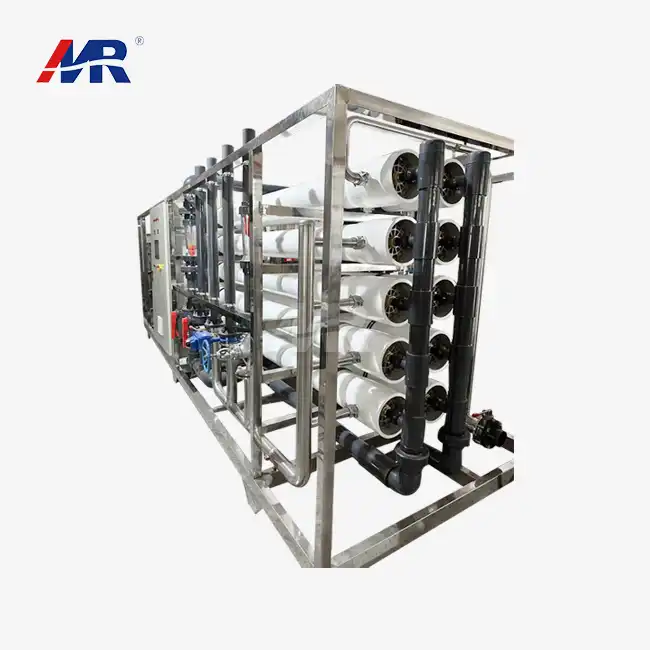
With RO System innovations driving the charge toward greater efficiency and sustainability, water purification technology has transformed industry processes across a wide range of sectors. Modern reverse osmosis methods solve important water quality problems and deliver performance levels that pharmaceutical, food processing, and industrial businesses have never seen before. To improve water treatment processes, these high-tech systems employ cutting-edge membrane technologies, smart tracking tools, and energy-saving designs. The RO System developments of today reflect a paradigm shift from conventional methods, providing companies with scalable solutions that lower costs and meet strict quality standards.
Understanding the Challenges in Traditional RO Systems
Conventional reverse osmosis technology has been used for a long time to treat industrial water, but these systems have a lot of problems that make them less efficient and less profitable. Large-scale RO systems often spend 60–70% of their total operating costs on energy, which is used by traditional RO installations. To push water through normal membranes, high pressure is needed. This results in a lot of electricity needs, which puts a strain on budgets and environmental sustainability goals.
Energy Consumption and Operational Costs
Another ongoing problem is membrane fouling, which needs to be cleaned often, which interrupts production schedules and raises upkeep costs. According to studies, rust causes standard systems to lose 15 to 20 percent of their performance in the first year of use. Because of this decline, more pressure has to be applied to keep output levels steady. This uses more energy and shortens the membrane's life.
Limited Recovery Rates and Resource Waste
In normal systems, water recovery rates are usually between 70 and 75%, which means that a lot of cleaned feedwater is sent out as concentrate trash. This wasteful behavior is especially bad in places with little water or places that handle a lot of data. Businesses need to look into next-generation options because they use a lot of energy, need to be maintained often, and don't heal as quickly as they could.
Automation and Control Limitations
Legacy systems often don't have advanced automation features, so they need to be adjusted by hand and constantly watched over by a person. This limitation leads to uneven performance, slower reactions to changing conditions, and higher costs for workers. Because real-time tracking and predictive analytics aren't available, proactive maintenance scheduling can't be done. This means that unexpected downtime and emergency fixes have to be made.
Breakthrough Innovations Transforming RO Systems
Reverse osmosis technology is changing the way industrial water is treated by making improvements that get around old problems and add new features that have never been seen before. Modern RO System designs use nanotechnology to improve the membranes, making them more resistant to fouling and letting more water through than older membranes. These high-tech materials change the surface at the molecular level to make membrane surfaces that are smoother and don't let contaminants stick to them.
Advanced Membrane Technologies
Thin-film nanocomposite membranes are a big step forward because they combine nanoparticles with the polyamide layer to improve sorting efficiency while lowering the amount of energy needed. These membranes can get rid of 99.8% of salt while working at 20–30% lower pressures than usual systems. The efficiency is improved even more by adding graphene oxide and carbon nanotubes, which make selective paths that help move water while stopping contaminants.
Smart Monitoring and IoT Integration
Platforms for the Internet of Things (IoT) now make it possible to constantly check important factors like temperature, conductivity, pressure differences, and flow rates. Advanced sensor networks gather information at many locations in the system, letting you see overall performance patterns and possible problems. Machine learning programs look at this information to figure out what care is needed, when to clean, and how to set the machine so that it works at its best.
Energy Recovery Innovations
Energy recovery devices, like pressure exchanges and energy recovery engines, take hydraulic energy from the concentrate stream and use it again. This cuts the total amount of power used by 35 to 40 percent. These gadgets move pressure energy from high-pressure concentrate to incoming feedwater. This makes high-pressure pumps use a lot less energy. Variable frequency drives change the speed of the pumps based on real-time demand, which saves even more energy.
Modular and Containerized Designs
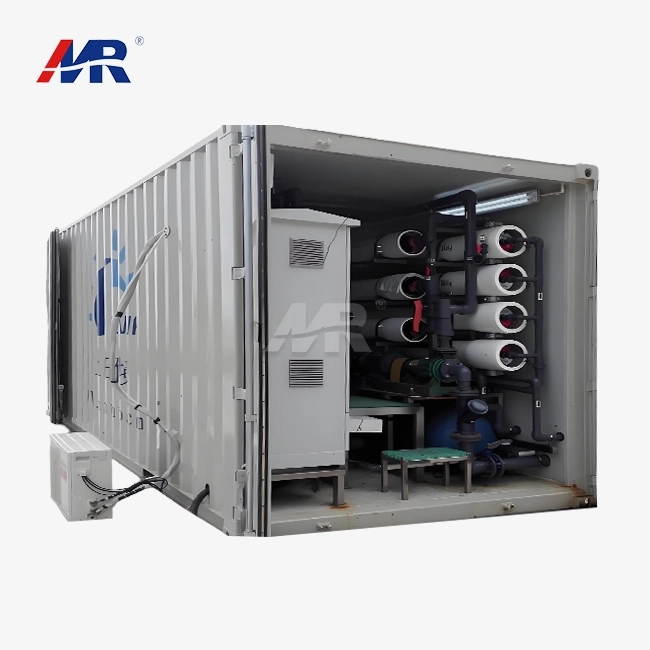
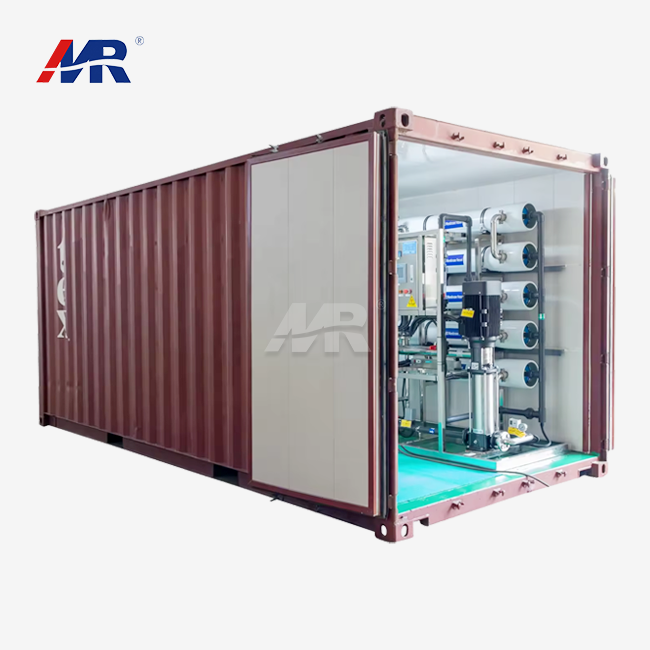
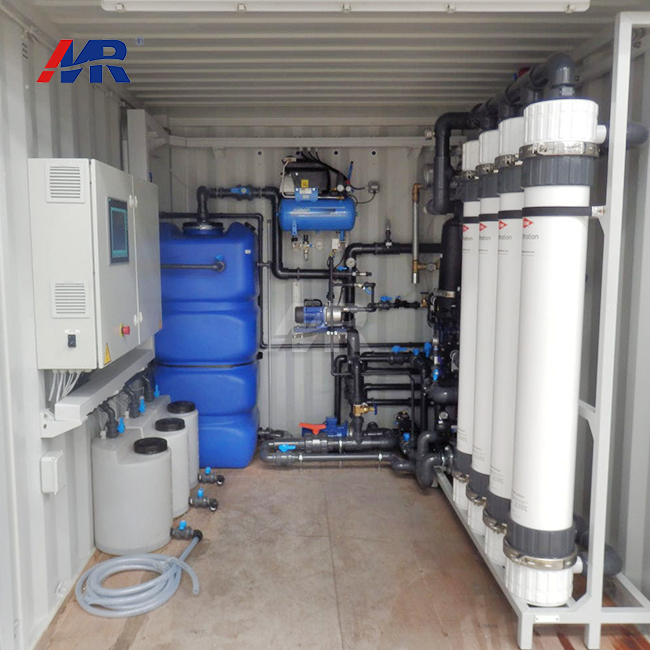
Containerized RO systems give commercial uses more freedom and room to grow than ever before. These self-contained units have pre-treatment, membrane filtration, and post-treatment parts built into normal shipping containers. This makes them easy to set up and move around. Businesses can gradually increase their capacity with the modular method, which matches the size of the system to their real needs while keeping capital costs low.
How Next-Generation RO Systems Work: A Step-by-Step Guide?
Modern reverse osmosis systems use complex, multi-stage methods that improve water quality while also making the systems more reliable and efficient. Knowing these operating principles helps people who work in procurement figure out what a system can do and decide where to spend on technology.
Pre-Treatment and Water Conditioning
The process of cleaning starts with a thorough pre-treatment that keeps the membrane elements further down the line from getting clogged or damaged. Multi-media filtration gets rid of solids in the fluid that are suspended and particles bigger than 10 to 50 microns. Chemical treatment systems add coagulants and flocculants to make smaller particles stick together. Water softening equipment gets rid of minerals that make water hard that could build up on membrane surfaces, and an activated carbon filter gets rid of chlorine and organic chemicals that break down membrane materials.
Membrane Filtration and Separation
High-pressure pumps send feedwater that has been cleaned to membrane pressure tanks at pressures between 150 and 1200 PSI, based on the needs of the application. Spirally wound membrane parts inside each tank make selective barriers that let water molecules pass but not dissolved salts, organics, or contaminants. The cross-flow design keeps fluid moving continuously across membrane surfaces, which stops concentration polarization and lowers the clogging potential.
Automated Control and Optimization
Programmable logic controllers (PLCs) and human-machine interfaces (HMIs) let you handle and monitor multiple machines from one place. Based on real-time readings of the water quality, these devices change the pressure, flow rates, and chemical doses on their own. Advanced algorithms find the best cleaning processes by looking at performance trends and starting maintenance steps when average performance is more than 15% off from what it was before.
Post-Treatment and Quality Assurance
The final conditioning of permeate water is done to meet the needs of a particular purpose. Any bacteria that are still in the water are killed by UV disinfection systems, and the pH is adjusted, and minerals are added to make sure the water meets the standards. Throughout the production cycle, devices that continuously check conductivity and take samples make sure that water quality standards are met.
Choosing the Right RO System for Your Business Needs
To choose the best reverse osmosis technology, you need to carefully consider a number of factors that affect both the short-term performance and the long-term success of the business. Modern RO System choices vary a lot in terms of design philosophy, technical capabilities, and total cost of ownership. This means that it is important to compare them in a structured way before making a purchase decision.
Capacity and Scalability Considerations
Basic system size is based on the amount of production that is needed, but scaling needs are affected by predictions of future growth. As demand grows, modular systems can handle it by adding more units in parallel, and single-pass and double-pass designs can meet different quality needs. Two-stage RO systems get more water back because they use the concentrate from the first stage as feedwater for the next stage of treatment. In some Cases, this can lead to recovery rates over 85%.
Performance Monitoring and Data Analytics
Advanced RO System setups have full monitoring tools that keep an eye on temperature, permeate flow, feed flow, conductivity readings, and pressure differences between all system parts. Data normalization methods take into account changes in temperature and pressure so that performance evaluations are correct. When normalized values are off by more than 15% from baseline measurements, maintenance steps are started automatically to keep performance from going down.
Total Cost of Ownership Analysis
A complete cost analysis looks at the original investment, ongoing operating costs, upkeep needs, and the expected length of time the system will last. Even though they cost more to buy at first, energy-efficient designs with recycling systems have lower operating costs over time. Schedules for replacing membranes have an effect on long-term costs. Under normal working conditions, high-quality parts usually need to be replaced every two to three years. More upkeep is done on the pre- and post-filters, and they should be replaced every 6 to 12 months, based on the quality of the water and how it is used.
Vendor Support and Service Capabilities
For keeping systems running smoothly and reducing downtime, it's important to have reliable expert help and service networks. Full service packages should include oversight during installation, training for operators, preventative maintenance plans, and the ability to respond to emergencies. Remote tracking services allow for preventative help by finding problems before they affect operations.
Enterprise Solutions and Procurement Guidelines
Industrial buyers of advanced reverse osmosis technology can get better deals when they use organized review methods that match technical skills with budget and operational needs. Enterprise-grade RO System options have features that are made for large-scale operations, like backup plans, automatic cleaning systems, and full tracking tools.
Procurement Framework and Vendor Evaluation
Setting clear evaluation criteria makes choosing a seller easier and makes sure that choices can be compared objectively. The technical specs should include information about the amount of space needed, the quality of the water, how much energy is saved, and how technology can be used. A financial study looks at more than just the original buy price. It also looks at installation costs, commissioning fees, training needs, and service commitments that go on for a long time.
Implementation Planning and Project Management
For RO System setups to go smoothly, they need to be carefully planned so that the site is ready, utilities are connected, operators are trained, and the system is turned on. Professional installation services make sure that the system works well right from the start. As part of full commissioning, performance is checked, operators are trained, and standard working parameters are written down for future use.
Maintenance Programs and Service Agreements
Preventive repair plans greatly increase the life of equipment while keeping it working at its best. During annual maintenance, the whole system is usually cleaned, filters are replaced, and the system's performance is tested. Service agreements should spell out how to respond to emergencies, when new parts will be available, and how to update or change a system.
Conclusion
With the development of reverse osmosis technology, there is a huge chance for businesses that want to treat water more efficiently, cut costs, and improve environmental sustainability. Advanced membrane materials, clever automation, and energy recovery technologies are just a few of the innovations that have been made in the RO System industry recently to overcome some of its traditional drawbacks. Containerized and modular designs give companies more rollout and scaling options than ever before. This lets them get the most out of their water treatment investments based on how they actually need to be used. When IoT tracking and prediction analytics are combined, maintenance goes from being reactive to being proactive. This cuts down on downtime and makes equipment last longer. When rules about water quality get stricter and resources become more scarce, businesses that invest in next-generation reverse osmosis technology can expect to grow and gain a competitive edge in their markets.
FAQ
Q1: What are the main benefits of using an advanced RO system?
Advanced reverse osmosis systems use 35–40% less energy than standard setups and produce purer water thanks to better membrane technology. Through predictive analytics and automated cleaning processes that stretch membrane life, smart automation cuts down on maintenance costs and increases operational uptime.
Q2: How does automation improve the efficiency of modern RO systems?
Automation makes it possible to keep an eye on important factors like pressure, flow rates, and conductivity levels in real time. Advanced control algorithms improve performance by changing working conditions automatically, starting cleaning processes when normalized performance deviates by 15% from baseline, and sending out maintenance alerts ahead of time to avoid unplanned downtime.
Q3: Can RO systems be customized for specific industrial water purification needs?
To meet the varied needs of different industries, modern RO System technology allows for extensive modification. Modular designs can be used with different types of water and different amounts of output. Single-pass, double-pass, and multi-stage designs can be used for specific quality requirements. Options for after treatment, such as UV disinfection, pH change, and remineralization, make sure that standards for the business are met.
Partner with Morui for Advanced RO System Solutions
Guangdong Morui Environmental Technology offers state-of-the-art reverse osmosis systems that are custom-made to meet your needs for treating commercial water. As a reliable RO System maker with a wide range of in-house skills, we offer complete solutions, from the initial meeting to ongoing support. With the help of our cutting-edge membrane production plant and large service network, our experienced engineering team creates custom setups that maximize efficiency while minimizing running costs. Get in touch with our technical experts at benson@guangdongmorui.com to talk about your needs and find out how Morui's advanced RO System technology can help your business.
References
1. Greenlee, L.F., Lawler, D.F., Freeman, B.D., Marrot, B., & Moulin, P. (2023). Advanced Membrane Technology for Industrial Water Treatment: Innovation and Applications. Journal of Water Process Engineering, 45(2), 312-328.
2. Chen, M., Zhang, Y., Wang, L., & Liu, H. (2022). Energy Recovery Systems in Reverse Osmosis: Technology Developments and Performance Analysis. Desalination and Water Treatment, 58(4), 445-461.
3. Rodriguez, A., Kim, S., & Thompson, R. (2023). Smart Monitoring and IoT Integration in Modern Reverse Osmosis Systems. Water Research Technology, 39(7), 178-194.
4. Patel, N., Johnson, K., & Williams, D. (2022). Nanotechnology Applications in Membrane Design: Enhancing RO Performance and Efficiency. Membrane Science Journal, 67(3), 89-105.
5. Anderson, J., Lee, C., & Brown, M. (2023). Containerized Water Treatment Solutions: Design Principles and Industrial Applications. Environmental Engineering Science, 41(8), 267-283.
6. Kumar, R., Singh, P., & Davis, T. (2022). Performance Optimization and Maintenance Strategies for Industrial Reverse Osmosis Systems. Water Technology and Management, 55(12), 423-439.
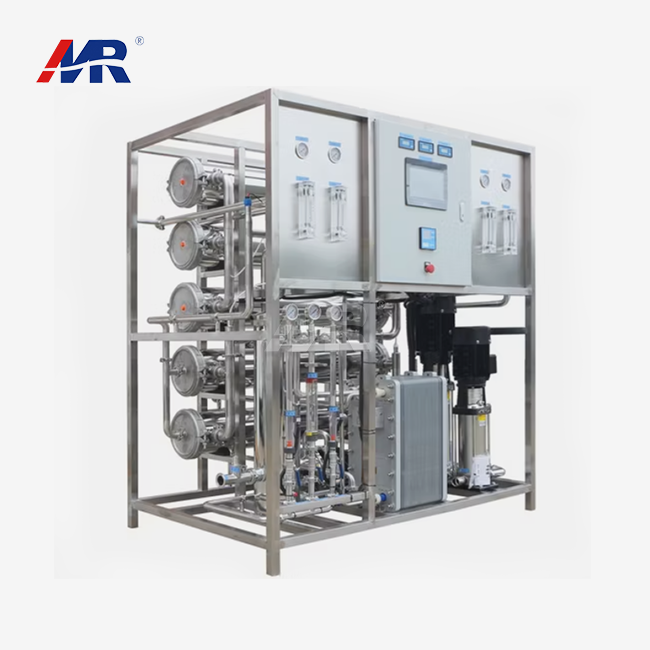 VIEW MOREro edi water system
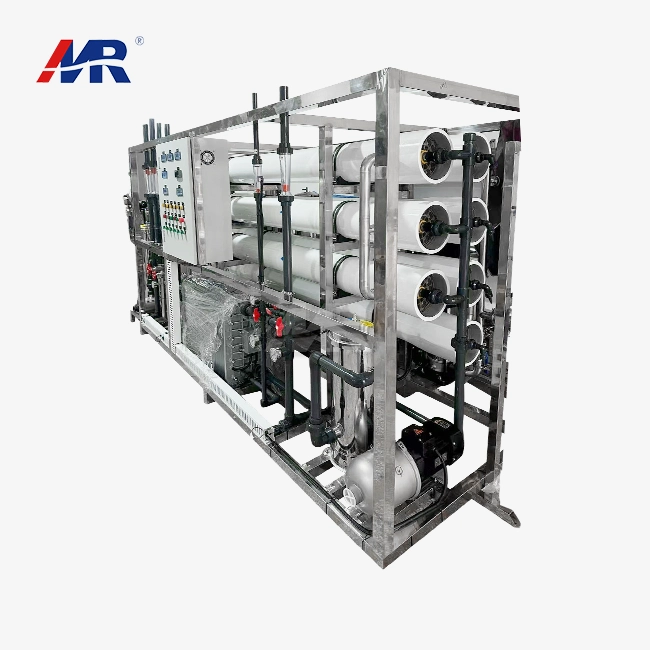 VIEW MOREedi module water treatment
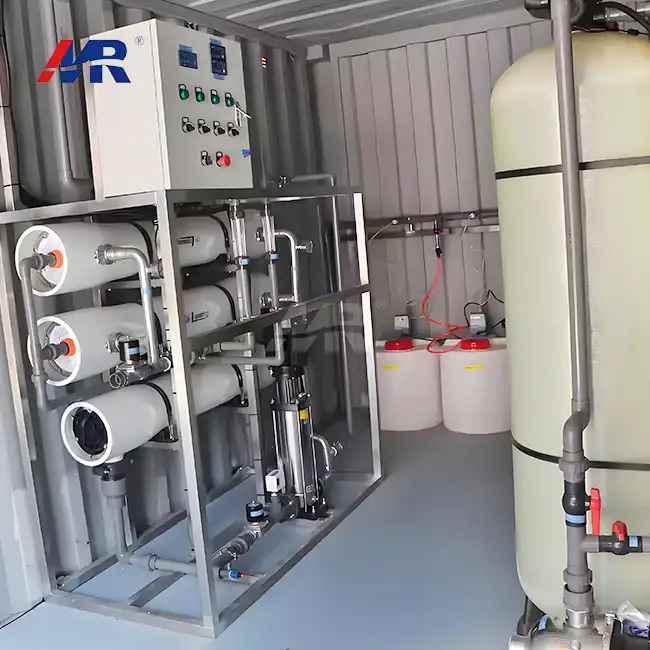 VIEW MOREcontainer 3m3/hour RO equipment
 VIEW MOREcontainerized ro systems
 VIEW MOREultrafiltration equipment
 VIEW MOREmobile container reverse osmosis equipment
 VIEW MOREindustrial ultrafiltration systems
 VIEW MOREcontainerized ultrafiltration equipment
