_1745823981883.webp)

Compact RO Storage Tanks for Office Water: Space-Saving and Efficient
For office managers and building directors who need to make sure that everyone has access to clean, reliable water while also handling limited space, a Compact Storage Tank with a reverse osmosis system is the best option. These new water storage units make great use of space without affecting the quality of the water or the performance of the system. This makes them especially useful in modern offices where space is at a premium and employee health is still a top priority.
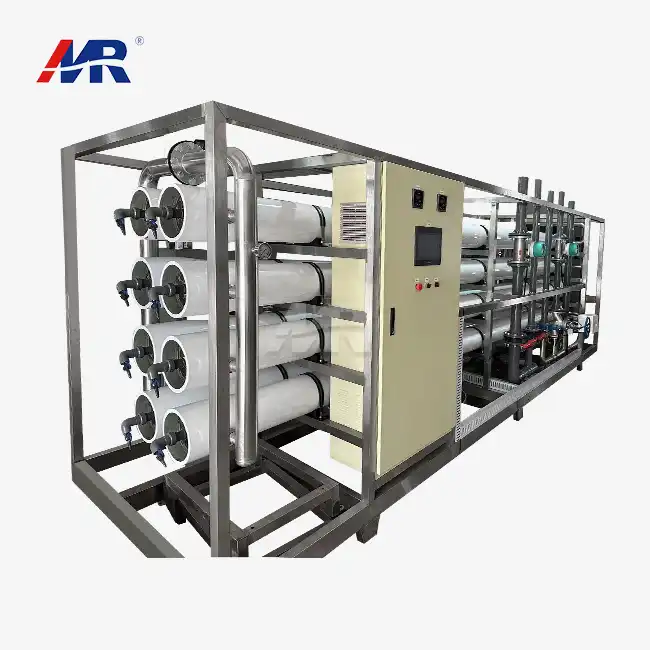
Understanding Compact RO Storage Tanks
Compact reverse osmosis storage tanks are a big step forward in office water management technology. They were made to work in places where space is limited, like most workplaces today. Unlike traditional water storage systems, which are big and bulky, these units fit right into office plans and keep the water quality and flow at their best.
Core Functionality and Design Features
These special tanks work by saving reverse osmosis-filtered, clean water, keeping the pressure steady, and making sure workers can get water right away when they need it. The physics behind compact tanks is all about getting the most stored space into the smallest possible space. Most of them have clever bladder systems inside that keep stored water separate from pressured air. This keeps the water from getting dirty and keeps the flow rates at their best.
Modern small tanks are usually made of food-safe materials like plastic or stainless steel. This makes sure that the water safety meets NSF and FDA standards. Their flexible design lets you set them up in both vertical and horizontal ways, so they can be used in a variety of office spaces, such as utility closets, break rooms, and areas just for equipment.
Integration with Office Water Systems
Compact reverse osmosis storage tank RO holding tanks are great for offices because they can be easily integrated into existing systems. These units can be connected directly to existing reverse osmosis systems to make a complete system for cleaning and storing water that works quietly and effectively. The automatic pressure control makes sure that the water flow is steady, and the system doesn't make the noise or vibrations that come with bigger commercial systems.
Connection choices are also flexible during installation, and most small tanks offer a number of different ways to connect and empty the tank. Because the tanks are flexible, facility managers can add them to current places or build them into new office designs without having to make major changes to the infrastructure.
Key Benefits of Compact RO Storage Tanks for Office Use
Water storage options for offices need to be efficient, reliable, and make the best use of the room. There are many benefits to using small RO storage tanks that directly meet these needs in the workplace and help with both business goals and employee happiness.
Space Optimization Without Performance Compromise
The best thing about small storage systems is that they can hold a lot of water while taking up very little space. Traditional office water tanks may need their own equipment rooms, but small units can often fit in normal utility rooms or can be placed on the wall to free up space on the floor. This use of space effectively is especially useful in city office buildings where rents are high per square foot, and every inch of usable space is worth a lot of money.
Even though they are smaller, compact tanks still perform very well. Most of them can hold between 5 and 50 gallons of water while taking up 60 to 70% less room than standard tanks of the same size. The clever interior design makes sure that the water pressure and flow rates stay the same, which is what busy offices need during peak usage times.
Energy Efficiency and Cost Reduction
Energy use is a very important thing to think about when choosing an office water system, especially for companies that want to be environmentally friendly and keep costs down. Several things about small RO holding tanks help make energy use more efficient. Their better protection keeps energy from escaping, and the optimal pressure systems need to turn on the pumps less often than regular systems.
Because less energy is needed, power costs go down directly. For example, many office buildings that switched to compact storage options saw their water systems use 15–25% less energy. The higher efficiency also means that system parts wear out less quickly, which extends the life of the equipment and lowers the cost of upkeep over the system's working life.
Durability and Material Quality
The quality of the construction is a key factor in how valuable office water storage systems will be in the long run. Modern materials and manufacturing methods are used to make compact tanks that are more durable while still meeting standards for drinkable water. High-quality plastics don't break down in UV light, chemical rust, or bacterial growth, so the water quality stays the same for long periods of time.
Tanks usually come with guarantees that last between 5 and 10 years because they are made with strong materials and use precise manufacturing methods. This gives office managers confidence in their investment. It's less likely that unexpected maintenance costs or system downtime that could mess up office work will happen because it's resistant to common failure modes like stress cracking or seal degradation.
How to Choose the Right Compact RO Storage Tank for Your Business?
When looking for a good small storage option, you need to carefully consider several factors that are unique to the office and your organization's needs. The process of making a choice should take into account both current needs and growth, and practical changes in the future.
Capacity Assessment and Sizing Guidelines
The best Compact Storage Tank volume relies on the size of the office, the number of employees, and how much water is used each day. As a general rule, each employee should have enough space to store 1-2 gallons of water for normal office use. However, this can change depending on things like the temperature, the availability of other water sources, and the way people in the workplace handle water use.
Peak usage research is important for figuring out the right size because many offices have high-demand times like lunch, breaks, and meetings. Tanks that are too small might not be able to keep up the right pressure during these busy times, while tanks that are too big waste room and cost more without offering any real benefits. Professional evaluation tools can help building managers correctly guess how much energy will be used and choose systems that are the right size.
Material Compatibility and Regulatory Compliance
Depending on the water quality in the area, government rules, and company standards, different office settings may need different material factors. Food-grade polyethylene tanks are chemically resistant and cost-effective for most uses. Stainless steel tanks, on the other hand, are more durable and look better in placements that people will see.
Different places and uses have different certification needs. The NSF/ANSI guidelines are generally thought to be the safest way to store water. Tanks should have the right licenses to store drinkable water, and paperwork should be easy to find in case of government checks or insurance needs.
Supplier Evaluation and Support Services
Picking a dependable seller turns out to be just as important as choosing the right tank specifications, especially for businesses that need ongoing help and could grow their systems. Long-term investments are protected by warranties that cover everything, expert help, and the ability to get replacement parts from well-known sources.
When stock setups don't perfectly meet the needs of an office, the ability to customize becomes useful. Reliable providers can change the types of connections, the pressure ratings, or the physical layouts to meet specific installation needs or the needs of integrating with current water systems.
Maintenance Tips and Safety Standards for Compact RO Storage Tanks
Proper care guarantees peak performance, increases the life of equipment, and upholds water quality standards that are necessary in office settings. Knowing what needs to be done for repair helps facility managers plan their resources and set up good operational processes.
Regular Maintenance Protocols
Setting up regular repair plans stops most problems before they happen and keeps the water quality and system reliability stable. Visual checks should be done once a month to look for signs of leaks, read the pressure gauge, and make sure the system is clean overall. These short checks help find problems before they get worse and need expensive fixes, or the whole system breaks down.
Maintenance should be done every three months and should include more thorough pressure tests, link checks, and cleaning of parts that can be reached. Professional maintenance once a year includes a full check of the whole system, which includes checking the inside of the tank, the air bag, and all the safety systems. This skilled repair helps keep the warranty valid and makes sure the system works at its best.
Water Quality Monitoring and Safety Compliance
To protect workers' health and meet government standards, office water systems must keep up with strict quality standards. Bacterial counts, pH levels, and total dissolved solids readings should be done on the water regularly to make sure that the holding system keeps the water quality high without adding any new contaminants.
Maintenance tasks and water quality tests need to be recorded so that regulations are followed and insurance requirements are met. A lot of businesses use digital tracking systems to keep track of quality assurance paperwork and plan maintenance tasks. This makes sure that safety standards are always met.
Preventive Measures and Troubleshooting
Understanding the most common ways that systems fail helps building managers take steps to make system problems less likely to happen. Changes in pressure are often a sign of a problem with the bladder or the sphincter, which can be fixed before the whole thing fails. In places where tanks might be exposed to cold conditions, keeping an eye on the temperature helps keep them from freezing damage.
Staff training on basic fixing methods lets them handle small problems quickly and help figure out when professional help is needed. Facility management staff who are in charge of the office water system should know simple steps, like how to use the pressure release valve and where to find the shut-off valve.
Procurement Guide: Ordering Compact RO Storage Tanks for Offices
To successfully buy small storage systems, you need to know what the seller can do, how to arrange shipping, and how to coordinate the project. Having good buying strategies helps companies get the best systems while keeping costs and delivery times under control.
Supplier Selection and Verification
To find suitable suppliers, you have to look at their professional skills, the quality of their Products, and their service support system. Suppliers that have been around for a while usually keep a lot of information about their products, like approval records and examples of installs that show they know how to use office software.
Even though international sellers may offer lower prices, you should still look at how long it takes to ship, how easy it is to get guaranteed service, and how well you can communicate. Most of the time, domestic sellers offer faster shipping and easier access to support, but the prices may be higher. The choice should weigh the initial prices against the need for long-term help and the project's schedule.
Customization Options and Bulk Purchasing
For many office setups, reverse osmosis storage tank specific configurations are needed to work with limited room or specific integration needs. Customization can be done in-house by suppliers so that normal goods can be changed to fit unique needs. However, customization usually costs more and takes longer to deliver. Early on in the procurement process, making sure that needs are clearly spelled out helps sellers give accurate quotes and delivery dates.
When a business runs more than one location or works with other companies to coordinate purchases, it can take advantage of bulk purchasing possibilities. Volume prices can save you a lot of money, especially on standard setups that let you save money on shipping and production.
Contract Terms and Warranty Considerations
To protect the organization's interests, procurement contracts should make performance standards, shipping schedules, and guarantee terms very clear. Standard guarantee times are usually between 1 and 5 years, but some high-end goods come with longer coverage. Knowing the limits of a warranty helps businesses plan for long-term costs of upkeep and replacement programs.
Different suppliers have different payment terms, but many are flexible for big sales or long-term ties. When doing business with other countries, you might need lines of credit or other safe ways to pay, which can make the buying process more difficult and cost more.
Conclusion
With the right mix of space-saving design, performance dependability, and low cost, small RO storage tanks are an intelligent way for modern offices to handle their water. These systems solve the important problem of getting clean water to places that don't have a lot of room while also helping to meet goals for sustainability and operating efficiency.
The benefits go beyond just saving room; they also include saving energy, lowering the need for upkeep, and making the water quality more consistent. If you choose and take care of your small storage systems correctly, they will last for years and years, helping your employees stay healthy and your business run smoothly. By lowering running costs, improving system stability, and making workers happier, investing in good compact storage technology pays off.
FAQ
Q1: What capacity range is available for office compact storage tanks?
The most common size for office storage tanks is between 5 and 50 gallons, with 10 to 20-gallon units being used in most installs. The best size relies on how many employees you have, how much you use each day, and how much you use at peak times. Smaller offices with 10 to 15 workers usually only need 10-gallon units. Larger workplaces may need more than one unit or tanks with a bigger capacity.
Q2: How do compact tanks compare to traditional storage systems in terms of durability?
Because of better materials and manufacturing methods, compact tanks often last longer than standard systems. Because the size is smaller, the walls can be stronger, stress can be spread out better, and newer polymers are better at resisting chemicals. Most compact units come with guarantees that last 5–10 years, while standard tanks only last 2–3 years. This shows that the units are more reliable and better built.
Q3: What certifications should be considered for office water storage applications?
NSF/ANSI 61 certification makes sure that products meet standards for safe drinking water, and NSF/ANSI 58 certification covers the performance of the whole reverse osmosis system. FDA compliance means that the materials used are safe for food. Depending on the area and the type of work that needs to be done in an office, local health departments may require extra certificates.
Partner with Morui for Your Compact Storage Tank Solutions
Because Morui has a lot of experience with both water treatment technology and making small storage tanks, we are the best company to help you with your office water system needs. Our all-around method includes cutting-edge engineering, high-quality manufacturing, and committed support services that work together to give you reliable, space-saving water storage solutions that are made just for you.
Email our technical team at benson@guangdongmorui.com to talk about your needs for a small storage tank and get unique suggestions based on what your office needs. As a top maker of compact storage tanks, we offer reasonable prices, the ability to customize your tank, and a full guarantee that is backed by our history of successful installations in a wide range of office settings.
References
1. American Water Works Association. "Water Storage Tank Design Guidelines for Commercial Applications." AWWA Manual M42, 2022.
2. National Sanitation Foundation International. "Drinking Water Treatment Units - Reverse Osmosis Systems Performance Standards." NSF/ANSI Standard 58, 2021.
3. Building Services Research and Information Association. "Water Storage and Distribution Systems in Commercial Buildings." BSRIA Technical Report TR-15, 2023.
4. International Association of Plumbing and Mechanical Officials. "Uniform Plumbing Code: Water Storage System Requirements." IAPMO Publishing, 2022.
5. Water Quality Association. "Commercial Water Treatment Equipment Selection and Installation Guidelines." WQA Technical Bulletin S-200, 2023.
6. Environmental Protection Agency. "Safe Drinking Water Act Compliance Manual for Public Water Systems." EPA Office of Water, 2022.