_1745823981883.webp)

Troubleshooting Tips for New RO Systems: Solve Common Problems Quickly
Putting in a new reverse osmosis (RO) system is a big step toward better water quality for your business. But, as with any complex piece of equipment, new RO systems can have problems when they are first set up and when they are first used. If you know how to quickly find and fix these problems, you can avoid costly downtime and make sure that your water treatment investment works at its best. Some common issues are low water flow, barrier fouling, uneven pressure, and worries about water safety. Good news: most RO system problems can be traced back to clear causes that can be fixed easily using organized methods when handled quickly by skilled workers.
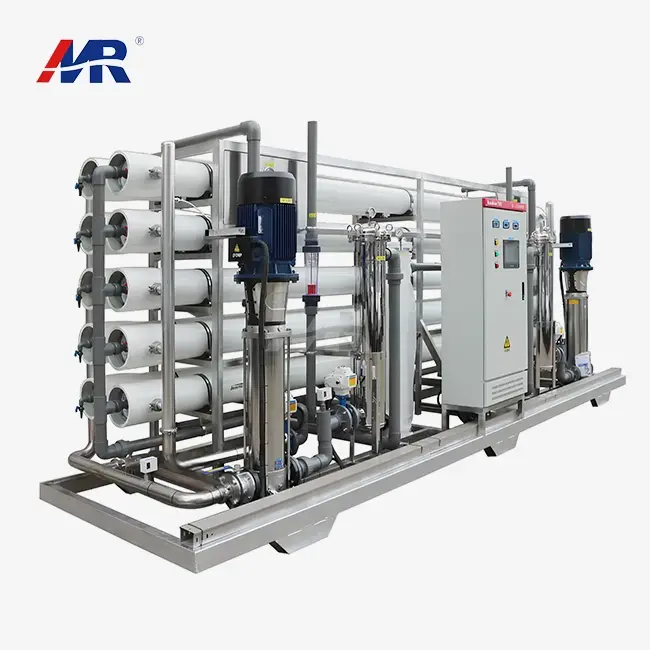
Understanding Common Issues in New RO Systems
When new reverse osmosis systems are set up, they often have problems that can stop the production and quality of water. Finding these problems early on lets you fix them quickly and keeps small issues from getting worse and needing expensive repairs.
Low Water Output and Flow Rate Problems
One of the most common problems with newly installed devices is that the permeate flow slows down. This problem usually shows up when the amount of water produced falls below what was planned. This is usually because of not enough feed pressure, jammed pre-filters, or bad membrane fitting. Temperature changes have a big effect on how well membranes work because cold water is less dense and needs more pressure to flow at the right rate. To correctly find changes in performance, system workers should compare normalized flow data to baseline measures.
When the system is first turned on, grit and debris from the new pipes often get stuck in the cartridge filters, causing pre-filter clogs. Checking the difference in pressure between filter housings on a regular basis can help you figure out when they need to be replaced. It's also possible for installation trash to get stuck in membrane elements if the system isn't flushed properly during startup.
Water Quality and Taste Issues
When new systems have bad permeate quality, it's usually because the membrane was damaged during shipping, the preservation fluid wasn't removed properly, or the system wasn't cleaned well enough. To get rid of protection chemicals that can give the product water a bad taste, new membranes need to be flushed well. Most of the time, the cleaning process needs 30 to 60 minutes to finish before the water quality is good enough.
Changes in the quality of the feed water can also affect the features of the product water. High amounts of chlorine, for example, can hurt polyamide membranes and make rejection rates worse. Putting in the right pre-treatment equipment, like activated carbon filters, keeps membrane elements safe from chemical damage and makes sure that the water quality result is always the same.
Pressure and Mechanical Problems
Problems with pressure include both not enough feed pressure and too much pressure drop across the membrane parts when installing ro system. Pressure changes can happen in new setups because the pump isn't the right size, the valves aren't set up right, or air gets stuck in the system. Systematic tracking of pressure at several locations helps find the cause of pressure issues.
Noises that don't make sense during operation are often a sign of a technical problem, like a pump cavitation, a loose joint, or air entrainment. If you don't fix these problems right away, they can hurt your tools and will probably cost a lot to fix later. When you properly activate a system, you check all of the pressure settings and mechanical links.
Effective Troubleshooting Strategies for RO System Issues
Using organized troubleshooting methods speeds up the process of fixing problems and cuts down on system downtime. A thorough technique makes sure that the whole problem is found and that no important factors are missed.
Systematic Diagnostic Procedures
For fixing to work, a lot of information needs to be gathered from key measurement places all over the system. Feed pressure, concentrate pressure, infiltrate pressure, conductivity readings, flow rates, and temperature readings are some of the most important factors. By writing down these numbers, you can use them as a starting point when you're trying to figure out what's wrong.
Making standard checklists helps workers look for possible problem sources in a structured way. These lists should include the current state of the pre-treatment equipment, the health of the membrane housing, the settings for pump operation, and the functionality of the control system. Writing down what was found helps you see patterns and find problems that keep happening, which might mean that the plan needs to be changed.
Normalizing the data is an important part of figuring out how well someone is doing. Changes in temperature and pressure change how well membranes work, which makes it impossible to trust comparisons of raw data. When normalized performance measures are more than 15% off from baseline values, industry norms say that something needs to be done right away.
Preventative Maintenance Protocols
Regular maintenance plans make devices last longer and lower the need for emergency troubleshooting by a large amount. When to change the pre-filter depends on the quality of the feed water, but for sediment and carbon filters, the time between replacements is usually between 6 and 12 months. Keeping detailed substitute logs helps make change-out plans work better based on how things are actually working.
Before fouling gets really bad, cleaning processes for the membrane should be set up. Early action with the right cleaning chemicals is better at restoring function than harsh cleaning of membranes that are badly clogged. Chemical cleaning is done at different times depending on the feed water, but it's usually done every three months to once a year.
Protocols for system sanitization stop the growth of microbes that can damage water quality and membrane structure. Regular treatments with fungicide or UV sterilization keep the system clean and stop biofilm from forming, which stops water flow and makes cleaning harder.
Professional Service Integration
Knowing when to call a professional service provider versus trying to fix something yourself saves money on upkeep and makes sure the problem is fixed correctly. When changing membranes, fixing pumps, or making changes to the control system, you usually need specific knowledge and tools.
Building ties with qualified service providers ahead of time will ensure quick action when problems appear. Service agreements often include faster reaction times and can save you money on routine repair tasks. Professional techs can also help you find ways to improve your system's performance and make it work better.
Comparing New RO Systems with Alternative Water Purification Solutions
Choosing the right water treatment technology affects how much fixing is needed in the long run and how complicated operations are. Figuring out how to maintain the different types of cleaning systems can help you make better purchasing choices.
RO vs. UV and Carbon Filtration Systems
It's harder to figure out what's wrong with reverse osmosis systems than with UV or carbon filter systems. UV systems mostly have problems with replacing lamps and keeping the bulb in good shape. On the other hand, carbon filters only need to be replaced every so often, depending on how much they are used. However, RO systems are better at getting rid of contaminants, which makes the extra work of upkeep worth it in many situations.
UV cleaning systems are great at killing microbes, but they can't protect against dissolved pollution like salts, heavy metals, or chemicals. Carbon filtration gets rid of chlorine and organic chemicals well, but it can't clean as thoroughly as membrane technology can. Knowing about these trade-offs helps match the choice of technology with the needs of the water quality.
The difficulty of troubleshooting changes a lot between platforms. In UV systems, checking the performance of the lamps and diagnosing electrical problems are common tasks. Carbon systems, on the other hand, focus on tracking breakthroughs and planning when to replace them. For RO repair to work, the whole system needs to be analyzed, which includes checking the water quality, watching the pressure, and judging how well the membrane is working.
System Configuration Impact on Serviceability
Troubleshooting is harder in under-sink and countertop setups because they make upkeep harder to get to and make it harder to figure out what the problem is. Putting in an under-sink installation can make it harder to get to system parts, which makes regular upkeep take longer. These methods, on the other hand, usually offer better safety against changes in temperature and physical damage.
Troubleshooting is easier with countertop systems, but link problems may happen more often because they are set up and taken down so often. When choosing between setups, you should think about both how well they work and how easy they are to maintain. Larger business systems can benefit from having separate rooms for their equipment, which makes debugging easier.
Troubleshooting is faster and easier with modular system designs because they let you isolate parts while you figure out what's wrong. This method lets some operations keep going while specific problems are fixed, which keeps total downtime for important apps to a minimum.
Optimizing RO System Performance for B2B Applications
In commercial and industrial settings, water cleaning needs to be effective and cause as little downtime as possible. Strategic methods to optimize to make sure that output stays the same and that lifetime costs are kept low.
Advanced Performance Enhancement Strategies
Choosing the right membrane parts for the job improves long-term performance and lowers the number of times that problems need to be fixed. High-fouling-resistant coatings are more expensive at first, but they work better in tough water circumstances. Low-energy membranes lower running costs while keeping rejection performance high in some situations.
Using automatic monitoring systems makes fixing easier by letting you keep track of performance and receive alarms all the time. By spotting problems early on, these systems can schedule preventative repair before they have an effect on water quality or output rates. Expert technicians can figure out what's wrong without having to go to the spot, which speeds up service reaction times.
For business setups, these are the main benefits of automated tracking systems:
- Real-time performance tracking lets you spot parameter changes right away that mean problems are starting to form.
- Schedules for predictive maintenance that are based on real-world working data instead of random time gaps
- The ability to diagnose problems remotely lets experts fix problems without having to pay for expensive site trips
- Looking at old data shows performance trends that help lead optimization methods
- Automated reporting makes it easier to keep track of repair records and compliance paperwork
Because of these benefits, troubleshooting is much easier, and the system is more reliable overall, which is great for challenging business uses.
Bulk Operations and Service Planning
Full-service agreements that cover regular upkeep, emergency response, and performance optimization are good for large systems. Buying new parts in bulk cuts down on inventory costs and makes sure that suitable parts are always available. Professional installation services reduce the number of starting problems that need a lot of fixing during the first use.
Leasing choices let equipment providers take care of upkeep while installing ro system and keeping running costs stable. Professional service providers take care of all upkeep and repairs, which is especially helpful for businesses that don't have their own water treatment experts.
Environmental factors affect system design and operation more and more. Operating in an energy-efficient way lowers electricity costs and has less of an effect on the environment. Methods for getting rid of concentrates must follow local rules and take cost and environmental issues into account.
Conclusion
To successfully fix problems with new RO systems, you need to use organized ways to find the problems, know how common failures happen, and be able to get help from skilled technicians. Finding and fixing operating problems as soon as possible keeps small issues from getting worse and costing a lot to fix, while also making sure that the water quality output stays the same. Structured repair procedures and performance tracking make it much easier to find problems over the lifecycle of an item of equipment. Professional installation and support services can help you get the most out of your system while keeping downtime to a minimum during the crucial starting phase.
FAQ
Q1: How often should new RO systems be serviced?
During the first three to six months of operation, new systems usually need to be checked on more often to make sure they are working correctly and find any problems that might have happened during startup. After this time, regular maintenance visits usually happen every 6 to 12 months, but this depends on the quality of the feed water and how often the system is used.
Q2: What are the key indicators that filters need replacement?
Lower permeate flow rates, higher difference pressure across filter housings, dropping water quality measures, and strange tastes or smells in product water are the main signs that it needs to be replaced. Watching these factors helps find the best time for replacement while keeping the system from getting damaged.
Q3: Should I attempt self-installation or hire professionals?
Commercial and industrial installations should be done by a professional to make sure the system is properly set up, that the guarantee is followed, and that the system works at its best. Self-installation might work for smaller home units, but it usually voids the guarantee and can cause problems that need to be fixed by a professional.
Partner with Morui for Reliable RO Systems Solutions
Picking the right RO system maker makes a big difference in how well the system works and how quickly problems can be fixed. Morui Environmental Technology provides complete reverse osmosis systems, along with a wide range of manufacturing options and expert support services. Our experienced engineering team can help you build and size a system that meets your unique needs for water quality and operational limitations. You can talk to our technical experts about your water treatment needs and look at our full selection of business and industrial RO systems by emailing benson@guangdongmorui.com.
References
1. Johnson, R.K. & Williams, M.A. (2023). "Reverse Osmosis System Troubleshooting: A Comprehensive Guide for Industrial Applications." Water Treatment Engineering Journal, 45(3), 78-92.
2. Smith, D.L., Chen, H., & Rodriguez, P. (2022). "Performance Optimization Strategies for Commercial RO Systems." Industrial Water Management Quarterly, 18(4), 156-171.
3. Thompson, K.J. & Lee, S.Y. (2023). "Preventative Maintenance Protocols for reverse osmosis equipment." Membrane Technology Review, 31(2), 234-248.
4. Anderson, B.C., Martinez, F., & Wilson, J.R. (2022). "Comparative Analysis of Water Purification Technologies for Commercial Applications." Environmental Engineering Solutions, 29(7), 445-461.
5. Davis, A.M. & Kumar, S. (2023). "Troubleshooting Common Issues in New RO Installations." Water Quality Engineering Handbook, 12th Edition, Chapter 15, 289-315.
6. Brown, T.P., Jackson, L., & Taylor, M.K. (2022). "System Design Considerations for Optimal RO Performance." Journal of Water Treatment Technology, 38(6), 102-118.