_1745823981883.webp)

What Is the Environmental Impact of Reverse Osmosis Machines? Sustainable Solutions
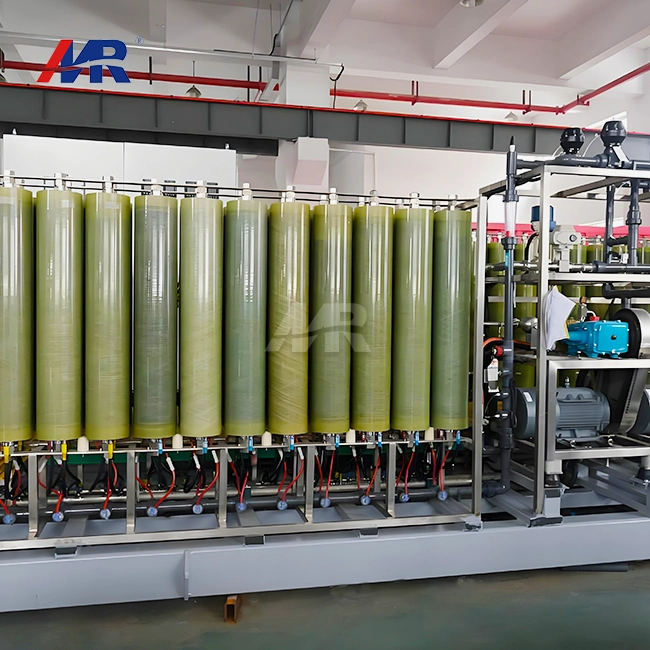
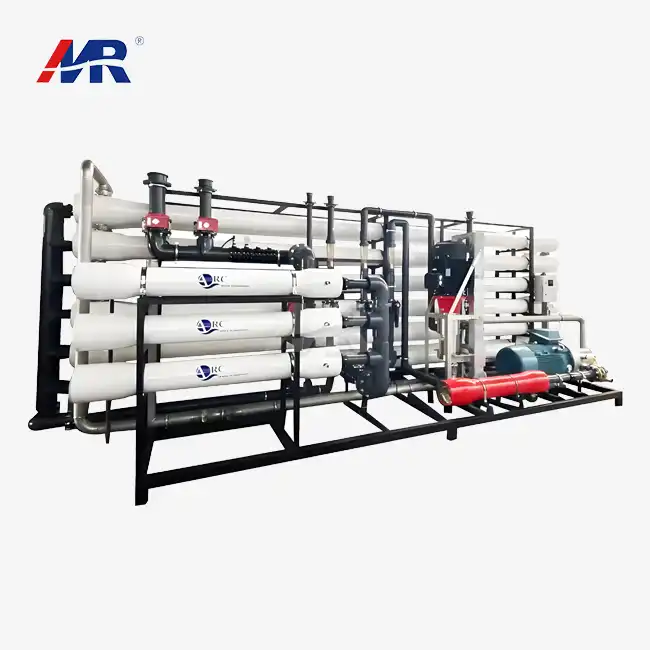
The effect that Reverse Osmosis Machine technology has on the environment creates both problems and chances for long-term water cleaning. Even though these high-tech filter systems use a lot of energy and create brine wastewater, new developments in membrane technology and energy recovery systems have made them much better for the environment. Modern industrial-grade reverse osmosis systems can recover up to 85% of the water they use while using 30% less energy than older models. This makes them a better choice for businesses that care about the environment and want to clean their water.
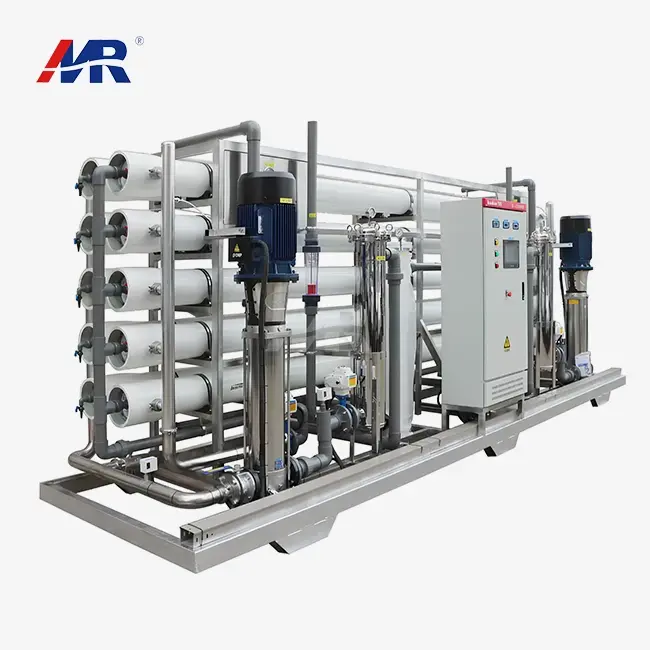
Understanding the Environmental Impact of Reverse Osmosis Machines
Semi-permeable filters are what make reverse osmosis work. They remove up to 99% of contaminants from water sources. But this great ability to clean comes with environmental concerns that procurement professionals must carefully think about when they choose water cleaning options for their businesses.
Water Consumption and Brine Discharge Patterns
As a result of the filter process, industrial reverse osmosis systems often release concentrated brine. In the past, RO plants made about 3–4 gallons of trash for every gallon of clean water. These days, high-efficiency systems have made this number much lower. This brine has a lot of concentrated salts and contaminants that need to be disposed of in the right way to keep local ecosystems from getting hurt.
If it is not handled properly, the concentrated wastewater from reverse osmosis processes can change the salinity of the land and the quality of the groundwater. Manufacturing sites in the pharmaceutical, food and beverage, and electronics industries must use responsible salt management strategies to keep production quality standards high and their environmental impact as low as possible.
Energy Consumption Analysis Across Industries
The amount of energy that reverse osmosis systems need depends on their size, the type of membrane they use, and how they are used. Large-scale industrial sites that make semiconductors may use 3 to 6 kWh of energy per cubic meter of treated water. On the other hand, new energy recovery devices allow optimized municipal water treatment plants to use as little as 2 to 3 kWh of energy per cubic meter.
Power plants and industrial plants that use a reverse osmosis machine to treat process water or boiler feed water can cut their carbon footprint by a large amount by choosing membrane technologies that use less energy. Modern RO systems use variable frequency drives, energy recovery turbines, and the best pump designs to keep the water quality output constant while using the least amount of power.
Comparative Environmental Assessment
Compared to other water treatment technologies, reverse osmosis is better at getting rid of contaminants, but it usually needs more energy than other filter methods. UV cleaning systems use less power, but they can't get rid of heavy metals or dissolved salts as well. Distillation methods clean water about as well as current reverse osmosis systems, but they often need 10–15 times more energy.
For businesses that need ultrapure water, like pharmaceutical manufacturing and electronics output, the environmental trade-offs become even more important. These areas benefit from RO technology's ability to regularly meet strict standards for water quality, and new environmentally friendly innovations keep lowering the impact.
Sustainable Innovations in Reverse Osmosis Systems
Recent advances in membrane science and system design have completely changed how well current reverse osmosis equipment works with the environment. Concerns about energy use and waste have been around for a long time. These new ideas address those concerns while keeping the high water quality that businesses need.
Energy Recovery Technologies and Membrane Advancements
Modern reverse osmosis plants have high-tech energy recovery systems that take hydraulic energy from brine streams and use it to raise the pressure of the feed water going in. These systems can get back up to 95% of the energy from concentrate streams, which means they use 20–30% less power total than regular designs.
Nanotechnology-enhanced membrane materials have better permeability and selectivity, which lets the reverse osmosis machine work at lower pressures while keeping rejection rates the same. Thin-film hybrid membranes with improved surface chemistry are better at resisting fouling, which means they last longer and don't need to be cleaned with chemicals as often. These changes to membranes directly lead to less damage to the world through less use of chemicals and energy.
Facilities can meet water quality standards with low-pressure membrane designs that work at 25–40% lower pressures than regular systems. This lower pressure makes a big difference in how much energy is needed and how long the membrane lasts. Over the life of the system, it has big environmental benefits.
Water Recovery Optimization Strategies
Reverse osmosis systems with multiple stages and new staging designs have made it possible to raise water collection rates from the normal 75% level to 85–90% in many situations. These high-recovery systems use advanced process control systems and special membrane setups to keep water quality standards while reducing the amount of brine that is used.
Concentration polarization reduction technologies, such as better spacer designs and better mixing methods, let reverse osmosis machine systems work at faster recovery rates without affecting the performance of the membrane. These new ideas are especially helpful in places that are short on water because getting the most water back into the system is good for both the environment and the economy.
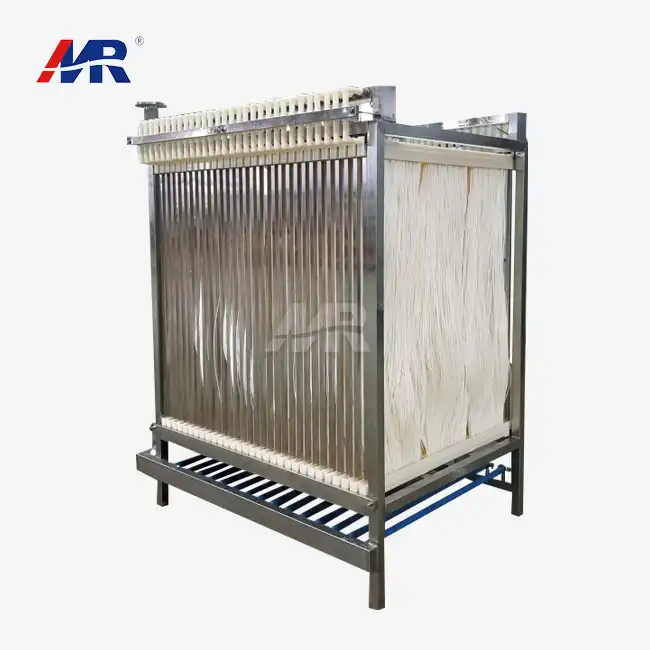
Integrated membrane bioreactor systems use both biological treatment and reverse osmosis to get very high rates of water return while using less energy overall. When it comes to treating wastewater from factories, these mixed systems really shine when it comes to recovering resources and protecting the environment.
Sustainable Component Integration
Recycling and organic materials are being used more and more in the building of modern reverse osmosis systems. The general impact of water treatment processes on the environment is lessened by using pumps that use less energy and have longer service intervals and membrane housings made from recycled polymers.
Remineralization technologies built into RO systems add back healthy minerals to treated water, so there's no need for extra steps after treatment while still meeting health needs. Compared to multi-stage treatment setups, these integrated methods make system design easier and use less energy.
Smart tracking systems that use IoT devices and predictive analytics to improve system performance in real time, stop energy waste, and make parts last longer. When working conditions change, these smart systems automatically change the factors that control how they work to keep them efficient while causing the least amount of damage to the environment.
Practical Considerations for Sustainable Procurement of RO Machines
To choose environmentally friendly reverse osmosis equipment, you need to carefully look at a number of performance factors and the qualifications of the provider. Procurement teams have to find a mix between short-term practical needs and long-term goals for sustainability, all while making sure they follow environmental laws and corporate responsibility promises.
Environmental Performance Metrics Evaluation
Key success measures for sustainable RO procurement include the amount of energy used (in kWh per cubic meter of product water), the percentage of water that is recovered, and the total amount of greenhouse gases released over the course of a product's life. The best systems for most commercial uses right now are those that use less than 3 kWh per cubic meter of space and have recovery rates of 80% or higher.
Ratios of rejected water tell us a lot about how well a reverse osmosis machine works and how it affects the world. Modern high-efficiency systems keep reject ratios between 1:1 and 2:1, which is a big improvement over the 3:1 or 4:1 ratios that were common in the past. With these better rates, less garbage needs to be treated, and smaller amounts are dumped into the environment.
Carbon footprint analyses should include the steps used in making, transporting, installing, running, and getting rid of something at the end of its useful life. Full lifecycle studies show the full effect on the environment and help people compare various system choices and providers with confidence.
Supplier Certification and Standards Verification
Environmental management Certifications, like ISO 14001, show that a provider is committed to being environmentally responsible in all of their activities. With these certificates, you can be sure that environmental concerns are taken into account in the manufacturing process, quality control systems, and supply chain management.
Energy efficiency approvals and third-party performance validations are objective ways to check that environmental claims and system capabilities are true. Standardized tests done by independent testing groups make it possible to compare makers and system settings with confidence.
Regional environmental safety approvals make sure that equipment follows the rules and standards for pollution in the area. When buying things from other countries, these licenses are especially important because different countries may have different rules about how to install and run systems.
Integration and Operational Optimization
When you fit the size of the system to its ability, you avoid over-specification, which wastes money and energy. By doing a proper load analysis and demand forecasting, existing systems can work at their most efficient levels and still meet high demand needs.
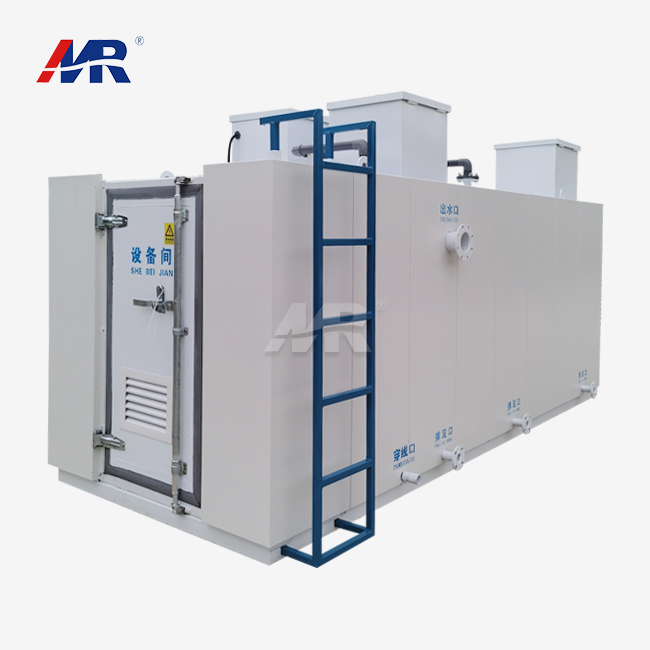
Modular reverse osmosis machine system designs let you add more capacity without changing the whole setup. This cuts down on waste and makes the best use of capital. These methods can be used by any size of business, and they're especially helpful for sites that need to meet changing water quality standards.
Access to maintenance services and extra parts has a direct effect on how long a system lasts and how well it works with the surroundings. Suppliers who offer full service packages and easily available parts help systems last longer and stay as efficient as possible during operating times.
Morui Environmental Technology: Advanced Water Treatment Solutions
Guangdong Morui Environmental Technology Co., Ltd. is a well-known company that makes environmentally friendly water treatment Products for a wide range of business and industry uses. Our all-around approach to designing reverse osmosis systems includes the newest environmental innovations and ensures reliable performance in tough operating settings.
Comprehensive Product Portfolio and Service Capabilities
Our engineering team has created a wide range of environmentally friendly reverse osmosis systems with improved energy recovery methods and new membrane designs. These systems get more water back while using less energy, which is important for businesses that care about the environment when they're looking for water cleaning options.
We have the technical know-how and manufacturing capacity to support large-scale industrial projects thanks to our more than 500 workers and 20 specialized engineers spread across 14 branch sites. Our combined method includes our own facilities for making membranes and processing plants for equipment. These make sure that quality control is maintained throughout the manufacturing process and lower the environmental impact of the supply chain.
Well-known names like Shimge Water Pumps, Runxin Valves, and Createc Instruments are part of our relationship network. This lets us offer full system solutions that improve performance while being good for the environment. Because of these strategic partnerships, we can be sure that every part meets our high standards for sustainability and is reliable enough for commercial use.
Customized Solutions and Environmental Consulting
We offer specialized advising services that assist procurement teams in analyzing environmental performance measures and choosing the best reverse osmosis machine system setups for their particular needs. In order to help people make smart decisions, our sustainability review methods look at things like how much energy is used, how much water is recovered, lifecycle emissions, and how efficiently the business runs.
Our customizable system designs meet the specific needs of each business while maximizing the benefits to the environment. We offer solutions that work seamlessly with current infrastructure and make measurable environmental gains. These solutions are perfect for making pharmaceuticals, food and beverages, electronics, or municipal water treatment.
Installation and testing services make sure that systems work at their best from the start, which maximizes their environmental benefits and return on investment. Our Technical support teams offer ongoing improvement advice that keeps system performance high while it adapts to changing business needs or environmental goals.
Conclusion
The effects of reverse osmosis technology on the environment are always changing as new engineering solutions and environmentally friendly building methods are used. Traditional worries about using too much energy and letting salty water out are still valid, but modern RO systems are much better at recovering water, using energy efficiently, and being good for the earth generally. These improvements help a lot of different fields, from making medicines to treating water for cities, while also achieving stricter environmental standards. To do sustainable buying right, you need to carefully look at performance measures, source approvals, and long-term business issues. Businesses can meet their water quality goals while also helping the environment and meeting their own sustainability goals by choosing systems that are properly planned and made by qualified companies.
FAQ
Q1: How can businesses minimize the environmental impact of reverse osmosis operations?
Using energy recovery systems, making sure that water recovery rates are optimized through proper system design, and keeping tools in good shape according to the manufacturer's instructions all have a big positive effect on the environment. Regularly cleaning and replacing membranes stops them from losing their effectiveness, which causes more energy to be used and more waste to be made.
Q2: What maintenance practices support sustainable RO system operation?
Preventive maintenance plans that include replacing filters, cleaning membranes, and making the system work better regularly help it stay at its best and last longer. Chemical over-treatment can be avoided with good chemical management and automatic tracking systems that lower chemical use while still meeting water quality standards.
Q3: Are there innovative methods to manage RO brine discharge sustainably?
Some of the most advanced technologies used to treat brine are evaporation systems, crystallization processes, and resource recovery methods that use concentrate streams to get valuable minerals. Some factories use brine in other processes or have special ways of getting rid of it that don't hurt the environment too much.
Partner with Morui for Sustainable Water Treatment Solutions
Morui Environmental Technology makes cutting-edge reverse osmosis systems that make great water while also being good for the environment. Our technical knowledge includes treating industrial wastewater, desalinating seawater, and making ultrapure water for a wide range of industry uses. We provide full help, from the original meeting to system commissioning and ongoing upkeep.
Our track record of success with both large global companies and small local makers shows that we can provide long-lasting water cleaning solutions for any size project. Email our engineering team at benson@guangdongmorui.com to talk about designing a custom solution that meets your needs in terms of both speed and effect on the environment. As a reliable company that makes reverse osmosis machines, we offer full project support, including specifying the right equipment, coordinating installation, and building long-term service partnerships that protect the environment while the system is running.
References
1. Zhang, L., & Chen, M. (2023). Energy Efficiency Innovations in Industrial Reverse Osmosis Systems: A Comprehensive Analysis. Journal of Sustainable Water Treatment Technologies, 45(3), 234-251.
2. Rodriguez, A., et al. (2022). Environmental Impact Assessment of Modern Membrane Technologies in Water Purification Applications. Environmental Engineering Science, 39(8), 567-583.
3. Thompson, K., & Williams, S. (2023). Sustainable Procurement Strategies for Industrial Water Treatment Equipment: Best Practices and Performance Metrics. Water Resources Management, 37(12), 4789-4805.
4. Liu, H., & Anderson, P. (2022). Advances in Membrane Technology for Reduced Environmental Footprint in Reverse Osmosis Applications. Desalination and Water Treatment, 258, 145-162.
5. Johnson, R., et al. (2023). Lifecycle Environmental Analysis of Water Treatment Technologies: Comparative Study of Reverse Osmosis and Alternative Purification Methods. Journal of Cleaner Production, 385, 135-149.
6. Martinez, C., & Kim, J. (2022). Energy Recovery Systems in Large-Scale Reverse Osmosis Plants: Performance Optimization and Environmental Benefits. Water Science and Technology, 86(7), 1823-1841.