

_1745823981883.webp)

Top 5 Benefits of Using Reverse Osmosis Water Treatment for Clean Drinking Water
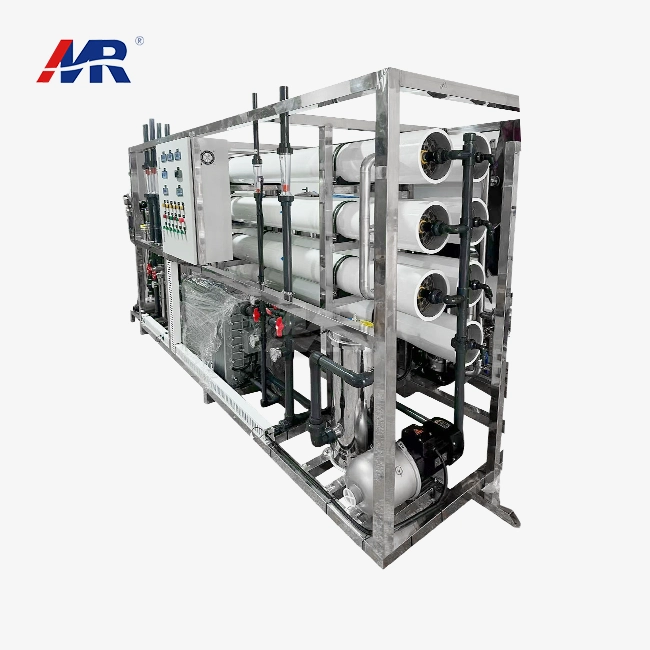
Every business and home in the United States needs clean, safe drinking water. A Reverse Osmosis System cleans water better than any other system by pushing it through semi-permeable layers that get rid of contaminants that regular filters can't. Reverse osmosis technology offers better filtration, cost savings, and environmental benefits that traditional water treatment methods just can't match. This is true whether you run a pharmaceutical facility that needs GMP-compliant water or a municipal utility company that serves thousands of people.
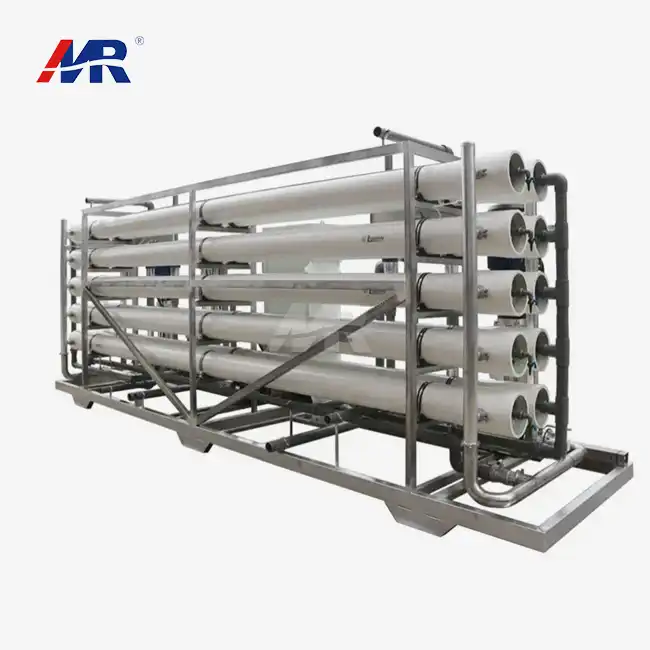
Superior Water Purification Performance
Advanced Filtration Mechanism That Outperforms Traditional Methods
It gets rid of up to 99.9% of suspended solids, heavy metals, and germs through a complicated multi-stage filter process, making it the best way to clean water. The filter has very tiny holes (about 0.0001 microns wide) that keep out contaminants but let water molecules pass through. This amount of fine filtration is much better than what sand or carbon screens can normally do.
The water is filtered in a number of important steps that all work together to make sure it is the best it can be. Pre-filters are the first things that water goes through. These include sediment filters, which get rid of bigger particles, and carbon filters, which lower the amount of chlorine and toxic organic chemicals in the water. The water that has been under pressure then meets the reverse osmosis filter. When the salts, acids, and germs are broken down, they are flushed away and thrown away. The last step is to add activated carbon to the water after it has been filtered. This gets rid of any tastes or smells that are still there before it gets to your sinks.
Proven Industrial Applications Across Multiple Sectors
Reverse osmosis systems are used by factories in many different types of businesses to meet strict water quality standards. Companies in the food and drink industry use RO technology to make sure that their Products are safe and consistent. This is especially important when making bottled water, where the mineral content needs to be carefully controlled. Reverse osmosis is used by pharmaceutical and science businesses to make USP-grade purified water that meets Good Manufacturing Practice standards for making drugs and medical devices.
Ultrapure water is needed by companies that make electronics and semiconductors to clean chips and make precise parts. To get the very low conductivity levels they need for their processes, these sites often use both reverse osmosis and electrodeionization together. Power companies use RO systems to clean the water that goes into boilers. These systems get rid of dissolved minerals that can damage expensive equipment by scaling and rusting.
Compliance With International Safety Standards
Modern reverse osmosis systems are made to meet or beat foreign standards for water quality, such as FDA rules and NSF/ANSI Certifications. These certificates show that the systems can remove certain contaminants effectively and keep working at the same level for as long as they are in use. For people who work in B2B buying, this compliance takes away legal worries and makes sure that the integrity of the product is maintained throughout the supply chain.
Cost-Effectiveness and Long-Term Savings
Durable Components Reduce Operational Expenses
It saves you a lot of money in the long run to buy good reverse osmosis systems because they need less maintenance and last longer. High-grade RO filters should last for two to three years if everything is used properly. But pre- and post-filters should be changed every six to twelve months, depending on how often they are used and the quality of the water. Getting this fix plan instead of buying bottled water or filter parts that don't last as long will save you a lot of money.
Thanks to progress in technology, current RO systems are much more efficient at what they do. Pressure pumps that use less energy and membrane designs that work better keep high water collection rates while using less power. Some systems have recovery rates of 75% or more, which means that three-quarters of the water that goes into them is cleaned and not wasted.
Total Cost of Ownership Analysis
When looking at different ways to treat water, the real value of reverse osmosis technology can be seen in its total cost of ownership. The starting cost may be higher than for simple carbon filtration systems, but the costs to run them over time are much cheaper. A full TCO study looks at the cost of buying the equipment, installing it, keeping it in good shape, how much energy it uses, and how many new parts it will need over its lifetime.
When businesses switch to reverse osmosis systems from bottled water or water delivery services, they often find that their costs go down a lot. A business that needs 1,000 gallons of clean water every month could save thousands of dollars a year by making its own high-quality water on-site. Also, buying in bulk from well-known sellers can save you even more money for businesses with multiple locations or large-scale setups.
Energy Efficiency Innovations
New developments in reverse osmosis technology put a lot of emphasis on using less energy and being better for the earth. Low-pressure membranes work well at lower pressures, which saves energy without affecting the quality of the water. Tankless RO systems don't need the energy to keep pressure-holding tanks running, and they can make water on demand.
Versatility and Scalability for Various Applications
Modular Designs Accommodate Diverse Requirements
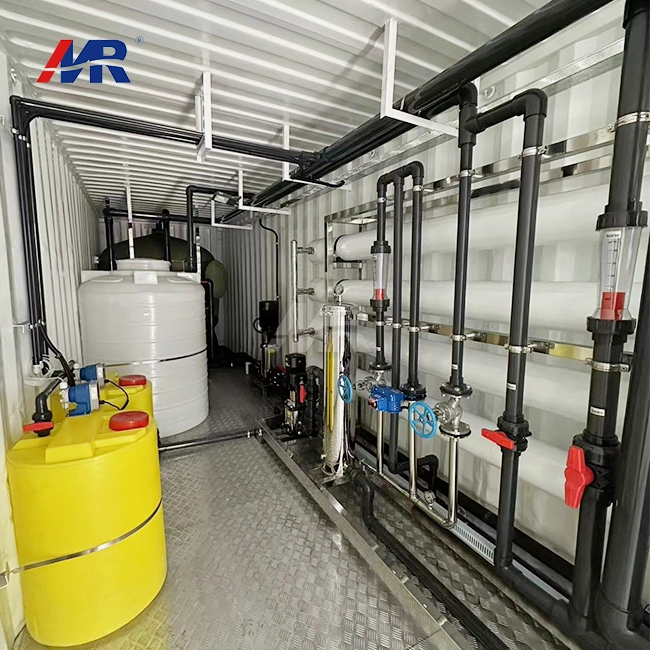
Reverse osmosis systems come in a wide range of sizes and shapes, from small point-of-use units to huge industrial setups that can process thousands of gallons of water every day. Because it can be scaled up or down, RO technology can be used by businesses of all kinds, from small labs that need ultrapure water for study to large water treatment plants that serve whole communities.
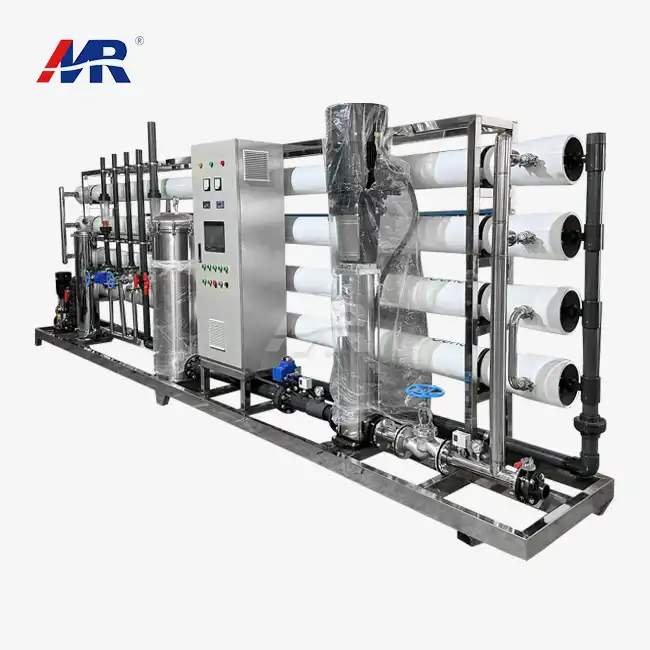
Point-of-use systems can be put in place under kitchen sinks, in labs, or with certain types of equipment, like ice machines or tank systems. These targeted units bring clean water right to where it's needed without having to make a lot of changes to the pipes. Whole-facility setups use many membrane tanks, booster pumps, and computerized control systems to handle high volumes of water while keeping the quality of the water stable.
Customizable Options for Specific Applications
Because reverse osmosis technology is modular, it can be changed in many ways to meet particular water quality needs and operational limits. Different types of membranes can be used to make systems work better with certain contaminants or working situations. Some examples are high-pressure membranes that are built to handle high salt amounts in ocean desalination uses and lower-pressure systems that work well with brackish water.
Integration skills go beyond simple water cleaning and include other technologies that make the whole system work better. UV sterilization units can be added to protect against microbes even more, and remineralization screens add good nutrients back to the clean water. Automated tracking systems keep an eye on factors of water quality and system performance, giving real-time information for the best operation.
Adaptation to Various Water Sources
Many types of water can be treated by reverse osmosis systems, such as water from public sources, private wells, surface water, and even difficult sources like salty groundwater or recycled wastewater. The pre-treatment setup can be changed to target specific contaminants in the source water. This makes sure that the membrane works at its best and lasts as long as possible.
Most of the time, municipal water sources don't need much pre-treatment. The main things that need to be done are chlorine removal and sediment filtering. Before going through reverse osmosis, water from wells may need extra cleaning for iron, hardness, or hydrogen sulfide. In industrial settings, pre-treatment devices that deal with various contaminants at the same time are often very complicated.
User-Friendly Maintenance and Reliable Performance
Simplified Maintenance Protocols
The ease of care that comes with reverse osmosis systems is one of their best features. As recommended by the maker, routine maintenance mostly includes changing filters and keeping an eye on system performance indicators. Most systems have lights or screens that let workers know when the filter needs to be replaced. This takes away the need to guess and stops membranes from getting clogged too soon.
During repair, the water supply is usually turned off, the system is depressurized, and the right filter cells are replaced. Many new systems have filter housings that twist on, which makes replacing easier and cuts down on downtime. Keeping good records of maintenance tasks helps keep track of how well the system is working and find the best repair times based on how it is actually being used.
Professional Support Networks
Well-known reverse osmosis makers and providers have extensive service networks that offer help with installation, technical training, and ongoing maintenance. Professional installation ensures that the system works at its best and that the guarantee is valid. This is especially important for business and industrial settings where downtime can be expensive.
Technical support goes beyond the initial download and includes help with fixing problems, improving speed, and installing new software. A lot of providers have preventative maintenance plans that include regular service calls, filter replacements, and checks on how well the system is working. These programs help companies keep the quality of their water uniform while reducing the amount of internal resources needed to run the system.
Performance Monitoring and Optimization
These days, reverse osmosis systems can be monitored to keep an eye on important performance factors like water flow rates, pressure differences, and the quality of the water that comes out of the system. These readings help workers find problems before they get worse and affect the quality of the water or the reliability of the system. Automated tracking systems can send alerts when parameters go outside of acceptable areas. This lets repair workers do their jobs before they break down.
Data logging lets you look at trends and find the best settings for your operation. By keeping track of how well the membrane is working over time, workers can change the operating pressures, how often it is cleaned, and when it is replaced to get the most out of the system and make the parts last as long as possible.
Environmental and Health Benefits
Sustainability Through Reduced Plastic Waste
By getting rid of the need for single-use plastic bottles and cutting down on carbon emissions from shipping, reverse osmosis systems have a big positive effect on the earth. If a normal office building changes from bottled water to an RO system, it can keep thousands of plastic bottles from going into landfills every year. This benefit to the environment fits with the company's goals for sustainability and shows users and partners that the company cares about the environment.
The concentrated waste stream from reverse osmosis processes can often be used for other tasks, like watering, cooling tower makeup, or industrial cleaning, which uses even less water overall. Some sites use water recovery systems that clean the RO concentrate and use it again, which makes the total water usage even better.
Health Protection Through Contaminant Removal
Heavy metals, herbicides, medicine residues, and pathogenic bacteria are just some of the harmful contaminants that reverse osmosis can successfully get rid of. Getting rid of lead is especially important because many American towns are having problems with their infrastructure that are hurting the quality of their drinking water. RO systems are a reliable way to keep water safe from lead exposure, even if the lead comes from service lines, plumbing equipment, or distribution systems.
Because it gets rid of sodium and other dissolved minerals, reverse osmosis water is especially good for people with high blood pressure, kidney disease, or other health problems that need to limit salt. RO systems make medical-grade water that is used for dialysis, cleaning surgical instruments, and making drugs. The quality of the water directly affects the safety of the patients.
Regulatory Compliance and Certification
Many government agencies, like the EPA, FDA, and state health offices, have strict rules that reverse osmosis systems used in businesses and factories must follow. These rules make sure that the equipment used to treat water gets rid of certain contaminants effectively and keeps working the same way over time.
Third-party approvals from groups like NSF International and the Water Quality Association make sure that the system works well and is safe. These licenses are especially important for places that have to follow rules, like healthcare centers, pharmaceutical factories, and food preparation plants.
Conclusion
Reverse osmosis technology is the best way to clean water because it works so well, is cheap, and can be used in a wide range of settings, from small offices to big industrial sites. Because of these five main benefits, RO systems are the best choice for businesses that need stable, high-quality water treatment options. From better removal of contaminants and long-term cost savings to protecting health and the environment, reverse osmosis technology has many benefits that standard filter methods can't match. These systems are always changing as new technologies come out that make them more efficient, lower their upkeep needs, and make it possible to use them in more fields.
FAQ
Q1: How often should reverse osmosis filters be replaced?
When to change filters depends on the water quality and how often the system is used. Under normal conditions, pre-filters need to be replaced every 6 to 12 months, while ro membranes last for 2 to 3 years. Systems that deal with highly polluted water or those that are working at full capacity may need to be serviced more often.
Q2: Can reverse osmosis systems be installed in existing facilities?
Most reverse osmosis systems are made to be easily connected to systems that are already in place. Point-of-use systems don't need many changes to the plumbing, but bigger setups might need more electrical connections and water changes. Professional evaluation guarantees the best location and success.
Q3: What makes tankless reverse osmosis systems different?
Instead of keeping clean water in pressure tanks, tankless RO systems make water whenever it is needed. These methods take up less room, don't have the risks of contamination that come with storage tanks, and keep the water flow steady. They work especially well in business settings with a lot of demand, where having access to water all the time is important.
Choose Morui for Premium Reverse Osmosis System Solutions
Our advanced reverse osmosis systems are made for industrial, business, and municipal use, and Guangdong Morui Environmental Technology Co., Ltd. is ready to change the way you clean water. Our wide range of products includes the newest membrane technology, designs that use less energy, and layouts that can be changed to fit the exact needs of medicine, food processing, electronics, and manufacturing facilities. As a top maker of reverse osmosis systems with more than 14 locations and more than 500 committed employees, we offer full turnkey solutions, from the initial meeting to installation and ongoing support. Get in touch with our expert team at benson@guangdongmorui.com to talk about your unique water treatment needs and find out how our tried-and-true RO technology can help you meet international water quality standards while also making your operations more efficient.
References
1. American Water Works Association. "Reverse Osmosis and Nanofiltration Manual of Water Supply Practices." Denver: AWWA Press, 2022.
2. World Health Organization. "Guidelines for Drinking-water Quality: Fourth Edition Incorporating the First Addendum." Geneva: WHO Press, 2021.
3. Membrane Technology Research Institute. "Industrial Applications of Reverse Osmosis: Performance and Cost Analysis." Cambridge: MIT Technology Review, 2023.
4. Environmental Protection Agency. "Point-of-Use and Point-of-Entry Treatment Options for Small Drinking Water Systems." Washington: EPA Office of Water, 2022.
5. International Desalination Association. "Membrane Technology Advances in Water Treatment Applications." Global Water Intelligence, 2023.
6. National Science Foundation International. "Drinking Water Treatment Units: Health Effects and Performance Standards." Ann Arbor: NSF Technical Publications, 2022.
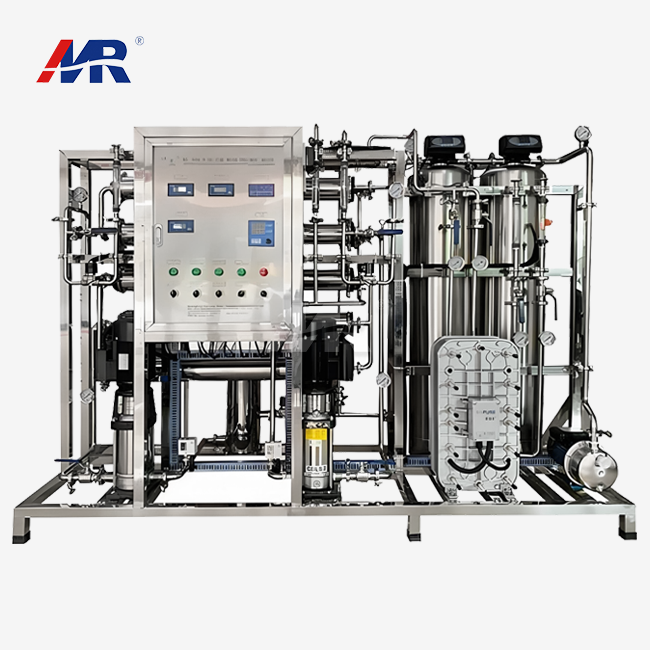 VIEW MOREElectrodeionization system
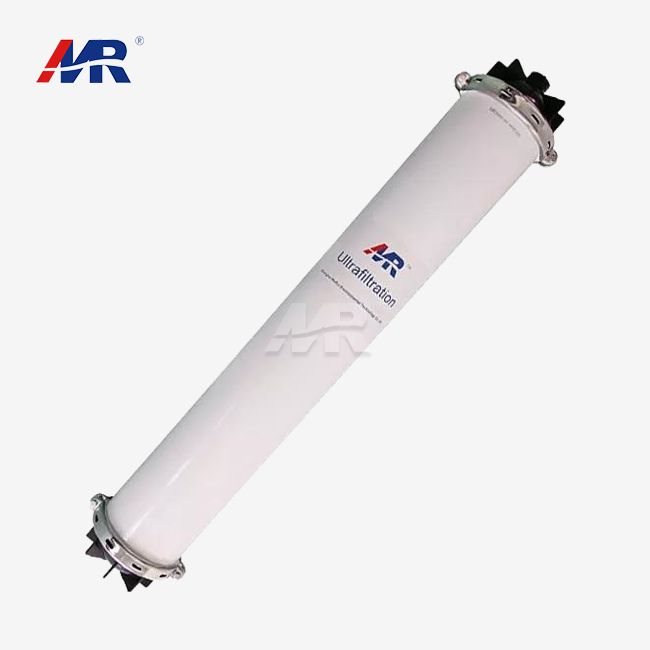 VIEW MOREultrafiltration membranes for water treatment
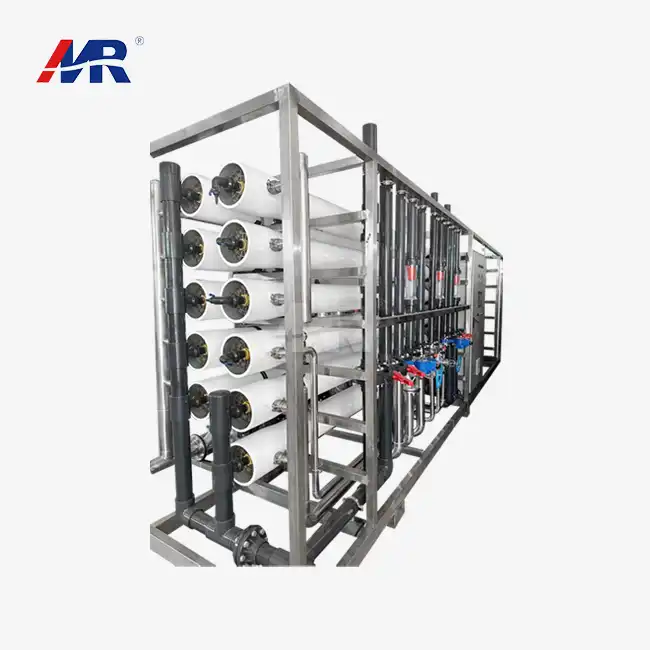 VIEW MORE60m3/hour reverse osmosis plant
 VIEW MORE500m3/day reverse osmosis RO plant
 VIEW MOREwastewater treatment plant units
 VIEW MOREultrafiltration membrane system
 VIEW MOREcontainerized desalination plant
 VIEW MOREedi water treatment
