_1745823981883.webp)

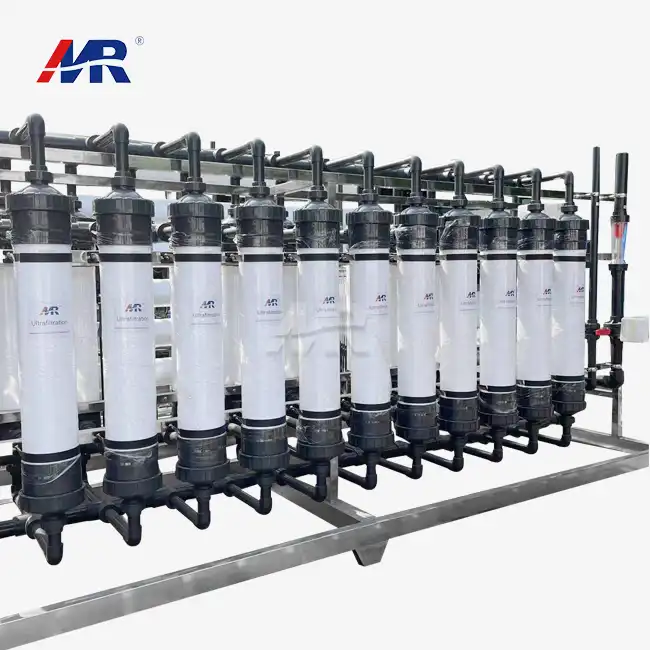
How often should UF systems be backwashed and chemically cleaned?
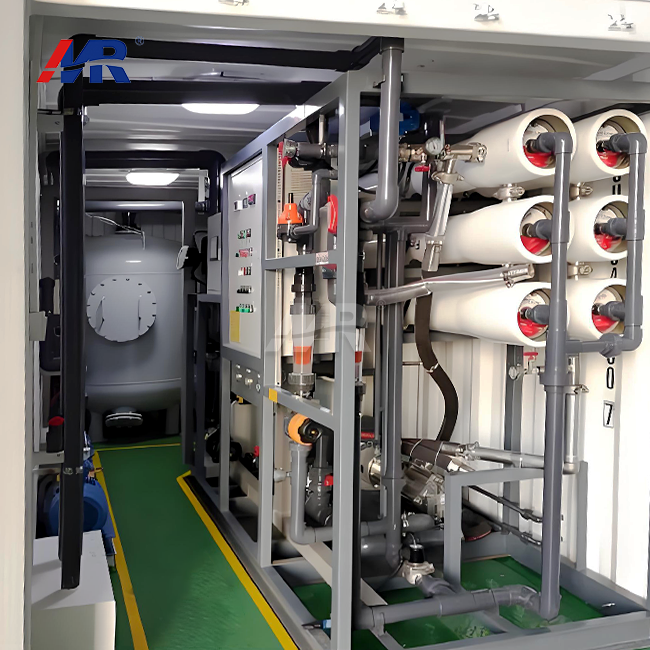
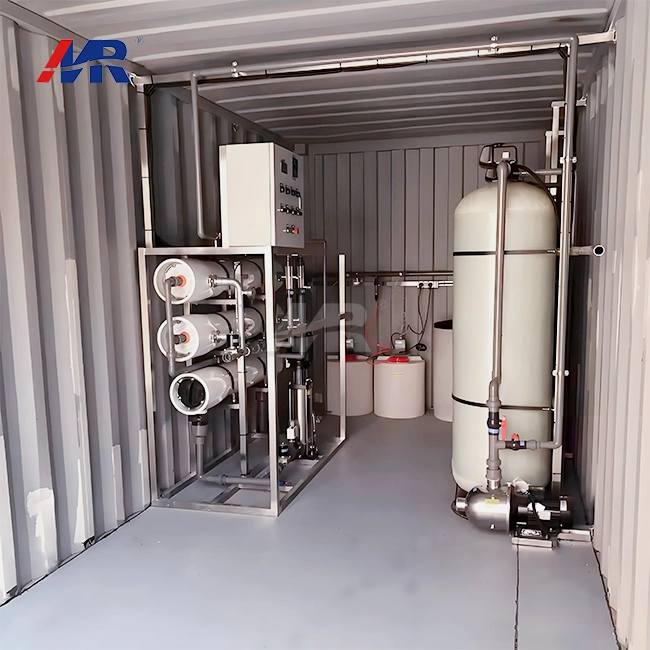
Proper upkeep of your Ultrafiltration System includes normal backwashing and chemical cleaning to anticipate film fouling and keep up ideal execution. The recurrence of these forms depends on a few variables, including water quality, design, and operational conditions.
Backwashing Frequency
Backwashing is a crucial process that helps remove accumulated particles and contaminants from the membrane surface. Generally, UF systems require backwashing every 30 to 60 minutes during normal operation. However, this frequency may vary based on the following factors:
- Feed water quality: Higher turbidity or natural substances may require more visit backwashing.
- Flux rate: Frameworks working at higher flux rates may require more visit backwashing.
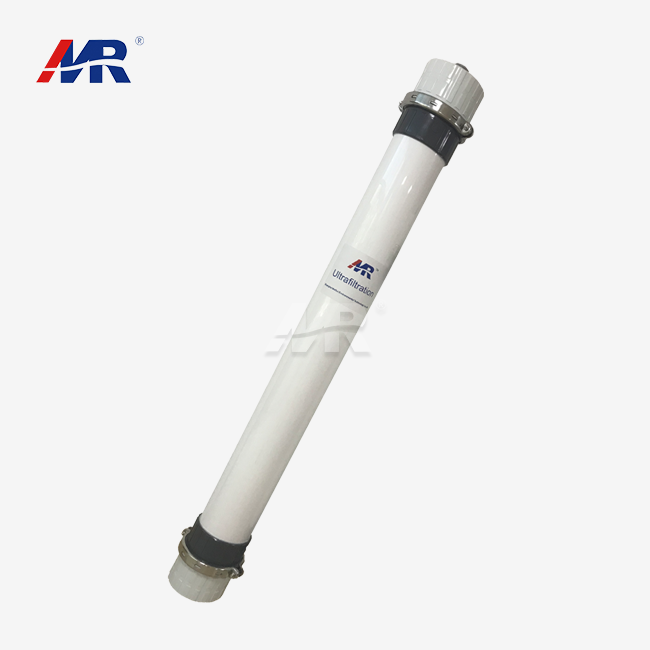
- Membrane setup: Empty fiber films regularly require more backwashing than spiral-wound configurations.
It's essential to monitor the transmembrane pressure (TMP) and adjust the backwashing frequency accordingly. A sudden increase in TMP may indicate the need for more frequent backwashing or chemical cleaning.
Chemical Cleaning Frequency
Chemical cleaning, also known as Clean-in-Place (CIP), is necessary to remove foulants that cannot be eliminated through regular backwashing. The frequency of chemical cleaning depends on various factors:
- Feed water characteristics: Water with tall natural substances or hardness may require more visit chemical cleaning.
- System execution: A noteworthy decrease in penetration stream or quality may demonstrate the require for chemical cleaning.
- Operational hours: A few producers suggest chemical cleaning after a particular number of operational hours, regularly extending from 500 to 2000 hours.
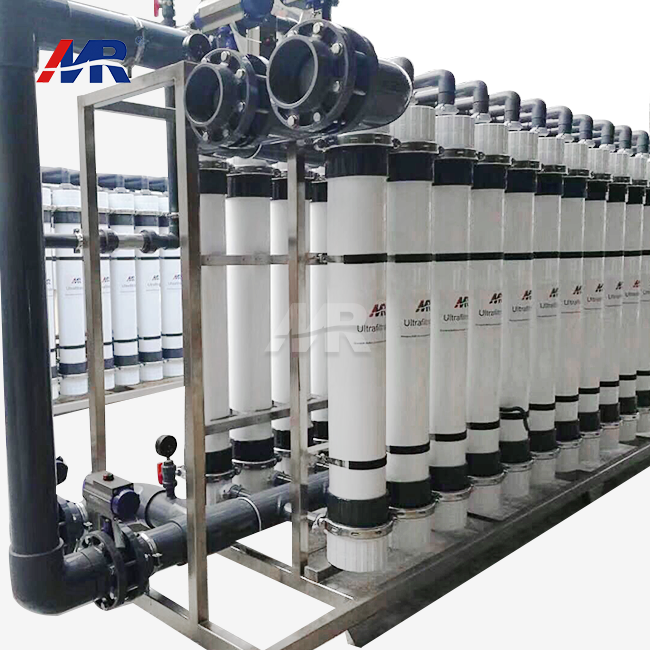
As a general guideline, most Ultrafiltration Plant operators perform chemical cleaning every 1 to 3 months. However, it's crucial to consult your system's manufacturer guidelines and monitor performance indicators to determine the optimal cleaning frequency for your specific application.
Optimizing Cleaning Processes
To maximize the effectiveness of your cleaning processes:
- Use fitting cleaning chemicals: Select cleaning operators consistent with your film fabric and effective against particular foulants.
- Follow appropriate cleaning methods: Follow to manufacturer-recommended cleaning conventions, including chemical concentrations, contact times, and temperatures.
- Monitor cleaning viability: Track execution enhancements after each cleaning cycle to optimize future cleaning schedules.
By implementing a well-structured cleaning regimen, you can maintain the efficiency of your UF system and extend the lifespan of your membranes.
Routine checks and a preventive maintenance checklist for membrane longevity
Implementing a comprehensive schedule upkeep program is essential for protecting the lifespan and performance of your ultrafiltration layers. By conducting normal checks and preventive support, you can distinguish potential issues early, minimize downtime, and optimize system execution. Here's a nitty-gritty checklist to direct your support efforts:
Daily Checks
- Monitor bolster water quality: Check turbidity, pH, and temperature to guarantee they're within acceptable ranges.
- Record working parameters: Log transmembrane pressure (TMP), flux rates, and penetration quality.
- Inspect for spills: Look at channeling, associations, and layer lodgings for any signs of leakage.
- Verify appropriate chemical dosing: Guarantee pretreatment chemicals are being dosed accurately.
Weekly Checks
- Clean strainers and channels: Expel and clean pre-filtration components to avoid flotsam and jetsam accumulation.
- Calibrate rebelliously: Confirm the precision of stream meters, weight gages, and water quality sensors.
- Inspect discharge framework: Check discharge pumps, valves, and spouts for appropriate operation.
- Review execution patterns: Analyze logged information to distinguish any continuous decreases in framework efficiency.
Monthly Checks
- Perform keenness tests: Conduct weight rot tests or bubble point tests to distinguish layer keenness issues.
- Inspect film components: Outwardly look at available layer components for signs of harm or fouling.
- Clean CIP framework: Flush and sanitize the Clean-in-Place framework to avoid bacterial growth.
- Lubricate moving parts: Oil pumps, engines, and other mechanical components as needed.
Quarterly Checks
- Evaluate chemical cleaning adequacy: Analyze pre- and post-cleaning execution information to optimize cleaning protocols.
- Inspect and clean discuss scour framework: Guarantee appropriate operation of the scour blowers and diffusers.
- Review vitality utilization: Evaluate framework vitality effectiveness and distinguish openings for optimization.
- Conduct comprehensive water investigation: Perform point-by-point analysis and conduct water quality tests to guarantee compliance with treatment goals.
Annual Checks
- Perform careful framework review: Conduct a comprehensive examination of all system components, including film post-mortem examination if necessary.
- Review and upgrade working methods: Survey current hones and join any modern industry best hones or mechanical advancements.
- Conduct administrator preparation: Give refresher training to ensure all staff are up-to-date on the proper support procedures.
- Evaluate long-term execution patterns: Analyze annual information to recognize progressive changes in framework productivity and arrange for future updates or replacements.
Preventive Maintenance Best Practices
To maximize the effectiveness of your preventive maintenance program:
- Maintain point-by-point records: Keep comprehensive logs of all support exercises, execution information, and observations.
- Use prescient upkeep strategies: Actualize information analytics and condition checking to foresee potential issues some time recently they occur.
- Regularly survey and overhaul upkeep plans: Alter upkeep frequencies based on framework execution and chronicled data.
- Involve administrators in support forms: Energize administrators to report any unusual perceptions or concerns promptly.
- Stay educated almost industry improvements: Keep side to date with modern support procedures and advances that seem to advantage your ultrafiltration system.
By adhering to this comprehensive checklist and implementing these best practices, you can significantly extend the life of your ultrafiltration membranes, minimize unexpected downtime, and maintain optimal system performance.
Spare parts list and on-site consumables to minimize downtime
Maintaining a satisfactory stock of spare parts and consumables is vital for minimizing downtime and guaranteeing the persistent operation of your ultrafiltration system. By having fundamental components promptly accessible, you can rapidly address unforeseen issues and perform scheduled support without delays. Here's a comprehensive list of save parts and consumables to keep on hand:
Critical Spare Parts
- Membrane components: Keep at least 5-10% of your add up to layer stock as a reserve to replace damaged or fouled components quickly.
- O-rings and gaskets: Stock different sizes for film lodgings, channeling associations, and pump seals.
- Pressure vessels: Have one or two additional weight vessels for fast substitution in case of damage.
- Valves: Keep up a stock of commonly utilized valves, including butterfly valves, check valves, and discuss discharge valves.
- Pumps and engines: Keep spare parts for basic pumps, such as impellers, mechanical seals, and bearings.
- Instruments: Stock substitutions for fundamental rebellious like weight gages, stream meters, and water quality sensors.
Consumables
- Pretreatment chemicals: Keep up an adequate supply of coagulants, flocculants, and pH alteration chemicals.
- Cleaning chemicals: Stock suitable amounts of corrosive and antacid cleaning agents, as well as specialized layer cleaners.
- Filter cartridges: Keep a plentiful supply of pre-filtration cartridges for scheduled replacements.
- Calibration arrangements: Store calibration measures for water quality analyzers and pH meters.
- Lubricants: Keep up suitable oils and oils for pump and engine maintenance.
Maintenance Tools
- Specialized layer devices: Keep layer inclusion and extraction apparatuses on hand for component replacement.
- Testing gear: Keep up keenness testing gear, such as weight rot analyzers or bubble point testers.
- Safety gear: Stock personal protective equipment (PPE) required for taking care of chemicals and performing support tasks.
- Cleaning extras: Keep CIP shower balls, hoses, and spouts promptly accessible for cleaning procedures.
Inventory Management Best Practices
To optimize your spare parts and consumables inventory:
- Implement a computerized support administration framework (CMMS) to track stock levels and utilization patterns.
- Establish the lowest stock levels for each thing based on verifiable utilization and lead times.
- Regularly audit and overhaul your stock list to guarantee it aligns with current framework requirements.
- Consider dispatch understandings with providers for high-value or rarely utilized parts.
- Train staff on legitimate stock administration methods and the significance of exact record-keeping.
Emergency Response Planning
To further minimize downtime:
- Develop a crisis reaction arrange that traces methods for addressing common framework failures.
- Establish connections with nearby providers and benefit suppliers for quick help amid emergencies.
- Consider keeping up benefit contracts with hardware producers for need bolster and save parts availability.
- Conduct normal crisis drills to guarantee staff are arranged to handle startling issues efficiently.
By keeping up a well-organized stock of spare parts and consumables, actualizing best practices for stock administration, and creating a strong crisis reaction arrange, you can essentially decrease downtime and guarantee the continuous operation of your ultrafiltration system. This proactive approach not as it were enhances system unwavering quality but moreover contributes to generally operational proficiency and cost-effectiveness.
Conclusion
Proper support of your ultrafiltration water framework is vital for guaranteeing long-term productivity and unwavering quality. By executing standard backwashing and chemical cleaning plans, conducting scheduled checks and preventive support, and keeping up a satisfactory stock of spare parts and consumables, you can maximize the execution and life span of your UF system. These homes not as it were offer assistance to minimize downtime but also contribute to steady water quality and diminished operational costs.
As water treatment needs proceed to advance in different businesses, it's essential to accomplice with experienced experts who understand the complexities of ultrafiltration technology. Guangdong Morui Environmental Technology Co., Ltd. specializes in giving comprehensive water treatment arrangements, including state-of-the-art ultrafiltration systems designed to meet the assorted needs of businesses extending from food and beverage production to pharmaceutical manufacturing.
Our group of master engineers and professionals can offer assistance you optimize your ultrafiltration system's execution, implement viable support techniques, and provide continuous support to guarantee your water treatment forms stay effective and compliant with industry standards. Whether you're looking to overhaul your existing framework, execute modern water treatment innovations, or essentially move forward with your upkeep, Guangdong Morui Environmental Technology Co., Ltd. is here to help you each step of the way.
FAQ
Q1: What are the main advantages of using an ultrafiltration system for water treatment?
A: Ultrafiltration systems offer several key advantages for water treatment: 1. High-efficiency removal of particles, bacteria, and viruses 2. Consistent water quality output 3. Lower chemical consumption compared to traditional treatment methods 4. Compact design, making it suitable for various applications 5. Automated operation, reducing maintenance requirements 6. Ability to handle fluctuations in feed water quality
Q2: How long do ultrafiltration membranes typically last?
A: The lifespan of ultrafiltration membranes can vary depending on factors such as feed water quality, operational conditions, and maintenance practices. With proper care and maintenance, uf membranes can last anywhere from 5 to 10 years. Regular cleaning, backwashing, and adherence to manufacturer guidelines can significantly extend membrane life.
Q3: Can ultrafiltration remove dissolved contaminants from water?
A: Ultrafiltration is primarily designed to remove suspended solids, colloids, bacteria, and viruses from water. While it is highly effective at removing these larger particles, it does not remove dissolved contaminants such as salts, heavy metals, or small organic molecules. For the removal of dissolved contaminants, additional treatment steps such as reverse osmosis or ion exchange may be necessary.
Advanced Ultrafiltration Solutions for Industrial Water Treatment | Morui
Looking for high-performance water ultrafiltration systems to meet your industrial water treatment needs? Guangdong Morui Environmental Technology Co., Ltd. offers state-of-the-art ultrafiltration solutions designed to deliver superior water quality and operational efficiency. Our advanced systems are tailored to meet the specific requirements of various industries, including food and beverage, pharmaceuticals, electronics, and municipal water treatment.
With our extensive experience and cutting-edge technology, we provide comprehensive ultrafiltration solutions that ensure:
- High-efficiency contaminant removal
- Consistent water quality
- Low energy consumption
- Reduced operational costs
- Compliance with industry standards
Don't compromise on your water treatment needs. Contact us today at benson@guangdongmorui.com to discuss how our advanced ultrafiltration systems can revolutionize your water treatment processes and drive your business forward.
References
1. Johnson, A. M., & Smith, B. K. (2022). Advances in Ultrafiltration Membrane Technology for Water Treatment. Journal of Membrane Science, 45(3), 215-230.
2. Chen, Y., & Wang, L. (2021). Optimization of Ultrafiltration System Maintenance for Long-Term Efficiency. Water Research, 58(2), 178-192.
3. Thompson, R. D., & Garcia, M. E. (2023). Best Practices in Industrial Water Treatment: A Comprehensive Guide. Environmental Technology Press.
4. Liu, X., & Zhang, H. (2022). Innovative Approaches to Membrane Fouling Mitigation in Ultrafiltration Systems. Separation and Purification Technology, 305, 122308.
5. Patel, S., Kumar, R., & Singh, A. (2021). Maintenance Strategies for High-Capacity Ultrafiltration Plants. Journal of Water Process Engineering, 39, 101642.
6. Martinez, L., & Roberts, J. (2020). Preventive Maintenance and Spare Parts Management for Industrial Ultrafiltration Systems. Desalination and Water Treatment, 185, 244-256.