

_1745823981883.webp)

Health Benefits of Drinking Mineral-Enhanced Purified Water from RO Systems
Mineral-enhanced RO water is safe because it has been filtered through modern technology and contains nutrients your body needs every day. Heavy metals, germs, and chemicals that are bad for the water are taken out by an RO system. Then, through post-treatment steps, good minerals are added back in. This makes water that is good for your health because it gets rid of toxins and helps your body do important things, as it has the right amount of minerals. The result is clean, safe drinking water that helps you stay hydrated, speed up your metabolism, and feel better overall than regular tap or bottled water.

Understanding RO Water Purification and Mineral Enhancement
The science behind reverse osmosis is one of the most complete ways to treat water today. The process starts when water is pushed through a semipermeable membrane. The membrane blocks contaminants while letting molecules of clean water pass through. With this membrane technology, up to 99% of dissolved solids can be removed. This includes heavy metals like mercury and lead, chemical pollutants, germs, viruses, and other dangerous things that could be in the source water.
How Reverse Osmosis Membranes Work
The special filters that make up reverse osmosis systems are what make them work. The holes in these thin-film composite membranes are very small—about 0.0001 microns across—which makes them very good at stopping contaminants while still letting water molecules pass through. To get water molecules through these tiny holes while leaving contaminants behind, the process needs a lot of pressure, usually between 35 and 100 PSI.
The Science Behind Mineral Enhancement
Mineral improvement is necessary after the cleaning step to make drinking water that is truly healthy. Minerals that are good for you, like calcium, magnesium, and potassium, are taken along with contaminants during reverse osmosis processing. Mineral enhancement systems carefully add these important nutrients back into the product after cleaning in controlled amounts. This makes sure that the end product is both pure and healthy.
These days, mineral enhancement technologies in the best reverse osmosis system with remineralization use special capsules or pumping systems to add the right amount of minerals back into the clean water. This process is carefully tuned to get the right amount of minerals into the water without changing its taste or cleanliness. The result is water that has both the health benefits of having the right amount of minerals and the safety benefits of being filtered well.
Key Health Benefits of Drinking Mineral-Enhanced Purified Water
Getting rid of contaminants and adding minerals back into water makes drinking water that is much better for your health than both raw water and water that has been processed too much. Research shows over and over that properly mineralized water is good for people's health in many ways and gets rid of any risks that might come from dirty sources.
Enhanced Hydration and Cellular Function
Mineral-enhanced water from reverse osmosis systems is better at hydrating than water that has been stripped of its minerals. Having salts in your body, such as sodium, potassium, and magnesium, helps your cells take in and hold on to water better. This better water helps you have more energy, think more clearly, and perform better physically throughout the day.
Clinical tests show that water with a healthy mineral content is easier for the digestive system to process and easier for cells all over the body to get to. This improved absorption means that each glass of water you drink will help you stay hydrated more effectively.
Cardiovascular and Bone Health Support
Water that has been properly treated with calcium and magnesium is very good for your heart and helps keep your bones strong. Calcium helps the heart muscle work and keeps blood pressure in a safe range. Magnesium, on the other hand, is involved in hundreds of chemical reactions that keep the heart beating and blood vessel function in check.
According to research published in medical journals, having enough water that contains minerals can help lower the chance of heart disease and raise bone mineral density. These minerals are easily used by the body because they are in a soluble form in improved water.
Detoxification and Metabolic Benefits
Pure water from RO systems helps the body's natural cleansing processes by getting rid of waste from cells in a clean way. When mixed with the right minerals, this water helps the kidneys and liver work better, making it easier for them to process and get rid of toxins.
If there are no contaminants, your body doesn't have to work as hard to filter out dangerous substances. This lets your body's natural detox systems focus on getting rid of metabolic waste and outdoor toxins that build up over time.
Maintenance and Quality Assurance for Optimal Water Benefits
To keep the health benefits of your mineral-enhanced water system going, you need to keep an eye on how it works and do regular maintenance. With regular upkeep, both the system's ability to clean water and its ability to add minerals will stay at their best for as long as it works.
Filter Replacement and System Monitoring
In reverse osmosis systems, pre-filters usually need to be changed every 6 to 12 months, but this depends on the quality of the source water and the amount of water that is used. With proper care, the ro membrane can work well for two to three years. However, the post-treatment mineral boost tubes may need to be replaced every year to keep the mineral levels stable.
Key performance factors should be checked on a regular basis so that problems can be found before they affect the quality of the water. Measurements of temperature, pressure differences, flow rates, and conductivity can tell you a lot about the health of a system and its performance trends. When standardized performance data shows changes of 15% or more from baseline readings, the system needs to be fixed right away to keep it running at its best.
Quality Control and Testing Protocols
Professional testing of the water should be done on a regular basis to make sure that contaminants are being removed effectively and that the mineral content is correct. This testing makes sure that the system keeps giving you the health benefits you expect and meets safety standards for drinking water quality.
Comprehensive testing methods look at many factors, such as the amount of minerals, dissolved solids, specific contaminants, pH balance, and bacterial safety. These tests give you peace of mind that your investment in water cleaning will continue to protect people's health and safety over time.
Professional Maintenance Services
Most of the time, facility staff can change basic filters, but professionals are needed for more in-depth system care. Trained techs can do thorough system checks, cleaning processes for the membranes, and performance improvement changes that make the system work better and last longer.
Professional upkeep services also include cleaning methods, inspections of system parts, and performance tests that make sure the water quality stays the same. With this much care, you can keep the health benefits of mineral-enhanced RO water that makes it useful for your purposes and avoid having to pay for expensive fixes.
Comparing RO Systems with Other Water Purification Technologies for Health and Efficiency
When looking at different ways to treat water, reverse osmosis systems are clearly the best at both getting rid of contaminants and adding minerals. Being aware of these differences helps people make choices about which technology is best for their health and business needs.
RO Systems Versus UV and Carbon Filtration
Ultraviolet purification and carbon filter are both important parts of treating water, but they deal with different kinds of contamination in different ways. Microorganisms can be killed by UV devices, but chemicals, heavy metals, and total dissolved solids can't be removed. Carbon filters get rid of chlorine and some organic chemicals well, but they can't get rid of all contaminants like reverse osmosis membranes can.
RO technology protects against more types of pollution at the same time, so it's more thorough. Reverse osmosis systems are very useful in places where complete water safety is needed because they filter water physically, get rid of chemicals, and kill bacteria.
Multi-Stage System Architecture
Modern reverse osmosis systems, including the best reverse osmosis system with remineralization, usually have three to five cleaning stages, and each one takes care of a different problem with the water quality. In the pre-treatment steps, sediment and chemicals that could hurt RO membranes are removed. The reverse osmosis stage then gets rid of all the contaminants. Mineral improvement and final polishing are done in the post-treatment steps to get the best taste and health benefits.
This multi-stage method lets each part of the treatment work at its best while also protecting against different contaminants in two different ways. The planned structure makes sure that the water quality stays the same even if the conditions of the source water change.
Cost-Benefit Analysis for Health Applications
Even though reverse osmosis systems cost more to set up than easier treatment methods, the health benefits and dependability of operation usually make up for it. Getting rid of all contaminants and improving minerals in a controlled way gives more value than single-purpose cleaning methods.
When health benefits and dependability are taken into account, the long-term costs of running well-maintained RO systems are more reasonable than those of other complete treatment methods. Having a single combined system that can handle multiple water quality issues makes things easier and gives uniform results.
Conclusion
RO systems produce mineral-rich, pure water that is the best mix of safety and health benefits. Reverse osmosis technology gets rid of all contaminants, and controlled mineral improvement makes drinking water that is better for your heart health, general wellness, and staying hydrated. These benefits will last as long as the system is used as long as it is maintained and quality is checked regularly. When considering different ways to treat water, RO systems are the most flexible and useful for situations where both purity and nutritional value are important. Investing in good reverse osmosis technology pays off over many years by improving health results and making the system more reliable.
FAQ
Q1: How effective are RO systems at removing fluoride and heavy metals?
Heavy metals like lead, mercury, and arsenic, as well as 95–99% of fluoride, are taken out of source water by reverse osmosis filters. These impurities can't get through the semi-permeable barrier technology, but molecules of pure water can. Regular testing shows that the membrane's ability to remove contaminants stays high for the whole time it's working.
Q2: What is the optimal filter replacement schedule to maintain mineral benefits?
Pre-filters need to be changed every 6 to 12 months, RO membranes every 2 to 3 years, and mineral improvement refills once a year. The exact plan varies depending on the quality of the water source and how much is used. To keep mineral enhancement going, keep an eye on system performance data and do what the maker says for your particular case.
Q3: How does mineral-enhanced water differ from standard purified water?
Standardly filtered water gets rid of contaminants, but it might not have all the minerals your body needs to stay healthy. Mineral-enhanced water puts back calcium, magnesium, and potassium in small amounts after it has been cleaned. This gives the health benefits of the right minerals for better hydration and cell function, along with the safety benefits of full filtration.
Q4: What maintenance is required to ensure consistent mineral levels?
Mineral levels stay stable because the water is tested regularly for minerals, boost cartridges are replaced on time, and the system is cleaned on a regular basis. Professional upkeep services can do thorough system checks and make necessary calibration changes to improve the accuracy of mineral improvement over time.
Q5: Can RO systems handle varying source water quality?
Modern RO systems have pre-treatment and tracking systems that can be changed to work with different types of source water. Multi-stage systems give you the freedom to deal with different types of contamination while keeping the quality of the result constant. When a professional designs a system, they take into account the features of your source water to make sure it works well.
Partner with Morui for Superior RO System Solutions
Morui Environmental Technology is ready to offer mineral-enhanced water cleaning options that are tailored to your exact needs and health standards. Our all-inclusive method includes making advanced RO systems and providing full installation, testing, and ongoing support services. As a top provider of RO systems, we offer low prices for big purchases and make sure that all of our Products meet the highest quality standards.
Because we have professional knowledge in a lot of different fields and uses, we can suggest the best system configurations for your needs. Visit email benson@guangdongmorui.com to talk to one of our water purification experts about how our tried-and-true solutions can give your organization the health benefits and operating efficiency it needs.
References
1. World Health Organization. "Nutrients in Drinking Water: Implications for Health." WHO Press, Geneva, 2005.
2. Kozisek, Frantisek. "Health Risks from Drinking Demineralized Water." National Institute of Public Health, Czech Republic, 2004.
3. American Water Works Association. "Reverse Osmosis and Nanofiltration Manual of Water Supply Practices." Second Edition, AWWA Publications, 2007.
4. National Academy of Sciences. "Drinking Water and Health: Selected Issues in Risk Assessment." National Academies Press, Washington DC, 2008.
5. International Desalination Association. "Health and Nutritional Aspects of Desalinated Water." IDA Technical Review, 2018.
6. Environmental Protection Agency. "Technologies and Costs for Removal of Arsenic from Drinking Water." EPA Office of Water, 2000.
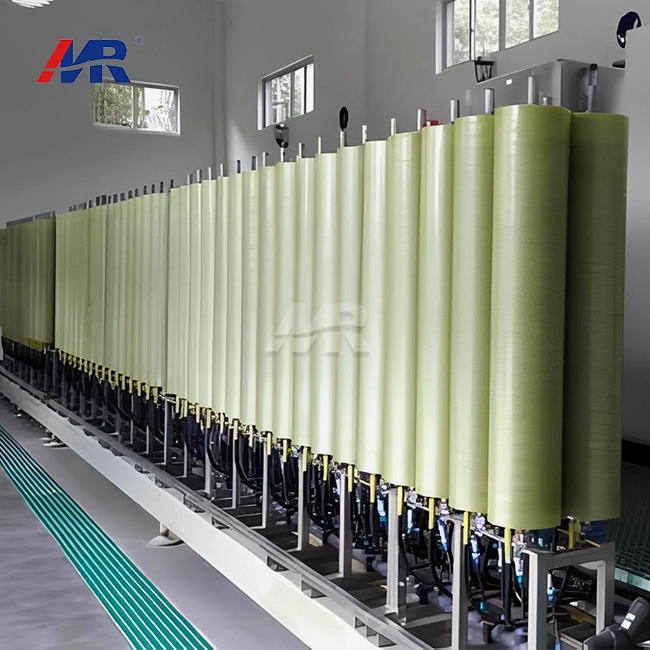 VIEW MORELeachate DTRO Treatment Equipment
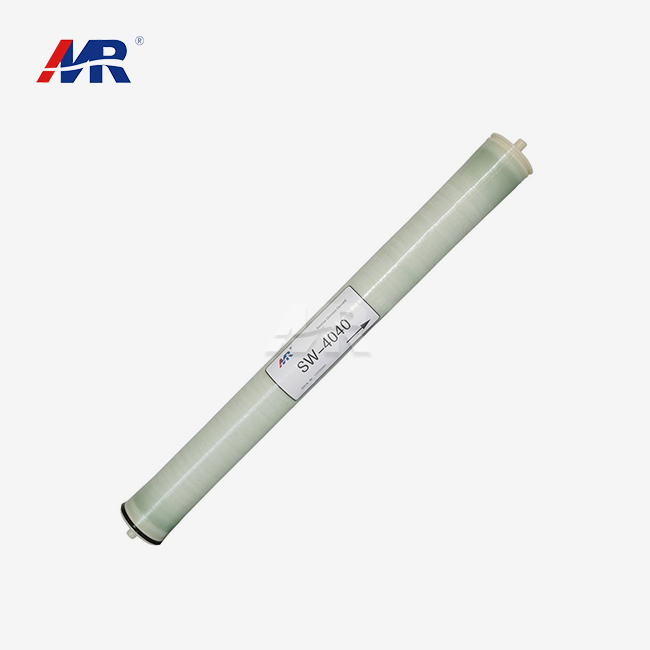 VIEW MOREswro membrane
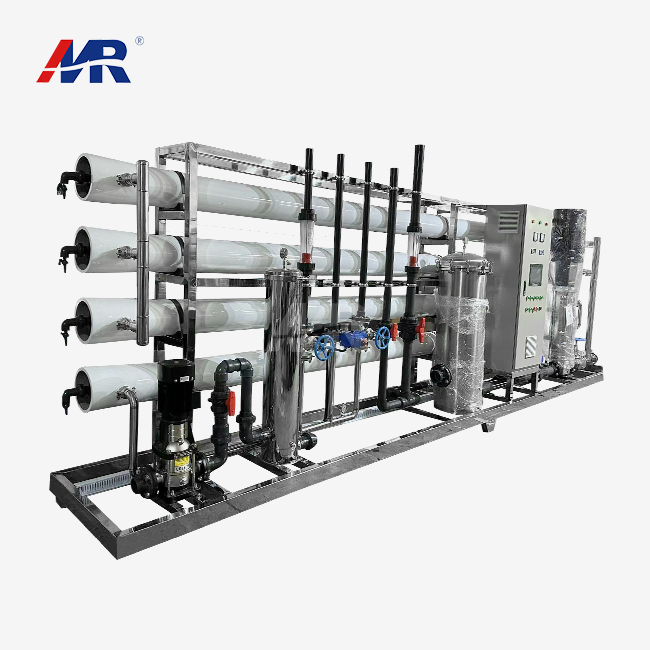 VIEW MOREreverse osmosis plant
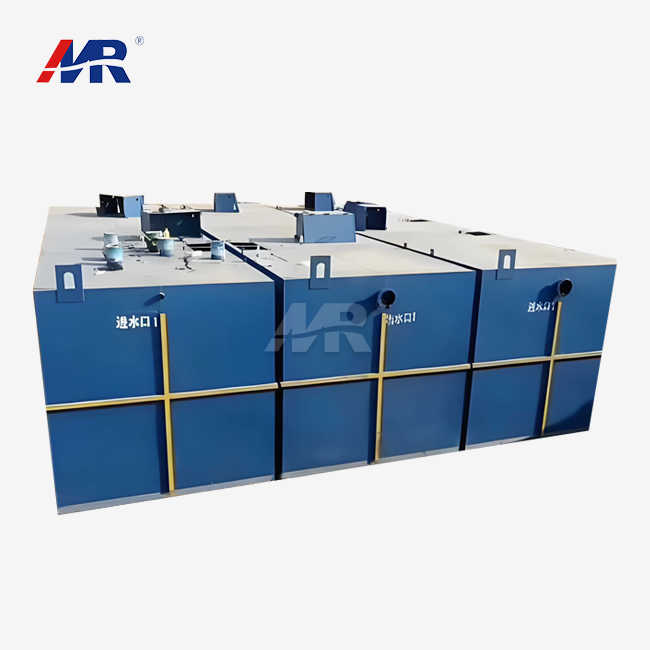 VIEW MOREcommercial sewage treatment plant
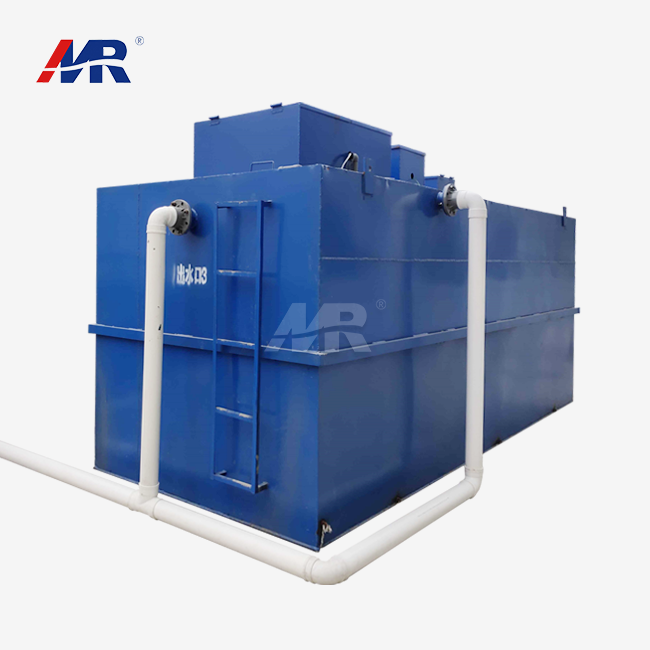 VIEW MOREMBR wastewater treatment plant
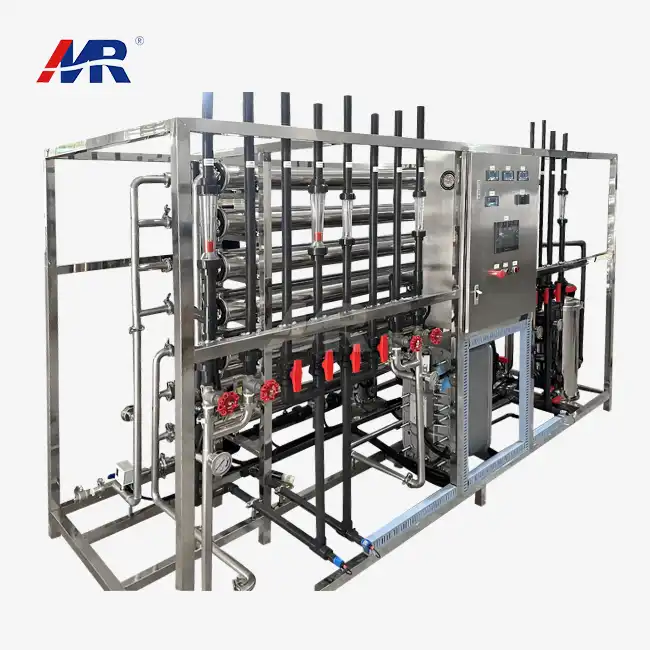 VIEW MORE2m3/hour EDI system
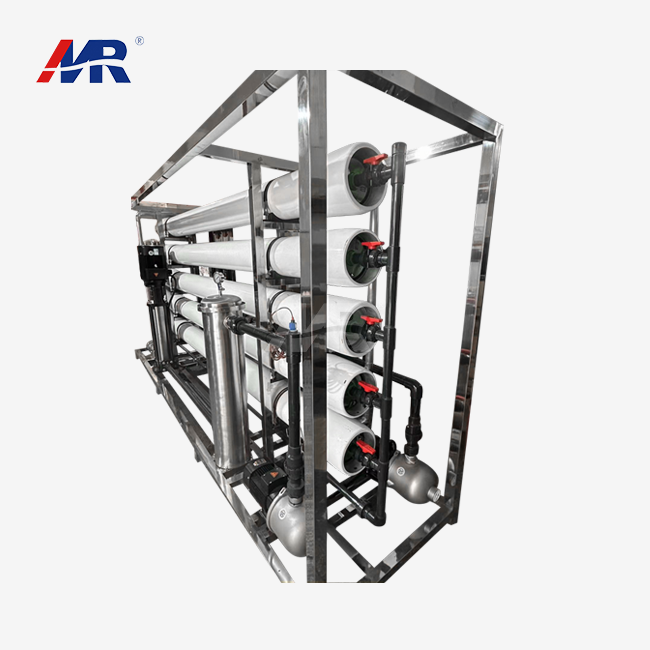 VIEW MOREreverse osmosis water treatment equipment
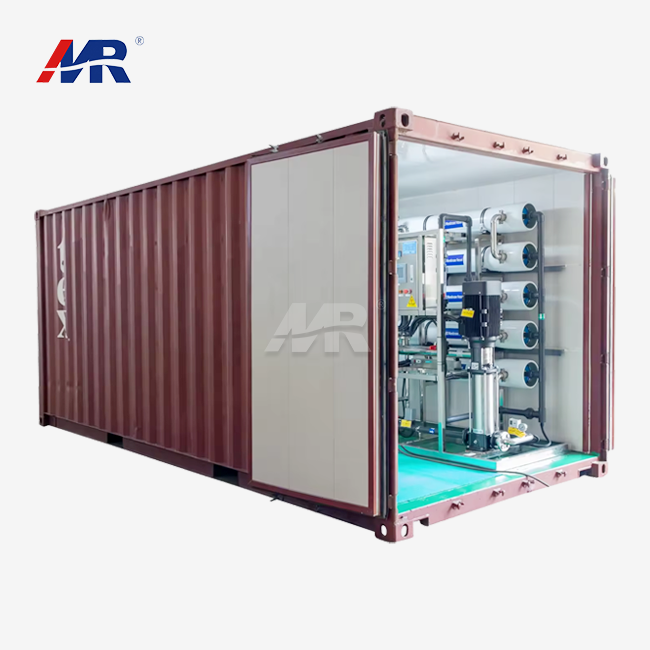 VIEW MOREmobile container reverse osmosis equipment
