_1745823981883.webp)

The Benefits of Using Reverse Osmosis Systems for Hard Water Softening and Mineral Removal
Industrial and business areas have a lot of problems with hard water, but installing a complete reverse osmosis system is a good way to get rid of minerals and soften the water. These high-tech filter methods get rid of dissolved calcium, magnesium, and other harmful contaminants that hurt the performance of tools and the quality of the product. Reverse osmosis is a better way to clean water than traditional water softening methods. It also lowers running costs and improves process efficiency for companies in manufacturing, food processing, pharmaceuticals, and public settings.

Understanding Reverse Osmosis Systems and Their Role in Hard Water Softening
How Reverse Osmosis Technology Works
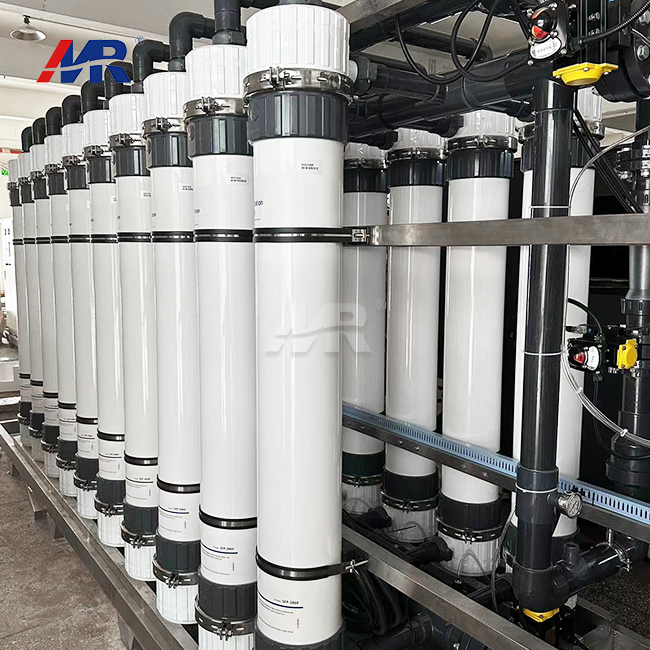
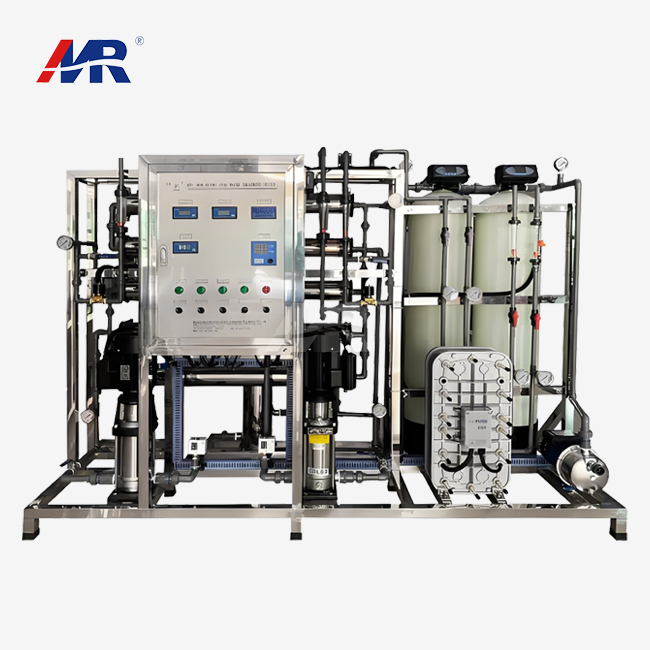
Reverse osmosis uses a complex, multi-stage method that works well to deal with problems caused by hard water. The system starts with pre-treatment steps. Sediment filters get rid of bigger bits like sand and dirt, and carbon filters get rid of chlorine, volatile organic compounds, and other harmful substances that could hurt the RO membrane. This first step makes sure that the membrane works well and lasts a long time.
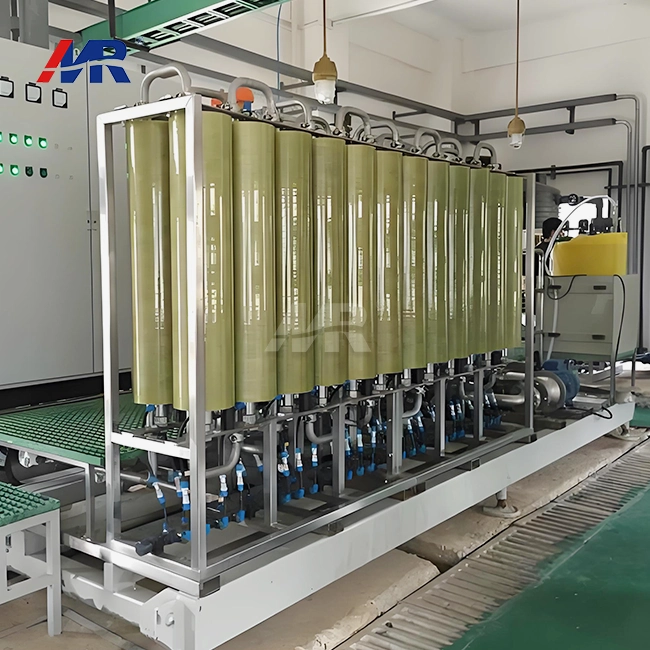
When water is pushed through semi-permeable barriers at high pressure, this is called core filtration. These membranes have very small holes, about 0.0001 microns across, that only let water molecules through but not dissolved minerals, salts, or contaminants. The clean water, called permeate, moves to holding tanks, while controlled draining systems send out wastewater, which is made up of concentrated contaminants.
Comparison with Traditional Water Softening Methods
Usually, sodium ions are used instead of calcium and magnesium ions in ion-exchange devices. This makes the water softer but also saltier. A carbon filter works best on chlorine and organic molecules, but it doesn't work well on dissolved minerals. Reverse osmosis is better than these common ways because it gets rid of up to 99% of dissolved solids, such as heavy metals, bacteria, and chemical pollutants that regular softeners can't get rid of.
Because membrane technology is so accurate, reverse osmosis for hard water can fix more than one problem with water quality at the same time. Ion-exchange systems need to have their salts replaced regularly and produce chloride-rich wastewater. RO systems, on the other hand, don't need any chemical additives to work, which makes them better for industrial uses that need steady water cleanliness.
Benefits of Reverse Osmosis for Industrial and Commercial Applications
Enhanced Process Efficiency and Equipment Protection
Reverse osmosis systems are very helpful for industrial settings, especially when it comes to getting rid of scale buildup that can damage equipment. Minerals in hard water build up calcium and magnesium layers that make boilers, cooling towers, and heat exchanges less effective at moving heat. Up to 30% more energy is used because of these mineral buildups, and equipment lasts a lot less time.
Scale doesn't form on RO-treated water, so it keeps the best heating efficiency and cuts energy costs by a large amount. When manufacturing facilities use demineralized water for important processes, they report fewer repair intervals and longer machine life. The stable water quality also makes it easier to make regular Products in the food and drink industry, the medicine industry, and the electronics industry.
Compliance and Quality Assurance
Reverse osmosis is used by the pharmaceutical and biotechnology businesses to make sure that their water meets the strict Good Manufacturing Practice (GMP) guidelines for purity. These rules say that water has to have a certain amount of conductivity and very few bacteria in it. RO systems can safely provide this water. RO technology is used by food and drink companies to make sure that their products always taste the same and to follow safety rules about production water quality.
Ultrapure water is needed to clean chips and do other precise work in the electronics and computer industries. When RO systems are paired with electrodeionization (EDI) technology, they make water that has a resistance of more than 18 megohm-cm. This meets the strict standards needed for making semiconductors and stops contamination problems that cost a lot of money.
Environmental Sustainability and Resource Conservation
Modern reverse osmosis systems use new technologies to collect water, which addresses long-standing worries about the production of wastewater. Modern membrane designs and pressure optimization cut down on water waste while keeping the efficiency of cleaning high. Energy recovery devices take pressure from concentrate streams and use it again, which greatly reduces the amount of energy used generally.
Facilities that can recycle water can use treated water for more than one purpose, which lowers total consumption and supports business green efforts. This way of protecting resources is especially helpful in places that are struggling with water and where supply costs are going up, and environmental rules are getting stricter.
Selecting the Right Reverse Osmosis System for Your Business Needs
Capacity and Scalability Considerations
To find the right system capacity, you need to carefully look at high usage, storage needs, and plans for future growth. Point-of-use systems that can process 50 to 500 gallons of water every day might be needed for small businesses, while systems that can process thousands of gallons of water every hour are needed for big factories. Modular designs let you add more space without replacing the whole system, which gives businesses more practical freedom as they grow.
Variations in the process and times of high usage must be taken into account when figuring out the flow rate. Pharmaceutical plants often need to have access to high-purity water all the time, which means they need more storage space and backup systems to keep production going. Manufacturing operations that use batch processes might be able to get by with smaller systems and smart storage options.
Advanced Features and Technology Integration
Today's RO systems use advanced tracking and control technologies that improve performance while requiring less daily input. Automatic membrane cleaning systems, settings that optimize pressure, and real-time tracking of water quality make sure that output stays the same while lowering the need for upkeep. In workplace settings where constant operation is important, these automated functions are especially useful.
Designs that use less energy have variable frequency drives, high-efficiency pumps, and smart pressure control systems that make running the business much cheaper. Adding UV disinfection gives extra protection against microbes for uses that need complete cleanliness, and advanced pre-treatment choices handle specific contamination problems in various water sources.
Certification and Quality Standards
With NSF approval, you can be sure that reverse osmosis systems meet the strict safety and performance standards set for water treatment equipment. These approvals give procurement workers faith in the system's dependability and compliance with regulations. Products that have been cleared by the FDA are needed in areas like food and medicine, where regulations are very strict.
Third-party testing proof shows how well the system works in the real world, which is useful information for making decisions about buying. Quality licenses also make it easier to negotiate insurance and warranties, and they help with the paperwork that is needed to follow the rules in controlled industries.
Maintaining Your Reverse Osmosis System for Optimal Performance
Preventive Maintenance Protocols
Effective upkeep plans make sure that reverse osmosis systems keep working well for as long as they are in use. Regularly replacing filters keeps the water quality at its best and stops membranes from getting fouled up too soon. Pre-filters need to be replaced every three to six months, but ro membranes can work well for two to three years if they are kept in good shape.
When to clean the membranes depends on the quality of the feed water and how the system is used. Mineral scale, bacterial fouling, and organic layers that build up over time can be removed with chemicals. Professional cleaning services use special chemicals and methods to get membranes working again without damaging them, which greatly increases their useful life.
Performance Monitoring and Optimization
Key performance markers should be checked on a regular basis so that system degradation can be found early and expensive failures can be avoided. Differential pressures, permeate flow rates, and conductivity readings can help you understand the health of the membrane and the whole system. When parameters go beyond acceptable levels, automated monitoring systems send out alerts. This lets repair workers do their jobs before they break down.
Testing the water quality on a regular basis makes sure that the cleaned water meets the standards and finds problems before they affect activities. Full testing plans should include looking at microbes, making sure the chemicals are correct, and measuring electricity in the right way for each use.
Wastewater Management and Environmental Responsibility
New approaches to managing concentrates have been developed to reduce their negative effects on the environment and possibly recover useful resources. For certain uses, concentrate streams can go through extra cleaning, or they can be partially recycled to use less water overall. Zero liquid discharge systems combine RO with evaporation and condensation technologies to get rid of all wastewater release.
To get rid of concentrates properly, you need to know the area rules and environmental standards. Concentrate can be used in some industrial settings to control dust, make up cooling towers, or water plants. This turns waste streams into useful resources while lowering the damage they do to the environment.
Morui Environmental Technology: Your Trusted Water Treatment Partner
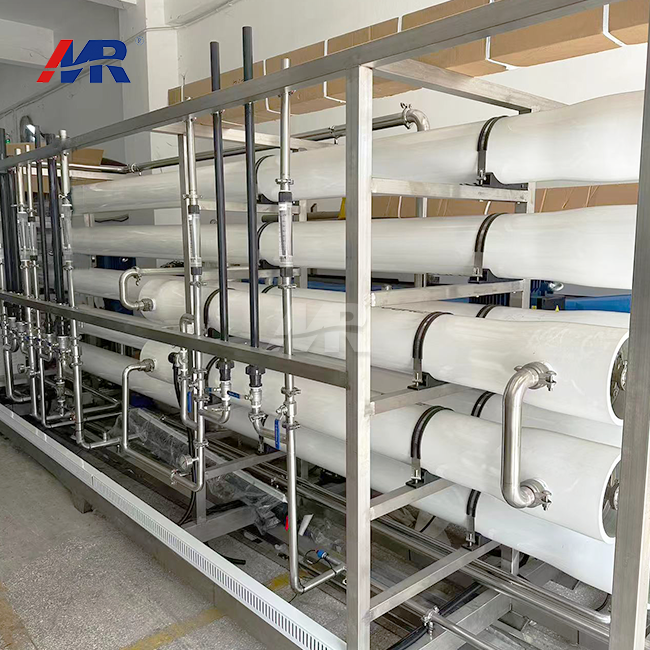
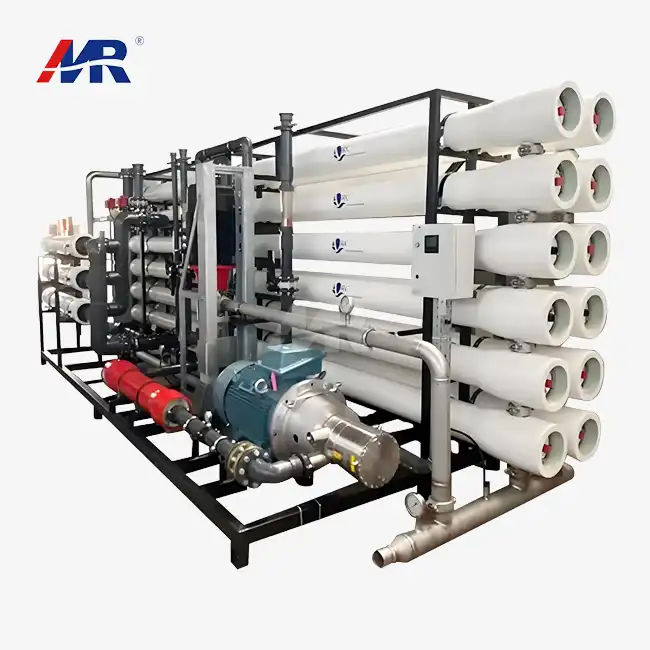
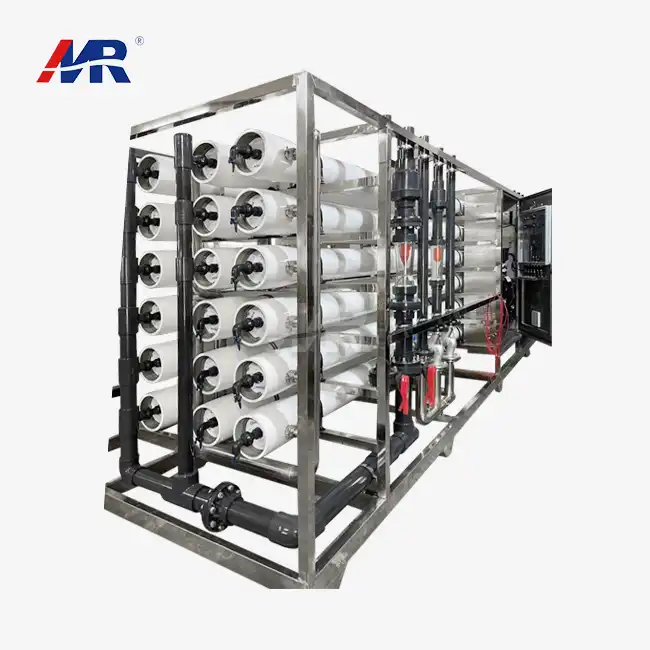
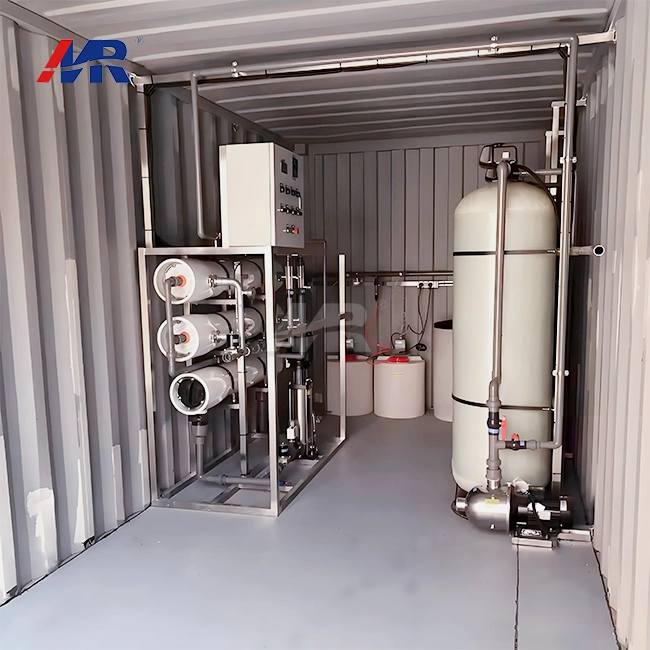
When it comes to custom water cleaning options for a wide range of commercial uses, Guangdong Morui Environmental Technology has a lot of experience. Our wide range of products includes reverse osmosis systems designed for different sizes and needs, from small point-of-use units to huge industrial setups that can process thousands of gallons of water every day.
Our engineering team of twenty experienced professionals offers full support, including system design advice, installation supervision, and ongoing upkeep. With more than 14 locations across the country and more than 500 committed workers, we can provide quick local help no matter where the project is located. As part of our combined approach, we have our own plant for making membranes and various companies for processing equipment. This lets us keep an eye on quality and lower costs throughout the whole manufacturing process.
We have smart relationships with top component makers like Shimge Water Pumps, Runxin Valves, and Createc Instruments. This gives us access to high-quality parts and new technologies. This all-around control of the supply chain lets us offer full water treatment options at prices that are still competitive for large purchases.
Our dedication to quality goes beyond just delivering tools. It also includes full training programs, preventative upkeep services, and the ability to help in an emergency for reverse osmosis for hard water. We know that water treatment systems are important investments in infrastructure, and our service approach respects this by offering performance guarantees and specialized customer support.
Conclusion
When it comes to industrial and business uses, reverse osmosis systems are the best way to soften hard water and get rid of minerals. The technology improves the quality of the water while also lowering costs, making tools last longer, and helping to meet global sustainability goals. Careful system selection, regular upkeep, and professional help make sure that the system works well and reliably. When a business invests in good RO technology, it gains a competitive edge through more efficient processes, better compliance with regulations, and lower long-term running costs.
FAQ
Q1: Can reverse osmosis systems remove fluoride from industrial water supplies?
Fluoride compounds can be removed successfully by reverse osmosis technology, which can achieve 95–99% reduction rates based on the system's design and how it is used. Industrial sites that are worried about fluoride contamination can rely on RO systems to regularly produce water that is free of fluoride and safe for use in medicinal and sensitive manufacturing processes.
Q2: What are the typical water waste ratios for industrial RO systems?
Modern commercial reverse osmosis systems can collect between 70 and 85% of the water that goes through them. This means that between 15 and 30 percent of the feed water ends up as concentrate waste. Even higher recovery rates can be reached with advanced system designs that include multiple passes and concentrate recycling. This is especially important for sites that are in areas with limited water supplies or that have to pay a lot for water.
Q3: How long do RO membranes last in industrial applications?
Industrial RO membranes usually last between 2 and 5 years, but this depends on the quality of the feed water, how they are used, and how often they are maintained. With the right pre-treatment, regular cleaning, and chemical doses, membrane life can be greatly increased. When systems are well taken care of, high-quality membranes often perform better than what the maker says they should, giving you a great return on your investment.
Q4: What capacity ranges are available for commercial RO systems?
There are a lot of different kinds of commercial reverse osmosis systems, from small point-of-use units that can process 50 gallons of water every day to huge industrial setups that can process over 100,000 gallons every day. Modular designs let you change the system's capacity or add on to it in the future without having to replace the whole thing. This gives your business the freedom to adapt to changing needs.
Partner with Morui for Superior Reverse Osmosis Solutions
When it comes to treating industrial water, problems need to be solved with reliable methods backed by proven knowledge and full support. When it comes to designing and installing a reverse osmosis system, Morui Environmental Technology is ready to meet your unique needs. Our engineering team gives thorough advice on how to find the best configurations that balance speed, efficiency, and running costs.
Get in touch with our experts at benson@guangdongmorui.com to talk about your water treatment needs and look into getting a reverse osmosis system at a price that beats the competition. We have a variety of payment choices and bulk savings that make advanced water treatment technology available to businesses of all sizes.
References
1. Smith, J.A., et al. "Industrial Water Treatment Technologies: Performance Analysis of Reverse Osmosis Systems." Journal of Industrial Water Management, Vol. 45, No. 3, 2023, pp. 112-128.
2. Thompson, R.K. "Membrane Technology in Industrial Applications: Cost-Benefit Analysis and Performance Optimization." Water Treatment Engineering Quarterly, Vol. 28, No. 2, 2023, pp. 45-67.
3. Chen, L.M., and Davis, P.R. "Hard Water Impact on Industrial Equipment: Economic Analysis and Mitigation Strategies." Industrial Process Water Journal, Vol. 19, No. 4, 2023, pp. 203-219.
4. Rodriguez, M.S. "Regulatory Compliance in Water Treatment: Meeting GMP and FDA Standards Through Advanced Filtration." Pharmaceutical Water Systems Review, Vol. 15, No. 1, 2023, pp. 78-94.
5. Anderson, K.T., et al. "Energy Efficiency in Reverse Osmosis Systems: Technology Advances and Environmental Impact." Environmental Engineering Progress, Vol. 42, No. 3, 2023, pp. 156-174.
6. Williams, B.J. "Maintenance Protocols for Industrial Membrane Systems: Best Practices and Performance Optimization." Water Technology Maintenance Handbook, Vol. 31, No. 2, 2023, pp. 89-108.