

_1745823981883.webp)

Reverse Osmosis vs Traditional Water Softener for Hard Water: Which is More Effective?
Does reverse osmosis or a regular water softener work better to get rid of hard water? It is based on what your business wants. Traditional Water Softener Systems are excellent at removing calcium and magnesium ions through ion exchange, making them excellent at resolving basic hard water problems. But reverse osmosis cleans water fully by getting rid of almost all solids that are dissolved in it, even minerals that make water hard. Water softeners get rid of certain amounts of grit more quickly and for less money, but reverse osmosis makes better water for businesses that need very clean water, like pharmaceuticals, food processing, and factories.

Understanding Hard Water and Its Challenges
Hard water is one of the worst things that companies and businesses in the US have to deal with. Minerals in the water, mostly calcium and magnesium carbonate, can cause this condition if there are more than 120 milligrams of them per liter. The hard water they use often causes problems for factories, food processing plants, and drug companies. It slows down their work and wears out their equipment faster.
Impact on Industrial Equipment and Operations
Hard water makes things look bad, but it does a lot more than that. Mineral layers buildup causes scale to form, which makes it work very hard and hurts your bottom line. It is possible for heaters, heat exchanges, and cooling devices to lose some of their ability to move heat. This makes them use more power, and things break down faster. Certain industry processes can't work well with hard water because it doesn't meet strict water quality standards. This is especially true in the health and tech fields.
Recognizing Hard Water Problems in Your Facility
You can fix hard water problems before they cost a lot of money to fix if you find them early. White chalky layers on fixtures and equipment, soap and cleaners that don't work as well, and metal parts that rust faster are all familiar signs. Many times, process engineers discover that industrial processes that need water work less well. Also, maintenance teams say that equipment breaks down and needs to be cleaned more often.
Costs go up because of things like using more chemicals, changing equipment more often, and keeping up with longer repair plans in reverse osmosis for hard water. This has a clear effect on the economy. Being aware of these issues helps people who work in sales make the case for spending money on the right water treatment solutions that get rid of the causes instead of just fixing the symptoms.
Traditional Water Softeners: Mechanisms and Benefits
The industry has used ion exchange technology for decades, and salt-based water softener systems have also used it for decades. In these systems, special resin beads pull in and hold minerals that make things hard. The minerals are then chemically exchanged for sodium ions in a controlled way. This well-known technology gets rid of hardness in a way that allows factories to keep their operations going easily.
Ion Exchange Technology and Industrial Applications
There are pressure tanks with thousands of synthetic resin beads that are used in the ion exchange process. These beads are made to remove only calcium and magnesium ions. Hard water runs through the resin, and minerals that are bad for you stick to the top. Sodium ions then escape into the water stream. This process gets rid of the power of hard water to make scales without making things worse.
Industrial water softening systems are better than home ones in many ways, such as having higher flow rates, longer service cycles, and stronger construction that can work nonstop. In factories, scaling in process equipment is less of a problem. Heat movement is also better, and cleaning jobs require fewer chemicals.
Operational Benefits and Cost Considerations
The science behind water softeners makes things better in ways that can be tested and show that the investment was worth it. If the softeners in your tools are working right, it will last longer, need less maintenance, and use less power. This saves a lot of money because there is less downtime, less need for repairs, and less need for new parts.
To get the resin's ion-exchanging ability back, the renewal process needs to be washed with salt brine solution often. This is now done automatically based on how much water is used or how long it's been since the last clean. This makes sure that no matter what, the system will always work the same way. If facilities know what they need to run, they can better plan for long-term costs like repairs and supplies.
Reverse Osmosis Systems: Technology Overview and Application
In reverse osmosis, molecule-level cleaning is used to get rid of solids that have been dissolved in water. For this, membrane shields that let some things through are used. Reverse osmosis systems lower the percentage of all dissolved solids instead of just focusing on certain minerals, like other cooling methods do. This makes water that is very clean and can be used in harsh industrial settings. This method can fix a lot of water quality issues at once, which makes it very useful for some business processes.
Membrane Technology and Filtration Capabilities
Pressurized water is pushed through membranes that were carefully made and have holes that are measured in angstroms. This process is called reverse osmosis. A very small amount of water can pass through these holes, but salts, minerals, and other pollutants that have been dissolved can't. Softeners can't get rid of chlorides, sulfates, nitrates, and other chemicals. This machine can, along with hardness minerals.
More than one membrane stage is used in industrial reverse osmosis systems to get the required amount of cleanliness while still getting water back quickly. Steps taken before treatment keep membranes from getting clogged and make them last longer. After cleaning, steps are taken to make the water even better for certain uses. It can be changed to fit the needs of different businesses thanks to its flexible design.
Applications Requiring High-Purity Water
Industries that deal with drugs, technology, and food all use reverse osmosis systems to make sure their water meets strict standards for quality. Pharmaceutical plants need water that meets USP guidelines for pure water to make drugs. On the other hand, semiconductor companies need very clean water to clean their chips. Brands of food and drinks use reverse osmosis to make sure their goods stay the same and last longer.
A lot of different jobs can be done with this technology, like making boiler feed water, water for cooling towers, and cleaning processes. Everything that gets in the way is removed by reverse osmosis. This is good for every use because it keeps tools safe and the quality of the product consistent.
Reverse Osmosis vs Traditional Water Softeners: Comparative Analysis
If you want to choose between a reverse osmosis system and a regular water softener, you should think about how well they work, how much they cost, and your own needs. There are pros and cons to each method, depending on the issues with the water quality and the goals. Knowing these differences will help you choose what to buy in a way that will improve success in the short term and over the long term.
Performance and Contaminant Removal Capabilities
Traditional water softeners get rid of hardness minerals through targeted ion exchange, which works well and doesn't use much energy. These ways keep things running smoothly even when the water conditions change and stop the scale from growing. But they can't get rid of salts that have been dissolved, chemical molecules, or other impurities that could damage important manufacturing processes.
Reverse osmosis systems can get rid of up to 99% of the contaminants in liquids. Hardness minerals, salts, heavy metals, and chemical substances are some of these pollutants. They are needed for tasks that need very clean water because they can block a lot of different colors. As you might expect, this uses more energy, is harder to maintain, and costs more to begin with than standard smoothing.
Economic Considerations and Total Cost of Ownership
Water softener systems are easier to set up and cost less up front most of the time. Some of the costs of running the business are renewing the salt, changing the glue every so often, and general maintenance. It's easy to make budgets because these prices don't change. They also help stop growth right away.
Tools, assembly, and pre-treatment parts for reverse osmosis systems cost more to buy at first. Getting rid of the concentrate, changing the membrane, and using energy are all things that add to the operating costs. The better water quality generally makes up for these extra costs when ultra-pure water is needed to follow the law, make sure Products are safe, or keep tools safe.
Environmental Impact and Sustainability Factors
Traditional water softeners release brine that is full of salt when they need to be renewed. In places that care about the environment, this might need to be done in a certain way. There are places in cities and towns that control or limit salt flow, which could make softeners less useful. But these systems tend to use less energy and produce less wastewater than reverse osmosis systems.
The waste streams that come out of reverse osmosis systems are concentrated and contain contaminants that aren't allowed. Most of the time, these waste processes need to be thrown away or handled properly. It takes more energy and water to run the system at high pressure, and the return rates show that a lot of water may be wasted. High-tech systems have energy-recovery tools and work at the best levels so they have the least impact on the world.
Making an Informed Procurement Decision for Your Business
Before you buy water cleaning tools, you should carefully think about what your building needs, what your operations can't do, and what your long-term business goals are. A lot of things must be carefully thought through by buying teams in order to get the best results when choosing between reverse osmosis and regular water softening. These things can help you make sure that your investment goes as planned and helps the company meet its bigger goals.
Assessment Criteria and Decision Framework
That study of water quality tells us what kinds of pollutants are in the water and how much of them there are. To pick the right tool, this data is used. Focused softening or full cleansing is chosen based on how hard the water is, how many dissolved solids are in it, and whether there are any other impurities in it. Standard softening is good for guarding against scale, but reverse osmosis treatment is needed for processes that need very clean water.
Choose the right method and make sure it's the right size based on the operating scale. For big companies, it might be necessary to have more than one way to clean, or a method that uses both technologies at the same time. For small businesses, it might be more important to keep things easy and need less upkeep than the quality of the water in the end. Things like budget limits, open space, and technology know-how are also taken into account when a choice is made.
Integration with Existing Infrastructure
Water systems, electricity needs, and space restrictions must all be carefully thought through so that the implementation goes smoothly. Traditional water softeners are easy to set up and don't need as many changes to the pipes most of the time. In order to set up reverse osmosis, you may need extra pumps, power connections, and a way to get rid of the concentrate. This can make the process harder and cost more.
It is helpful for many business places to use hybrid methods that combine pre-treatment with water softening and cleaning with reverse osmosis. Set up this way, scale doesn't damage the expensive RO filters, and the water quality standards are still met. These systems get the best performance and lowest running costs because they use the best parts of each technology.
Water treatment decisions impact facility operations for years, making supplier selection equally important as technology choice in reverse osmosis for hard water. Reliable suppliers provide ongoing support, training, and replacement parts that ensure consistent system performance throughout the equipment lifecycle.
Conclusion
The type of water softener you choose will depend on your business's needs and the quality of the water you're having problems with. While standard Water Softener systems remove hardness for basic scale protection at a low cost, reverse osmosis provides thorough cleaning for demanding uses. When picking the best choice, you should think about how well it works, how much it costs each day, and your long-term goals for survival. Using both technologies together to get better results and better cost control is helpful in a lot of places.
FAQ
Q1: Can traditional water softeners remove iron from water?
Most everyday water softeners can get rid of up to 2 to 3 parts per million of dissolved iron with ion exchange. They can't handle iron bits that have been changed well or iron amounts that are too high. There may be special ways to get rid of or treat water that has a lot of iron in it.
Q2: Which system offers better long-term cost efficiency?
Hard water is generally the least expensive thing to get rid of because water softeners are cheaper to buy and run. It is worth the extra cost to get a reverse osmosis system when you need very clean water for quality reasons or to follow the rules. How much it costs to own something depends on what it's used for and what the water quality goals are.
Q3: How often do these systems require maintenance?
Every month, you need to check the salt amount in a traditional water softener and have it repaired once a year. The membranes and filters in reverse osmosis systems need to be changed more often, every two to three years. Maintenance plans made by professionals make both systems work better and make the tools last longer.
Q4: Can I combine both technologies in one system?
To answer your question, yes, many companies use devices that clean by reverse osmosis and soften water first. With this method, scale doesn't get into expensive RO filters, and the water stays clean to the level that is desired. These setups often offer the fastest speeds and best value for money for heavy-duty tasks.
Partner with Morui for Your Water Treatment Solutions
For more than ten years, Guangdong Morui Environmental Technology Co., Ltd. has helped companies fix water issues. Their clients come from many different fields. We have a lot of different goods, from basic water softeners with big capacities to high-tech reverse osmosis systems made for tough commercial use. We provide full installation and testing services as a top Water Softener manufacturer. We have 20 skilled experts and 500 dedicated workers in 14 branch sites ready to help.
We make sure that quality control and stable supply lines meet your needs at our plant, which makes membranes, and at companies that work with many different types of equipment. Some of the well-known brands we sell are Shimge Water Pumps, Runxin Valves, and Createc Instruments. This means we can take care of all of your water treatment needs. Go to moruiwater.com or email benson@guangdongmorui.com to talk to Our Team about your specific needs and get ideas that will work well for your building.
References
1. Water Quality Association. "Industrial Water Softening: Principles and Applications." Water Treatment Technology Standards, 2023.
2. American Water Works Association. "Membrane Technology for Industrial Water Treatment." AWWA Manual M46, Fourth Edition, 2022.
3. National Association of Water Companies. "Comparative Analysis of Water Treatment Technologies for Industrial Applications." Industry Research Report, 2023.
4. International Water Association. "Energy Efficiency in Industrial Water Treatment Systems." Technical Guidelines and Best Practices, 2022.
5. Environmental Protection Agency. "Industrial Water Treatment: Environmental Considerations and Regulatory Compliance." EPA Guidelines Publication, 2023.
6. World Health Organization. "Water Quality Standards for Industrial and Commercial Applications." WHO Technical Report Series, 2022.
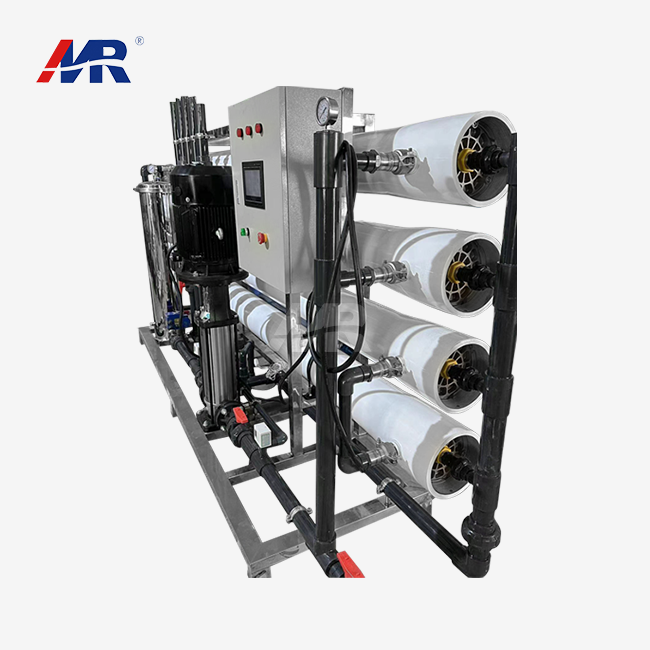 VIEW MOREunder counter reverse osmosis water system
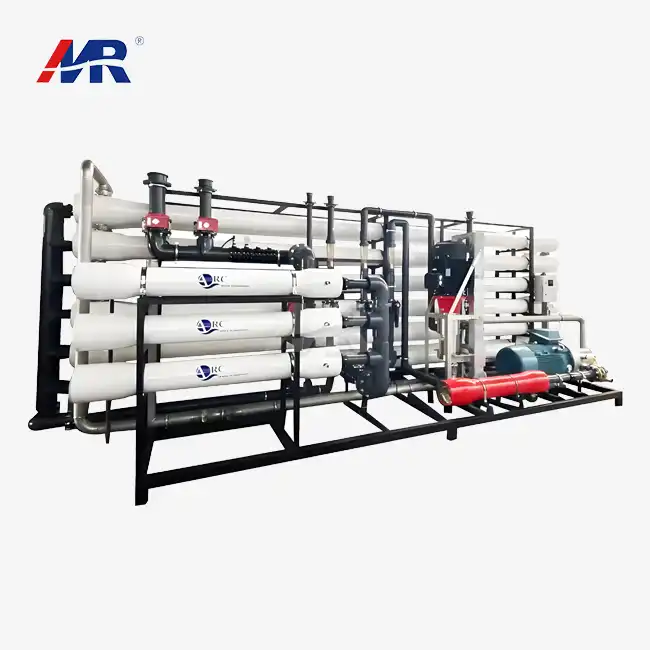 VIEW MORE25m3/hour seawater desalination plant
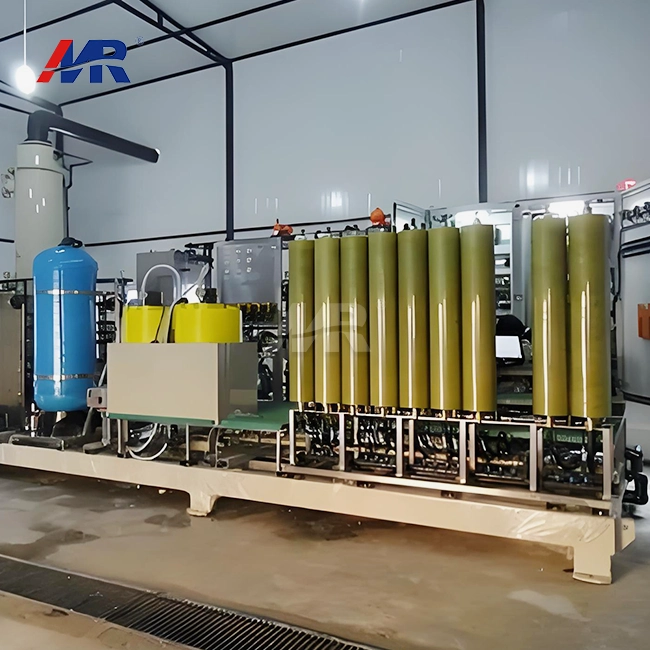 VIEW MOREDTRO Water Treatment
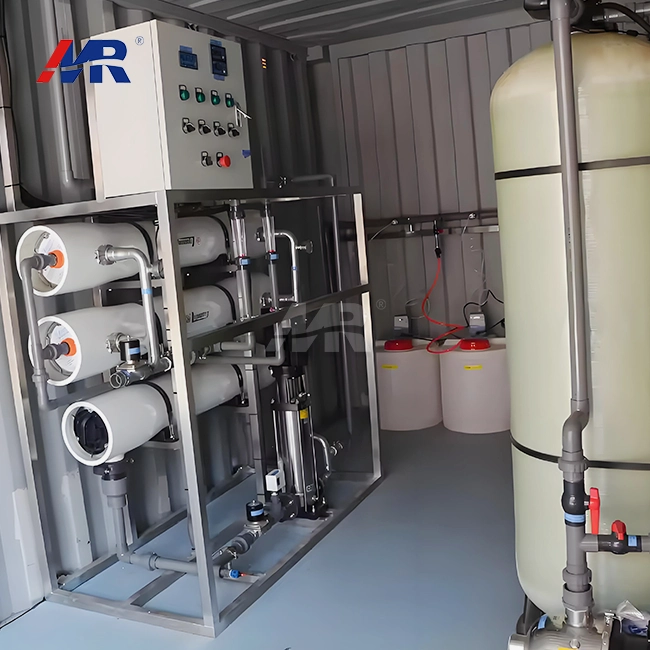 VIEW MOREcontainerized reverse osmosis system
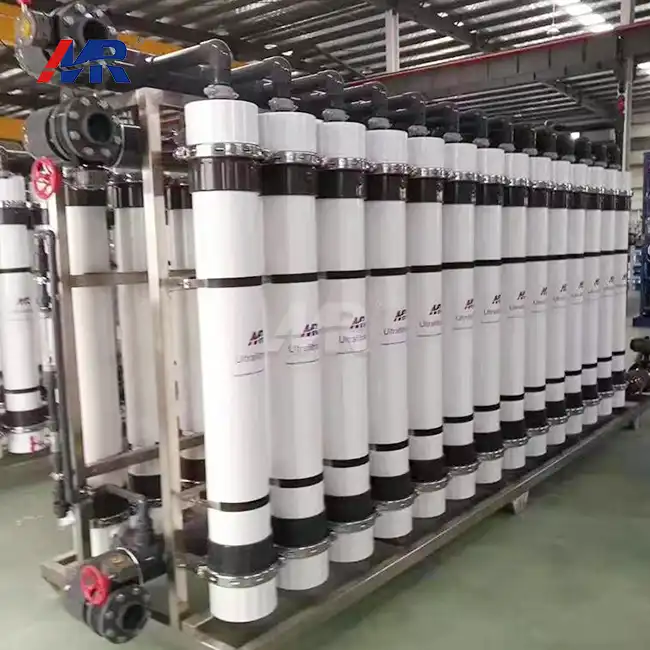 VIEW MORE70m3/hour ultrafiltration plant
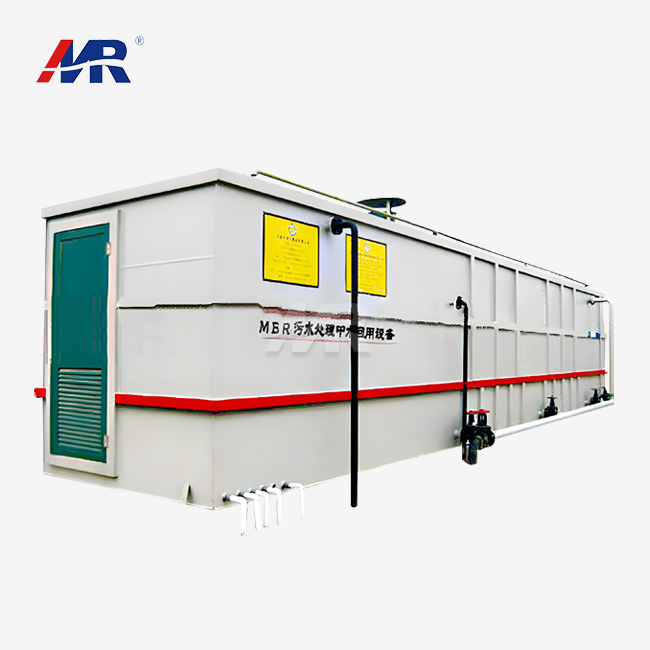 VIEW MOREsewage treatment plant MBR system
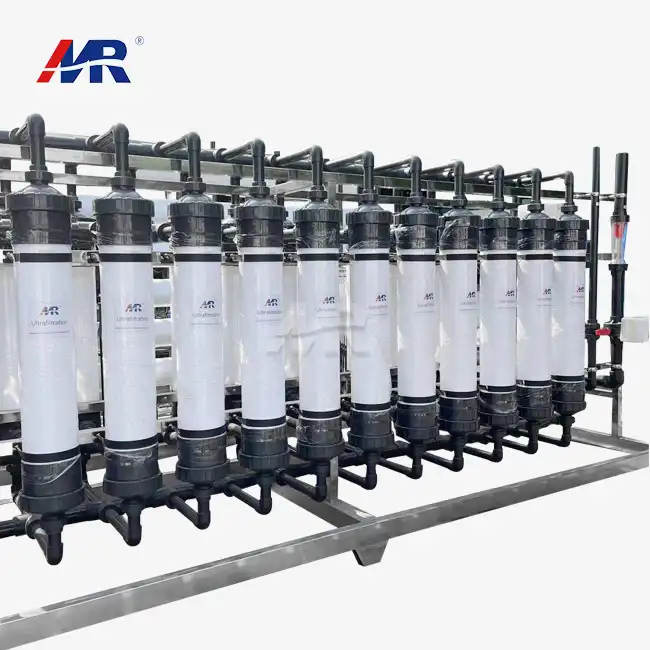 VIEW MORE30m3/hour ultrafiltration equipment
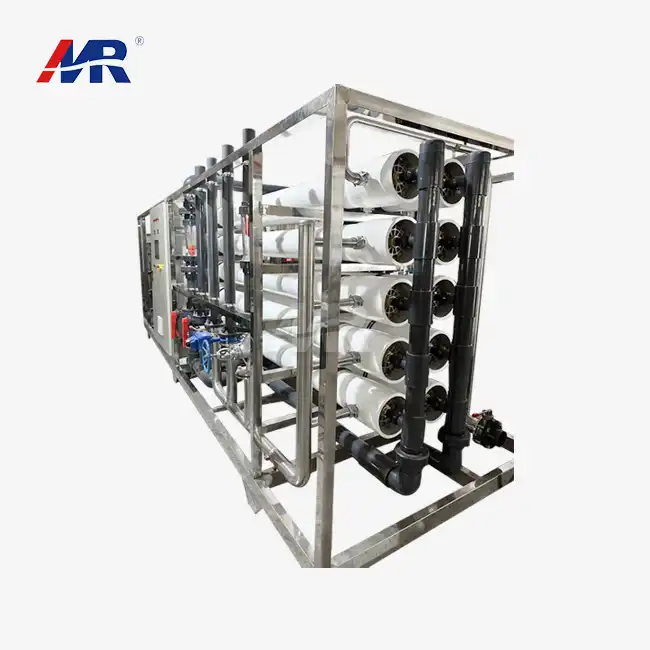 VIEW MORE50m3/hour reverse osmosis equipment
