

_1745823981883.webp)

How to Choose the Best Reverse Osmosis Pressure Pump for Home Use
It is important to pick the right reverse osmosis pressure pump for your home to get the best water treatment. To get rid of the contaminants, the pressure pump sends the water through the RO membrane. This creates the change in pressure that the membrane needs. Your RO system won't be able to give you clean water if the flow isn't right. So picking the right pump is very important for the system to work well and last a long time.

Understanding Reverse Osmosis Pressure Pumps
Your water treatment system's brain is the reverse osmosis pressure pump. It makes the force needed to break down membrane resistance and keep the water moving smoothly. The pressure that these pumps make is between 40 and 100 PSI. This pressure lets water molecules pass through the RO barrier, but not other things that shouldn't be there, like germs, dissolved salts, and chemical pollutants.
Types of Pressure Pumps for RO Systems
There are several kinds of pumps on the market, and each one is designed to be used in a certain way. These pumps are completely submerged, which makes them ideal for well water uses that need to save space. These units don't need as much wiring on the outside and tend to run more quietly, but they need to be put in by someone with the right skills.
People like non-submersible pumps in utility rooms and basements because they don't need to be underground and are easy to keep up. Pumps that boost water pressure don't make it from scratch; instead, they make it better. They work well when the city water flow is too low for an RO system to handle. Pressure bursts are made by diaphragm pumps using membranes that can be bent. This makes them very good at controlling pressure and making good use of energy.
Key Technical Specifications
By reading a pump's specs, you can be sure that it will work with your current water system and continue to meet your needs. The PSI number tells you the maximum pressure that can be let out. Most of the time, the pressure should be between 60 and 80 PSI for the membrane to work best at home. How fast your system cleans water is shown by the flow rate, which is given in gallons per minute.
The engine power of the reverse osmosis pressure pump changes how much power is used and how much water can be pumped. The motors in most home units are between 0.5 and 1.5 horsepower. Things that will be used inside need to be especially quiet because too much shaking or machine noise can make the house uncomfortable. Making a list of how energy-efficient something is is a good way to plan for the long term because it shows how much it costs to run.
Criteria for Choosing the Best Pressure Pump for Home Use
You should think about where your water comes from and how much water your family uses before you buy a pump. When you know these things, you can make smart decisions that balance your need for speed with real-world concerns like cost, space, and energy economy.
Analyzing Water Source Characteristics
How the system is set up and the pump you need, depend on where the water comes from. Most of the time, well water needs more pressure because the source pressure can change, and problems can happen with depth. Even though the pressure in public water sources is more stable, it may still need to be raised when there is a lot of demand or when the base pressure drops below what is ideal.
How much pollution there is in the water is shown by tests. This changes how much work the membrane has to do and how much pressure it needs to work at. There are more solids in the water, which makes the barrier harder. This means the pump needs to be stronger. Seasonal changes can cause water table levels or city supply pressure to change. To keep working well all year, pumps may need to be able to handle a wider range of temperatures.
Essential Performance Metrics
Making sure that your pump can provide enough force in a range of working conditions is called pressure range compatibility. However, different types of membranes may need different pressure levels. Most home RO systems work best between 60 and 80 PSI. Some numbers tell you how much something will cost to run and how much damage it will cause. Most of the time, variable-speed pumps work better than fixed-speed pumps.
It is even more important to think about noise when putting something inside, where too much noise can get in the way of daily life. Many new pumps have noise-reducing features, such as pressure dampening and insulation, that make them quieter. Measures of dependability, like projected service life and repair intervals, affect both the total cost of ownership and how easy it is to use.
Matching Pump Types to Applications
To get the most out of your pumps, you need to make sure they are application-matched. This is because different pump types work best in different Cases. Because they don't make a lot of noise or take up too much space, submersible pumps are great for private wells. They work underwater, which makes the system easier to use and gets rid of problems with starting. However, they need to be put in by someone with special skills.
For service rooms that need to be easy to clean, non-submersible pumps work better. So it costs less to service these units over time because they make it easy to fix problems and swap out parts. These pumps work best when they need to raise the flow of water that is already there, instead of making it flow faster. This means that when they are used for city water needs, they usually use less energy.
Installation and Maintenance Essentials
A repair that is done right is the key to a pump that works well and a system that works at its best. By following the plumbing codes in your area and the directions that came with the equipment, you can make sure that safety rules are followed and get the most use out of it.
Professional Installation Guidelines
Electrical lines need to be properly grounded and kept safe from short circuits so that equipment doesn't break and workers stay safe. To keep noise levels low and mechanical stress low, the pump must be placed in a way that separates vibrations and supports the structure. Drains and pipes should have shut-off switches and pressure relief systems to make maintenance easy and keep the system from breaking.
For a reverse osmosis pressure pump, things like the weather, humidity, and how easy it is to get to for regular service should be taken into account when picking a place. This has an effect on both efficiency and the comfort of upkeep. Things don't get too hot, and electrical parts don't get damaged by water when there is enough airflow. To get a system up and running, the pressure, flow, and control systems must first be checked and set up so that they work perfectly from the start.
Preventive Maintenance Protocols
Plans for regular care keep pumps in good shape, extend their life, and keep you from having to pay a lot of money to fix them when they break. Checks are made visually once a month to find leaks, odd sounds, or sound patterns that could mean issues are getting worse. You can see if the system is slowly breaking down before it changes the water quality by comparing its performance every three months to measurements taken at the start.
As part of regular maintenance, motors are usually oiled, electrical connections are checked, and the control system is set up correctly. When to change a membrane varies depending on how the water is used and how good it is, but in most homes, it should be done every two to three years. You can find trends and the best time to fix your system by keeping full records of the work that you do on it.
Common Troubleshooting Issues
Pressure levels that don't stay the same often mean that the membrane is getting clogged, the pump is wearing out, or there are issues with the control system that need to be carefully identified. A low flow rate can happen when pre-filters get clogged, membranes wear out, or pumps aren't strong enough to handle the demand at the moment. Sounds that don't make sense or are noisy are often signs of mounting, cavitation, or worn bearings that need to be fixed right away.
There are a lot of common problems that you can avoid and figure out when you need professional help. People who live in their own homes can usually fix easy issues like changing the filter or adjusting the flow. But most of the time, a trained expert is needed to fix things that are electrical or mechanical.
Comparing Market Options and Brands for RO Pressure Pumps
There are many well-known brands of pressure pumps on the market, and each one has its own perks and uses. You can make a choice that fits your wants and your budget if you know how a brand is positioned and what a product can do.
Strong brands have been built by consistently offering high quality and a wide range of support services. When you first buy a Grundfos pump, it costs more because they have more features and is known for lasting a long time. Franklin Electric is an expert in underwater uses and has worked with well water a lot. Also, their goods have been put through tests that show they can handle rough conditions.
A lot of the pumps that Pedrollo makes are good deals and work well. They are often chosen by setups that want to save money because of this. They have a good line of Products that work well both underwater and on the surface. Lowara creates smaller designs, uses less energy, and has new motor technology so they can fit in places with limited space.
Performance Benchmarking and Warranty Considerations
The warranty's terms show that the company that made the item trusts its quality and keeps it from breaking down too soon. Value-oriented brands may have shorter warranties that cover fewer things. On the other hand, expensive brands usually have warranties that cover everything for 3 to 5 years. It's often worth the extra money to get a guarantee that lasts longer, since it lowers the problem and fix costs over time.
Standardized testing methods are used to compare the performance of pumps made by different companies. You can use flow rate plots to figure out the right size of the system by seeing how well a pump works with different pressures. Ratings for energy efficiency show how much the pump will cost to run over its whole life. Models that use less power and are more efficient often have higher prices.
After-sales care affects both the total business experience and the long-term happiness of a customer. When it comes to getting parts, manufacturers with big service networks can move faster and do more. Techs in your area are trained through training programs to do the right repairs and maintenance work in your area.
Guangdong Morui Environmental Technology Solutions
Guangdong Morui Environmental Technology Co., Ltd. knows a lot about different ways to treat water. Cutting-edge tech and great customer service are how they do this. As experts in water treatment, we can handle trash from houses and businesses, remove salt from seawater, and make drinking water. We now know more about how to better connect pressure pumps and make things work better.
Our full range of services includes giving you the right tools, setting them up, and making sure they work perfectly from the start. There are more than 14 offices and 500 employees, and 20 of them are skilled engineers. This gives us the scientific depth we need for difficult water treatment projects. We can make things because we have our own workshop where we make membranes and several places where we store processing equipment. This lets us make solutions that are perfect for each situation.
We've made deals with some of the best component makers, like Shimge Water Pumps, Runxin Valves, and Createc Instruments, that help us offer more goods while still maintaining high-quality standards. We can offer ready-made packages that combine tried-and-true parts with our expertise in how to use them. This gives people at home and in businesses the best value for their water treatment projects.
Conclusion
To get the best reverse osmosis pressure pump, you need to look at both the technical specs and the practical ones, like how easy it is to install, how much maintenance it needs, and how much it will cost to run in the long run. Figuring out what your water source is like and how much your family uses will help you pick the right pump size and set up for the most reliable and effective system.
Having a professional install and maintain the pump will keep it running well, protect your investment, and make it last longer. Working with professionals who know how to treat water makes sure that the system is set up correctly and that it gets the help it needs to keep running at its best. It's worth it to spend money on good pumping tools because it will keep the water quality stable, lower the cost of maintenance, and make the system last longer.
FAQ
Q1: What pressure should my RO pressure pump maintain?
There should be between 60 and 80 PSI for most home reverse osmosis systems to work at their best. For better production and water quality, higher pressure is better. Lower pressure, on the other hand, saves energy but may make filters less effective. The best pressure range for your membrane will depend on the water quality and the type of membrane you have.
Q2: How often should I perform maintenance on my pressure pump?
Every three months, performance checks make sure that the pressure and flow rates are right. Visual inspections once a month help find problems early to fix them. When the system is fixed by a professional once a year, they generally service the motor, check the wires, and make adjustments to the system. Based on how often they are used and the quality of the water, pre-filters should be changed every 6 to 12 months, and ro membranes should be changed every 2 to 3 years.
Q3: Can I install a pressure pump myself, or should I hire a professional?
Basic setups can be done by homeowners who are good with tools, but it is best to hire a professional to make sure that all electrical safety rules are followed and the system works as well as it can. Hard-to-do setups with well pumps, electricity, or integrated control systems should only be done by someone who is trained to do so. This will keep people and equipment from getting hurt or broken.
Q4: What size pressure pump do I need for my home?
How much water you use, how many outlets you have, and the water flow you already have will help you choose the right pump size for your house. Most of the time, pumps at home need to be able to pump 5 to 15 gallons of water per minute at 60 to 80 PSI. When a professional looks at a water system, they think about when it will be most used and when it will need to grow in the future to make sure it is the right size.
Partner with Morui for Premium Pressure Pump Solutions
Are you ready to get better water with pressure pumps made for professionals? Guangdong Morui Environmental Technology has a lot of technical know-how and a history of getting things done. They offer a wide range of water cleaning choices. You can be sure that our pressure pump systems and reverse osmosis tools will work perfectly and dependably for your needs.
Send Our Team an email at benson@guangdongmorui.com to talk about how to treat your water, and take a look at our many pressure pump providers. We offer unique solutions, professional installation, and ongoing support to help you get the most out of the money you spend on your system.
References
1. Water Quality Association. "Residential Water Treatment Equipment Standards and Performance Criteria." Water Quality Association Technical Manual, 2023.
2. American Water Works Association. "Membrane Filtration Systems: Design and Operation Guidelines." AWWA Manual M53, 2022.
3. National Sanitation Foundation. "Drinking Water Treatment Units - Reverse Osmosis Systems Performance Standards." NSF/ANSI Standard 58, 2023.
4. Environmental Protection Agency. "Point-of-Use and Point-of-Entry Water Treatment Systems Performance Guidelines." EPA Office of Water Technical Report, 2022.
5. International Association of Plumbing and Mechanical Officials. "Water Treatment Equipment Installation Standards." IAPMO Technical Standards Manual, 2023.
6. Membrane Technology Research Institute. "Pressure Pump Selection and Optimization for Residential RO Systems." Journal of Membrane Science Applications, Volume 45, 2023.
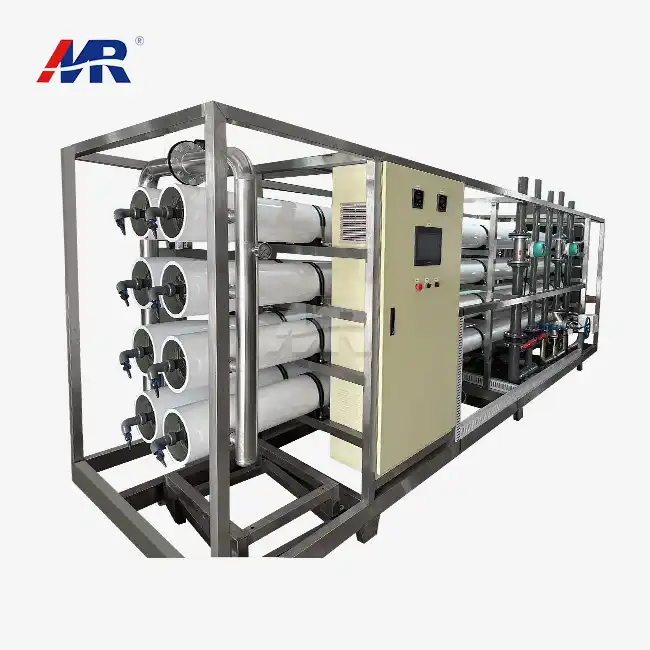 VIEW MORE8m3/hour two pass reverse osmosis system
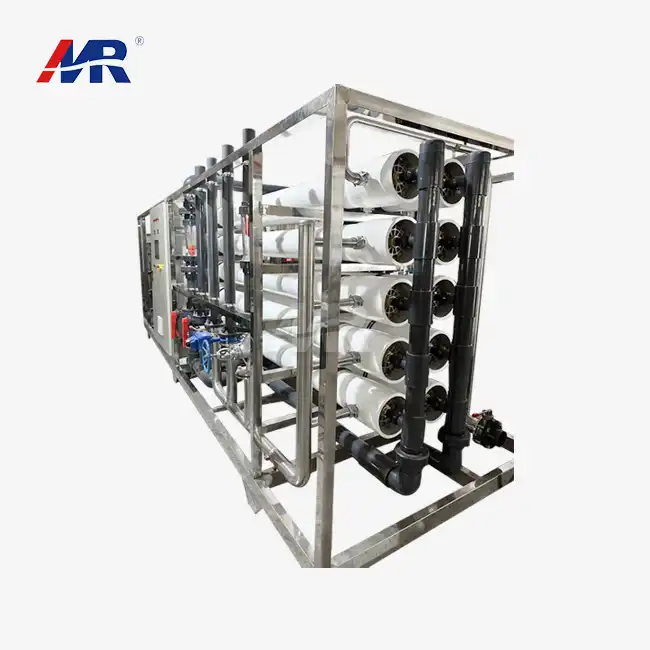 VIEW MORE50m3/hour reverse osmosis equipment
 VIEW MOREro edi system
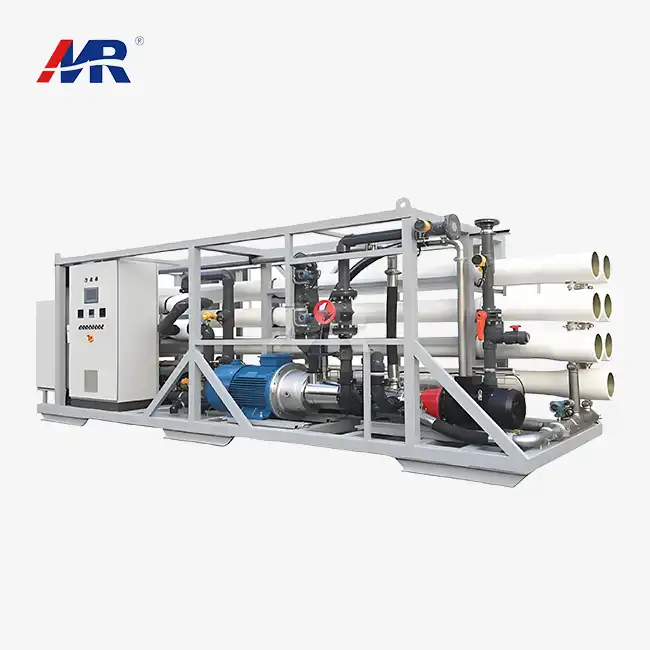 VIEW MORE20m3/hour seawater desalination equipment
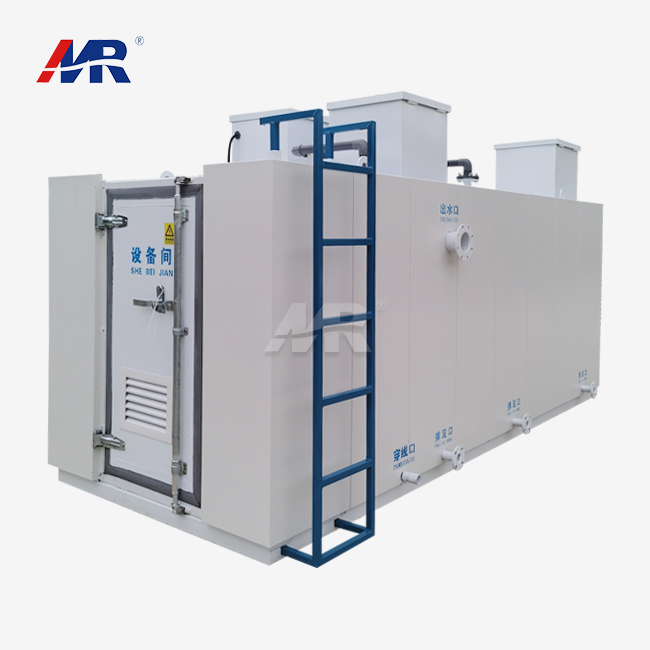 VIEW MOREwastewater treatment plant
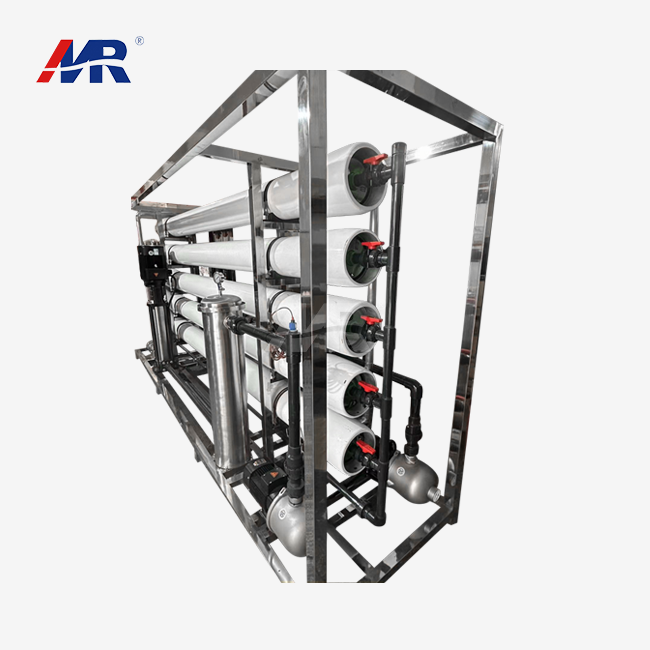 VIEW MOREreverse osmosis water treatment equipment
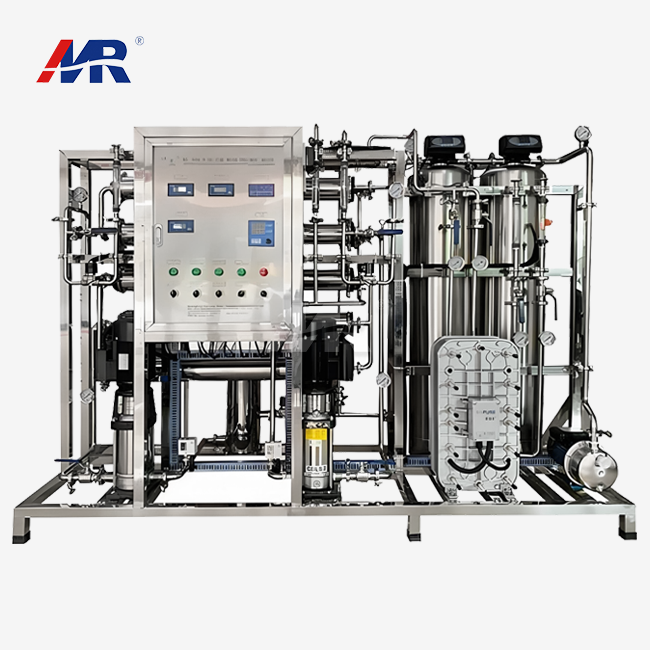 VIEW MOREElectrodeionization system
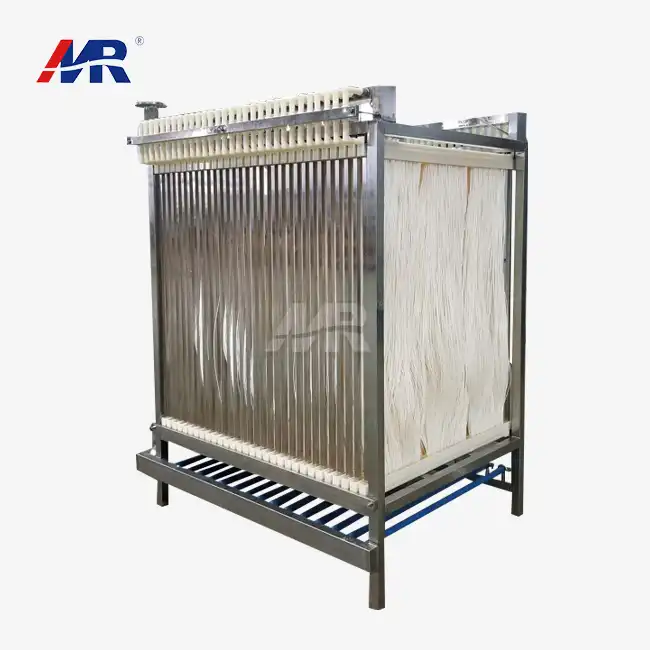 VIEW MOREMBR membrane
