

_1745823981883.webp)

What Is a Compact RO System and How Does It Work? A Complete Guide
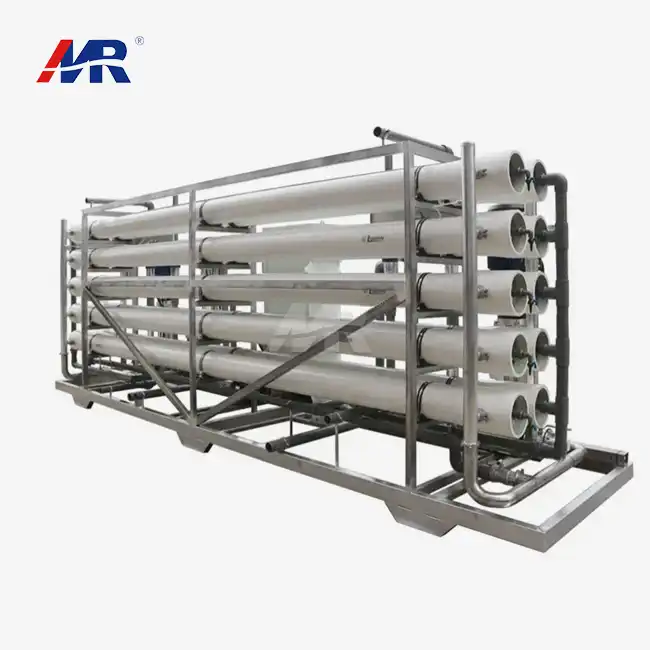
A small RO system is a reverse osmosis water purification system that takes up little room. It is designed for industrial and business settings where floor space is limited, but producing high-quality water is still important. In contrast to standard large-scale RO System setups, compact units combine all the necessary parts into a more compact design. These include pre-filtration, high-pressure pumps, membrane vessels, and control systems. By applying pressure to these systems, semi-permeable membranes remove dissolved solids, contaminants, and impurities from water. The result is uniform permeate quality that can be used in labs, pharmaceutical facilities, food processing, and manufacturing. The flexible design lets it be set up quickly while still meeting the high standards of performance needed for important industrial processes.
Understanding Compact RO Systems: Definition and Core Principles
Space-Efficient Design and Industrial Applications
Compact reverse osmosis systems are a big step forward in water treatment technology. They were designed to work in industrial sites that don't have a lot of room. Compared to regular RO setups, these systems are different because they use a combined design that keeps all the important parts in a small space. This design is good for factories that make things, labs that work on drugs, and food processing plants because it frees up valuable production space that can be used for core operations instead of large water treatment systems.
The tech behind small systems uses smart placement of parts and new materials that make the whole system smaller without lowering its performance. Installing skid-mounted setups is easier because they don't need as much plumbing, so they can be easily added to existing facilities. This spatial economy is especially useful in factories in cities, where the cost of real estate has a big effect on working budgets.
Reverse Osmosis Process and Component Integration
The basic reverse osmosis method is the same for all system sizes, but small units order their parts in the most efficient way possible to get the best results. When water molecules are pushed through semipermeable barriers, contaminants are left behind as a concentrate. Several important parts must work together for the process to work: pre-treatment systems get rid of larger particles and chlorine, high-pressure pumps provide the force needed for membrane separation, and post-treatment systems change the end water quality factors.
These days, small systems use thin-film hybrid materials that keep them from getting dirty and extend their useful life. Depending on the quality of the feed water and how the membranes are used, they can usually reject 95–99% of the dissolved solids that pass through them. Adding variable frequency drives to pumps lets you save energy by adapting to changes in demand. This is especially useful for factories that use water in different ways at different times during production cycles.
Performance Standards and Quality Benchmarks
For industrial uses, the water quality must be steady and meet certain government guidelines. When compact RO systems make permeate, it needs to have the right amount of total dissolved solids for the job it's meant to do. Water that meets USP standards is needed in pharmaceutical facilities, while ultra-pure water with a conductivity below 1 µS/cm is needed in electronics manufacturing. Along with chemical clarity, food and drink businesses pay attention to taste, smell, and microbial factors.
Tracking important factors like feed pressure, conductivity levels, permeate flow rate, and membrane difference pressure is part of performance monitoring. According to industry standards, changes in standardized performance that are more than 15% from the average data need to be looked at right away. This tracking feature lets you plan proactive maintenance tasks that keep your Products' quality stable in later uses and avoid unplanned downtime.
Key Considerations When Procuring Compact RO Systems
Technology Comparison and Selection Criteria
To make sure they make the best choice for their needs, procurement teams have to compare small RO technology to other ways of cleaning. UV decontamination systems are great at killing microbes, but can't get rid of dissolved solids. This means that they work with reverse osmosis instead of against it. Ion exchange systems get rid of some ionic contaminants well, but they need to be regenerated on a frequent basis and make chemical waste streams that RO systems don't make.
Whether a system has one stage or more than one relies on how much recovery is needed and the quality of the feed water. Multi-stage systems get more water back because they use the concentrate from the first stage as the feed water for the steps that follow. This method cuts down on waste and makes the system work better overall, which is especially helpful for places that have trouble getting water or have to pay a lot for utilities.
Membrane Technology and Capacity Planning
How well a system works, how much it costs to run, and how often it needs upkeep are all affected by the membranes that are used. Thick layers of polyamide are used to make composite membranes that are very good at blocking salt and chemicals. Specialized membranes made for specific uses work better with difficult feed waters. The way membranes are arranged inside pressure vessels affects both the cost of capital and the freedom of operations. Usually, bigger vessels offer better economies of scale.
When planning for capacity, you have to look at both present and future water needs as well as trends of peak use. Systems must be able to handle the highest demand at any given time while keeping quality standards constant. When there are times of high demand that come and go, the size of the storage tank becomes very important because it lets the system run at a steady state while adapting to changing usage patterns. Because economies of scale affect both system performance and energy use, it is important to get the right size for long-term operating efficiency.
Maintenance Protocols and Operational Considerations
Maintenance plans that work increase the life of systems and keep them performing at a level that is necessary for commercial uses. Depending on the quality of the feed water, pre-filters need to be replaced every 3 to 12 months on average. Under normal working conditions, ro membranes need to be replaced every 2 to 3 years. Chemical cleaning methods get rid of membrane fouling and improve performance. How often to clean is decided by keeping an eye on the pressure difference and permeate quality trends.
Automated tracking systems keep an eye on performance indicators and let workers know when problems start to appear before they affect production. For regulatory compliance, these systems keep records of data and let cleaning plans be optimized based on real-world working conditions instead of random time intervals. When service companies add remote tracking, they can offer preventative repair services that cut down on unplanned downtime.
Installation and After-Sales Support: What B2B Clients Need to Know
Pre-Installation Assessment and Site Preparation
A thorough site study and planning is the first step to a successful deployment of a compact RO system. Analyzing the water quality tells you what kind of pre-treatment you need and which membrane to use. Analyzing the building makes sure you have enough room, services, and a good environment. When it comes to electrical needs, power supply sizes for pumps and control systems need to be thought about, along with voltage changes and power quality issues that can affect how well the system works.
The plumbing system needs to be able to handle supplying feed water, distributing permeate, and getting rid of concentrate. When it comes to concentrate release and system upkeep, drain size becomes very important. Ambient temperature, humidity, and air are some of the environmental factors that affect how well and how long a system works. These factors need to be carefully thought through during the planning and building stages.
Professional Installation Standards and Best Practices
Professional installation keeps the guarantee valid and provides the best system performance. Certified techs know the important links, calibration steps, and starting rules that are needed for the machine to work reliably. When you use the right pipe techniques, you can avoid contamination and pressure drops that lower the system's efficiency. To create a control system, you need to know a lot about how water treatment works and industrial technology.
During commissioning, all parts are checked to make sure they work properly, and the system works as planned. As part of this process, the membrane protection is removed, the system is cleaned, and the function is checked. During commissioning, important documents like working instructions, repair schedules, and performance baselines are given to make system management easier in the future.
Service Networks and Support Infrastructure
Full support after the sale includes technical help, access to new parts, and repair knowledge. Service networks that have been around for a while offer local help that cuts down on reaction times in emergencies. Parts inventory management makes sure that consumables like filters and membranes are always available, so that production doesn't stop because of delays in the supply chain.
With a service contract, you can plan for upkeep costs and get access to professional knowledge. Preventive repair, emergency reaction, and performance optimization services are often part of these deals. Professional help is especially useful when you need to clean membranes, fix problems with systems, or improve performance, all of which require specialized knowledge and tools.
Leading Brands and Supplier Selection for Compact RO Systems
Market Leaders and Technology Differentiation
There are several well-known companies in the market for compact RO systems, each with its own unique technology benefits. Evoqua focuses on high-tech tracking and control systems, while Pentair focuses on flexible design and saving energy. DOW Chemical makes membrane technology that many system makers build on. This lets them make unique solutions based on tried-and-true membrane platforms.
European companies like GEA and Veolia have a lot of experience with process engineering, which is especially useful for industrial uses that are complicated. A lot of the time, their systems have advanced automation and connection features that skilled users like. American companies like Applied Membranes and Pure Aqua have low prices and help networks in the United States that make it easy to get service quickly.
Certification Standards and Quality Assurance
Depending on their needs, industrial customers need devices that have the right licenses, such as NSF, FDA, and cGMP standards. European CE marking makes sure that safety and performance standards are met, and ISO 9001 approval shows that quality management systems are strong. These licenses give people confidence that systems will work properly and follow rules for as long as they are in use.
Quality assurance includes more than just initial approval. It also includes making sure that the products are made consistently and that they work as expected. Reliable sellers give proof of workplace tests, performance guarantees, and the ability to track down important parts. When there are a lot of rules and regulations over an industry, this paperwork is very important because system performance and stability have a direct effect on both product quality and following the rules.
Supplier Evaluation and Partnership Criteria
Effective seller ties go beyond just buying tools once. They also include working together over time to improve and maintain the system. Technical skill, customer service skills, and financial security should all be considered when judging someone. Referencing similar projects gives you an idea of how well a seller does when the working conditions and user needs are similar.
Because location affects reaction times for service calls and the availability of parts, being able to get help locally or regionally is an important factor in choosing a provider. Suppliers who are flexible with customization, financing choices, and expert help show that they care about their customers' success. Being able to offer complete solutions that include installation, testing, and ongoing support makes project management easier and makes it clear who is responsible for how well the system works.
Morui Environmental Technology: Your Trusted Partner for Advanced Water Treatment Solutions
Comprehensive RO System Manufacturing Excellence
Guangdong Morui Environmental Technology Co., Ltd. is a top company that treats water and has a lot of experience developing and building small reverse osmosis systems for a wide range of commercial uses. Our integrated method mixes the ability to make membranes with the ability to make all kinds of equipment. This way, we can control quality throughout the whole production process. We have the technical know-how and production ability to provide reliable water treatment solutions thanks to our more than 500 dedicated workers and 20 specialized engineers.
Our factories have special membrane production lines and factories that process a lot of different kinds of equipment. This lets us keep our quality standards high while keeping our prices low. Because we are vertically integrated, we can change the specs of the membranes to fit different uses and make sure that the quality of all system components is the same. When you combine manufacturing in-house with smart partnerships with top component suppliers, you get strong supply lines that help you deliver projects on time.
Advanced Product Portfolio and Technical Capabilities
Our small RO system line includes options for businesses in many different fields, from electronics and medicines to food processing and general manufacturing. Each system combines tried-and-true membrane technology with cutting-edge control systems that let you watch from afar and set the system to run itself. The flexible design philosophy makes it easy to add more capability and improve the system based on how operations are changing.
Full system design, custom membrane selection, and integration of specialized pre-treatment and post-treatment parts are some of the technical skills that can be used. Our engineering team works closely with clients to come up with solutions that meet their unique needs for water quality while also lowering costs and energy use. We can offer both standard goods and custom solutions that solve problems in specific applications because we have both technical know-how and manufacturing freedom.
Comprehensive Service and Support Infrastructure
Morui does more than just make tools; they also offer full project support, which includes installation, commissioning, and ongoing upkeep. With 14 branches across the country, our national service network guarantees quick responses and local help. We can provide full-service contracts that guarantee optimal system performance throughout its operating life and set upkeep costs that are easy to predict thanks to this infrastructure.
Our Technical support team is always here to help with optimization and fixing, and training programs for customer staff make sure that the systems work right and that they know how to do basic maintenance. When you combine local service presence with technical knowledge, you get a support structure that keeps systems running smoothly and reduces downtime for important industrial uses.
Conclusion
Contemporary industrial sites that need to produce high-quality water in small spaces need compact RO systems as an important technology. Combining advanced membrane technology with a simplified system design ensures reliable performance while reducing the need for facilities and the difficulty of installation. To make sure the system works well and operations run smoothly, it's important to carefully consider technical specs, supplier skills, and long-term support needs when buying something.
To get the most out of the system and keep operating risks to a minimum, it's important to choose providers with a lot of experience, proven manufacturing skills, and large service networks. Installing these complex systems by professionals, keeping them in good shape, and offering technical help will make sure they keep working well for as long as they're needed, serving important business processes and meeting government standards.
FAQ
Q1: What is the typical lifespan of compact RO system components?
The length of time that system parts last depends on how they are used and how well they are maintained. Depending on the quality of the feed water and how often they are used, pre-filters usually need to be replaced every 6 to 12 months. Under normal running conditions, RO membranes usually keep working well for two to three years. Cleaning them with the right chemicals can increase their useful life. With the right care, system fans and control parts can work effectively for 10 to 15 years. Monitoring performance on a regular basis allows for planned replacement plans that stop sudden breakdowns and keep water quality stable.
Q2: How do I determine the appropriate system capacity for my facility?
Capacity planning involves looking at times of high demand, the amount of space needed for storage, and predictions for future growth. To figure out the right size storage tank, you need to find the highest hourly demand and compare it to the average daily usage. Think about operational trends, like cleaning rounds and output plans, that could cause demand to spike. Recovery rate affects both how well the system works and how much it costs to get rid of waste, so it's an important thing to think about when planning total capacity. Professional evaluation of these factors ensures the best system size that meets present needs and allows for reasonable growth.
Q3: What maintenance activities can be performed by facility personnel versus requiring professional service?
Regular upkeep tasks, like changing filters, simple cleaning, and keeping an eye on performance, can usually be done by trained facility staff. Changing the pre-filter, cleaning the system, and checking the performance every day don't require a lot of special training. But only trained techs should clean the membrane, fix system problems, and repair parts to make sure the warranty stays valid and the right steps are taken. For tasks that need specialized tools and knowledge, like setting control systems, working with high-pressure parts, and improving performance, you need to hire a professional service.
Q4: How do compact systems compare to traditional RO installations in terms of performance and cost?
The water quality from compact systems is about the same as from standard installations, but they take up less room and cost less to install. Performance factors like failure rates and energy use are about the same for both small and standard systems with the same capacity. There are cost benefits such as fewer pipes, easier installation, and fewer building needs. For very large uses, however, traditional methods may offer better economies of scale. The choice is based on the limitations of the building, the need for capacity, and long-term operating concerns.
Partner with Morui for Professional RO System Solutions
Picking the right compact RO system provider has a direct effect on the water quality, operational efficiency, and long-term prices of your building. Morui Environmental Technology provides reliable water treatment options for tough industrial uses by combining proven manufacturing quality with a wide range of support services. Our Team of experienced engineers works closely with clients to create unique solutions that meet their specific water quality needs while also lowering costs and using less energy.
Email our technical experts at benson@guangdongmorui.com to talk about your unique needs and get a thorough proposal for your project to build a compact RO system. Our full range of services, such as site inspection, system design, installation, and ongoing support, will make sure that your system works at its best for as long as it's in use.
References
1. American Water Works Association. "Reverse Osmosis and Nanofiltration Manual of Water Supply Practices." 2nd Edition. Denver: AWWA Press, 2021.
2. Crittenden, John C., et al. "MWH's Water Treatment: Principles and Design." 3rd Edition. New Jersey: John Wiley & Sons, 2020.
3. Greenlee, Lauren F., et al. "Reverse Osmosis Desalination: Water Sources, Technology, and Today's Challenges." Water Research Journal, Vol. 43, No. 9, 2019.
4. International Desalination Association. "Industrial Water Treatment Technologies: Performance Standards and Best Practices." IDA Technical Review, 2022.
5. Membrane Technology Research Institute. "Compact Reverse Osmosis Systems: Design Principles and Applications." Industrial Water Treatment Quarterly, Vol. 28, No. 4, 2023.
6. Water Quality Association. "Industrial Reverse Osmosis System Standards and Testing Protocols." WQA Technical Bulletin S-801, 2022.
 VIEW MOREDTRO Modules
 VIEW MOREswro desalination plant
 VIEW MORE45m3/hour seawater desalination system
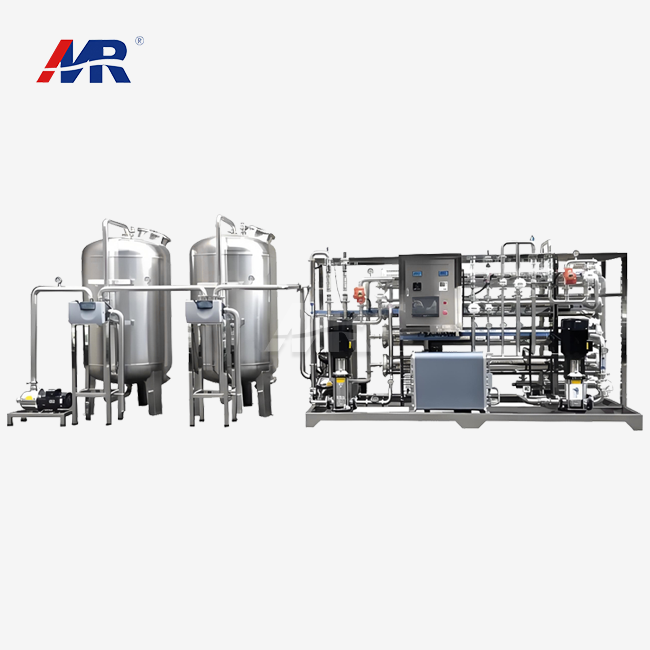 VIEW MORE2000LPH EDI system
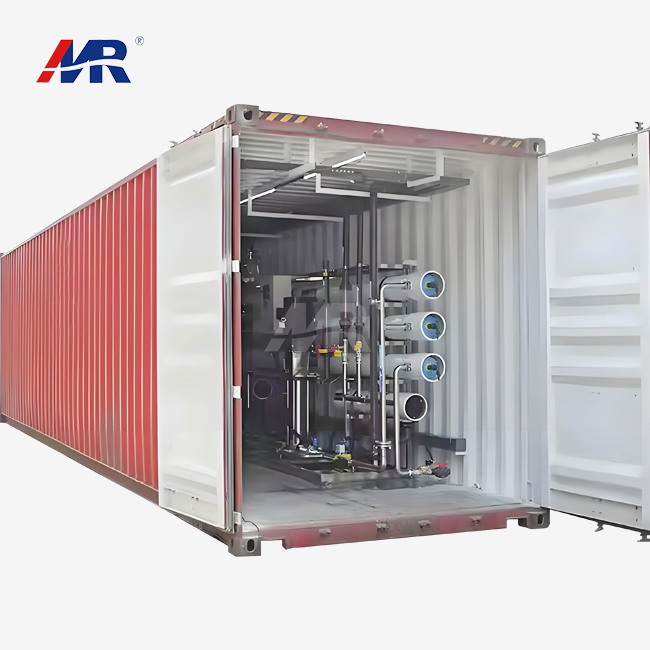 VIEW MOREContainerized Reverse Osmosis Systems
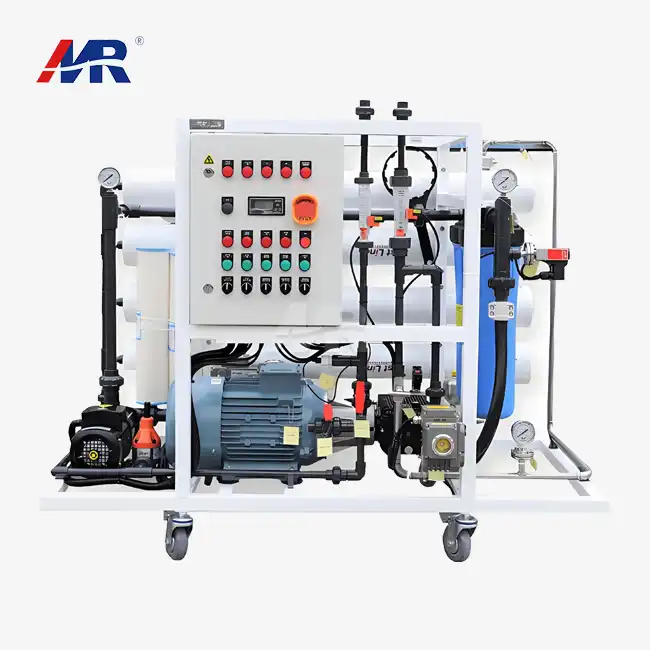 VIEW MORE2m3/hour seawater desalination equipment
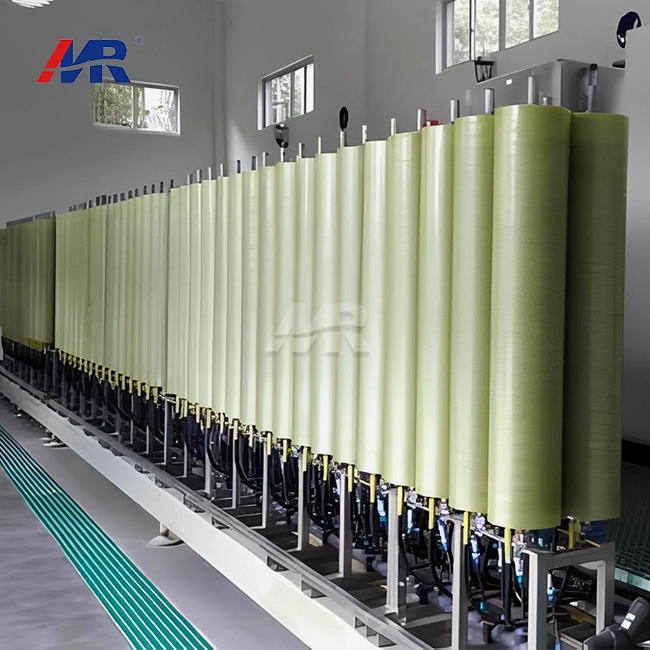 VIEW MORELeachate DTRO Treatment Equipment
 VIEW MOREultrafiltration drinking water system
