

_1745823981883.webp)

Container RO Equipment Price Trends for Ghana Importers
In the past few years, Ghanaian importers have seen big changes in the prices of container RO equipment. These changes are due to changes in the global supply chain and rising demand for portable water treatment options. Based on current market research, containerized reverse osmosis systems cost between $50,000 and $300,000, based on their size and features. Ghana's growing industries, like mining, farming, and manufacturing, are keeping up a steady demand for these modular water purification systems. This is good news for smart buyers who know how prices move and what drives the market.

Overview of Container RO Equipment and Its Market in Ghana
Container RO technology is a completely new way to treat water because it puts full reverse osmosis systems inside normal shipping containers, making them very portable and easy to set up. These modular units combine pre-treatment parts, membrane filtration systems, and control panels into small, movable units that can start working as soon as they get to any place.
Technology Behind Containerized Water Treatment Systems
While allowing more mobility and standardization, containerized RO systems work in the same way as regular setups. The raw water comes in through intake systems and goes through steps of multimedia filtration and activated carbon pre-treatment. It then runs through high-rejection membrane arrays that get rid of up to 99% of the dissolved toxins. Modern control systems automatically check pressure, flow rates, and water quality factors to make sure the system works the same way in all kinds of circumstances.
Ghana's water treatment scene has changed a lot, and containerized options are becoming more popular in many areas. The mining industry needs reliable process water to get minerals out of the ground and keep the dust down. Agricultural businesses use these systems to water crops in places where there isn't enough water. Container-based solutions are being used more and more by cities and towns to provide emergency water during infrastructure repair or natural disasters.
Market Dynamics Driving Adoption in Ghana
There are a number of reasons why container RO technology is becoming more popular in Ghana's water treatment industry. As cities grow, they need water systems that can be expanded and set up quickly without a lot of building work. The country's plan to make it easier for people in rural areas to get water works perfectly with the portability benefits of containerized systems.
Government programs that help industries grow have opened up possibilities for container RO equipment in many manufacturing sectors. For production processes, companies that make food and drinks need water that is always of a good quality, while pharmaceutical facilities need systems that meet strict cleanliness standards. Extremely clean water is needed for boilers and cooling systems in the energy sector, which includes power plants.
Key Factors Influencing Container RO Equipment Prices for Ghana Importers
Importers can make better choices when looking at container RO systems for the Ghanaian market if they know what factors affect prices. Prices are affected by technical details a lot, with system capacity being the main cost factor. Systems that produce 50 to 100 cubic meters of waste per day usually cost between $50,000 and $80,000, while units that produce more than 300 cubic meters of waste can cost between $250,000 and $300,000.
Technical Specifications and Cost Implications
The amount of automation directly affects the price of the equipment. For example, basic manual systems are cheaper to buy at first but need more help from the operator. Advanced automated systems have features like online tracking, predictive repair, and real-time data analytics. These systems are more expensive at first, but they lower running costs over time. Increasing energy efficiency with pressure recovery devices and better pump configurations raises system costs by $15,000 to $25,000 but saves a lot of money in running costs.
The choice of membrane technology affects both the original cost and the long-term cost of running the business. High-rejection membranes don't get clogged and last longer between service intervals. This makes the higher initial costs worth it because they require less upkeep and collect more water. Systems that can collect 75% of the water they use lower the cost of disposing of trash and make the best use of raw water, which is especially helpful in places where water is scarce.
Scale-Based Pricing Variations
The prices of container RO machines are based on economies of scale, which means that bigger systems cost less per cubic meter. Small units that can be used in rural areas or during emergencies usually cost between $50,000 and $100,000 and can hold 50 to 150 cubic meters of water per day. Industrial systems in the middle range cost $100,000 to $200,000 and make 150 to 300 cubic meters of water every day.
Large containerized systems with a daily capacity of more than 400 cubic meters cost between $200,000 and $400,000, but they are a great value for large industrial sites. Often, these systems have more than one container section that works at the same time. This gives you backup and repair options while also making the best use of your money.
Trend Analysis: Recent Price Movements and Forecasts for Ghana Importers
Over the past five years, the prices of container RO systems have gone up and down, which is a reflection of larger industry trends and problems in the supply chain. Between 2020 and 2022, the prices of raw materials, especially stainless steel and special membrane materials, went up by 15 to 25 percent before leveling off in 2023. During pandemics, global shipping costs were at their highest, adding $5,000 to $15,000 to the cost of delivering equipment.
Historical Price Patterns and Market Influences
Price data analysis shows repetitive patterns that are connected to product markets and the state of the world economy. The price of steel directly affects the cost of making containers, while the price of membranes depends on the markets for fuel derivatives and how much of the production capacity is being used. Changes in the value of the US dollar versus the Ghanaian cedi affect the final landed costs. For local buyers, depreciation times raise the prices of tools they can actually use.
Tariffs and processes for customs inspection affect the total cost of purchase in addition to the price of the equipment. Ghana's policies on industrial growth give water treatment equipment special treatment, which lowers tariffs compared to other types of machinery imports. However, the need for paperwork and inspections can make shipping times longer and cost more for services.
Future Market Projections
New technologies are expected to ease the pressure on prices while also making the system work better. Better barrier materials use less energy and last longer, which lowers the total cost of ownership even if they cost more at first. Standardizing how containers are set up allows for mass production, which lowers the cost of making standard system sizes.
Market demand predictions show that Ghana's water treatment sector will continue to grow, thanks to the growth of industries and the building of new infrastructure. The growth of cities, the modernization of agriculture, and the spread of mining activities all create new ways for container RO equipment to be used. This rising base of demand helps keep prices stable and pushes suppliers to invest in their local service capabilities.
How to Make an Informed Purchasing Decision for Container RO Equipment in Ghana
To choose the right container RO systems, you need to carefully look at the supplier's skills, the systems' technical requirements, and the support plans for the long run. When it comes to buying things, good purchase strategies weigh the original costs of capital against operating efficiency and dependability. This way, they get the best value over the life of the equipment.
Supplier Evaluation Criteria
Suppliers you can trust have installed containerized water treatment systems in similar working conditions and have proof of their success. Compliance with Certifications, such as ISO standards and rules for pressure vessels, guarantees the safety and dependability of performance. Maintenance and emergency fixes need help from local service providers or companies that have been around for a while.
Warranty coverage varies a lot from one provider to the next. Some offer complete programs that cover membrane repair, component failures, and performance promises. If you choose an extended warranty, you may be able to explain the higher original costs by lower practical risks and more predictable upkeep costs. Response times for service calls and the availability of extra parts have a big impact on system stability and the ability to keep operations going.
Customization and Financing Options
Customization lets container RO systems work with different types of water and meet different operating needs. Pre-treatment designs change based on the water conditions in the area, and post-treatment choices meet the needs of the final use. Modular designs let you add more space in the future without having to make big changes to the system.
Getting access to modern water cleaning technology is easier when you have more than one way to pay for it. Leasing plans lower the amount of cash you need up front and include upkeep services and new technology. When compared to regular business loans, buying equipment through expert lenders who know about water treatment projects often comes with better terms.
Advantages of Choosing Container RO Equipment for Ghana's Procurement Needs
Container RO systems are great for Ghana's many water treatment needs because they combine tried-and-true technology with the ability to be set up in a variety of ways. These systems always make high-quality water that meets international standards, even when they have to work in tough conditions like those found in Ghana's industrial areas.
Operational Reliability and Water Quality Consistency
Modern containerized systems keep the water quality stable, no matter what changes happen with the raw water or the surroundings. When the quality of the source water changes with the seasons or when contamination happens out of the blue, modern control systems instantly change the working parameters to make up for it. For pharmaceutical and food industry uses where regular water purity is important for product quality, this dependability is a must.
Variable frequency drives, pressure recovery systems, and improved membrane layouts are all parts of energy-efficient designs that help keep power use low. In Ghana, energy costs are a big part of running a business, so these changes will save a lot of money in the long run. Systems that use 3–4 kWh per cubic meter are more portable than standard setups but work just as well.
Deployment Flexibility and Scalability
Because container RO equipment is portable, it can be quickly sent to faraway areas without having to build a lot of new infrastructure. Mining companies can clean water at exploration areas within a few days of getting the tools there. Agricultural projects can get steady irrigation water without having to make long-term investments in infrastructure that might not be worth it for summer operations.
Scalability benefits let you increase capacity by adding more container sections instead of replacing the whole system. This adaptability is especially helpful for industrial operations that are growing because they can start with low water needs and increase cleaning capacity as production rises. Moving container-based systems is easy if business needs change or projects end.
Morui's Container RO Equipment Solutions for Ghana's Market
Guangdong Morui Environmental Technology has been treating water for over 14 years and specializes in containerized reverse osmosis systems that are reliable and effective. They are now selling their services in Ghana, which is a growing market. Our all-around method includes engineering advice, making equipment, installation services, and continued Technical support that is tailored to the specific needs of Ghana's business.
Advanced Product Portfolio
Our state-of-the-art container RO systems can handle between 50 and 500 cubic meters of water per day and come in regular 20-foot or 40-foot containers that make them easy to move and set up. Each system has high-rejection, low-fouling barriers that keep working well even when the source water is hard, which is common in Ghana's industrial areas.
Our containerized water cleaning systems are unique because of the following main benefits:
- The modular design architecture makes it easy to expand and reach for maintenance while making the best use of room within standard container sizes.
- Plug-and-play operation makes installation easier and speeds up setup, so it can be quickly sent to remote areas.
- Real-time information on system state and performance can be gathered through satellite or cell phone communications for remote tracking.
- Variable frequency drives and pressure recovery devices are energy-efficient parts that lower operating costs.
- Materials that don't rust or corrode ensure long-term dependability in harsh environments
These benefits successfully solve Ghana's unique water treatment problems while giving importers and end users in a wide range of industry sectors a great return on their investment.
Comprehensive Service Capabilities
Our dedication goes beyond just providing tools; it also includes full project support services. With 500 workers in 20 sites around the world, including expert engineers and qualified technicians, we can quickly respond to local needs for installation, commissioning, and ongoing maintenance. Our factories that make membranes make sure that extra parts are always available and that new parts are priced fairly.
Technical consulting services help make sure that system settings are the most efficient and reliable they can be for each application. Through our relationships with top component makers like Shimge Water Pumps, Runxin Valves, and Createc Instruments, we can offer you high-quality parts at prices that are hard to beat.
Conclusion
Container RO equipment is the best way for Ghana to meet its growing water treatment needs because it comes in movable packages with tried-and-true technology that can be used in a variety of situations. The way prices are moving shows that markets are becoming more stable, which means there are chances to make smart purchases. At the same time, technological progress is making systems more reliable and efficient. Importers who are successful focus on building relationships with suppliers that offer full support, competitive prices, and long-term value, rather than just lowering costs at the start.
FAQ
Q1: What capacity range is most suitable for Ghana's industrial applications?
Most industries in Ghana benefit from systems that produce 100 to 300 cubic meters of waste every day. This is enough to meet the needs of manufacturing processes while keeping costs low. Larger systems with daily capacities of 400 cubic meters or more are usually needed for mining. Smaller 50–150 cubic meter systems may be used in agriculture, based on the needs of the crops and changes in the seasons.
Q2: How do the upkeep needs compare to those of regular RO systems?
Container RO systems usually need the same maintenance plans as regular installations, but it's easier to get to the parts, and the processes are more consistent. Every three to six months, based on the quality of the source water, the membrane is cleaned, and every year, the major parts are inspected. The containerized design makes it easier for repair workers to get to parts and keep track of extra parts.
Q3: What financing options are available for Ghana importers?
There are a number of ways to pay for container RO equipment, such as buying the equipment, setting up weekly payment plans, and getting project financing from development banks. Many sellers offer flexible payment terms that work with the cash flow of the project. Also, foreign development organizations will fund water infrastructure projects that meet certain requirements.
Partner with Morui for Your Container RO Equipment Needs
Are you ready to find out how our cutting-edge water cleaning options can meet your needs? Get in touch with Our Team in Ghana to get quotes and expert advice that are tailored to your specific needs. As a reputable company that makes container ro equipment, we offer reasonable prices, a range of payment choices, and full support services. Email benson@guangdongmorui.com to talk about the details of your project and find out how our tried-and-true technology can provide you with great value for your water treatment needs.
References
1. Ghana Water Resources Commission. (2023). "Industrial Water Treatment Market Analysis and Growth Projections." National Water Policy Review Series, Volume 12.
2. West African Water Treatment Association. (2023). "Containerized Water Systems: Technology Assessment and Economic Analysis." Regional Infrastructure Development Report.
3. International Desalination Association. (2022). "Reverse Osmosis Technology Trends and Cost Analysis for Developing Markets." Annual Technical Conference Proceedings.
4. Ghana Ministry of Trade and Industry. (2023). "Import Statistics and Tariff Analysis for Water Treatment Equipment." Industrial Development Quarterly Review.
5. African Development Bank. (2022). "Water Infrastructure Investment Trends in Ghana: Equipment Procurement and Technology Assessment." Infrastructure Finance Division Report.
6. World Bank Group. (2023). "Private Sector Water Treatment Solutions in Sub-Saharan Africa: Market Analysis and Investment Opportunities." Water Security Technical Paper Series.
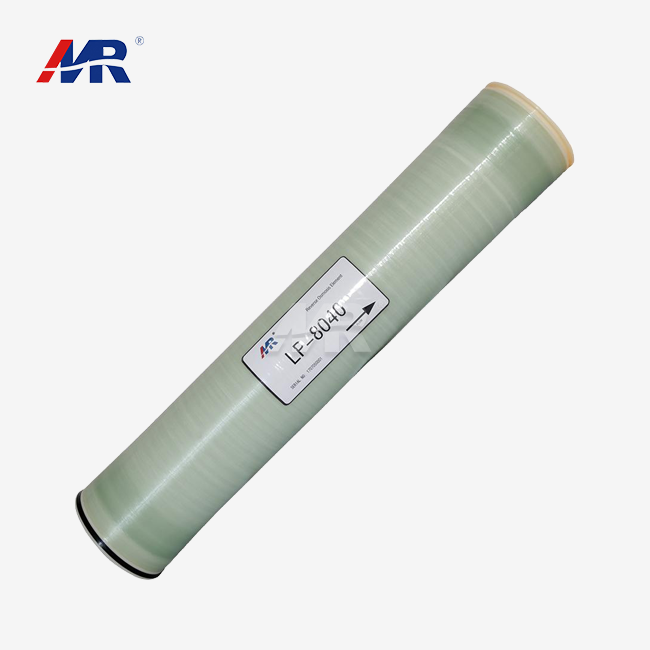 VIEW MOREreverse osmosis membrane
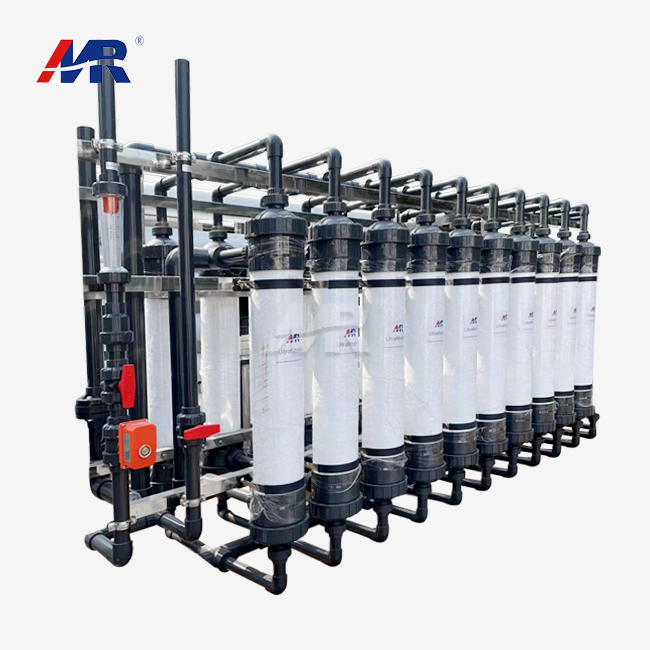 VIEW MOREultrafiltration drinking water system
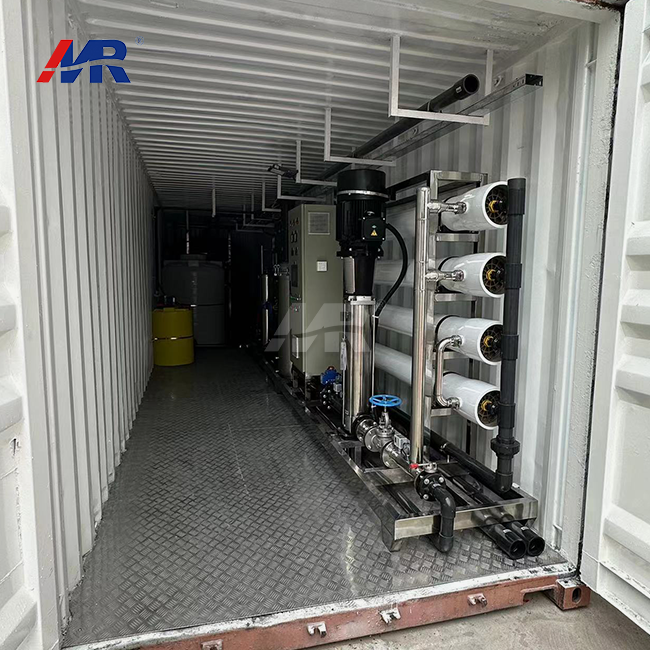 VIEW MOREcontainerized ro system
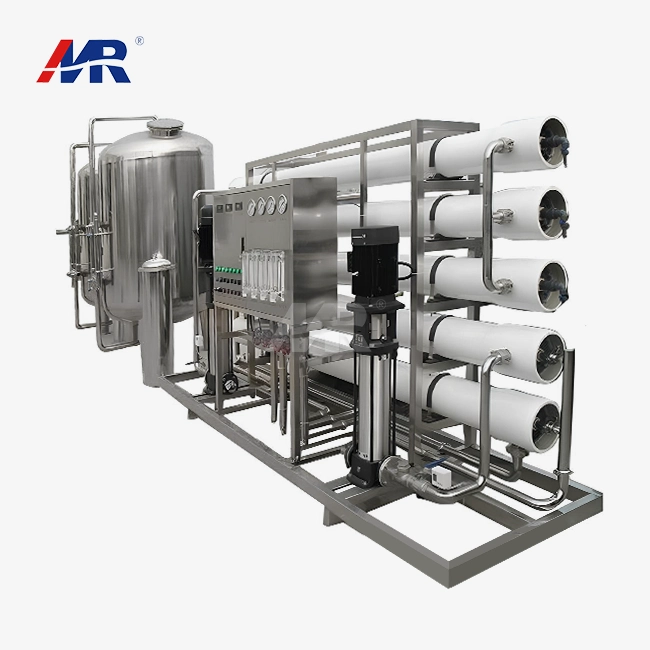 VIEW MOREbrackish water reverse osmosis
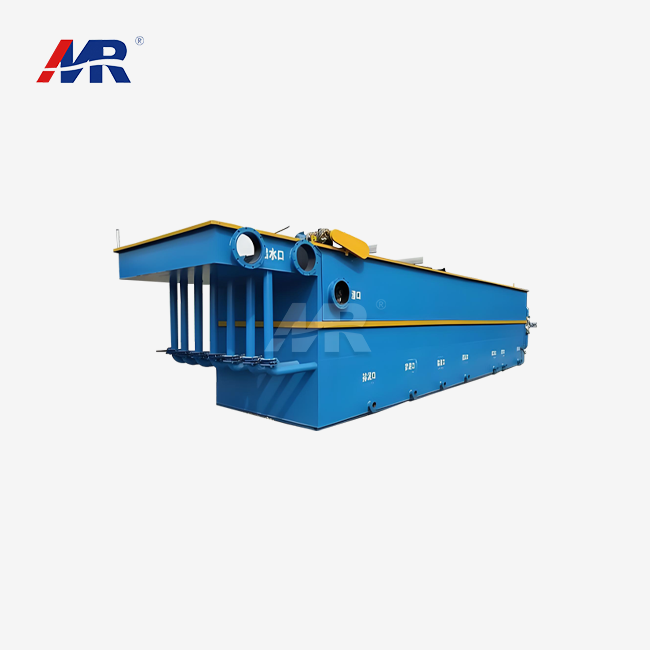 VIEW MOREadvanced wastewater treatment system
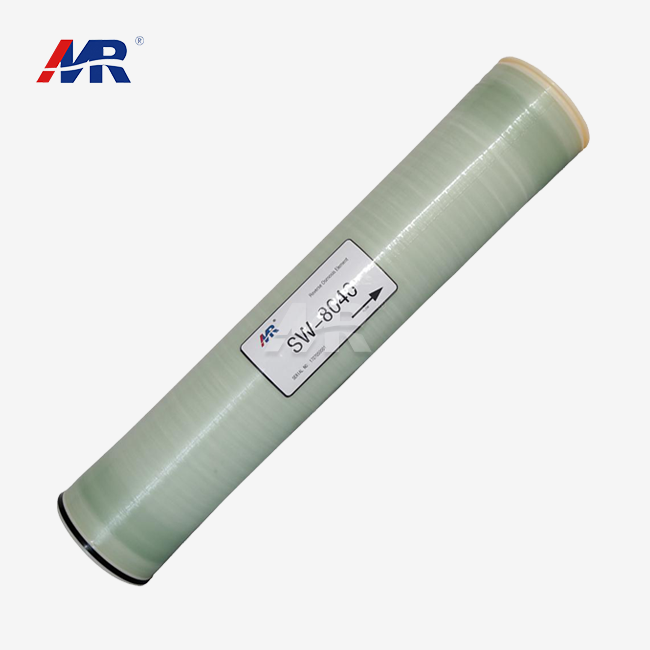 VIEW MORE8040 seawater reverse osmosis membrane
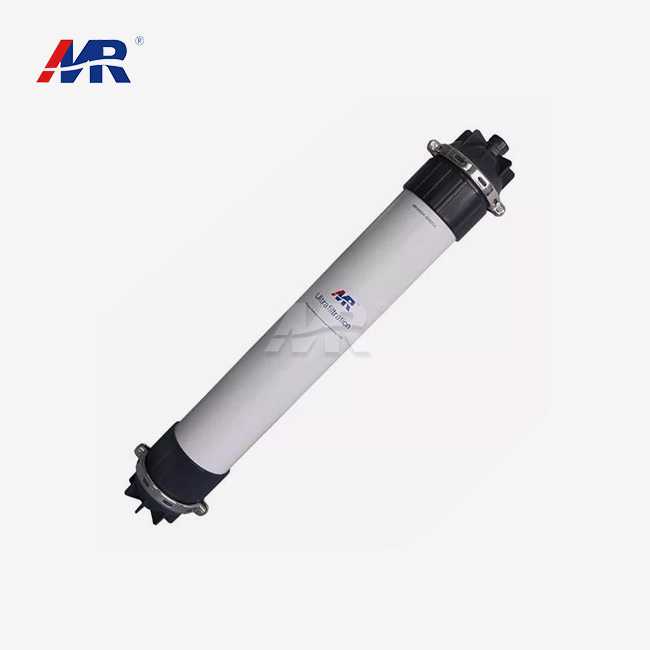 VIEW MOREultra filter membrane
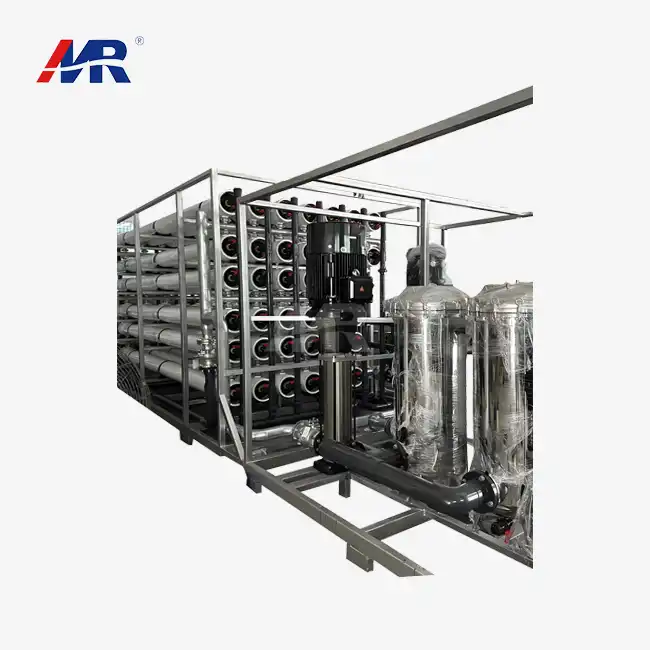 VIEW MORE150m3/hour reverse osmosis plant
