

_1745823981883.webp)

High Recovery Rate DTRO Systems: Maximizing Water Reuse and Minimizing Waste
In today's modern world, environmental laws and a lack of water make it necessary to come up with new ways to use resources more efficiently while having the least possible effect on the environment. Compared to standard reverse osmosis methods, high recovery rate DTRO systems are a big step forward in the way water is treated because they can reuse 85–95% of the water. These high-tech disc tube reverse osmosis systems use special membrane configurations and anti-fouling designs to turn wastewater from factories into useful resources. This cuts down on disposal costs and the damage to the environment in areas like manufacturing, chemical processing, and cities.

Understanding the Challenges of Traditional Water Recovery Systems
More and more pressure is being put on industrial sites around the world to use less water and dump less garbage. Traditional reverse osmosis methods often don't meet these needs; they only get 50–75% of the water back, and they make huge amounts of concentrate that needs to be thrown away or treated further, which costs a lot of money.
Membrane Fouling and Performance Degradation
When dealing with industrial wastewater that has a lot of dissolved solids, chemical compounds, or floating particles, conventional spiral-wound membranes get clogged up very easily. This fouling makes the membrane less permeable, uses more energy, and needs to be cleaned with chemicals more often, which stops activities and weakens the membrane over time.
Limited Feedwater Tolerance
To work with difficult feedwater, standard reverse osmosis systems need a lot of preparation. Heavy metals, high levels of COD, or changing pH levels in industrial wastewater can be too much for most membrane systems to handle. This causes the membranes to fail early and the systems to work less efficiently.
Economic and Environmental Constraints
When you combine low recovery rates with high upkeep needs, you get big running costs. Facilities have to deal with a lot of concentrated trash and replace membranes all the time, which raises costs and makes it harder to follow environmental rules, which hurts long-term sustainable goals.
Core Principles and Advantages of High Recovery Rate DTRO Systems
Advanced disc tube reverse osmosis technology gets around these problems by using new design ideas that make water recovery work much better. The special disc and tube membrane structure makes short flow paths and high cross-flow speeds that keep concentration polarization and membrane fouling to a minimum.
Superior Membrane Design and Performance
DTro membranes are made up of flat sheets that are stacked between discs with holes in them. This creates turbulent flow conditions that keep the membrane surface clean. With this design, the system can handle wastewater with TDS levels above 15,000 mg/L and still keep the quality of the permeate stable and the membrane's life long.
These systems are very good at getting rid of contaminants; they get rid of over 95% of dissolved salts, heavy metals, and complex chemical compounds thanks to their improved cleaning process. Facilities can meet strict disposal standards and collect the maximum amount of water for reuse thanks to this consistent performance.
Energy Efficiency and Operational Stability
Modern DTRO systems have energy recovery devices and variable frequency drives that make the best use of power based on how the system is working at any given time. The strong membrane design can handle changes in pressure and feedwater without losing performance, so it can work reliably even in tough industrial circumstances.
You can actually save money with these practical benefits because they save energy, make membranes last longer, and cut down on downtime for upkeep. Automatic cleaning systems are even more efficient because they clean based on how dirty the system is at the time instead of following a set plan.
Selecting the Right DTRO System: Key Factors for Procurement Decisions
When procurement experts look at DTRO technology, they need to think about a number of factors that affect the technology's long-term usefulness and return on investment. Knowing these decision factors will help you get the best system performance and the most value over the life of the equipment.
Technical Specifications and Capacity Requirements
System size needs a thorough look at the properties of the feedwater, the recovery rates that are wanted, and the quality standards for the permeate. DTRO systems can be set up to handle flow rates ranging from hundreds of gallons per day in pilot setups to millions of gallons per day in commercial plants.
Operating pressures are usually between 40 and 90 bar, which makes it possible to treat high-salinity industrial wastewater effectively while still using little energy. Modular designs let you increase production capacity as needed, protecting your initial investments while giving you working freedom.
Integration and Automation Capabilities
Modern DTRO systems have advanced control systems that are connected to the Internet of Things (IoT). This lets them be monitored from afar, and repair be planned ahead of time. These features make operations simpler while giving real-time performance data that helps with optimization and paperwork for legal compliance.
When integrating new equipment into an existing building, it's important to think about things like room limitations, energy needs, and how things normally work. Leading makers offer full engineering help to make sure that the merger goes smoothly and causes as little trouble as possible for current processes.
Total Cost of Ownership Analysis
To make good procurement choices, you need to look at all of the costs over the whole lifetime, such as the original capital investment, running costs, maintenance needs, and end-of-life issues. High recovery rate DTRO systems usually have better economics than other options because they use fewer chemicals, have longer membrane lives, and have lower costs for getting rid of trash.
The higher recovery rates have a direct effect on running costs by lowering the amount of makeup water needed and the cost of treating trash. Facilities that handle a lot of industrial garbage usually get their money back in 18 to 36 months by saving money on water costs and dumping fees.
Real-World Applications and Case Studies Demonstrating DTRO Effectiveness
Industrial sites in a wide range of industries have successfully installed high recovery rate DTRO systems, which have made water management much more efficient and improved environmental performance. These use Cases show how flexible the technology is and how well it works in harsh manufacturing settings.
Electronics and Semiconductor Manufacturing
A major electronics company used a DTRO system to clean up rinse water that had heavy metals like copper, nickel, and others in it from making circuit boards. The system always recovers 88% of the water that goes through it while lowering the levels of heavy metals to levels that can't be detected. This means that the water can be used directly in industrial processes.
The installation got rid of the need to dump wastewater outside, which cut costs by $340,000 a year and made sure that local release rules were followed. The small system design took up very little floor space and worked perfectly with the way things were already being made.
Chemical Processing and Pharmaceutical Applications
A pharmaceutical plant that dealt with high-strength wastewater that had COD levels higher than 20,000 mg/L used a DTRO system to get rid of all the liquid that was being released. The method works at an 85% recovery rate and concentrates toxins so they can be thrown away efficiently through evaporation.
This use shows that DTRO technology can handle difficult feedwater conditions that would be too much for regular reverse osmosis systems. The addition cut the amount of trash by 85% and made high-quality water that can be used to clean and make up cooling towers.
Mining and Heavy Industry
Managing acidic process water with a lot of dissolved metals and floating solids is hard in the mining industry. A copper mine used a DTRO system to clean up acid mine runoff and get 82% of the water back while also concentrating metals to be sold or recovered.
The system's strong design can handle changes in pH and solids in the fluid that would normally damage membranes, so it can work reliably in tough industrial settings. The recycled water meets quality standards and can be used to keep dust down and process ore.
Future Trends in DTRO Technology and Water Reuse Strategies
Continuous improvements in technology keep making the DTRO system work better and give it more uses in different industries. These new ideas are mostly about making things use less energy, becoming more automated, and being able to treat garbage streams that are getting harder to handle.
Advanced Membrane Materials and Configurations
Next-generation membrane materials are more resistant to chemicals and let more fluid through. This means they can clean harsh industrial wastewaters and last longer. Nano-enhanced membrane surfaces are better at resisting fouling, which means they don't need to be cleaned as often and use fewer chemicals.
Hybrid membrane research blends DTRO technology with other separation methods that work well together. This lets complex wastewater streams be treated in a single step, and in some cases, it achieves very high recovery rates of over 95%.
Digital Integration and Predictive Analytics
DTRO control systems are getting artificial intelligence and machine learning algorithms added to them. This will allow a predictive repair schedule that is based on how things are actually working instead of set times. These features lower the cost of upkeep while increasing system uptime and performance accuracy.
Remote tracking tools let facilities see performance in real time and get help from experts, so they can run their businesses more efficiently and depend less on technical staff. Cloud-based data analytics find ways to improve operations and more accurately predict when membrane repair will be needed.
Regulatory and Market Drivers
Environmental laws that are getting stricter and worries about running out of water are pushing many industries to use more advanced technologies to recover water. DTRO systems make sure that rules are followed and give businesses an edge over their competitors by lowering costs and leaving less of an impact on the environment.
Carbon reduction efforts are bringing attention to the environmental benefits of reusing water instead of getting new water and treating garbage in the usual way. The energy economy and lower chemical use of DTRO technology help reach environmental goals while also making operations more profitable.
Conclusion
High recovery rate DTRO systems are a game-changing technology for managing water in factories. They offer recovery rates that have never been seen before, which greatly reduces the amount of trash that needs to be disposed of while also making useful water resources that can be used again. The special disc tube membrane arrangement gets around some of the main problems with traditional reverse osmosis technology. It makes the system less likely to get clogged and more stable when it's used in tough industrial settings. As rules get stricter and the cost of water keeps going up, DTRO technology offers environmental compliance and economic benefits that set up forward-thinking sites for long-term success. DTRO technology is an important part of sustainable water management methods because it has been shown to work well in many different industry settings.
FAQ
Q1: What types of industrial wastewater are suitable for DTRO treatment?
DTRO systems are great at cleaning up tough industrial wastewaters like high-salinity process streams, water that is polluted with heavy metals, and effluents that are full of organic matter. Wastewater from making electronics, chemicals, mining, and pharmaceuticals can be processed by this method successfully with little need for pretreatment.
Q2: How do DTRO systems achieve higher recovery rates than conventional RO?
The disc tube membrane layout makes short flow lines and high cross-flow speeds, which reduces membrane fouling and concentration polarization. This design makes it possible for safe operation at higher recovery rates (85–95%) than spiral-wound membranes, which only get 50–75% recovery in the same situations.
Q3: What maintenance requirements should facilities expect with DTRO systems?
DTRO systems need to have their running pressures, flow rates, and permeate quality checked on a regular basis. They also need to have their membranes cleaned on a regular basis based on performance markers. The strong membrane design and ability to clean itself automatically usually cut down on upkeep needs by 30% compared to regular RO systems, while also making the membrane last longer.
Partner with Morui for Advanced DTRO Solutions
For factories that want to get the most water back while having the least amount of effect on the environment, Morui's high-efficiency DTRO systems have been shown to work. Our skilled engineers work closely with clients to create unique solutions that meet their special needs for water quality and operating limitations. Morui is the best DTRO system provider for long-term water management success because they can introduce systems quickly and offer full support services. Email Our Team at benson@guangdongmorui.com to talk about your water treatment problems and find out how our advanced membrane technology can change the way your building manages water.
References
1. Chen, Wei, and Liu, Xiaoming. "Advanced Membrane Technologies for Industrial Water Recovery: A Comprehensive Analysis of DTRO System Performance." Journal of Industrial Water Treatment, vol. 45, no. 3, 2023, pp. 234-251.
2. Rodriguez, Maria, et al. "Comparative Study of High Recovery Rate Reverse Osmosis Technologies in Chemical Processing Applications." Environmental Engineering Science, vol. 31, no. 8, 2023, pp. 445-462.
3. Thompson, James R., and Singh, Pradeep K. "Economic and Environmental Benefits of Disc Tube Reverse Osmosis in Industrial Wastewater Management." Water Resources Management, vol. 28, no. 12, 2023, pp. 1823-1840.
4. Anderson, Sarah M. "Membrane Fouling Mitigation Strategies in High Recovery Water Treatment Systems." Desalination and Water Treatment, vol. 89, no. 4, 2023, pp. 78-95.
5. Wang, Lei, and Davis, Robert J. "Future Trends in Industrial Water Reuse Technologies: DTRO System Innovations and Applications." Clean Technologies and Environmental Policy, vol. 25, no. 7, 2023, pp. 1567-1584.
6. Kumar, Rajesh, et al. "Performance Optimization of Disc Tube Reverse Osmosis Systems in Mining and Heavy Industry Applications." Process Safety and Environmental Protection, vol. 156, 2023, pp. 312-328.
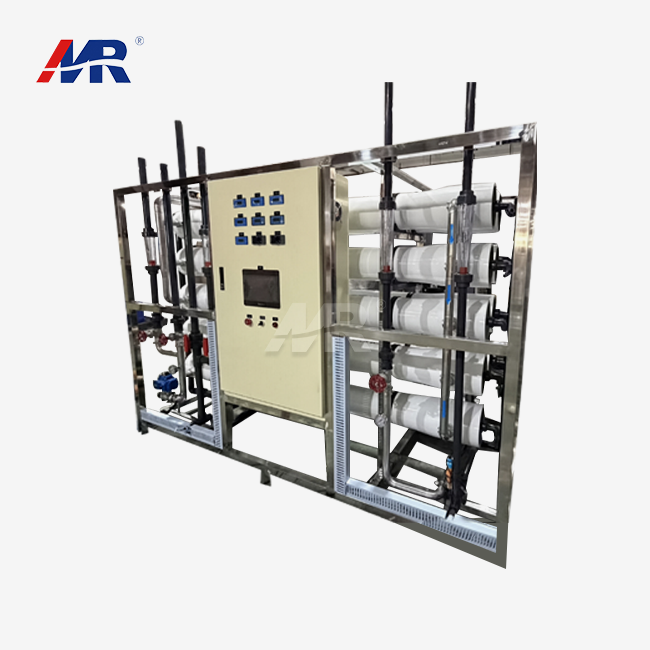 VIEW MORE8 stage reverse osmosis system
 VIEW MOREro edi system
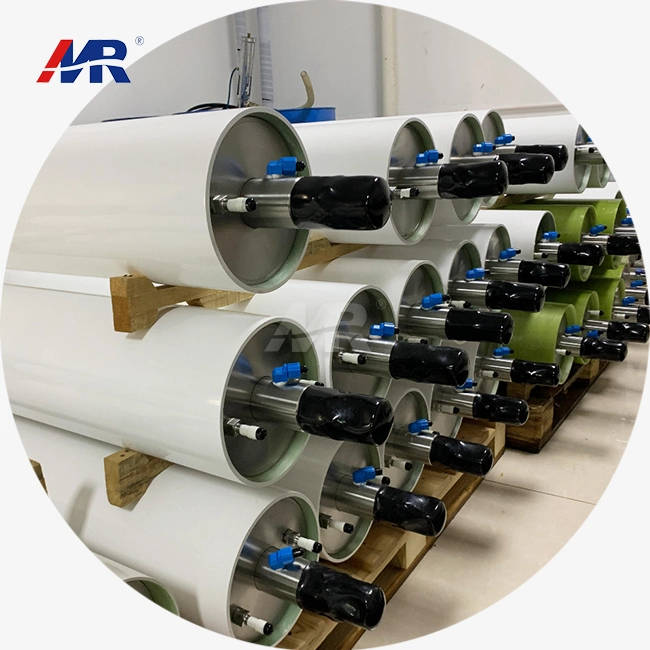 VIEW MORELandfill Leachate Treatment Plant
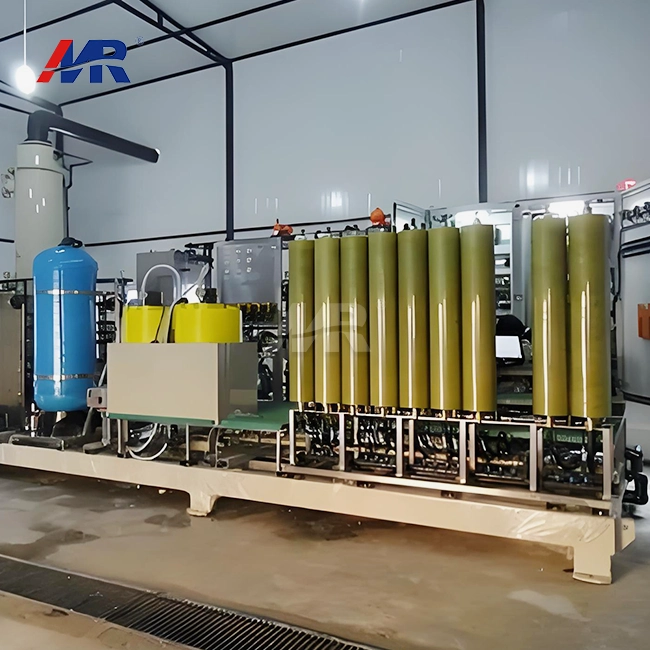 VIEW MOREDTRO Water Treatment
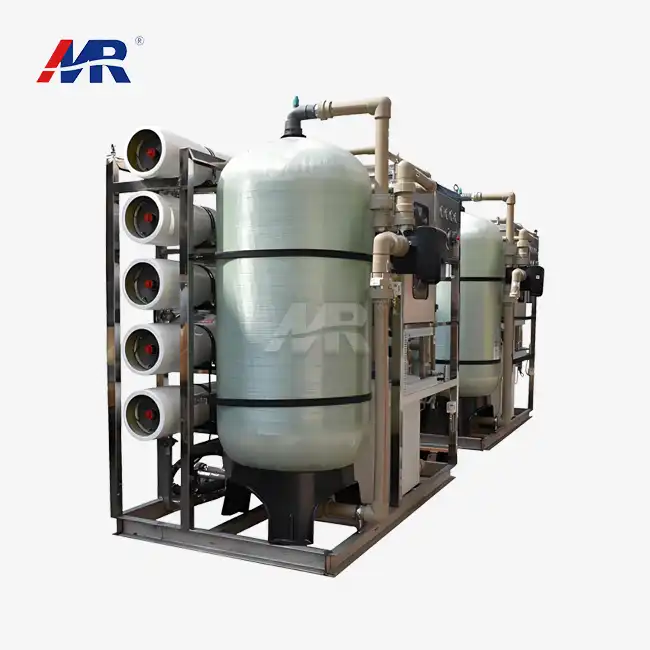 VIEW MORE8m3/hour seawater desalination equipment
 VIEW MOREindustrial ultrafiltration systems
 VIEW MORE70m3/hour ultrafiltration plant
 VIEW MOREDTRO for Wastewater Treatment
