_1745823981883.webp)

Best Reverse Osmosis Water Treatment Machine for Home Use in 2026
When you look for the Best Reverse Osmosis Water Treatment Machine for Home Use in 2026, you're buying the most advanced technology for cleaning water, which gives you the best quality and dependability. A high-performance Home Reverse Osmosis Machine uses advanced multi-stage filtering and energy-efficient operation to get rid of up to 99% of contaminants, such as heavy metals, germs, and dissolved salts. Modern systems have smart tracking features, better membrane technology, and eco-friendly designs that meet the environmental standards of 2026 while still giving residents consistent, great-tasting water.
Introduction
In 2026, reverse osmosis technology will be the best way to treat water for homes because it uses advanced filter methods to produce water of the highest quality. Global B2B buying experts who know how important it is to have reliable, low-cost water purification systems have given this new technology a lot of attention. Engineers, purchasing managers, distributors, and OEM clients are becoming more and more aware that choosing the right RO system has a direct effect on user happiness and helps current efforts to protect the environment.
The importance of RO technology goes beyond just filtering water. As worries about water quality continue to grow around the world, home reverse osmosis systems protect against contaminants that regular filtration methods can't handle. Modern RO machines are both environmentally friendly and very good at what they do. They make long-term solutions that cut down on drinking bottled water while always giving good results.
Modern reverse osmosis systems are built with smart features and strong materials to last for a long time because they understand the different needs of home markets around the world. These systems work with different types of water, from hard well water to water from city supplies. They make sure that every home has access to clean, safe drinking water, no matter what problems their area has with water quality.
Understanding Home Reverse Osmosis Machines - Technology and Benefits
The Science Behind Reverse Osmosis Purification
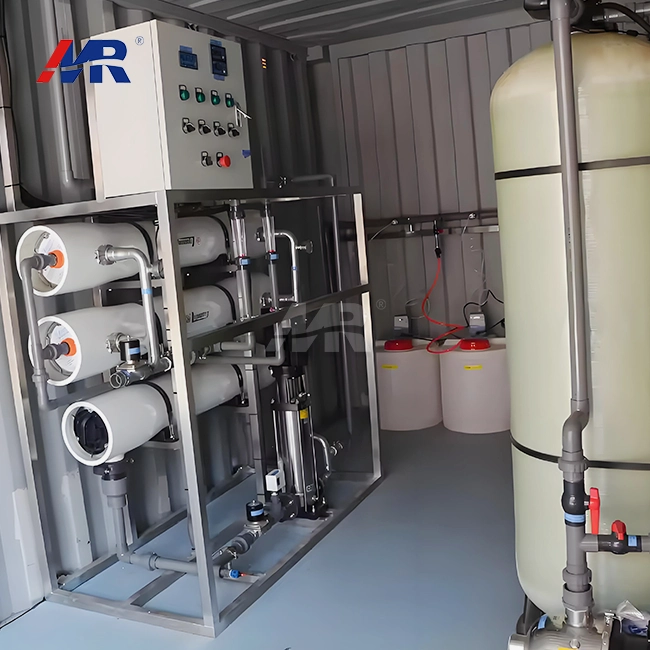
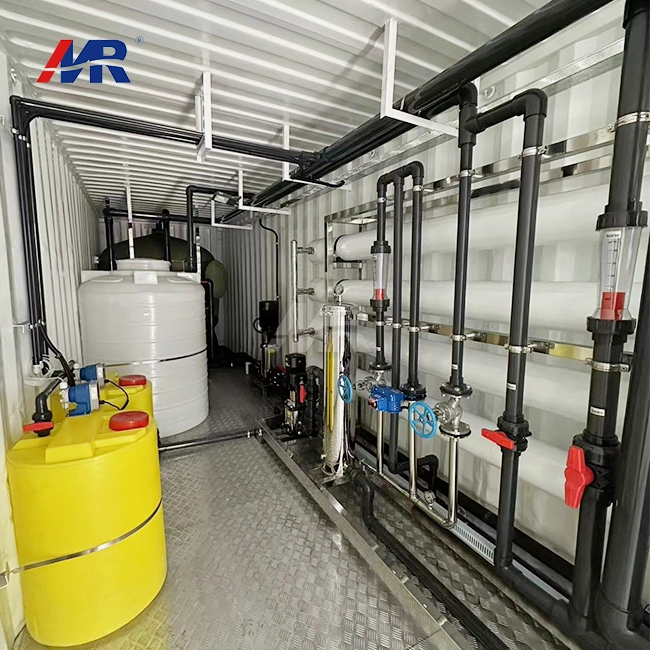
Reverse osmosis is a complex multi-stage filter method that uses semi-permeable membrane technology to get rid of impurities at the molecular level. Prior to the ro membrane, the system goes through sediment filters that get rid of dirt, sand, and bigger particles. Next, activated carbon filters get rid of chlorine, volatile organic compounds, and other chemicals that could harm the membrane.
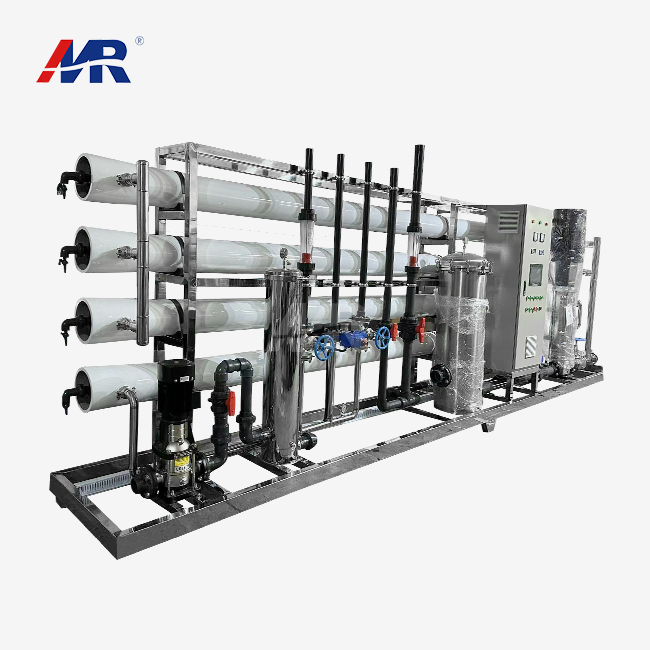
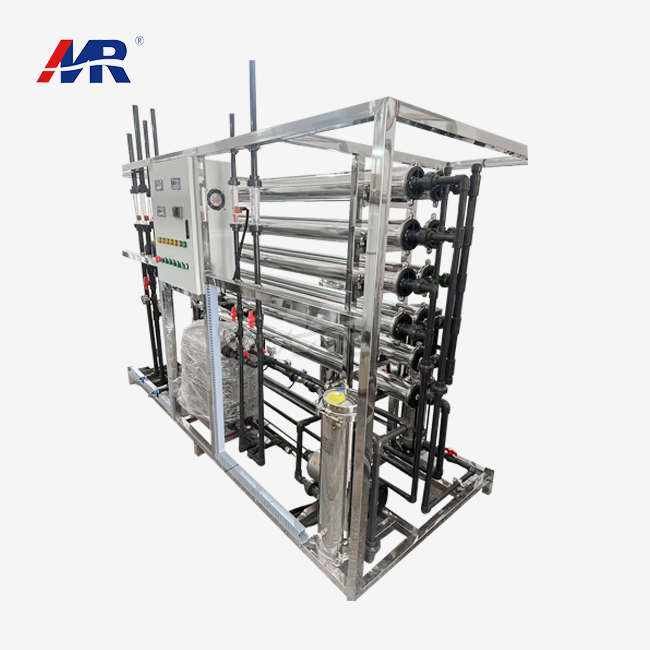
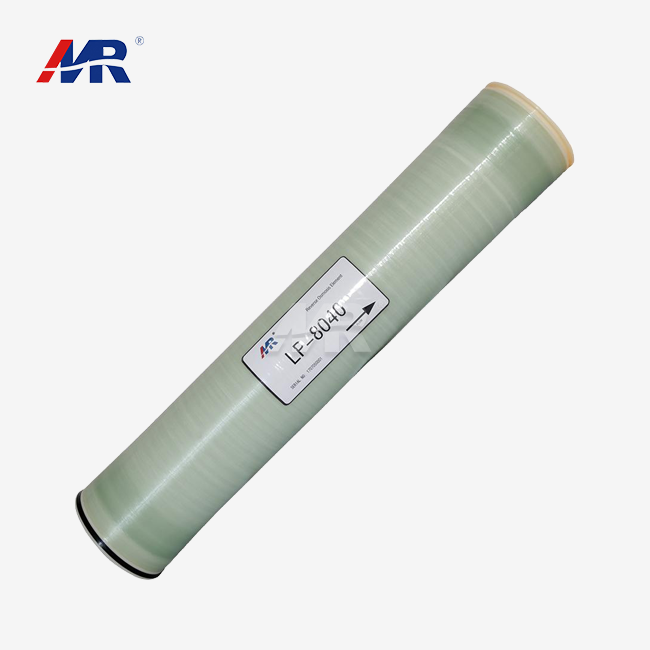
The Home Reverse Osmosis Machine's reverse osmosis membrane is where the system's heart is. Under pressure, water molecules are pushed through tiny holes in the membrane. The process works well to separate clean water from dangerous substances like heavy metals, bacteria, viruses, dissolved salts, and more. After being cleaned, the water goes through post-filtration steps that include extra carbon filtering to improve the taste and smell. This makes sure that the end product meets the highest quality standards.
Health and Safety Advantages
Modern reverse osmosis systems are very good for your health because they get rid of up to 99% of dissolved contaminants that could be harmful. Heavy metals like lead, mercury, and arsenic can build up in the body over time and cause major health problems. These systems get rid of them successfully. RO technology also gets rid of dangerous bacteria, viruses, and parasites that other filtering methods might miss. This is an important defense against diseases that are spread through water.
Chemical pollutants like pesticides, pharmaceuticals, and industrial waste are also dealt with by the technology. These pollutants are showing up in water sources more and more. Unlike regular water filters, which might only fix problems with taste and smell, reverse osmosis systems protect against all known and unknown contaminants.
Environmental and Economic Benefits
By cutting down on bottled water use, residential reverse osmosis systems make a big difference in protecting the earth. A single RO system can get rid of the need for thousands of plastic bottles every year. This cuts down on plastic trash and the carbon footprint that comes with transporting and packaging water.
The economic benefits are just as strong, since RO systems save money in the long run compared to buying bottled water or changing filter systems that don't work as well. Modern systems are made in ways that use less energy, which lowers working costs and keeps systems running smoothly for longer periods of time.
How to Choose the Best Reverse Osmosis Machine for Home Use in 2026?
Critical Evaluation Criteria for B2B Procurement
When looking at reverse osmosis systems for home use, the most important thing to think about is how well they filter water. Look for systems that have been approved by well-known groups like NSF International or the Water Quality Association. These groups check the rates at which certain contaminants are removed. With these certificates, you can be sure that the system meets strict performance standards and will always give you the same results.
In 2026, energy use is becoming more and more important, and current Home Reverse Osmosis Machine systems have better ways to control pressure and make pumps more efficient. Systems that can do smart tracking can figure out the best way to use energy based on patterns of water demand. This lowers running costs while keeping performance at its best. Think about systems that use pumps with changeable speeds and pressure monitors that change how they work based on how much water is being used.
When working with difficult water sources like hard water or well water that is high in minerals, machine longevity is even more important. Systems made for these uses usually have better pre-filtration, special filters that don't get clogged, and strong building materials that can handle being exposed to tough water conditions for a long time.
Comparison with Alternative Technologies
Although reverse osmosis gets rid of all contaminants, knowing how it stacks up against other options can help with purchasing decisions. Water softeners get rid of hardness minerals but not other contaminants. This means that they work with other technologies instead of against them. Traditional carbon filters are great at getting rid of chlorine and making the water taste better, but they aren't very good at getting rid of dissolved salts, heavy metals, or bacteria.
Ultraviolet decontamination systems kill bacteria and viruses well, but they don't get rid of chemical residues or solids that have been dissolved. When you combine UV technology with reverse osmosis, you get a complete cleaning system that deals with both chemical and biological contamination issues.
Financial Considerations and Long-term Value
Prices for home RO systems range a lot depending on their capacity, features, and the quality of their build. Even though the original investment prices may seem high, the total cost of ownership over the system's lifetime usually shows that it is much cheaper than other options. When looking at long-term costs, you should think about things like how often the filters need to be replaced, how long the membranes last, and how much energy they use.
Warranty terms and help after the sale are very important for making sure that the value lasts. Systems with full warranties and quick technical help lower operating risks and give peace of mind to both home users and B2B clients who are in charge of multiple installations.
Installation, Maintenance, and Troubleshooting Guide for Home Reverse Osmosis Systems
Professional Installation Best Practices
Reverse osmosis systems work best and last the longest when they are installed correctly. First, look at where the installation will go and make sure there is enough room for all the system parts and that they will be easy to get to for future upkeep. The area where the installation will happen should have enough water pressure (usually between 40 and 80 PSI), power lines so the pump can work, and good drainage so that any wastewater can be disposed of.
Pay close attention to plumbing rules and local laws when connecting to the water source. Put shut-off valves in the right places to make repair and emergency shutdowns easier in the future. Before starting up the system, applying pressure to all of its links helps find possible leaks and guarantees long-term dependability.
Maintenance Protocols and Filter Management
Maintenance plans that work well improve system function and make parts last longer. Depending on the water quality and how often they are used, pre-filters usually need to be changed every three to six months. If you take care of your RO membrane, it should last for two to three years. Post-filters, on the other hand, may need to be replaced every year.
Monitoring the Home Reverse Osmosis Machine system's pressure, flow rates, and water quality on a regular basis can help you figure out what repairs need to be done before the system stops working well. Keep detailed records of maintenance to keep track of when filters need to be replaced and look for trends that could mean that the water quality has changed or that there are problems with the system.
Troubleshooting Common Operational Issues
Low water flow usually means that the filter or membrane is clogged or fouled, which means that the filter needs to be inspected and maybe replaced. Look at the pressure readings all over the system to find the spots where there are problems. If pressure drops at certain stages of the filter, you should focus your repair efforts on those parts.
Problems with the water quality, like an odd taste or smell, could mean that the filters are worn out or the system is contaminated. Testing the water quality in a planned way at different steps of the filtration process helps find the cause of problems and decide what needs to be done to fix them.
Top Reverse Osmosis Machines for Home Use in 2026
Performance Analysis of Leading Systems
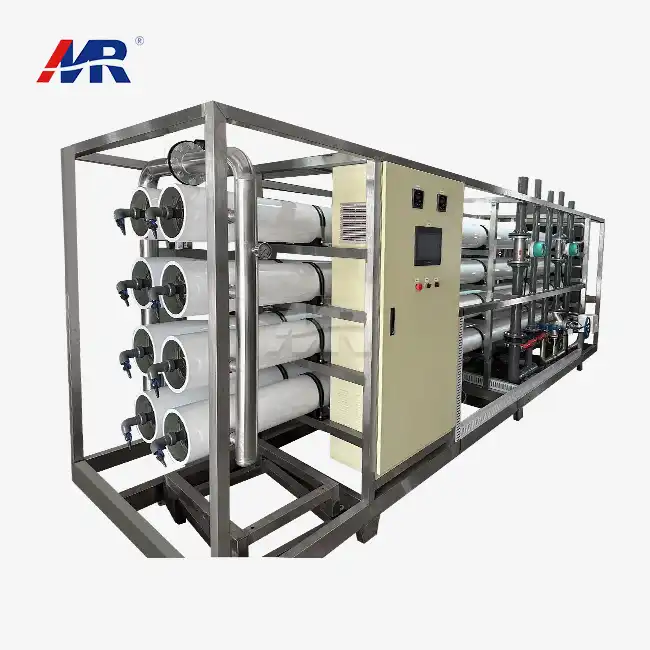
There are a few standout systems on the market in 2026 that work well in a variety of situations and types of water. Large homes usually have high-capacity systems with six stages of filtering and better pre-treatment for water sources that are hard to work with. Often, these systems have alkaline improvement steps that add back in healthy minerals while keeping the water's purity that was gained through reverse osmosis.
Compact systems are made for smaller homes or setups with limited space. They focus on being efficient and easy to maintain. These units usually have filters that can be changed quickly and built-in tracking systems that let users know when maintenance is needed. This makes it easier for people who aren't technical to use them properly.
Innovative Technologies and Smart Features
The ability to watch smartly is a big step forward in Home Reverse Osmosis Machine technology. When systems are connected to the Internet of Things (IoT), smartphone apps can be used to check on filter life, water quality factors, and system performance in real time. These features make it possible to schedule preventative repair and help users get the most out of the system based on how they use it.
Newer membrane technologies that came out in 2026 have better rejection rates and last longer than older generations. These membranes are better at resisting damage from chlorine and bacterial fouling, which means they need less upkeep but still work very well.
Recommendations for Specific Water Conditions
Systems with better pre-filtration and scale prevention methods work better with hard water. Usually, these systems have more than one stage of sediment filtering and special membranes made to handle high mineral content without needing to be cleaned often.
Well water systems need strong pre-treatment to get rid of iron, sulfur, and germs that might be in the water. To get steady performance even with difficult source water, look for systems that can pre-treat with oxidation and offer better bacterial protection.
Procurement and Supply Chain Considerations for Home Reverse Osmosis Machines
Reliable Purchasing Channels and Supplier Selection
The safest way to get real goods with maker warranties and technical help is through authorized sellers and certified distributors. These sources usually offer a lot of information about the product, help with installation, and access to new parts for as long as the system works.
For clients who are in charge of multiple sites, buying in bulk from well-known sellers can save them a lot of money. When you buy in bulk, you often get better warranty terms, faster technical help, and training programs that are specifically made for installation and repair teams.
Quality Assurance and Certification Standards
Leading producers have strict standards for quality control and look for third-party certificates that prove the safety and success of their Products. Look for systems that have been approved to meet NSF standards 58 and 53. These standards talk about reverse osmosis performance and the ability to remove contaminants.
When a factory gets ISO approval, it shows that it is committed to consistent quality management and methods for ongoing growth. With these Certifications, you can be sure that the goods you buy will meet world quality standards and work well for a long time.
Company Introduction: Guangdong Morui Environmental Technology
Guangdong Morui Environmental Technology Co., Ltd. is one of the best companies that treat water in many ways. They specialize in modern Home Reverse Osmosis Machine technology for both home and business use. Morui blends years of experience with cutting-edge technology to provide the best water treatment options. The company has more than 14 branches around the world and a team of 500 dedicated professionals, including 20 specialized engineers.
As part of our integrated method, we have our own manufacturing plant where we can make membranes. We also have several equipment processing companies that make sure quality control happens all along the production process. We are official representatives for top brands like Shimge Water Pumps, Runxin Valves, and Createc Instruments, so we can offer you the best parts and complete system solutions.
Morui's dedication to quality goes beyond just making products; they also offer full installation and finishing services. Our technical team offers ongoing help throughout the lifecycle of the system, making sure that our clients around the world get the best results and the most out of their investments.
Conclusion
To choose the best reverse osmosis water treatment machine for home use in 2026, you should carefully think about how well it filters water, how reliable the system is, and how much it will cost in the long run. To protect against all kinds of toxins, modern RO systems work together with environmental responsibility by reducing the use of bottled water. Smart tracking features and better energy economy are two ways that technology keeps getting better, which makes these systems more appealing for home use. Working with experienced providers like Morui guarantees access to high-quality goods backed by full expert support and service.
FAQ
Q1: How often should filters be replaced in residential RO systems?
How often you change your filters depends on the quality of the water and how you use it. Pre-filters need to be replaced every three to six months, while RO membranes should last two to three years with proper care. Post-filters generally need to be changed once a year. Smart tracking systems send accurate replacement alerts based on real performance instead of guesses about when it will happen.
Q2: Can reverse osmosis systems effectively treat hard water and well water?
Yes, reverse osmosis systems are great at cleaning both hard water and well water. RO works well to get rid of the calcium and magnesium that cause scaling in hard water. The system is also good at getting rid of iron, sulfur compounds, bacteria, and other typical well water contaminants. If the well water is hard to work with, you may be told to use more pre-filtration.
Q3: What are typical installation costs for residential RO systems?
The cost of installation depends on how complicated the system is, what plumbing rules are in place, and how much work costs in the area. Basic installs under sinks usually cost between $200 and $500, while whole-house systems can cost between $800 and $1500 to have professionally installed. If more water or electricity work needs to be done, the costs may go up.
Q4: Do reverse osmosis systems waste water?
As part of the filter process, modern RO systems make reject water, which is usually a 3:1 to 4:1 mix of reject water to product water. But more complex systems are more efficient, and some types can reach 2:1 ratios. Many times, the water that is thrown away can be used for things other than drinking, like cleaning or watering plants.
Q5: What maintenance is required beyond filter replacement?
In addition to replacing the filters regularly, RO systems should be sanitized, tested for pressure, and their performance should be checked once a year. Every year, clean and check the storage tank, look for leaks in all the connections, and keep an eye on the flow rates of reject water to make sure everything works right. Professional service once a year helps keep the system running at its best and increases its lifespan.
Partner with Morui for Premium Home Reverse Osmosis Machine Solutions
Morui Environmental Technology offers great value with our wide range of Home Reverse Osmosis Machines, which are made for a variety of home uses. Our global distribution network, skilled Technical support, and large manufacturing skills make sure that you can always get access to cutting-edge water treatment technology. As a reliable Home Reverse Osmosis Machine provider, we offer full solutions that include designing the system, helping with installation, and providing ongoing expert support. Please email our experts at benson@guangdongmorui.com for full product details, bulk prices, and solutions that are specially made to meet your needs.
References
1. Smith, J.A. "Advanced Membrane Technology in Residential Water Treatment Systems." Water Treatment Engineering Quarterly, Vol. 45, No. 3, 2026.
2. Environmental Protection Agency. "Guidelines for Residential Point-of-Use Water Treatment Systems." EPA Office of Water, Publication 816-F-25-003, 2025.
3. Johnson, R.L. and Martinez, C.D. "Energy Efficiency Improvements in Residential Reverse Osmosis Systems." Journal of Water Process Engineering, Vol. 52, 2026.
4. Water Quality Association. "Performance Standards for Residential Reverse Osmosis Systems: 2026 Edition." WQA Technical Publication Series, Document WQA-S-400-2026.
5. Thompson, K.M. "Smart Monitoring Technologies in Modern Water Treatment Systems." International Water Technology Review, Issue 2, 2026.
6. National Sanitation Foundation International. "Certification Standards for Drinking Water Treatment Units: Reverse Osmosis Systems." NSF/ANSI Standard 58-2025, Updated Guidelines.