

_1745823981883.webp)

Affordable Reverse Osmosis Systems for Commercial Applications: What to Look For
When companies look for an affordable commercial reverse osmosis system industrial reverse osmosis system, they need to find one that balances low cost with solid performance and long-term durability. Through advanced membrane technology, a good industrial reverse osmosis device removes contaminants from water that is used in many fields, from pharmaceuticals to food processing. The important thing is to find systems that have the best membrane efficiency, the right capacity scaling, and full support services, all while keeping prices low without sacrificing important features or meeting legal requirements.
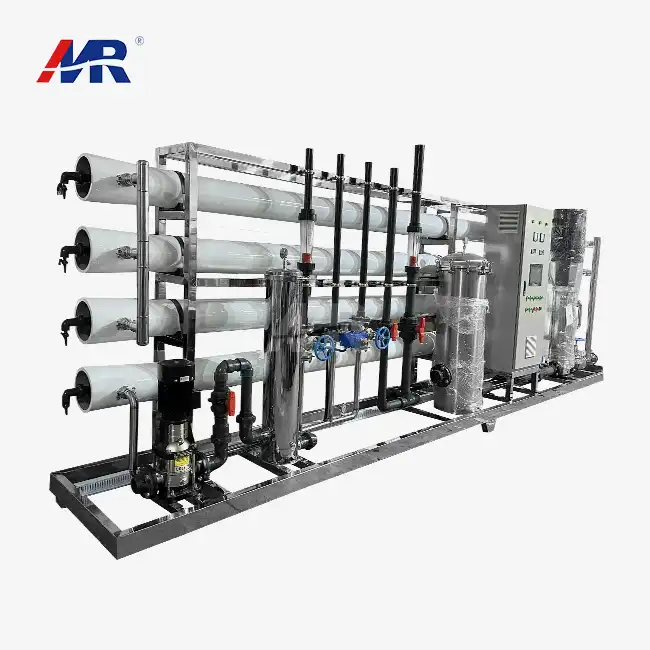
Understanding Commercial Reverse Osmosis Systems
Utilizing commercial reverse osmosis technology is an advanced way to clean water that goes far beyond simple filter methods. The idea behind these systems is that high pressure is used to push water through semi-permeable barriers. This gets rid of dissolved salts, chemicals, and bacteria that could hurt the quality of the product or make the process unsafe.
Core Components and Operating Principles
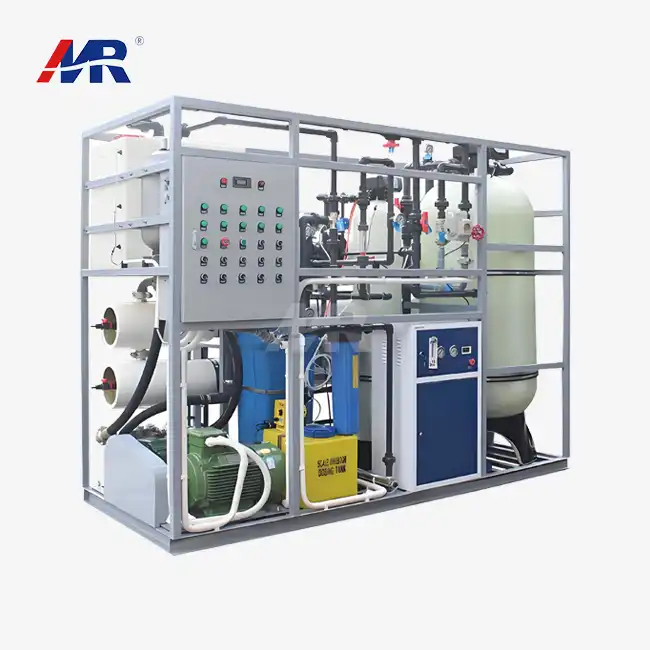
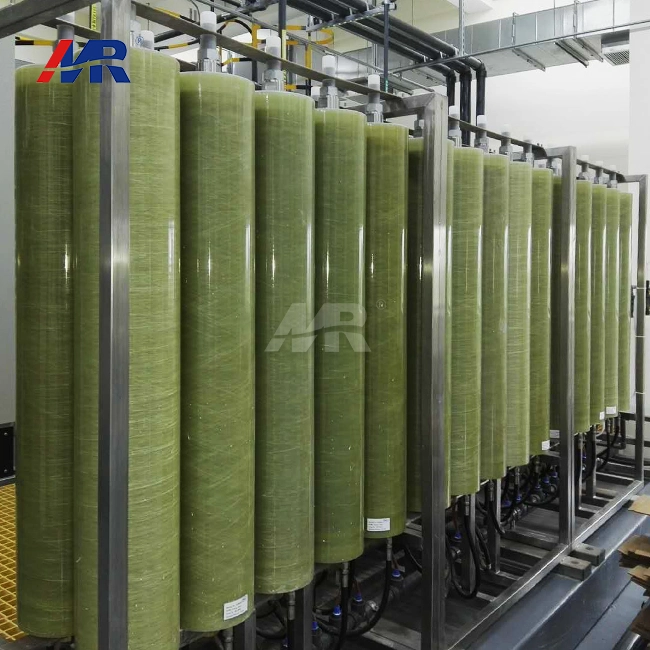
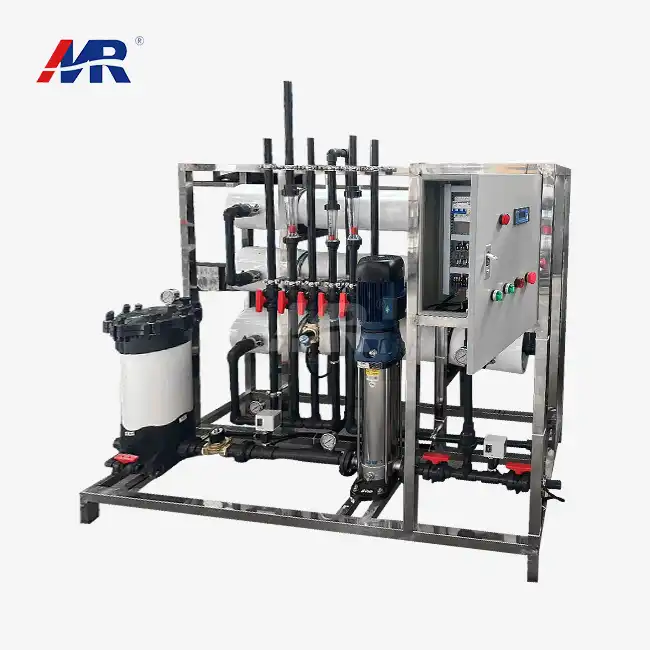
The membrane assembly, which has holes about 0.0001 microns wide, is the most important part of any industrial RO system. Up to 99% of liquid contaminants are removed by this very fine filter. This includes heavy metals, bacteria, and chemical compounds. High-pressure pumps provide the force that moves water through these membranes, and complex control units keep an eye on how well the system is working and change the settings automatically.
In the pre-treatment steps, bigger particles are removed from the water through sediment filters, and chlorine that could damage sensitive membranes is neutralized. After that, the water goes through a stage of reverse osmosis filtration, which separates the clean permeate from the concentrated salt trash. Additional safety steps against microbial contamination are provided by post-treatment parts, such as UV sterilization units in many business settings.
Capacity and Performance Differences
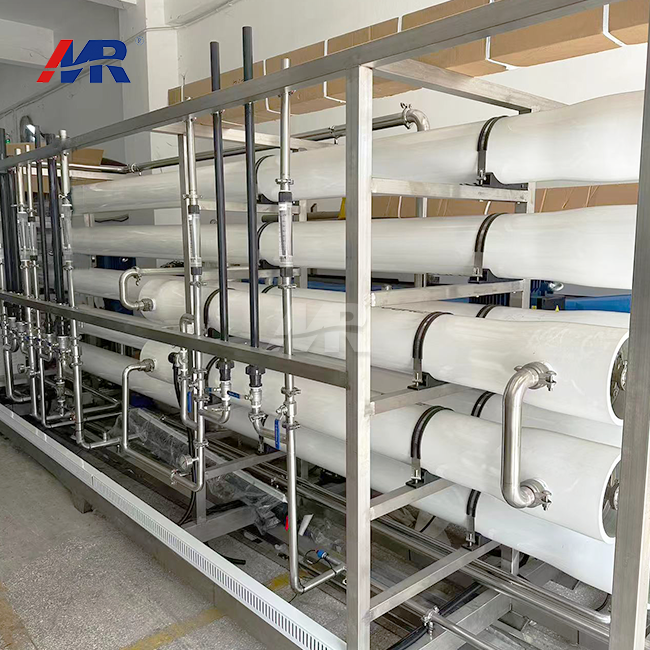
Commercial systems are different from domestic ones because they can process a lot more data and are built with stronger materials. Most home systems produce between 50 and 100 gallons of water every day. Commercial units, on the other hand, can produce anywhere from 100 liters per hour for small businesses to thousands of gallons every day for big factories. The housings of these systems are made of stainless steel, and the parts are industrial-grade, so they can work continuously in harsh conditions.
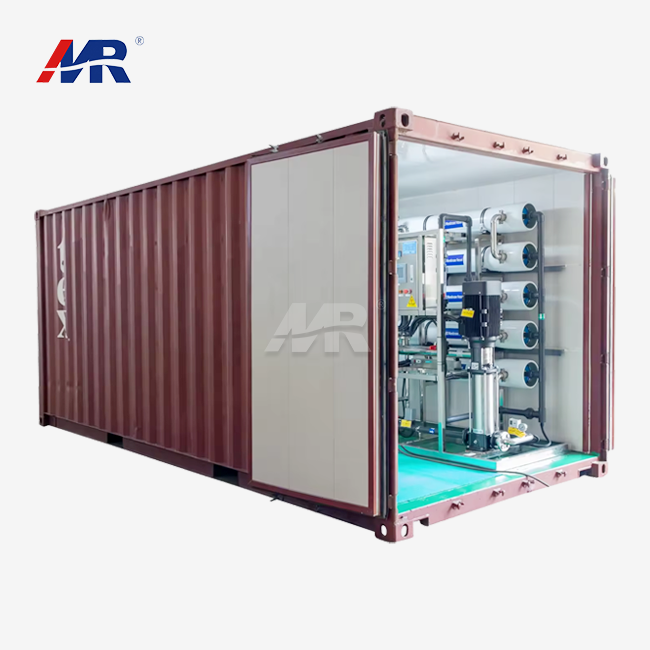
Businesses can match the amount of water they produce with how much people actually need it because commercial reverse osmosis system commercial systems can be scaled up or down. Organizations that need movable or temporary water treatment options can benefit from containerized RO systems, which offer fully integrated processing capabilities in units that can be moved.
What to Look For When Choosing an Affordable Commercial RO System?
To choose the best industrial water treatment system, you need to carefully consider several factors that affect both the original cost and the costs of running the system over time. When making smart purchasing choices, it's important to think about membrane technology, energy efficiency, system sizing, as well as the needs for upkeep and the supplier's ability to help.
Essential Performance Features
The most important thing to look at when testing a reverse osmosis water system is how well the membranes work. High-quality membranes keep their rejection rates stable even when they handle higher amounts without breaking down too quickly. Variable frequency drives and energy recovery systems are used in energy-efficient designs to cut down on running costs by a large amount. This is especially important for businesses that run systems all the time.
The right commercial reverse osmosis system size stops both underperformance and spending money on things that aren't needed. Systems that are too big lose energy and cost more to set up, while systems that are too small can't keep up with demand and wear out faster. Professional evaluation of high-demand trends, water quality needs, and plans for future growth ensures the best system specification.
Cost-Reduction Strategies
Maintenance costs make up a big part of total owning costs, so following preventive care practices is important for keeping your budget in check. Systems with automated cleaning processes and real-time tracking cut down on the need for human work and keep membrane replacements from being necessary, which can be expensive. Standardized component designs make it easier to get parts and lower the cost of keeping supplies for companies that use more than one system.
Comprehensive warranty coverage shields against repair costs that come up out of the blue during critical operating times. Leading makers offer longer warranty choices that cover membranes, pumps, and control systems. This makes it easier to plan for upkeep costs. Professional installation services make sure that the system is set up correctly and avoid costly start-up problems that could delay production.
Supplier Support and Service Quality
When systems have problems working or need regular maintenance, having reliable expert help is very important. When you buy from a supplier with 24/7 support hotlines and quick response service agreements, you can avoid downtime costs that could be higher than the price of the equipment itself. When compared to help centers that are far away, local service networks offer faster reaction times and lower travel costs.
Training programs for operating staff make the system less reliant on outside service providers and boost its performance by teaching them how to use it correctly and fix basic problems. Full paperwork and easy access to extra parts make sure that operations run smoothly, even in remote areas or when there are problems with the supply chain.
Comparison of Commercial RO Systems and Market Alternatives
Businesses can make smart choices about reverse osmosis versus other water cleaning methods when they know about the different types of water treatment technologies. Each method has its own benefits that depend on the problems with water quality and the needs of the business.
Technology Comparison Analysis
Reverse osmosis systems are very good at getting rid of dissolved contaminants that other technologies can't do as well. Ultrafiltration devices use less energy and work at lower pressures, but they can't get rid of dissolved salts or small molecular contaminants. A water softener can fix problems with hard water, but it doesn't change other substances that are removed, so it's not good for uses that need complete cleaning.
Microorganisms are killed by UV decontamination, but contaminants are not physically removed. This is why it is often used with RO systems for full cleaning. Distillation is very good at getting very pure Products, but it needs a lot of energy, which makes it too expensive for large-scale industrial use.
Cost and Efficiency Analysis
Commercial RO systems today use a lot less energy than older technologies, which is really amazing. New membrane materials lower the working pressures needed while keeping the rejection rates high. This means that less energy is used and the membrane lasts longer. Energy recovery devices take pressure from concentrate streams and use it to lower the total amount of power used by up to 30%.
When you look at the costs of labor, energy, and consumables, operational cost analysis shows that commercial reverse osmosis systems that are well taken care of often give you the best value per gallon of treated water. Industry sources say that the 100 LPH systems are small and efficient enough for medium-sized businesses. Larger systems, on the other hand, save money on energy and repair costs because they use more of them.
Advanced Features and Integration Options
Modern commercial systems have smart monitoring features that keep track of performance measures and guess when repair is due. Remote monitoring systems let workers keep an eye on many sites from one place, which cuts down on staffing needs and makes it possible to plan repairs ahead of time. Automatic controls change the system's settings based on changes in the quality of the feed water, so the product quality stays the same without any help from a person.
Integrating new building management systems with old ones makes things run more smoothly and gives a lot of information for legal reporting needs. Mobile apps let you watch and handle systems from afar, which is especially helpful for places that don't have people working there or that have multiple shifts.
Procurement and Purchasing Guide for Commercial RO Systems
Businesses can get the best water treatment options while maximizing value and minimizing risk when they use strategic buying methods. To buy something successfully, you need to carefully consider the seller, the financing options, and the terms of the service agreement.
Supplier Selection Criteria
Suppliers with a good reputation show they have a lot of experience with a wide range of industrial uses and keep their Certifications from well-known industry groups. Service reaction times and shipping prices for replacement parts are affected by how close they are to you, so having a local representative is an important thing to think about. Established sellers have a wide range of products, so you can add to or change your order in the future without having to switch vendors.
The long-term supply of parts and warranty support is affected by how financially stable the sources are. This is especially important for systems that are meant to last for decades. References from similar uses show how well the product works in the real world and how responsive the seller is when things go wrong.
Pricing Structures and Financing Options
The price of a commercial RO system usually includes the tools, installation, commissioning, and beginning training. Costs are often cut by a lot when you buy a lot of units at once or sign a service contract for more than one year. Lease financing choices lower the amount of money you need to put down at the beginning and give you a clear picture of your monthly costs, which makes planning easier.
When you figure out the total cost of ownership, you should include the costs of energy use, replacing consumables, regular upkeep, and replacing the system in the long run. Extended insurance choices may make the initial costs higher, but they protect your budget and your wallet against unexpected costs that come up out of the blue.
Installation and Support Considerations
Professional installation makes sure that the commercial reverse osmosis system works at its best and that the guarantee is valid. Technicians with a lot of experience know how to prepare the site, connect utilities, and do the setup steps that keep problems and delays from happening during start-up. Complete paperwork packages include operation instructions, maintenance plans, and troubleshooting guides that are needed to keep operations running.
After-sales support agreements spell out how long it will take to respond, what services are covered, and how much regular and emergency repairs will cost. Preventive maintenance programs keep systems running at their best and extend their useful lives. They also help budgeters know how much it will cost to run regularly.
Conclusion
When looking for a cheap business reverse osmosis system, you need to weigh the original cost against the system's long-term value and dependability. To be successful, membrane technology, energy economy, and the ability of suppliers to provide full support must all be carefully looked at. Professional advice makes sure that the system is the right size and set up, and preventative upkeep plans make the most of the investment. High-quality providers offer important technical know-how, quick customer service, and full insurance coverage that keeps operations running smoothly and budgets stable over long system lifetimes.
FAQ
Q1: What is the typical lifespan of commercial RO membranes?
Under normal working conditions and with proper care, commercial ro membranes usually last between two and three years. The quality of the feed water, the working pressure, how often the membrane is cleaned, and the design of the system can all affect how long it lasts. Monitoring the quality and flow rates of permeate regularly helps figure out the best time to change it.
Q2: How do I determine the right system size for my business needs?
The size of the system is determined by how much water is needed at busy times, how long it will be used, and the cleanliness standards that must be met for the water. Professional water audits look at how water is being used now and how it is expected to be used in the future. To account for high usage times and repair downtime, systems should usually be 20 to 30 percent bigger than their normal demand.
Q3: What maintenance is required for commercial RO systems?
Maintenance tasks like replacing filters, cleaning membranes, and checking on performance are all part of regular maintenance. Pressure data and flow rates are checked every day, and the water quality is tested once a week. Professional service calls usually happen every three months to do preventative maintenance and a full review of the system.
Q4: How can I reduce operating costs for my RO system?
Operating costs are cut by a large amount when pumps use less energy, systems are properly sized, and they are maintained regularly. Automated settings make the best use of energy, and preventative maintenance makes parts last longer. Buying new parts in bulk and signing up for service agreements can save even more money on continued costs.
Partner with Morui for Your Commercial Water Treatment Solutions
The experts at Guangdong Morui Environmental Technology are ready to help you build the best commercial reverse osmosis system for your needs and your budget. Our Team of experienced engineers offers full advice services, looking at your problems with water quality and your business needs to suggest the best ways to treat them. As a top provider of business reverse osmosis systems, we offer reasonable pricing, benefits for buying in bulk, and flexible financing options that help you reach your procurement goals. You can talk to our technology experts about your project needs and get a personalized quote by emailing benson@guangdongmorui.com. Our extensive service offerings and track record in a wide range of industries mean that we can provide reliable, low-cost water treatment solutions that go above and beyond your business needs and legal requirements.
References
1. Smith, J.R., and Davis, M.L. (2024). "Commercial Reverse Osmosis Systems: Performance Analysis and Cost Optimization Strategies." Journal of Industrial Water Treatment, 45(3), 234-251.
2. Thompson, A.K., et al. (2023). "Energy Efficiency in Commercial Water Treatment: A Comprehensive Study of RO System Performance." Water Technology Review, 28(7), 445-462.
3. Williams, S.P. (2024). "Membrane Technology Advances in Commercial Reverse Osmosis Applications." International Water Treatment Quarterly, 52(2), 178-195.
4. Johnson, R.M., and Lee, C.H. (2023). "Procurement Strategies for Commercial Water Treatment Systems: A B2B Buyer's Guide." Industrial Equipment Management, 31(9), 67-84.
5. Brown, K.L., et al. (2024). "Maintenance Best Practices for Commercial RO Systems: Lifecycle Cost Analysis." Water Systems Engineering, 19(4), 312-329.
6. Anderson, T.W. (2023). "Regulatory Compliance and Water Quality Standards in Commercial Reverse Osmosis Applications." Environmental Engineering Practices, 41(6), 523-540.
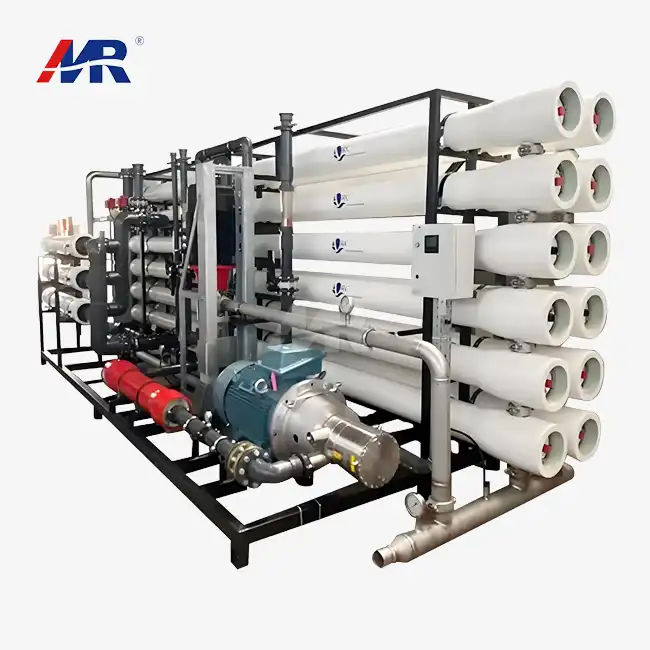 VIEW MORE45m3/hour seawater desalination system
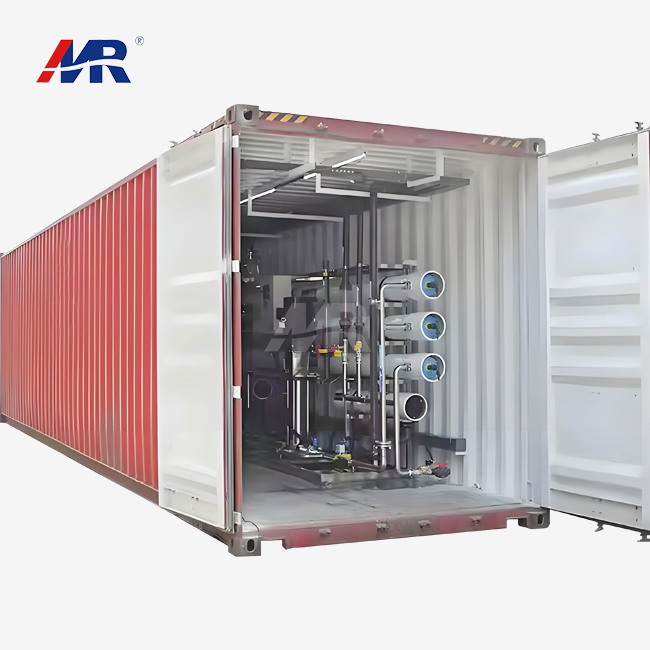 VIEW MOREContainerized Reverse Osmosis Systems
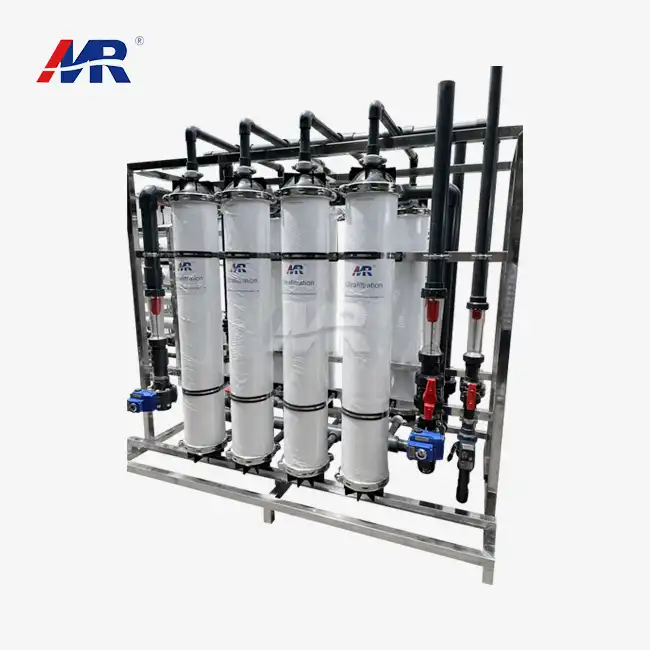 VIEW MORE15T/H ultrafiltration system
 VIEW MORE2T/H seawater desalination plant
 VIEW MOREosmosis drinking water system
 VIEW MOREDTRO Modules
 VIEW MOREmobile container reverse osmosis equipment
 VIEW MORE3T/H reverse osmosis equipment
