

_1745823981883.webp)

Best Reverse Osmosis Device for Home Use: Top Picks for Clean Drinking Water
The health and happiness of your family are at risk when you search for the best reverse osmosis device for home use. Heavy metals, germs, viruses, and dissolving salts are just a few of the pollutants that modern RO systems can get rid of. This means that the water is always safe to drink. Modern home reverse osmosis systems use cutting-edge membrane technology and are easy for anyone to use. They do a better job of filtering while keeping costs low and maintenance easy for home use.
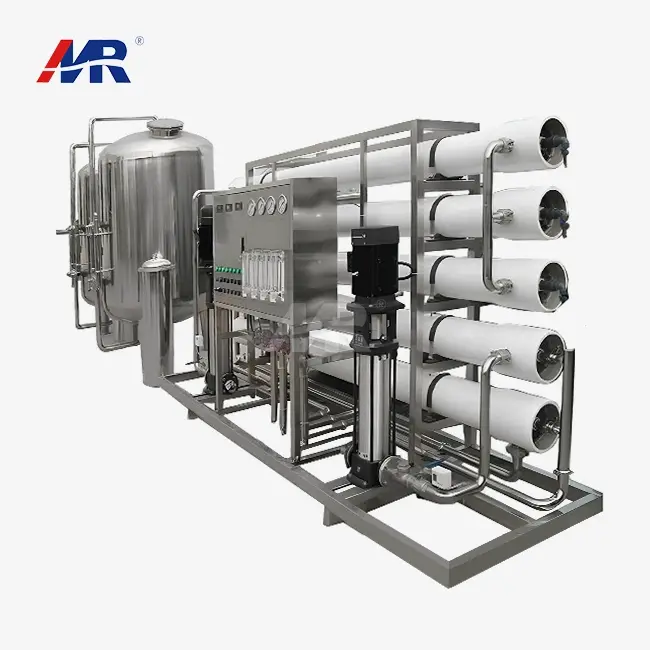
Understanding Reverse Osmosis Technology and Its Benefits
This is one of the most high-tech ways to clean water for home use right now: reverse osmosis. This high-tech filter method uses pressure to push water molecules through a layer that lets some things through but not others. This works to separate dirty water from clean water. The membrane has very small holes that only let clean water molecules pass through. Heavy metals, germs, viruses, dissolved salts, and chemical pollution can't get through them.
Core Mechanics and Components of RO Systems
There are several steps of filtration that need to happen in order for a reverse osmosis device to work. Pre-filtration is the first step that the water goes through. Sediment filters get rid of bigger bits like sand and dirt, and carbon filters get rid of chlorine and other toxic organic chemicals that could damage the ro membrane. The most important part of the device is the reverse osmosis membrane. Most of the time, it's made of thin-film blend materials that are great at getting rid of dirt and other things.
These days, RO systems for homes have tanks that can hold 2 to 4 gallons of clean water. There is no need to wait for the filter process to finish every time you turn on the faucet. You can get clean water right away. Steps that come after the filter process get rid of any tastes or smells that are still in the water before it gets to your kitchen tap.
Superior Contaminant Removal Capabilities
Reverse osmosis is better than other filtering methods in a number of important ways. To make water taste better and get rid of chlorine, activated carbon filters work great. But they can't get rid of heavy metals or minerals that have been mixed into the water. UV screens are very good at getting rid of germs and viruses, but they don't get rid of chemical pollutants. Hard water can be fixed with a water filter, but it doesn't get rid of dangerous things like arsenic or lead.
RO systems take care of all of these problems at once, keeping water clean in a lot of different ways. A good reverse osmosis device can get rid of almost all germs and viruses, up to 99% of all dissolved solids, and 95–99% of all heavy metals. They are the best way to clean water at home because of this.
Top Reverse Osmosis Devices for Home Use in 2026
To pick the best reverse osmosis system, you need to carefully consider several features and how well they work. These days, systems are very different in what they can do, how well they work, and how much value they hold. This means that people who buy things and people who use them both need to know how to compare systems correctly.
Key Evaluation Criteria for Home RO Systems
What you should think about most when shopping for a home reverse osmosis system is how well the screening stage works. Silt pre-filter, dual carbon filtration, reverse osmosis membrane processing, and cleaning after the carbon are the most common steps in five-stage systems. Often, UV cleaning and remineralization are part of seven-stage methods. These steps make the food safer and better tasting.
Different types use a lot of energy in very different ways. Energy-efficient systems lose less water because they improve membrane construction and pressure optimization. This is better for the environment and saves money on running costs. An installation that can be changed is important for many types of homes. Under-sink models take up less space, and tabletop models are simple to move for roommates or people who only need them for a short time.
Automatic shut-off valves, leak detection systems, and digital tracking screens are some of the features that make the system more reliable and make it easier to use. Remineralization filters fix the problem that many people have with the mineral content of RO water. They do this by adding good minerals back into the cleaned water, which may also make it taste better and be better for your health.
Performance Data and User Feedback Analysis
In 2026, the best models do very well on a lot of different types of tests. Good systems can keep flow rates between 50 and 75 gallons per day and reject more than 96% of all dissolved solids. Most pre- and post-filters need to be changed every six to twelve months. With normal use, RO membranes should last two to three years.
Users always say how important it is to have fast customer service and professional help with installation. In the long run, systems with full guarantees that cover things like promises to repair membranes and plans to keep parts safe are more valuable. There are low-cost options that cost less than $200 and high-end ones that cost more than $500. In general, mid-range models costing between $300 and $400 offer the best value for money for most families.
Maintenance Requirements and Operational Considerations
For ownership to last, you need to know how much maintenance costs and what you need to do to keep it in good shape. When you change the filters on a regular basis, the performance stays the same, and the expensive RO membrane doesn't break down too fast. Good systems have markers that show you when the filters need to be changed and refills that are simple to get to, which makes upkeep simpler.
To keep service delays to a minimum, you need to know how to fix problems. A lot of problems happen, like low flow rates because the filters are jammed, strange tastes that mean the filters are empty, and issues with the holding tank that do not allow water run. Users can fix small issues on their own more easily when systems have complete repair tools and quick expert support. These systems also let users know when they need to get professional help.
Installation and Maintenance Guide for Reverse Osmosis Devices
How well a reverse osmosis system is set up determines how well it works and how long it lasts. Your investment in technology that cleans water will be safe if you know how to use it and keep it in good shape.
Essential Installation Requirements and Tools
A drill with a hole saw for fitting the faucet, flexible wrenches, and Teflon tape to keep the connections safe are all you will need for most under-sink reverse osmosis device setups. In most installations, the cold water supply line is hooked up, a drain link is set up for wastewater, and the storage tank and filter parts are put under the sink.
For complicated installations or when local plumbing rules require a trained worker to be involved, it is best to have a professional do the job. A lot of businesses give installation services or networks of experienced installers to make sure the job is done right, and the warranty still stands. People who are good with computers can still run it themselves with the help of step-by-step guides and videos.
Preventive Maintenance Practices
To keep a tool working at its best, you need to stick to regular maintenance and tracking plans. If you change the pre-filter every 6 to 8 months, the sediment won't build up and stop the flow of water or damage parts further downstream. Changing the carbon filter often keeps the chlorine out and makes the water taste better.
Based on the water quality and how it is used, the reverse osmosis membrane needs to be changed every two to three years. It is the most important part of the system. A TDS meter is used to measure the total dissolved solids. This helps find out how well the membrane is working and when it needs to be changed. When you clean out storage tanks once a year, bugs can't grow, and the water quality stays good while it's being kept.
By finding real problems early on, you can stop small problems from getting worse and needing big fixes. If you hear strange noises, the water may flow more slowly, or the taste may change; you may need to fix it right away. A regular check of joints, fittings, and tubes for leaks can help find them before they cause any damage.
Purchasing Guide: How to Buy the Right Reverse Osmosis Device?
When planning what to buy, it's important to think about all the costs, such as the initial investment, the ongoing costs, and the benefits that will last over time. If you know these financial factors and the standards used to rate providers, you can make smart buying choices that give you the best return on your investment.
Cost Analysis and Long-Term Value Assessment
How much the first buy costs relies on how hard the system is to understand, how well-known the brand is, and what extras come with it. Some more high-end systems have extra features like smart tracking, remineralization, and UV cleaning. Low-cost systems that only do simple screening are called entry-level systems. To find the total cost of ownership, you need to add up how much energy the system uses over its lifetime, the cost of replacing filters, and the cost of skilled upkeep.
Some methods are worth more in the long run than cheaper ones, even if they cost more at first. When you buy good filters and parts, they usually last longer and get rid of more contaminants. This keeps the water quality high and lowers the cost of maintenance. Designs that use less energy mean less water waste and the costs that come with it. This is very important in places with high trash or water rates.
Wholesalers and people who buy in bulk can get financing choices like big discounts, longer payment terms, and package deals that include installation services and more than one unit. With these options, you can buy bigger things without going over your budget. When you have a lot of customers, this is very helpful for shops, property owners, and builders.
Trusted Suppliers and Quality Assurance
You can be sure that the reverse osmosis device product is real, that the warranty covers it, and that you can get help from experts if you buy from certified brands and known sellers. Suppliers with a good name make sure that quality control standards are met, that genuine substitute parts are available, and that customers are helped throughout the life of a product. Stay away from people who are breaking the law if you don't want to get fake things that might not work or are dangerous.
People can buy things that are good for the environment by using eco-friendly design and getting awards for them. The NSF seal of approval proves that toxins have been removed and ensures that Products are safe to use. ENERGY STAR scores let you know which models save you money, use the least water, and hurt the earth the least.
Some ways to prove that a product is real are to check the serial numbers, make sure the packaging is correct, and follow the steps for getting a guarantee. Real goods can be told apart from fakes that could be dangerous by having clear papers, professional packaging, and easy ways to get in touch with the maker.
Conclusion
It's important to think about what technology the reverse osmosis device can do, how it needs to be set up, and how it will work in the long run before you buy it. RO systems today improve the quality of water a lot and are simple for anyone to keep up with. They're also good for use at home. You can make smart decisions that will protect your family's health and get great value if you know what to look for in an item, how to keep it in good shape, and what to think about before you buy it. Good reverse osmosis machines are a great way to get clean, tasty water that makes your life easier and cuts down on the amount of water you need.
FAQ
Q1: How often should I replace the filters in my reverse osmosis system?
As a general rule, pre-filters and carbon filters should be changed every 6 to 12 months. However, this varies on the type of water and how it is used. Every year, you should change the post-filters, and every two to three years, you should change the reverse osmosis membrane. Being aware of how the water tastes and how fast it flows can help you decide when to change it most effectively.
Q2: What contaminants can reverse osmosis devices remove from my water?
Good reverse osmosis systems can get rid of up to 99% of contaminants in water. These include heavy metals like lead and mercury, bacteria, viruses, chlorine, and many other chemical poisons. But it's possible that they won't be able to get rid of all poisons or flammable organic chemicals. That's why systems with more than one stage have extra carbon filters to keep everything safe.
Q3: Do reverse osmosis devices require professional installation?
A lot of people with basic plumbing skills can put in under-sink RO systems, but having a professional do it makes sure the system works well and stays in line with the guarantee. A trained technician may need to be involved if the work is difficult or if the local building code says so. You can still do it yourself as long as you have the right tools and carefully follow the instructions from the factory.
Q4: Will a reverse osmosis system remove beneficial minerals from my water?
Some users are worried about the health effects that RO systems might have because they get rid of poisons and minerals that have been dissolved. Many new systems have steps for remineralization that put healthy minerals back into the water after it has been cleaned. This way, people can pick the taste they like best while still getting the health benefits of clean, germ-free water.
Q5: How much water does a reverse osmosis system waste?
More than one gallon of wastewater is made by older RO systems for every gallon of clean water they make. This number has been cut to 2:1 or better by newer, more efficient types. Even though it seems like they are throwing away water, it can be used for other things, like cleaning or watering plants. Also, drinking clean water is generally more important for your health than worrying about waste.
Partner with Morui for Superior Water Treatment Solutions
From Morui Environmental Technology, you can get cutting-edge reverse osmosis machines that are made just for home use. These gadgets use tried-and-true membrane technology, have simple settings, and last a long time. We offer a full range of goods, such as custom filter systems, professional installation, and ongoing technical help to make sure your system works at its best for as long as you use it. If you need a trusted company to make reverse osmosis devices, we can help you with everything, from the initial advice to long-term maintenance. Our helpful staff can be reached at benson@guangdongmorui.com to talk about your specific water treatment needs and find out how our high-tech RO systems can make your home's water better.
References
1. World Health Organization. "Guidelines for Drinking-water Quality: Fourth Edition Incorporating the First Addendum." Geneva: WHO Press, 2017.
2. National Science Foundation International. "NSF/ANSI Standards for Water Treatment Systems: Reverse Osmosis Performance Testing Protocols." Ann Arbor: NSF International, 2023.
3. Environmental Protection Agency. "Point-of-Use and Point-of-Entry Treatment Options for Small Drinking Water Systems." Washington: EPA Office of Water, 2022.
4. American Water Works Association. "Membrane Filtration Guidance Manual." Denver: AWWA Research Foundation, 2021.
5. Water Quality Association. "Consumer Guide to Water Treatment Technologies: Reverse Osmosis Systems Performance Analysis." Lisle: WQA Technical Publications, 2023.
6. International Desalination Association. "Membrane Technology in Residential Water Treatment: Best Practices and Performance Standards." Topsfield: IDA Publishing, 2022.
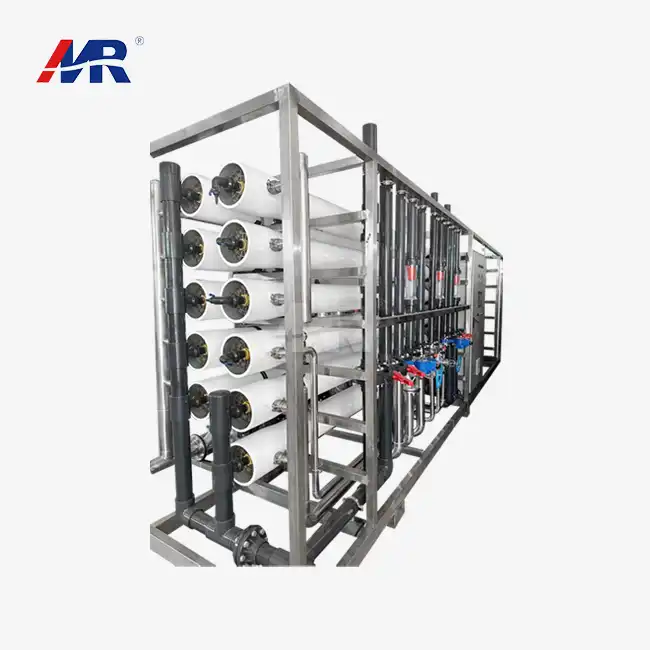 VIEW MORE60m3/hour reverse osmosis plant
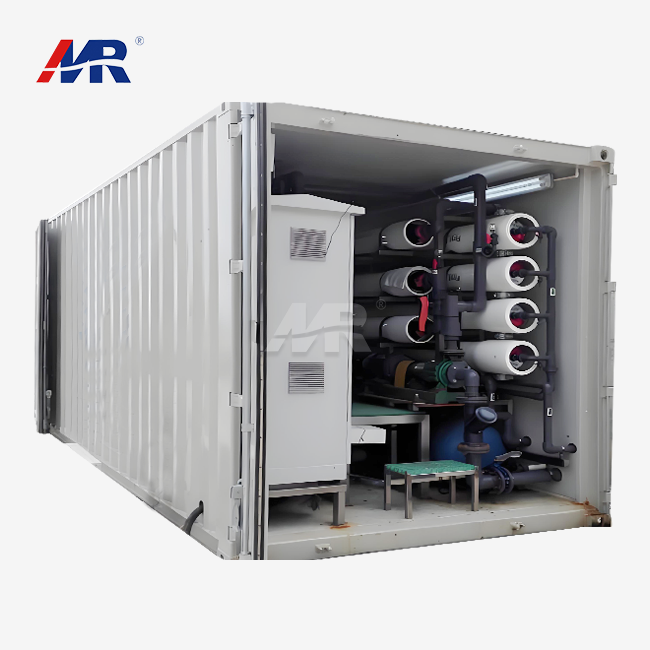 VIEW MOREcontainer seawater desalination equipment
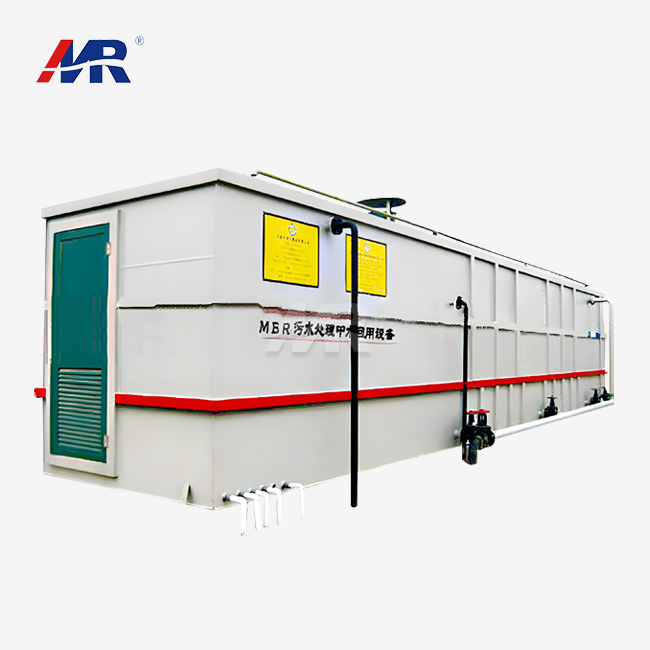 VIEW MOREsewage treatment plant MBR system
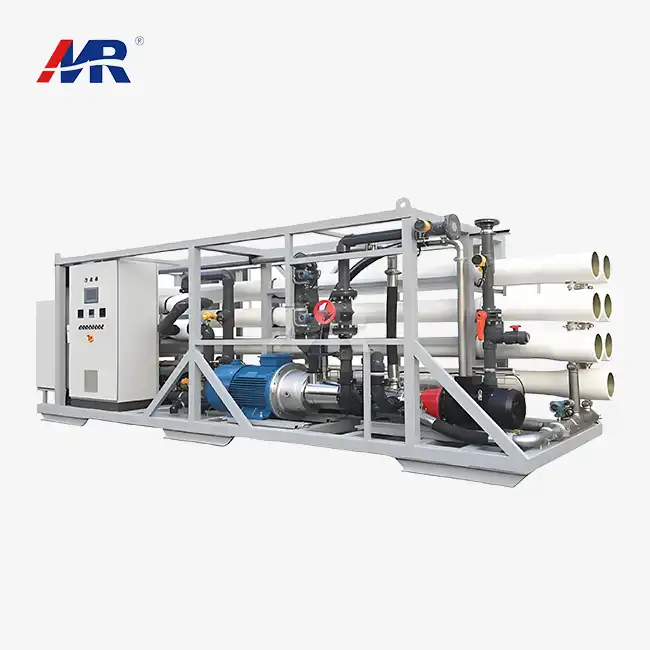 VIEW MORE20m3/hour seawater desalination equipment
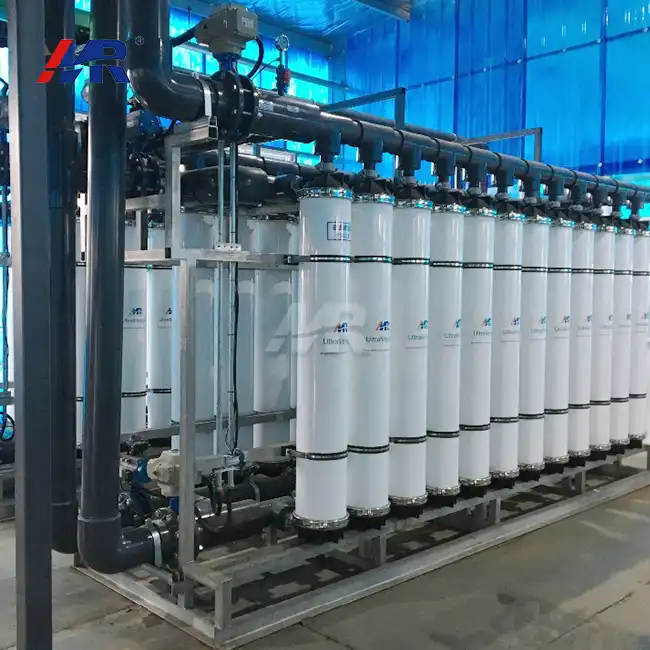 VIEW MORE50m3/hour ultrafiltration plant
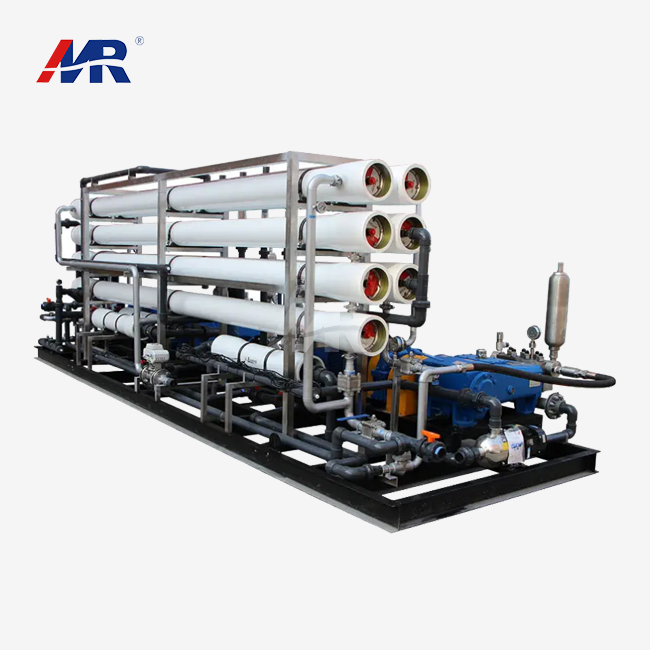 VIEW MOREseawater desalination machine
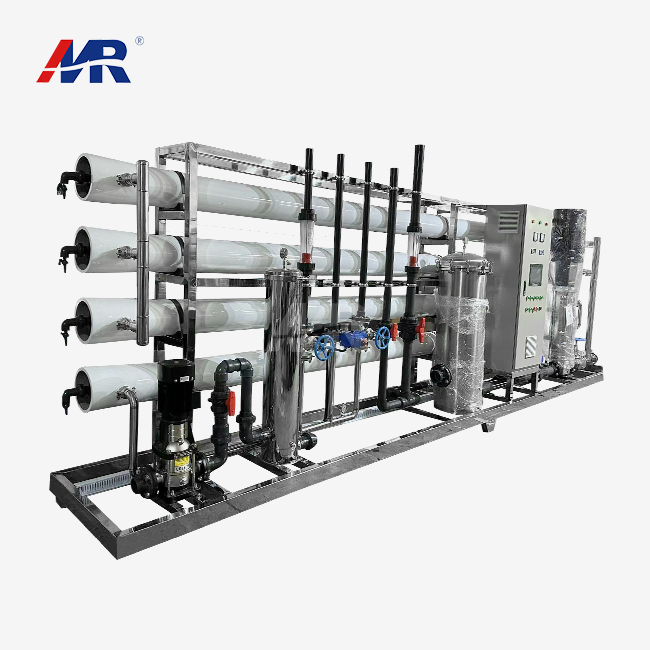 VIEW MOREreverse osmosis plant
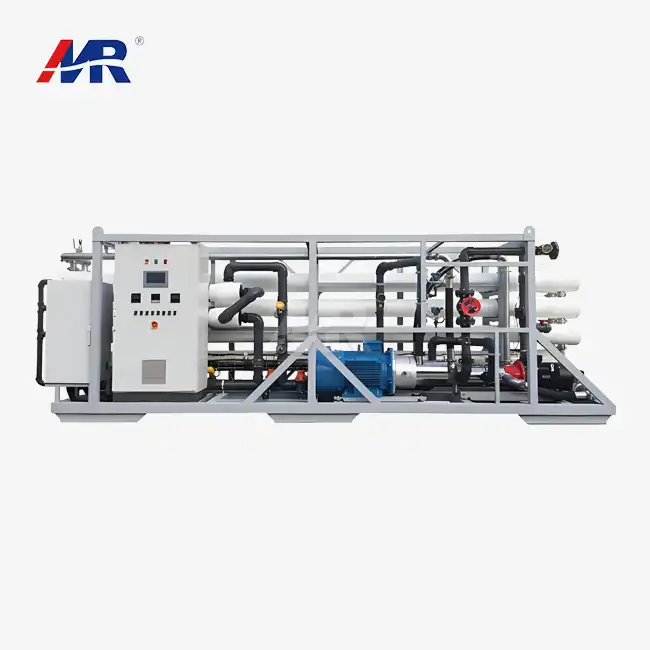 VIEW MORE15m3/hour seawater desalination system
