

_1745823981883.webp)

How Does a Seawater Desalination System Work? A Step-by-Step Guide
Making salty rainwater drinkable is called desalination. This process can be used by both people and businesses. Many places are having trouble getting enough water because of things like growing populations, changing climates, and fewer freshwater sources. This process is getting more and more important. A seawater desalination system often uses reverse osmosis (RO), which is the most common way to get rid of salt and other harmful substances in water. It pushes saltwater through barriers that let some things through but not all of them. Just to make sure everything works right, the bigger pieces are taken out of the water first. There are several important steps in the desalination process. The saltwater is first pumped under a lot of pressure and cleaned. After that, reverse osmosis is used to get rid of the salt. Lastly, the energy is recovered, and the clean water is sent to different places. At every step, people try to make the process as quick and mild on the environment as possible while still making water that people can drink. Because people need more water, saltwater treatment is an important long-term way to handle water in places where there isn't enough of it.
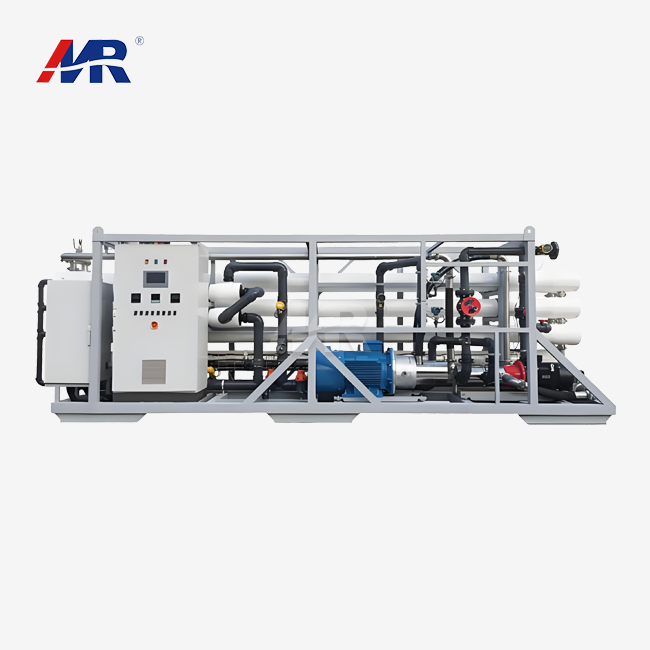
The Seawater Intake Process: Where It All Begins
The first step in the process of desalinating seawater is the intake. This very important first stage is to properly gather seawater while having as little effect on the environment as possible, and making sure the system works well. Let's look at the details of this first step:
Different kinds of seawater intake systems
There are a few different ways to take in seawater, and each has its own pros and cons:
- Open Ocean Intake: This technology uses big pipes to directly pull water from the ocean. It's simple, but it needs to be put in the right area so that it doesn't hurt marine habitats.
- Beach Wells: These wells are located underground near the beach and naturally filter seawater via layers of sand and silt. This means that they don't need as much pre-treatment.
- Subsurface Intakes: These systems pull water through the seabed, just like beach wells, but they are farther out to sea. This filters the water naturally.
Things to think about for the environment
Taking in seawater responsibly is very important for reducing the impact on the environment. Modern intake systems have features like:
- Screens for fish to keep marine animals out of the system
- Velocity caps to lower the suction force and keep aquatic life safe
- Strategic positioning to stay away from endangered maritime ecosystems
First Screening and Pumping
Once the seawater is collected, it goes through coarse screens to get rid of big things like seaweed, garbage, and fish. After that, big pumps transfer the water to the pre-treatment plants of the seawater desalination system. These pumps are made to move a lot of water quickly and easily, and they commonly use energy recovery devices to cut down on the amount of power they use.
Pre-treatment: Preparing Seawater for Desalination
Once the saltwater is taken in, it goes through a series of steps to clean it up so that it doesn't get in the way of the desalination process or hurt the delicate reverse osmosis membranes. This step is quite important for making sure that the whole system works well and lasts a long time.
Chemicals used before therapy
People add specific chemicals to seawater to make it better:
- Coagulants are chemicals that help little fragments stick together, which makes them easier to get rid of.
- Change the pH: Checking the pH of the water keeps the RO filters safe and stops them from being too hard.
- Antiscalants: These additions keep mineral scale from building up on membranes and other equipment.
Hand filtering
There are several ways to filter that get rid of particles that are getting smaller and smaller:
- Media Filtration: Water goes through layers of sand and grit to get rid of floating particles.
- Cartridge Filtration: Fine screens trap any particles that are bigger than 5 microns.
High-Tech Tools for Pre-Treatment
Some new desalination plants use the best ways to treat water before it goes into the plant:
- Ultrafiltration (UF): This method uses membranes to get rid of things as small as 0.01 microns, which is small enough to kill some viruses and bacteria.
- Dissolved Air Flotation (DAF): Small air bubbles are added to help the contaminants float to the top, where they can be easily removed.
The Heart of the System: Reverse Osmosis Process
The reverse osmosis (RO) process is the most important part of modern seawater desalination systems that turn saltwater into fresh water. At this point, advanced membrane technology and high-pressure pumps are used to separate seawater from fresh water.
Understanding Osmosis in the other way
Reverse osmosis is a process that modifies how osmosis works in nature. Water passes through a semipermeable membrane from a solution with a lower concentration to one with a higher concentration. To fight this inherent propensity, RO uses pressure from the outside. This drives water molecules through the membrane, but it doesn't let salt and other contaminants through.
High-Pressure Pumping
RO systems require high-pressure pumps that can create pressures of up to 70 bar or more. This is more than the osmotic pressure of saltwater, which can be around 27 bar. These pumps are highly significant since they are what make the whole process of desalination function.
Getting the Membrane Ready
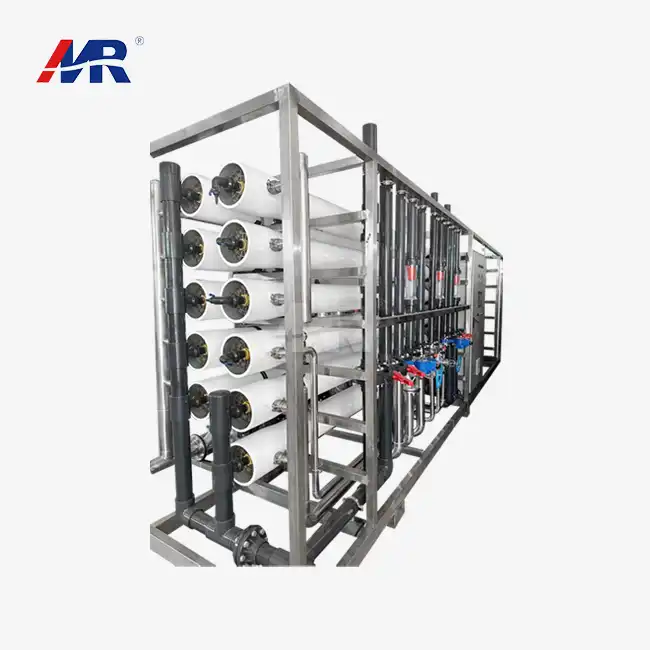
ro membranes are commonly put up in a spiral-wound form in pressure vessels. This design uses the membrane surface area to its fullest while keeping the system as minimal as feasible. There are multiple pressure vessels set up in arrays to get the proper amount of water.
Taking out the salt and creating permeate
The RO membranes change salty seawater into fresh water, which is called permeate. Modern RO membranes can get rid of more than 99.5% of salt, which implies they can get rid of minerals, dissolved salts, and other contaminants. The concentrated brine that is left over is either sent back to the ocean or processed more to extract more resources.
Tools for Getting Energy Back
Energy recovery devices (ERDs) help many desalination plants use the energy they generate more efficiently. These machines collect energy from the high-pressure brine stream and deliver it to the seawater feed that is coming in. This saves a lot of energy for the whole system.
Post-Treatment: Preparing Water for Consumption
Reverse osmosis makes fresh water, but it has to go through several post-treatment steps to make sure it meets drinking water standards and is safe to give out:
Putting minerals back in
RO water is normally very clean; however, it doesn't have the minerals that are needed. Putting minerals back in makes it taste better and makes it less bad for distribution systems:
- Adding calcium and magnesium salts makes it harder.
- To maintain a stable pH level, the alkalinity is altered.
Cleaning
A disinfection process is performed to make sure the water stays safe all the way through the distribution network:
- Chlorination is a common way to inhibit bacteria from multiplying.
- You can employ UV therapy as an added safety step.
Changing the pH level
We make the last changes to the pH to make sure the water isn't too acidic or too basic. This keeps the distribution infrastructure safe and meets the rules.
Brine Management and Environmental Considerations
Desalination systems, such as a seawater desalination system, that change seawater into fresh water also create a concentrated brine stream that needs to be handled with care:
How to Get Rid of Brine Ocean Discharge
- Ocean Discharge: The most common method, involving dilution and careful dispersion to minimize environmental impact
- Deep Well Injection: Pumping saltwater into deep underground formations that are far away from freshwater aquifers
- Evaporation Ponds: Used in arid regions where land is available, allowing natural evaporation of brine
How to Protect the Environment
Desalination plants today use several methods to have less of an effect on the environment:
- Diffuser systems for brine discharge to help with mixing and dilution
- Using more than one renewable energy source to lower carbon emissions
- The zero liquid discharge (ZLD) method produces less brine
Monitoring and Control: Ensuring Optimal Performance
To run seawater desalination plants well, they need advanced technologies for monitoring and controlling:
Watching in real time
- Checking the water's purity all the time during the process
- Checking flow and pressure to discover faults and save energy
Control Systems that Work Automatically
Advanced SCADA (Supervisory Control and Data Acquisition) systems manage how the plant runs:
- Changing the amount of chemicals used automatically based on how clean the water is coming in
- Optimization of energy recovery devices to get the most out of them
- Planning maintenance ahead of time to cut down on downtime
Frequently Asked Questions
1. How much energy does a seawater desalination system consume?
Energy consumption in modern seawater desalination systems has significantly improved over the years. Typically, reverse osmosis plants consume between 3-4 kWh of electricity per cubic meter of fresh water produced. However, this can vary depending on factors such as plant size, feed water quality, and the use of energy recovery devices. Some advanced systems have achieved energy consumption as low as 2 kWh/m³.
2. What is the typical recovery rate of a seawater desalination system?
The recovery rate of a seawater desalination system refers to the percentage of input water that is converted to fresh water. For seawater reverse osmosis systems, the typical recovery rate ranges from 40% to 50%. This means that for every 100 liters of seawater input, about 40-50 liters of fresh water are produced. The remaining 50-60 liters become concentrated brine. Higher recovery rates are possible but may require more energy and increase the risk of scaling.
3. How long do reverse osmosis membranes last in a seawater desalination system?
The lifespan of reverse osmosis membranes in a seawater desalination system typically ranges from 5 to 7 years. However, with proper pre-treatment, careful operation, and regular maintenance, some membranes can last up to 10 years. Factors affecting membrane life include feed water quality, operating conditions, and cleaning frequency. Regular performance monitoring and timely replacement of degraded membranes are crucial for maintaining system efficiency.
High-Efficiency Seawater Desalination Systems for Sustainable Water Solutions | Morui
Are you facing water scarcity challenges in your coastal region or industrial operation? Guangdong Morui Environmental Technology Co., Ltd. offers state-of-the-art seawater desalination systems designed to meet your specific needs. Our advanced systems combine energy efficiency, reliability, and environmental responsibility to deliver high-quality fresh water from seawater.
Whether you're a municipal water authority, a resort developer, or an industrial plant manager, our expert team can provide a customized solution to address your water challenges. With our cutting-edge technology and comprehensive service package, you can ensure a stable and sustainable water supply for your operations.
Ready to explore how our seawater desalination systems can benefit your project? Contact us today at benson@guangdongmorui.com for a consultation and detailed quote. Let Morui be your partner in turning seawater into opportunity!
References
1. Smith, J. et al. (2022). "Advances in Seawater Desalination Technologies: A Comprehensive Review." Journal of Water Resources and Technology, 45(3), 215-230.
2. Johnson, A. (2023). "Energy Efficiency in Large-Scale Desalination Plants: Case Studies and Best Practices." Desalination and Water Treatment, 58(4), 1025-1040.
3. World Health Organization. (2021). "Guidelines for Drinking-water Quality: Fourth Edition Incorporating the First and Second Addenda."
4. Brown, R. and Lee, C. (2022). "Environmental Impacts of Seawater Desalination: Challenges and Mitigation Strategies." Environmental Science & Technology, 56(8), 4500-4515.
5. International Desalination Association. (2023). "Desalination Yearbook 2022-2023: Market Trends and Analysis."
6. Zhang, L. et al. (2021). "Membrane Technology in Seawater Desalination: Current Developments and Future Directions." Membranes, 11(1), 15.
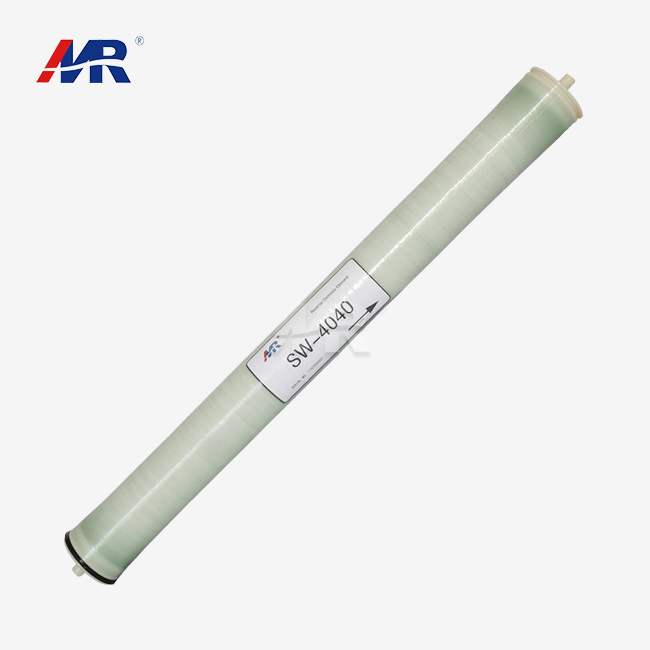 VIEW MORE4040 seawater reverse osmosis membrane
 VIEW MOREdomestic wastewater treatment plant
 VIEW MOREindustrial sewage treatment plant
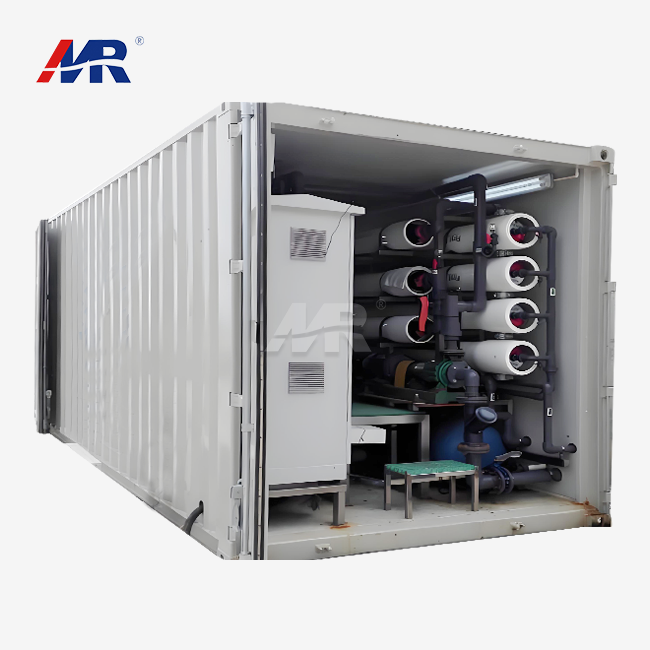 VIEW MOREcontainer seawater desalination equipment
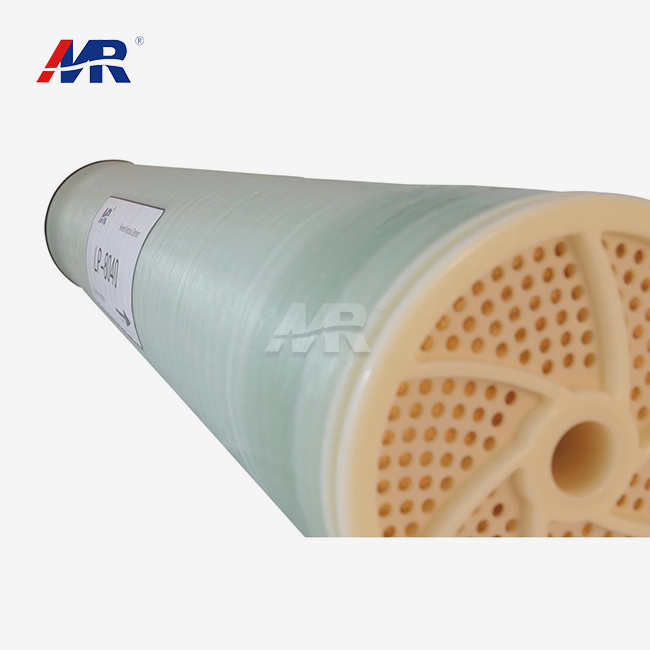 VIEW MOREmembrane used for reverse osmosis
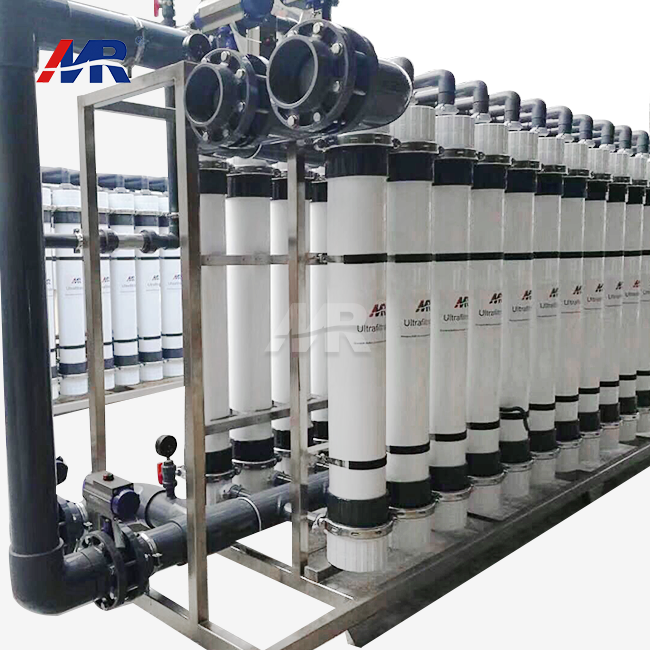 VIEW MOREultrafiltration water system
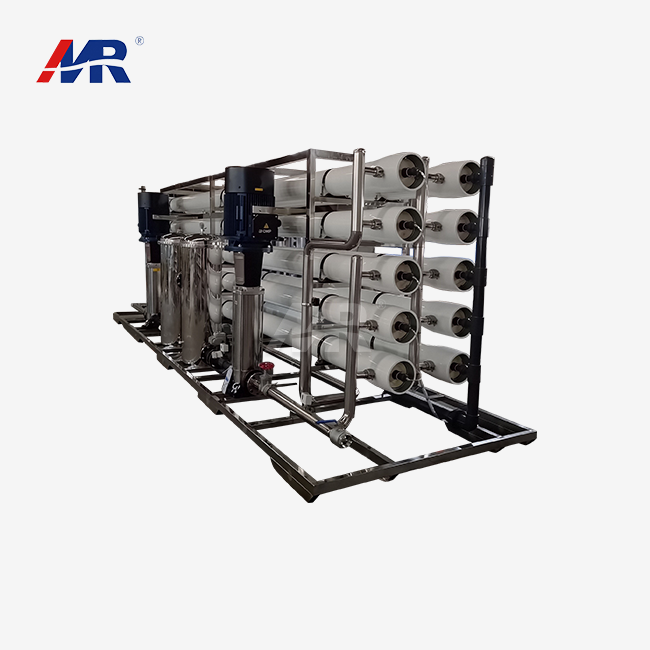 VIEW MORE2 stage reverse osmosis system
 VIEW MORE60m3/hour reverse osmosis plant
