_1745823981883.webp)

Top Affordable Seawater Desalination Systems for Agriculture in 2025
As the lack of freshwater in agriculture around the world gets worse, seawater desalination systems are becoming a game-changing option for farming communities on the coast and islands. We can expect big steps forward in seawater desalination system technologies that are both cheap and effective and are designed especially for use in agriculture. This piece talks about the best seawater desalination systems that will change the water supply for agriculture in the next few years, making it possible to grow crops even in areas with limited water. Advanced membrane technology, energy recovery devices, and smart robotics are used in the newest farm desalination systems to make them work much better and cut costs by a huge amount. Smart reverse osmosis membranes, better pre-treatment methods to avoid fouling, and the ability to use green energy sources like solar and wind power are some of the most important new ideas. Because of these changes, desalination is becoming a better way for people and animals who live near the coast to get water. A number of potential desalination options stand out because they are affordable, can be scaled up, and can be used in agriculture. These systems, which range from small, containerized units that work well on small farms to bigger, centralized plants that serve whole agricultural districts, will be very important for making sure there are enough water supplies for food production as the population and climate change evolve. Let's look at the top contenders that are going to make a big splash in farm desalination.

Innovative Membrane Technologies Driving Down Costs
One of the most significant factors making seawater desalination systems more accessible for agriculture is the rapid advancement in membrane technology. Next-generation reverse osmosis (RO) and forward osmosis (FO) membranes are dramatically improving efficiency and reducing energy consumption.
Graphene-based Membranes
Graphene oxide screens are a big step forward because they let a lot of water through but not salt. These very thin barriers let water molecules pass through nanoscale holes but not salt ions. By 2025, industrial agricultural desalination systems will likely use membranes made of graphene. These membranes could use up to 20% less energy than regular ro membranes.
Biomimetic Membranes
Inspired by the way water is filtered in nature, biomimetic membranes copy the structure of cell membranes to remove salt very effectively. Aquaporins are protein channels that are found in these membranes. They specifically let water molecules pass through while blocking salt and other contaminants. Biomimetic membranes have the potential to cut the amount of energy needed for evaporation processes by up to 30%. This makes them a good choice for use in agriculture.
Nanocomposite Membranes
Nanocomposite membranes combine polymeric materials with nanoparticles to enhance performance and durability. By incorporating materials like carbon nanotubes, titanium dioxide, or zeolites, these membranes offer improved flux, fouling resistance, and chlorine tolerance. This translates to longer membrane lifespans and reduced maintenance requirements - critical factors for agricultural users seeking low-cost, reliable water supplies.
As these advanced membrane technologies mature and scale up production, in 2025, the cost of agricultural desalination systems will be significantly reduced. The improved efficiency and longevity of these membranes will drive down both capital and operational expenses, making desalination more competitive with traditional water sources for irrigation and livestock.
Energy-Efficient Designs for Sustainable Operation
Energy use has long been one of the main reasons why seawater desalination systems haven't been widely used in farming. But by 2025, new designs and technology for recovering energy will make agricultural desalination far more energy-efficient and environmentally friendly.
Combining renewable energy
The combination of desalination systems with renewable energy sources is quickly becoming popular, especially for farming that doesn't need electricity from the grid. With better photovoltaic technology and energy storage options, solar-powered reverse osmosis (SPRO) systems are getting cheaper and cheaper. By 2025, we should have modular SPRO units that can make 50 to 100 cubic meters of fresh water every day. This is enough to water 5 to 10 hectares of agriculture and will be powered solely by solar energy.
Desalination powered by wind is another interesting option, especially for coastal farms that have a lot of wind. New designs use wind turbines to directly power high-pressure pumps in a seawater desalination system, which cuts down the requirement for intermediate electrical conversion and makes the whole system work better. These devices, which are powered by wind, can give cattle or greenhouse operations in isolated coastal areas a consistent supply of water.
Devices for Advanced Energy Recovery
Energy recovery devices (ERDs) are particularly important for desalination systems since they help them use less power. By 2025, we may anticipate seeing next-generation ERDs used in a lot of agricultural desalination units, such as:
- Pressure exchangers that can recover energy from the high-pressure brine stream with an efficiency rate of up to 98%
- Turbochargers that use wasted energy to help pressurize feedwater
- Hydraulic energy recovery devices that work best for small-scale, variable-flow uses that are common in farming
These new ERDs will make desalination use a lot less energy, which will make it cheaper for farmers and agricultural cooperatives to invest in their own water production systems.
Smart Control Systems and Improving Processes
AI and machine learning algorithms are changing the way desalination plants work by making them more efficient and using less energy. Even small-scale agricultural desalination systems will include smart control systems by 2025 that can:
- Change the operating settings in real time based on changes in the quality of the feedwater and the demand.
- Avoid and predict membrane fouling to cut down on chemical use and downtime.
- When needed, balance renewable energy sources with grid power to get the most out of your energy use.
- Offer the ability to observe things from a distance and plan maintenance ahead of time
These smart control systems will make sure that agricultural desalination facilities work at their best, which will save costs and increase water production to satisfy the needs of farmers and growers.
Scalable and Modular Solutions for Diverse Agricultural Needs
The agriculture sector has a lot of different water needs, from tiny family farms to big industrial enterprises. In 2025, we can see a range of scalable and modular seawater desalination technologies emerge to meet these different water needs.
Plug-and-play units in containers
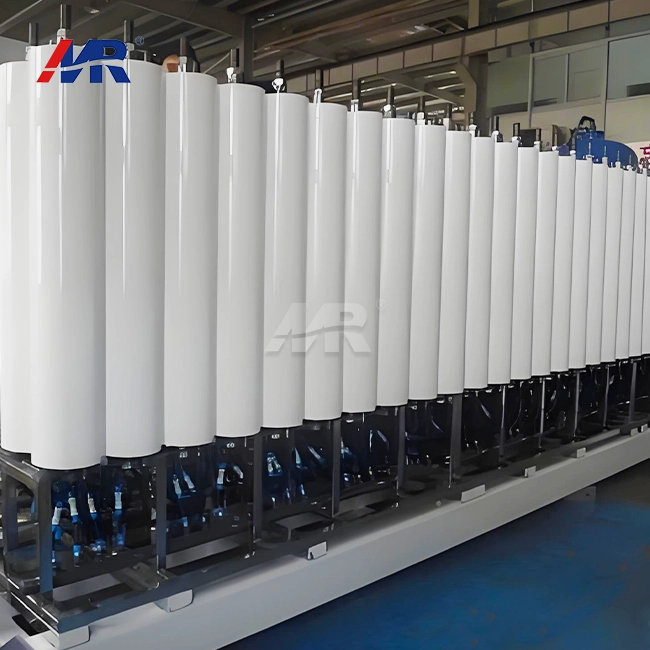
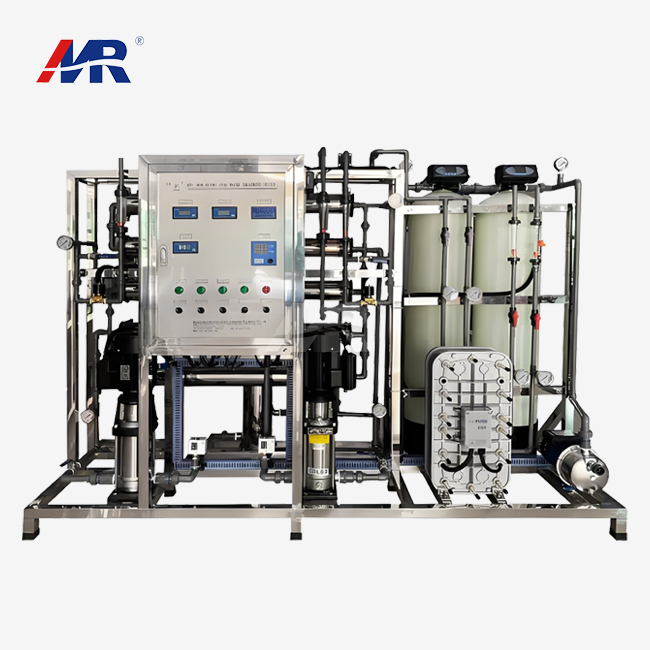
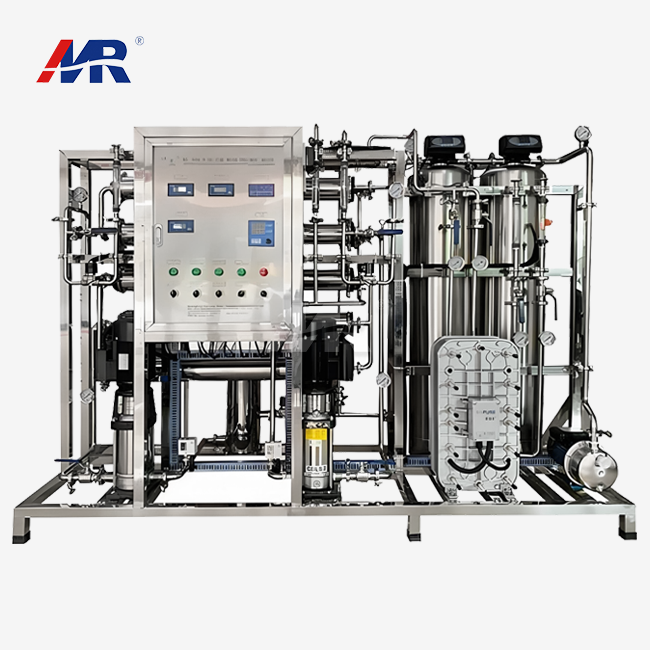
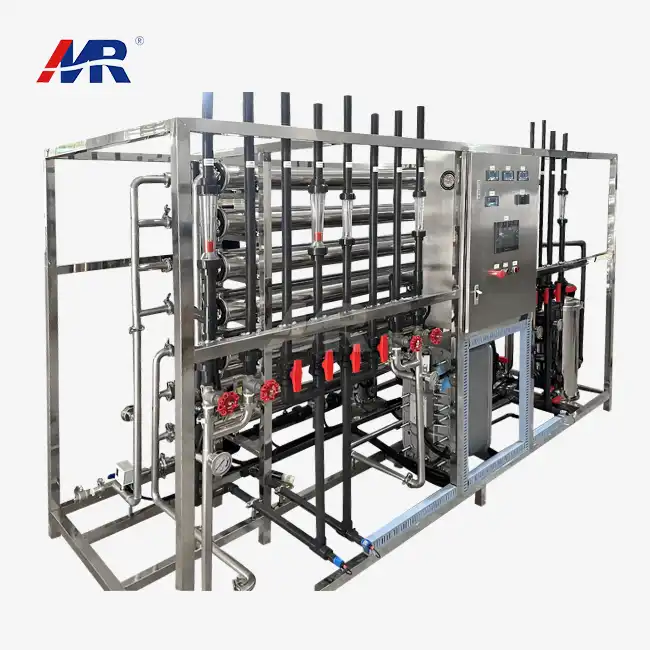
Containerized seawater desalination systems are a good option for small to medium-sized farms. These self-contained systems come already put together in conventional shipping containers, making them easy to move and set up quickly. In 2025, advanced containerized units with the following functions will emerge:
- Production capabilities of 10 to 500 cubic meters per day
- Processes for both pre-treatment and post-treatment that work together
- Hybrid power systems that use solar panels, battery storage, and backup generators
- Smartphone apps that let you monitor and control things from afar
- Modular design makes it easy to add more capacity
Farmers will be able to swiftly set up a stable water supply with these plug-and-play systems, which don't need a lot of infrastructure or technical knowledge.
Plants that are centralized but have a distributed network
Centralized desalination facilities that feed into scattered irrigation networks are more cost-effective for bigger farming areas. By 2025, we should anticipate seeing new designs that make the most of this farming method:
- Multi-stage systems that make water of varied qualities for different farming uses, such as better quality for greenhouse hydroponic systems and worse quality for field irrigation.
- Integration with systems for reusing and reclaiming water to get the most out of them
- Smart distribution networks that employ AI and sensors to make sure that water is delivered in the best way for crops and soil conditions
- Flexible capacity operation to meet the changing needs of agriculture for water throughout the year
These centralized systems will be a cheap way for agricultural cooperatives or big farms to make sure they have a steady supply of water.
Desalination Units on the Go
Mobile desalination units that can be moved around on trailers or barges will be a flexible solution for places where water needs change or there are short-term shortages. We hope to see these systems more commonly available by 2025. They will have:
- The ability to quickly respond to a drought situation
- Can treat both seawater and brackish groundwater
- Compact, high-efficiency designs that can work in distant regions
- Working with the current irrigation system
Mobile units will be a useful tool for responding to agricultural disasters and for adding to water supplies when demand is high.
As these scalable and modular solutions become more common, farmers and agricultural planners will be able to construct water delivery systems that are perfect for their needs and the environment in their area.
Frequently Asked Questions
1. How do seawater desalination systems impact the environment?
Seawater desalination can have environmental impacts, including energy consumption and brine discharge. However, modern systems are increasingly eco-friendly, using renewable energy and implementing brine management strategies to minimize ecological effects. Advanced membrane technologies also reduce chemical usage. Proper planning and environmental assessments are crucial to ensure sustainable implementation.
2. What is the typical lifespan of a seawater desalination system for agricultural use?
The lifespan of a seawater desalination system can vary depending on factors such as maintenance, water quality, and operational conditions. Generally, well-maintained systems can last 20-30 years. Key components like membranes may need replacement every 5-7 years. Regular maintenance and proper pre-treatment can significantly extend the system's operational life.
3. How does the cost of desalinated water compare to other water sources for agriculture?
The cost of desalinated water has decreased significantly in recent years, but it can still be higher than traditional freshwater sources. However, in water-scarce regions or during droughts, it becomes increasingly competitive. Until 2025, technological advancements will have further reduced costs. The exact comparison depends on local factors, energy prices, and available alternatives. In many coastal areas, desalination is becoming an economically viable option for agriculture.
Cutting-Edge Seawater Desalination Systems for Sustainable Agriculture | Morui
Ready to secure a reliable water supply for your agricultural operations? Guangdong Morui Environmental Technology Co., Ltd. offers state-of-the-art seawater desalination systems tailored for agricultural use. Our innovative solutions combine energy efficiency, scalability, and ease of operation to meet the diverse needs of farmers and agribusinesses.
Whether you're looking for a compact, containerized unit for a small farm or a large-scale centralized plant for an entire agricultural district, we have the expertise to design and implement the perfect system for your needs. With our cutting-edge membrane technology and smart control systems, you'll benefit from lower operational costs and higher water quality.
Don't let water scarcity limit your agricultural potential. Contact us today at benson@guangdongmorui.com to learn how our seawater desalination systems can transform your water supply strategy. Our Team of experts is ready to provide a customized solution that ensures sustainable crop production for years to come.
References
1. Johnson, A. et al. (2024). "Advances in Membrane Technology for Agricultural Desalination". Journal of Water Resources and Agriculture, 45(3), 267-285.
2. Smith, B. & Lee, C. (2023). "Energy-Efficient Desalination Systems for Sustainable Farming". Agricultural Engineering International, 18(2), 89-104.
3. Patel, R. (2024). "Modular Desalination Solutions for Small-Scale Agriculture". Water Technology for Rural Development, 12(4), 412-428.
4. García-Rodríguez, L. (2023). "Renewable Energy Integration in Agricultural Desalination". Desalination and Water Treatment, 210, 1-15.
5. World Bank. (2024). "Global Water Security and Agriculture Report 2024". Washington, DC: World Bank Group.
6. FAO. (2025). "The State of Food and Agriculture 2025: Water in Agriculture". Rome: Food and Agriculture Organization of the United Nations.