

_1745823981883.webp)

How to check ro membrane is working or not?
Monitoring key performance signs such as water quality output, flow rates, and pressure differentials is necessary to determine whether your membrane/industrial-reverse-osmosis-membrane">ro membrane functions properly. For industrial reverse osmosis systems to consistently clean water, the membranes must be in good shape. This means that regular checks are very important for the systems to work well. When membranes are working properly, they keep salt rejection rates above 99% and give the expected permeate flow volumes when the system is running normally.

Understanding the RO Membrane and Its Working Principle
Reverse osmosis membranes are the most important part of modern water treatment systems. They are used in difficult industry settings like manufacturing, pharmaceuticals, and energy. These high-tech filter walls use semi-permeable technology to separate contaminants from water molecules using processes that are driven by pressure.
Core Membrane Technologies and Configurations
Thin Film Composite (TFC) polyamide membranes are mostly used in modern industrial systems because they are better at resisting chemicals and filtering. These RO membrane elements are usually spiral-wound, with active membrane sizes ranging from 85 to 440 square feet per element depending on the width (4040 or 8040 in most Cases). TFC technology lets salt be rejected at rates higher than 99.5% while still being durable at high pressures up to 1,200 psi.
Cellulose Triacetate (CTA) membranes are another option for some uses that need to be able to handle chlorine, but they usually have lower flow rates and less chemical stability than TFC versions. Knowing these basic differences helps buying teams choose the right membrane technology based on the properties of the feedwater and the needs of the operation.
Operating Principles and Performance Factors
Several important factors directly affect the quality of the water and the efficiency of the system that the membrane is in. The quality of the feed water has a big effect on how long the membrane lasts. Filtration efficiency is affected by pH, temperature, and the quantity of dissolved solids. Operating pressure must be kept within the manufacturer's recommendations to make sure that the best permeate production happens without putting too much stress on the membrane and damaging it.
Changes in temperature can have a big effect on how well a membrane works. For example, higher temperatures can increase flow rates but also shorten the membrane's life. Monitoring these operating factors gives you important information for figuring out how the membrane is doing and when it will need to be serviced.
How to Systematically Check if an RO Membrane Is Working Properly?
By using a thorough membrane assessment procedure that includes the RO membrane, you can be sure that you are keeping an eye on performance and avoiding costly system breakdowns. This methodical approach includes visible checks, performance measurements, and water quality testing to give a full picture of the health of the membrane.
Physical and Visual Inspection Procedures
Regular physical checks find any damage to the membranes before they affect how well the system works. If you check membrane housings for leaks, corrosion, or strange noises, it could mean that a seal has failed or there are problems with the pressure tank. Checking the state of the feed gap helps find fouling buildups that could stop water flow and make the membrane less effective.
When membrane parts are taken off and looked at visually, they can show scaling patterns, biological growth, or physical damage that needs instant care. The repair staff should write down what they find during inspections so that they can keep track of how the membranes break down and figure out the best times to change them.
Performance Parameter Monitoring
Measuring operational factors gives you the numbers you need to figure out the state of the membrane. Flow rate tracking checks the difference between the current production of permeate and the performance at the start. Big drops in production mean that the membrane is getting clogged or damaged. Measurements of the difference in pressure between membrane parts help find blocks or scaling that stop the system from working normally.
The following are the most important success indicators for RO membrane health:
- Permeate flow rate analysis—Under normal conditions, the normal working flow should stay within 10-15% of the baseline readings.
- Pressure drop evaluation—Higher-than-normal pressure levels often mean that there is fouling or scale that needs to be cleaned right away.
- Salt passage monitoring—Measuring changes in conductivity helps find membrane breaks that make filtering less effective.
- Recovery ratio assessment—Eyeing water recovery rates makes sure the system works at its best without putting too much stress on the membranes.
Together, these performance factors give a full picture of the health of the membrane. By keeping an eye on these metrics over time, you can see trends of slowly declining performance that help you plan maintenance better and avoid failures that come up out of the blue.
Water Quality Analysis and Testing Methods
Full testing of the water quality shows that membrane filtration works and finds specific performance problems. Total Dissolved Solids (TDS) readings give quick feedback on how well membranes can reject substances. Under normal conditions, systems that are working properly keep TDS removal rates above 95%.
When lab tests are done on permeate samples, they show small amounts of contaminants that show problems with the membrane's stability. Checking for certain ions, like sodium, chloride, and silica, helps find barrier parts that aren't working as well. To get accurate data on water quality, regular sampling plans should include both grab samples and hybrid collections.
Comparative Analysis to Support Procurement Decisions
To choose the right membrane technology, you need to know how reverse osmosis systems stack up against other ways to treat water. Although RO membrane systems are great at getting rid of dissolved solids, other technologies might be better suited for certain contaminants or working conditions.
Technology Comparison and Application Suitability
Ultrafiltration devices get rid of germs and particles in the water, but they can't get rid of dissolved salts, so they can't be used for demineralization. Nanofiltration is a method that works somewhere between ultrafiltration and reverse osmosis. It removes multivalent ions selectively while letting monovalent salts pass through.
When making electronics or medicines, ultrapure water is needed. Electrodeionization (EDI) technology is often used with reverse osmosis to get this quality of water. Knowing how these technologies work together helps buying teams come up with complete water treatment plans that meet certain quality standards.
Membrane Selection Criteria and Brand Evaluation
Top membrane makers like Dow Filmtec, Hydranautics, and Toray offer performance-tested parts that meet strict industry standards. The type of membrane used depends on the features of the feedwater, the working pressure needs, and the quality standards for the permeate that are wanted.
Different types of low-energy (LE) membranes lower operating costs by requiring less pressure while keeping rejection rates high. Fouling Resistant (FR) membranes have changes made to their surfaces that stop biological and chemical fouling in tough water conditions. These unique designs solve problems in certain applications while also making membranes last longer.
Best Practices for RO Membrane Maintenance and Troubleshooting
Proactive repair plans greatly increase the lifetime of RO membrane units while keeping their performance constant throughout operating rounds. Setting up regular cleaning and checking routines stops systems from breaking down too soon and makes them more reliable.
Cleaning Protocols and Maintenance Scheduling
Chemical cleaning gets rid of the foulants that build up on membranes over time and make them less effective. Standard cleaning methods use alkaline solutions to get rid of organic and biological waste, then acidic processes to break down scale. How often you clean it varies on the quality of the feedwater and how the system is being used, but usually it's done every month to three months.
The right way to clean is to flush the system, circulate chemicals, keep the touch time steady, and rinse well to get rid of any leftover chemicals. Performance tracking records how well cleaning methods work, which helps make sure they get the desired results and guides planning for future maintenance.
Early Warning Signs and Troubleshooting Strategies
By spotting the first signs of poor performance, you can take action before bigger problems arise. Gradual drops in flow rate are usually a sign of more fouling, while rapid changes could mean membrane damage or problems with how the system works.
If you smell or taste something strange in permeate water, it could mean that there is biological growth, a chemical change, or an issue with the RO membrane that needs to be looked into right away. Keeping an eye on these warning signs helps support teams fix issues quickly and keep system downtime to a minimum.
Conclusion
To ensure optimal system operation, effective RO membrane monitoring blends methodical inspection methods, performance parameter tracking, and thorough water quality analysis. Protocols for regular assessments help find possible problems before they affect production processes or water quality standards. When buying, teams know the basics of membrane technology, they can make choices that balance the need for efficiency with the cost of doing business. By following the right maintenance steps, you can make membranes last longer and keep their filtration efficiency constant over service rounds.
FAQ
1. How often should industrial RO membranes be replaced?
Replacement times for industrial membranes are usually between 3 and 7 years, but this depends on the quality of the feedwater, how the system is used, and how often it is maintained. Systems that deal with high-quality feedwater and good preparation usually last as long as they're supposed to, but systems that deal with hard water conditions may need to be replaced more often.
2. What causes sudden drops in membrane performance?
Damage to the membrane, a failed seal, or a mechanical upset like pressure spikes or chemical exposure are common causes of sudden drops in performance. Gradual performance loss is usually a sign of fouling buildup, which can usually be fixed by cleaning.
3. How accurate are TDS meters for membrane assessment?
TDS meters are good at showing how well a membrane is working generally, but they can't find specific rejection issues or damage in one area. A laboratory study gives a more complete picture of the water quality for important uses that need to be sure of its performance in great detail.
4. Can membranes be repaired if damaged?
Minor harm to the membrane can sometimes be fixed so that it can still work, but replacement is usually the safest option. Trying to fix industrial membranes rarely brings them back to their original performance levels and may make the system less reliable.
Contact Morui for Professional RO Membrane Solutions
Guangdong Morui Environmental Technology specializes in complete water treatment options, such as high-performance reverse osmosis systems that can be used in a wide range of commercial settings. Our Team of 20 experienced engineers and 500 other professionals spread across 14 branches can help with any part of a job, from choosing the right equipment to installing it and making sure it works properly. As a reputable RO membrane provider, we provide tried-and-true membrane technologies from top makers in addition to our own filtration solutions. Get in touch with benson@guangdongmorui.com to talk about your unique water treatment needs and find out how our knowledge can help you get the most out of your system while also cutting costs.
References
1. Membrane Technology and Applications, Third Edition. Richard W. Baker. John Wiley & Sons, 2012.
2. Reverse Osmosis: Industrial Processes and Applications. Jane Kucera. Scrivener Publishing, 2015.
3. Water Treatment Membrane Processes. American Water Works Association. McGraw-Hill Education, 2007.
4. Industrial Water Treatment Process Technology. Zahid Amjad and Kent Demadis. CRC Press, 2018.
5. Membrane Separation Technology: Principles and Applications. Richard D. Noble and S. Alexander Stern. Elsevier Science, 1995.
6. Handbook of Industrial Water Treatment. Suez Water Technologies & Solutions. Suez Technical Publications, 2017.
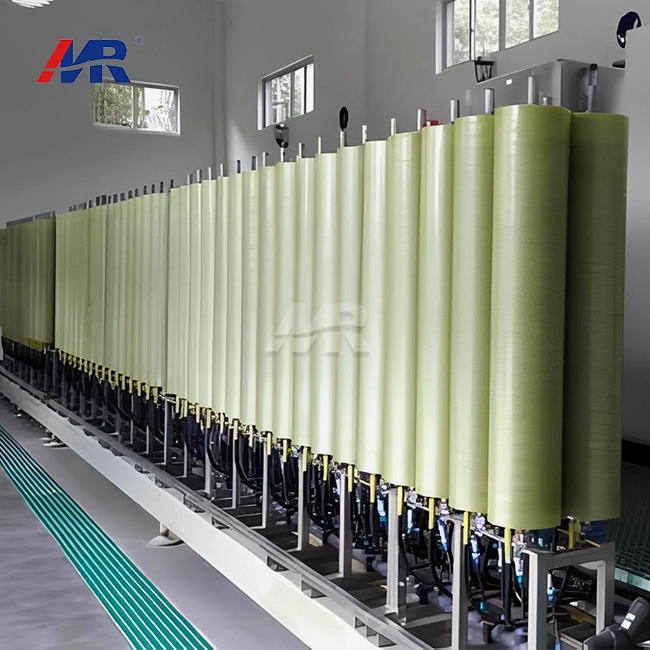 VIEW MORELeachate DTRO Treatment Equipment
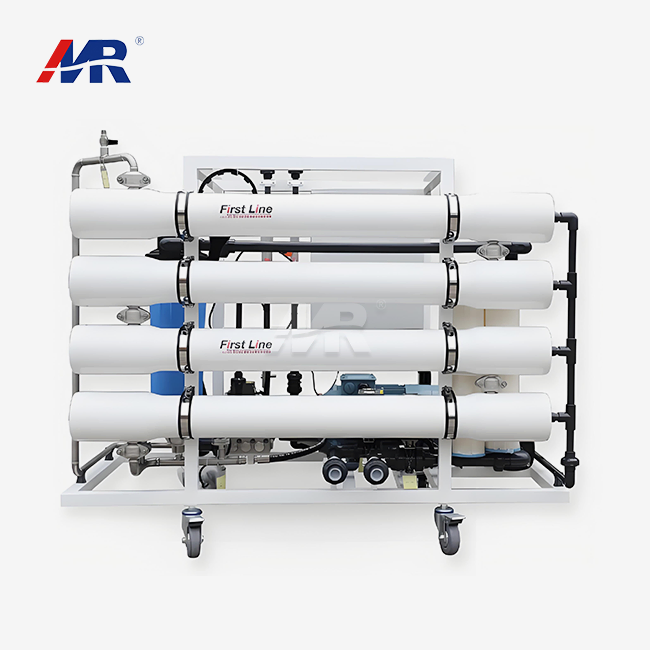 VIEW MOREseawater desalination system
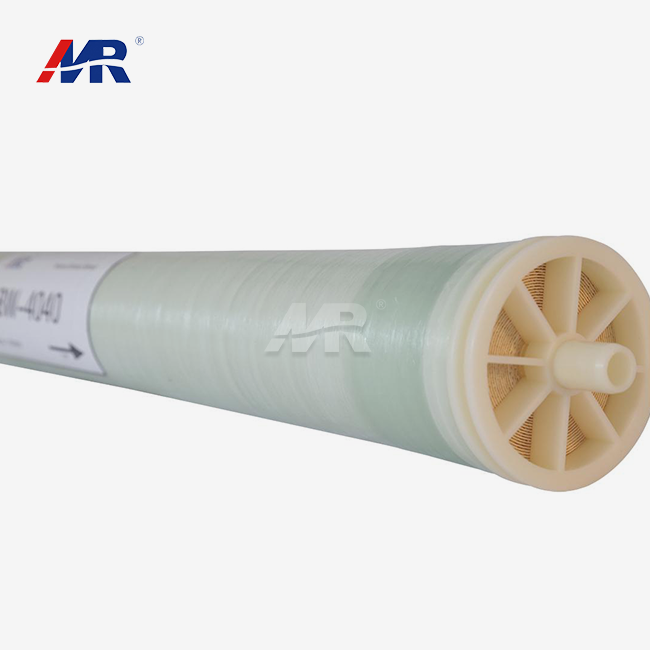 VIEW MOREindustrial reverse osmosis membrane
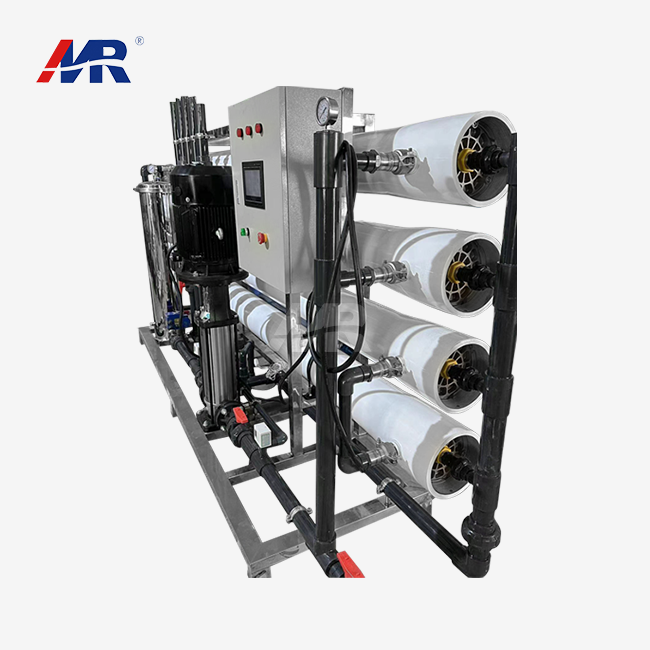 VIEW MOREunder counter reverse osmosis water system
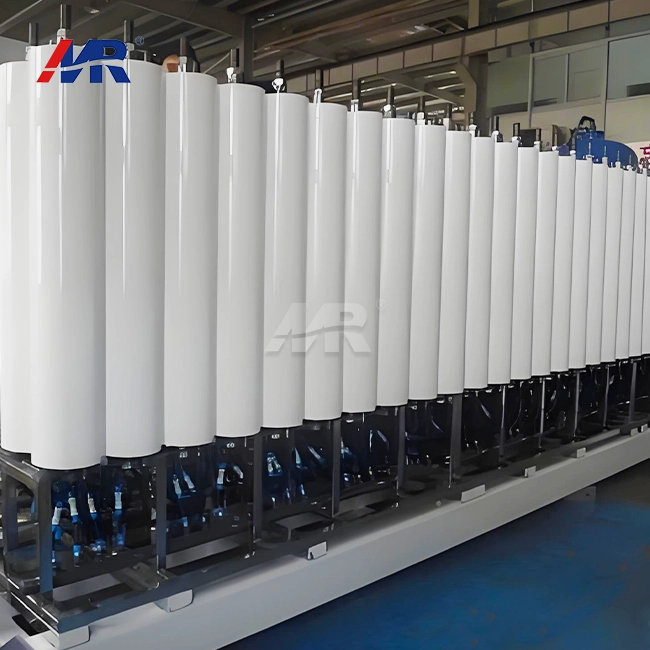 VIEW MORELandfill Leachate Treatment System
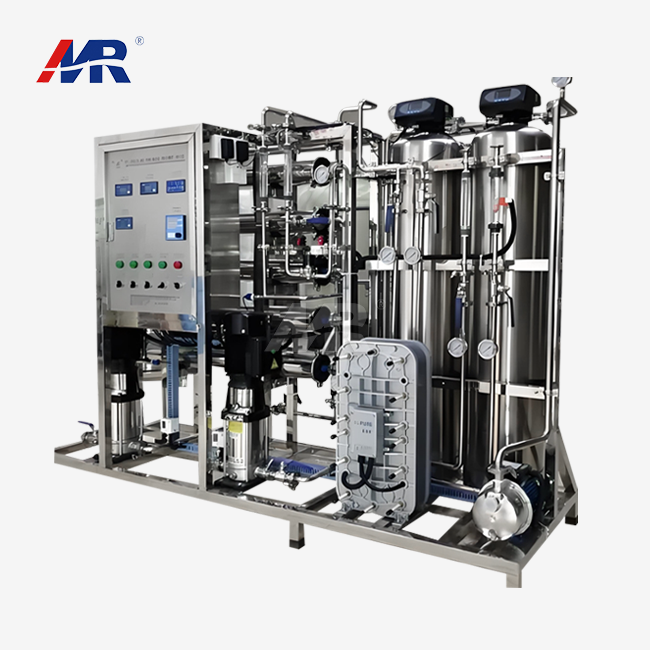 VIEW MOREEDI plant
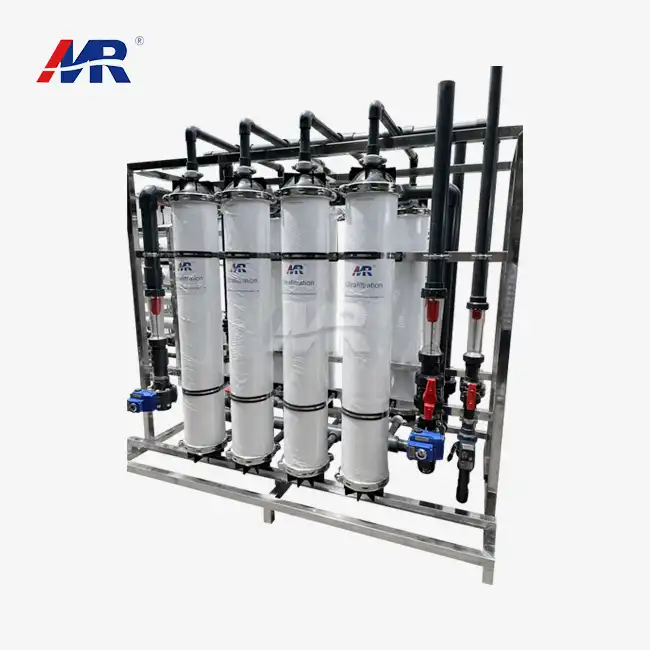 VIEW MORE15T/H ultrafiltration system
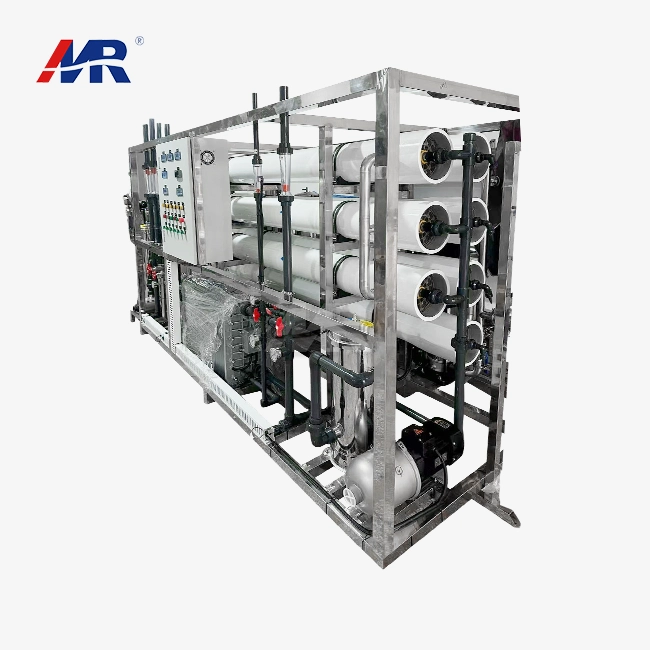 VIEW MOREedi module water treatment
