

_1745823981883.webp)

What Is the Best Reverse Osmosis Water Filtration System for Home Use in 2026?
In 2026, the best reverse osmosis water filtration system for home use will have both advanced membrane technology and good pollution removal. Up to 99% of dissolved solids, heavy metals, chemicals, and microorganisms can be removed from your water source by these devices. When compared to older models, modern RO units have faster flow rates, lower wastewater ratios, and last longer. The best choice for you relies on your needs, such as the size of your home, the quality of the water, and whether you want to put it under the sink, on the counter, or throughout the whole house.

Introduction
Clean water is still an essential need in every home and small business, which drives the need for reliable cleaning technologies. Concerns about water quality have grown across the United States. Reports say that over 85% of homes have some kind of problem with contaminated water. In 2026, reverse osmosis stands out because it is very good at getting rid of a wide range of contaminants. This means that the water quality is better for both home and light business use.
This complete guide talks about the technical basics, useful uses, and best-selling RO systems to meet the needs of facility managers, procurement experts, and property owners. As water quality standards change and environmental problems stay the same, it's important to understand these modern filtration options. Our research helps buyers make smart choices by giving them expert advice based on decades of experience in water treatment technology.
Understanding Reverse Osmosis Water Filtration Systems
Reverse osmosis is a complex way to filter water that uses semi-permeable membranes to separate water molecules and pollutants at the molecular level. This process pushes water through very thin membranes with pores that are about 0.0001 microns wide. These pores block particles that are 5,000 times smaller than a human hair. Under pressure, usually between 35 and 100 PSI, the technology moves clean water through the membrane while sending dirty water into a different trash stream.
Core Technology and Membrane Design
Modern ro membranes are made of thin-film hybrid materials that last a long time and get rid of a lot of contaminants. These membranes are very good at getting rid of heavy metals like lead and mercury, dissolved salts, organic molecules, bacteria, viruses, and medicine leftovers that regular screens can't get rid of. The membrane structure is made up of several layers, and each layer is intended to target a different type of pollution while keeping the water flow at its best.
System Configurations and Applications
Residential RO systems come in a variety of shapes and sizes to fit different spaces and needs. Under-sink types can handle 50 to 100 gallons of water per day, which is enough for drinking and cooking. Countertop units are easy to move and set up, and they don't require lasting changes to water systems. Whole-house systems can treat 300 to 1,000 gallons of water every day and send it to all parts of the house, like the bathrooms, laundry, and watering systems.
RO technology is better at getting rid of a wider range of contaminants than options like activated carbon filters or water softening systems, and the best reverse osmosis water filtration system reflects this advantage. Carbon filters get rid of chlorine and some organic chemicals well, but they can't get rid of minerals or microorganisms that are dissolved in the water. Water softeners get rid of hard water, but they don't get rid of other contaminants. RO systems completely clean the water, which makes it safer and healthier for people to live in and work in small businesses.
Key Considerations When Selecting the Best RO System in 2026
When buying RO systems, you need to carefully consider several practical and performance measures. Knowing about these things will help you choose the best solution for your facility's needs and the problems with the water quality.
Performance Metrics and Efficiency Standards
A very important parameter is flow rate capacity, which is usually given in gallons per day or gallons per minute. Standard home systems make 25 to 100 gallons of water every day, but business systems can make more than 500 gallons. How well contaminants are removed depends on the type of membrane used and how the system is set up. The best models can reject 95–99% of all dissolved solids. The recovery ratio shows how efficiently water is used. Newer systems collect 3–4 gallons of clean water for every gallon of waste, while older models lose a lot more water.
Installation Feasibility and Infrastructure Requirements
How hard it is to install relies on the type of system and how the wiring is already set up. Under-sink models need a separate tap installation and enough cabinet room for the storage tank and filtration parts. Whole-house systems need to connect to the main water lines and have enough room for bigger parts like extra pumps and pre-filtration stages. Well water may need extra pre-treatment to get rid of iron, sulfur, or too much hardness that could hurt RO filters.
Total Cost of Ownership Analysis
Budget concerns go beyond the initial buying price and include the ongoing costs of running the business. The prices of replacing filters change a lot from one company to the next. For home systems, yearly maintenance costs range from $100 to $300. Booster pump operation uses the most energy, which usually adds $50 to $100 a year to power costs. Long-term value is affected by warranty coverage and the availability of expert help, especially for business installations that need to have little downtime.
Comparing Top Reverse Osmosis Water Filtration Systems for Home Use in 2026
In 2026, there are a lot of well-known companies on the market that sell approved systems for a wide range of home and light business uses. Quality certificates from the EPA, NSF International, and the Water Quality Association are solid ways to judge the performance of Products before buying them.
Under-Sink System Comparisons
Under-sink RO systems are the most popular in homes because they take up little room and are designed to be used only in one place. Usually, these systems have between 4 and 6 steps of filtering, such as sediment pre-filters, carbon blocks, RO membranes, and post-filters that improve the taste. The storage tank can hold between 2 and 4 gallons of water, so you can get filtered water right away without having to wait for membrane processing. For installation, you need to connect the cold water line, connect to the drain line, and set up a specific faucet for pouring.
Performance varies by brand, and flow rates at the tap can be anywhere from 0.5 to 1.5 gallons per minute. Premium models have permeate pumps that make them more efficient by lowering the back-pressure on the membrane. This makes more things get made while using less water. Advanced tracking systems show when the filters are about to expire and send out alerts about the water quality, which lets you plan maintenance ahead of time.
Countertop and Portable Options
Renters and temporary setups, where permanent water changes are not possible, like a countertop RO water filtration system. Diverter valves let these units join directly to existing taps, and they don't need any tools to be installed. The daily output usually runs from 15 to 50 gallons, which is enough for drinking water and food. Small designs take up little room on most counters and make filter upkeep easy.
Whole-House System Capabilities
Whole-house RO systems treat all of the water in a building, which is great for bigger homes or businesses that need treated water for all of their features and machines. These systems can handle hundreds of gallons of water every day thanks to bigger membrane stacks and more storage space. Professional pipe integration and enough room for system parts, such as pre-treatment steps for sediment and chlorine removal, are needed for a complicated installation.
Case studies from property management companies show that residents are much happier with the water quality, gadget repair costs go down, and property values go up. Commercial uses in small offices, medical facilities, and food service businesses report stable water quality that meets government standards and cuts down on the cost of drinking water.
Maintenance and Optimization Tips for RO Water Filtration Systems
Routine maintenance and careful tracking are key to getting the most out of an RO system. Maintenance keeps membranes working longer, makes sure water quality standards are met, and stops expensive system breakdowns that could stop activities.
Routine Maintenance Schedules
How often you need to change your filters depends on how clean the water is and how you use it. Pre-filters need to be replaced every 6 to 12 months, but if you take care of your RO membranes, they can last for 2 to 3 years. To keep controlling taste and smell, post-filters should be changed once a year. Sanitizing storage tanks every 6 to 12 months stops bacteria from growing and keeps water fresh. A professional check once a year makes sure that everything is working at its best and finds possible problems before they become expensive ones.
Performance Monitoring and Troubleshooting
Testing the quality of the water is an objective way to measure success and find problems early on. Total dissolved solids meters check how well membranes work. Readings above 50 ppm mean that membranes might be breaking down. Flow rate tracking finds problems with the system's limits or pressure, which could mean that the filter is clogged or the pump isn't working right. Temperature changes can affect how well a membrane works, but the best function is found between 77°F and 86°F.
Sustainability and Environmental Considerations
Modern RO systems, especially the best reverse osmosis water filtration system, use technologies that save water and are better for the environment while still being effective at cleaning. Up to 75% less wastewater can be sent to landfills with permeate pumps, which makes the whole system much more efficient. Biodegradable membrane materials and filter parts that can be recycled help with waste issues while still meeting performance standards. Energy-efficient designs use less electricity by making sure that pumps work at their best and that smart controls cut down on processing steps that aren't needed.
Conclusion
In 2026, choosing the best reverse osmosis water filtration system means carefully thinking about how well it works, how to install it, and how much it will cost you in total over time. Modern RO technology is very good at getting rid of contaminants and has features that make it more efficient and environmentally friendly. To be successful, the system's size and design must be matched to the problems with water quality and how it is used. If you get professional help and keep up with the upkeep, your investment in modern water treatment technology will work well and last for a long time.
FAQ
Q1: How do I determine the right size RO system for my home or facility?
The size of the system varies depending on how much water is used each day and how much is needed at peak times. For drinking and cooking, a normal family of four needs 15 to 20 gallons of filtered water every day. Most homes only need under-sink systems that can handle 50 to 75 gallons of water per day. Larger families or light business uses may need systems that can handle 100 gallons or more per day. Think about the size of the holding tank to make sure it is ready right away during times of high demand.
Q2: What contaminants can reverse osmosis systems effectively remove?
Heavy metals, salts, chemicals, pesticides, medicines, germs, viruses, and radioactive materials are just some of the dissolved solids that RO screens get rid of. They get rid of lead, mercury, arsenic, fluoride, nitrates, and chlorine residues very well. But some gases, like chlorine and hydrogen sulfide, might need more steps of carbon filtering to get rid of them completely.
Q3: How often do RO system components need replacement?
Maintenance plans change based on the quality of the water and how much it is used. With proper care, pre-filters last between 6 and 12 months, carbon filters between 12 and 18 months, and RO membranes between 2 and 4 years. Storage tanks might need to be cleaned once a year. Testing the water quality every six months helps find the best time to change things based on how well they work, not on arbitrary plans.
Q4: Can RO systems work with well water or high-TDS municipal water?
With the right pre-treatment, RO systems can handle well water and high TDS situations well. Well water might need to be softened, filtered for sediment, or iron removed before the RO membrane can work properly and not get damaged. Multiple pre-treatment steps and better membrane protection procedures are built into systems that are made for difficult water conditions.
Partner with Morui for Advanced Water Filtration Solutions
Morui has complete reverse osmosis systems that are ready to meet your water treatment needs. These systems are designed to be reliable and work well. Our water filtration system provider knows how to work with both home and business uses, and we can support this with a large manufacturing facility and a worldwide service network. Email our technical experts at benson@guangdongmorui.com to talk about your unique needs and get quotes that are made just for you.
References
1. American Water Works Association. "Membrane Technology Research and Applications in Municipal Water Treatment." Water Treatment Technology Annual Review, 2024.
2. National Sanitation Foundation International. "Performance Standards for Residential Reverse Osmosis Water Treatment Systems." NSF/ANSI Standard 58, Updated Guidelines 2024.
3. Environmental Protection Agency. "Point-of-Use and Point-of-Entry Treatment Options for Small Drinking Water Systems." EPA Office of Water Technical Report, 2024.
4. Water Quality Association. "Reverse Osmosis Technology and Applications in Residential Water Treatment." Professional Technical Manual, Third Edition, 2024.
5. International Association of Plumbing and Mechanical Officials. "Water Treatment Device Installation and Maintenance Guidelines." IAPMO Technical Standards, 2024.
6. Water Research Foundation. "Emerging Contaminants and Advanced Treatment Technologies for Residential Applications." Research Report Series, 2024.
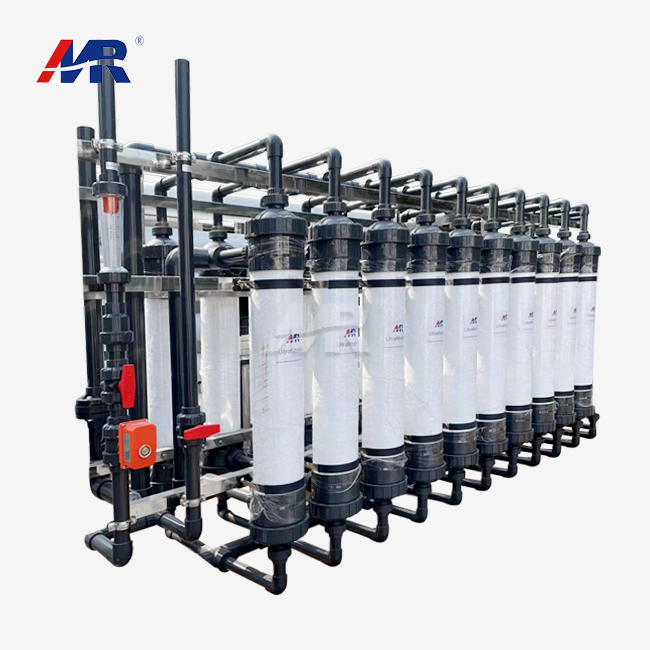 VIEW MOREultrafiltration drinking water system
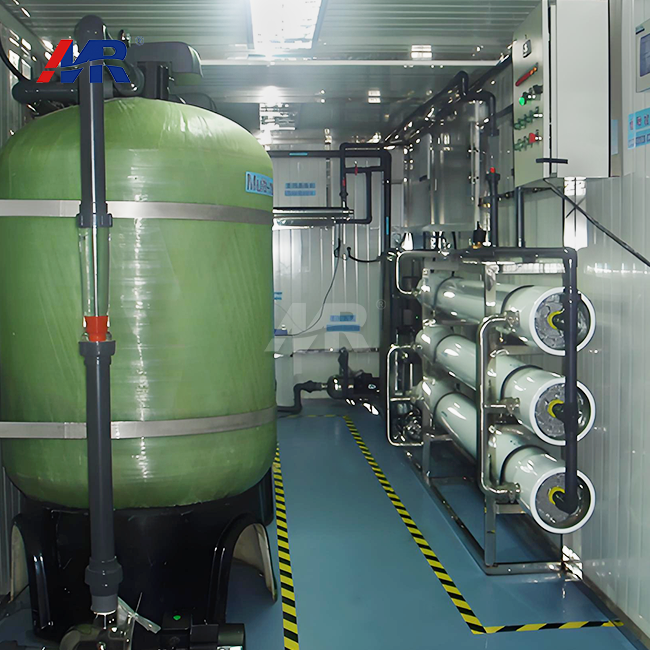 VIEW MOREContainerized Mobile Water Treatment Systems
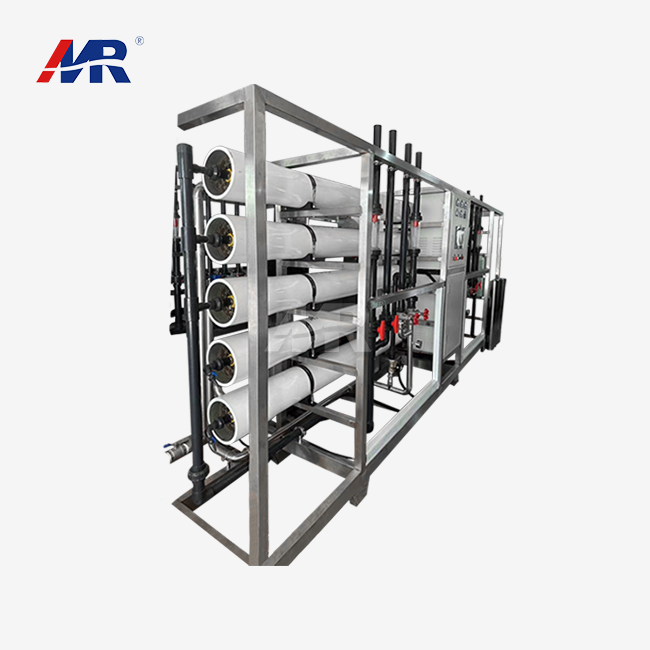 VIEW MOREhighest rated reverse osmosis system
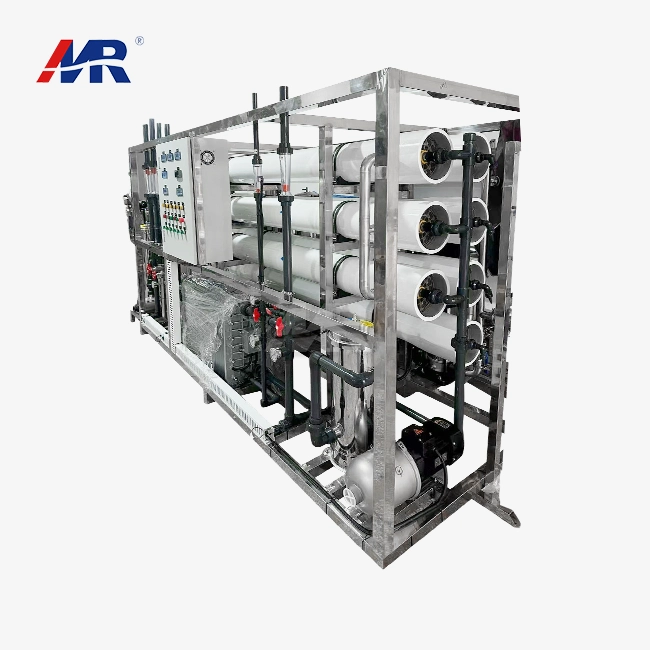 VIEW MOREedi module water treatment
 VIEW MOREbiological reactor wastewater treatment
 VIEW MOREcontainer ro equipment
 VIEW MOREcontainerized water treatment systems
 VIEW MOREsewage treatment plant
