

_1745823981883.webp)

Easy to Install Reverse Osmosis Systems: Step-by-Step Setup Guide
It doesn't have to be hard or take a lot of time to set up a good RO system for your business activities. Modern reverse osmosis systems are designed to be as easy to use as possible. They have parts that are already set up and links that are simplified to keep things simple. You can get the right system up and running in hours instead of days if you want to improve water treatment for food processing, medicine manufacturing, or electronics production. This full guide tells you everything you need to know about choosing, installing, and keeping simple reverse osmosis systems. This will help you make smart purchasing choices and make sure the water quality is perfect for your business.
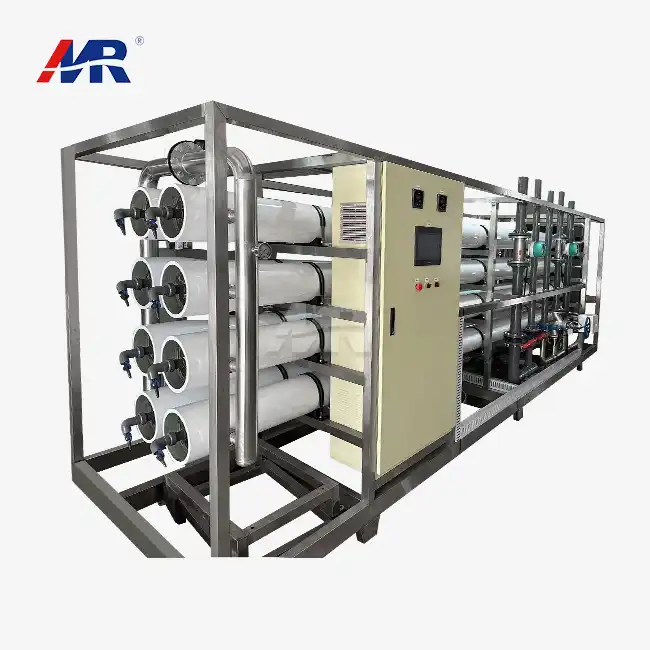
Understanding Reverse Osmosis Systems and Their Installation
A simple idea behind reverse osmosis technology: using pressure to push water through semi-permeable filters that get rid of dissolved solids, pollutants, and impurities. This process constantly makes high-quality water that is needed in many industrial processes, from making drinks to making semiconductors.
Core Components of Industrial RO Systems
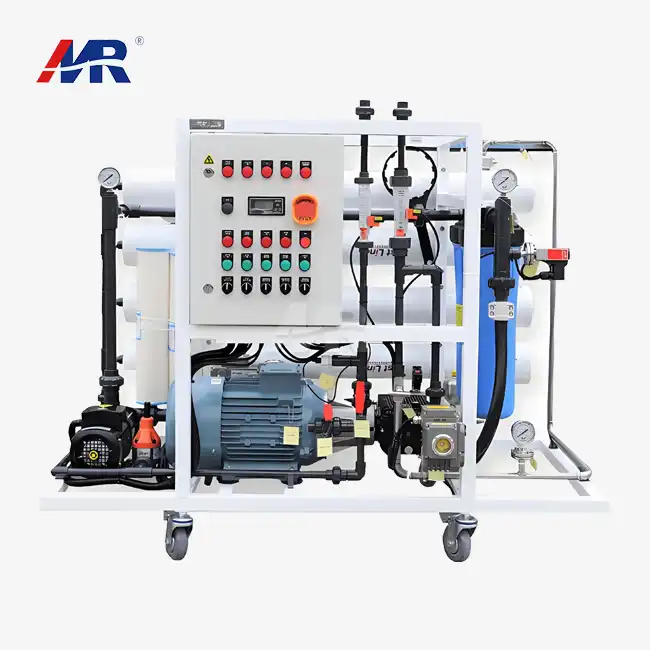
Modern water cleaning systems are made up of many parts that are all connected and work together. Multimedia filtration, chemical dosing, and activated carbon treatment are some of the ways that pre-treatment systems keep membranes from getting fouled and scaling. High-pressure pumps, membrane pressure tanks, and ro membranes made to last in industrial settings make up the core of the system. Programmable logic controllers in control systems let important factors be monitored in real time and operations to be run automatically.
Getting to know these parts helps buying teams understand the engineering that goes into making designs that are easy to install. Manufacturers now make skid-mounted systems where the main parts come already linked and tested. This makes putting them together on-site much faster.
Popular System Types for B2B Applications
Industrial users like containerized reverse osmosis systems a lot because they are easy to move and can be expanded. All of the working equipment in these systems fits inside normal shipping containers. This lets businesses make the best use of their space while still being able to move equipment around when their needs change.
Businesses that need to be able to expand their water treatment capabilities may also be interested in modular designs. The fact that these systems can be added on to gradually as production needs rise makes them ideal for factories that use water in unpredictable ways. The modular method also makes maintenance easier because only certain parts need to be shut down to be repaired.
Benefits of Easy-Install Systems
There are more benefits to picking streamlined installation methods than just saving time on setup. Consistently pure water levels that meet strict industry standards lead to better product quality. Automated controls that lower the need for human involvement and the chance of mistakes make operations more efficient.
Throughout the lifecycle of the best reverse osmosis water filtration system, cost savings show up in a number of different ways. Getting rid of the need for as much work during installation saves money right away, and making upkeep easier saves money in the long run. The effect on the environment is lessened because more water is recovered and fewer chemicals are used than with standard treatment methods.
These benefits directly address the concerns of buying managers and expert decision-makers who have to find a balance between performance needs, limited budgets, and the complexity of operations.
Step-by-Step Setup Guide for Easy-to-Install RO Systems
A good assembly starts long before the tools get there. If you prepare well, the system will work well from the start and be easy to install.
Pre-Installation Preparation and Site Evaluation
A site survey is the first step in putting in a water purification system that works. Check the available area to make sure there is enough room to reach tools and do maintenance. The electrical needs must match the system's specs, with the right power and amperage for the pumps and control systems.
Analysis of water quality gives important starting points for setting up systems and keeping an eye on their performance. Total dissolved solids, pH levels, chlorine content, and possible fouling agents should all be part of the test. This knowledge helps figure out what kind of pre-treatment is needed and sets performance standards for the whole process.
Infrastructure needs to have enough drainage for backwash and cleaning processes, as well as stable water supply lines that are the right size for the feed flow needs. It's important to think about temperature because membrane performance changes with water temperature, which affects both the flow rates of permeate and the rejection efficiency.
Assembly and Component Connection
Modern plug-and-play systems make putting things together a lot easier. Start by placing the main treatment skid according to the manufacturer's instructions. Make sure the installation is level and that the base is properly supported. Professionals with the right training should make electrical connections, following area rules and safety guidelines.
Plumbing lines are set up in a way that makes sense so that mistakes don't happen during installation. For practical tracking, feed water connections usually have isolation valves and pressure gauges. To keep the hydraulic balance of the system and avoid back-pressure problems, permeate and concentrate release lines need to be the right size.
Connecting sensors, actuators, and tracking gear to the main control screen is what control system integration means. To make installation easier, modern systems have color-coded wires and connection spots that are clearly marked. A lot of makers offer online commissioning help to make sure the system is set up correctly before the first start-up.
Testing and Calibration Procedures
For safe and successful operation, the first testing of a system follows a set of rules. Before turning on the pumps or adding full working pressure, test all of the connections for leaks at low pressure. This method stops damage from happening and finds any link problems early on in the launching process.
Checking for performance means keeping an eye on key factors during the first run of the RO system. Important measures include the rate of permeate flow, the pressure in the system, and markers of water quality like conductivity levels. When you compare these numbers to the manufacturer's recommendations, you can be sure that the system is working correctly and see what changes need to be made for it to work at its best.
Calibration of monitoring tools makes sure that they keep correct records of current performance. For practical data to be accurate, pH meters, conductivity sensors, and pressure transmitters need to be checked against known standards. This step sets the stage for long-term tracking and planning of system upkeep that will work well.
Post-Installation Maintenance Guidelines
Setting up upkeep processes as soon as the system is installed will protect your investment and keep the water quality stable. All the main parts of the system should be inspected regularly, and any changes in performance should be recorded. Visual checks of links should also be done on a regular basis.
The most important ongoing upkeep task is replacing the filters. Depending on the quality of the feed water and how often they are used, pre-filters usually need to be replaced every 6 to 12 months. Under normal conditions, RO filters usually last two to three years, but this can change a lot depending on the chemistry of the water and how much is in the system.
Documentation practices help with planning upkeep and following through on guarantee obligations. Keep track of the system's working settings, maintenance tasks, and any changes that are made to it. This information is very helpful for fixing problems and making the system run better over time.
Evaluating Different Types of Easy-Install RO Systems for Your Business
To choose the best water cleaning option, you need to carefully think about more than just the initial cost. Knowing the differences between the different types of systems helps buying teams make smart choices that meet business needs and stay within budget.
Compact vs. Modular System Configurations
Compact systems are great for situations where room is limited, and larger equipment footprints aren't a choice. These built-in units fit all the important parts into a small amount of floor space while still working perfectly. Small industrial facilities, food service businesses, and labs can often benefit from compact designs that work reliably without requiring major changes to the infrastructure.
Businesses that expect to grow or have changing water needs can benefit greatly from modular setups. Adding individual units one at a time can improve the treatment capacity without having to buy all new equipment. This method works especially well for manufacturing businesses that have regular production cycles or that are looking to expand their facilities.
Scalability is about more than just adding more power. As working needs change, modular systems can be updated with new technology and processes can be changed. This ability to adapt protects the value over time against changes in production methods or government rules.
Automated vs. Manual Control Options
Using automated control systems makes operations simpler and requires fewer people to run the system. These days, customizable controls take care of starting up, cleaning, and shutting down processes automatically. These systems keep an eye on performance factors all the time and change how they work to keep things running as efficiently as possible.
The ease of use of automatic systems comes with the need for regular upkeep. To keep working properly, parts of a control system need to be calibrated and their software updated regularly. Staff training is needed to make sure that the right actions are taken in reaction to alarm conditions and system reports.
Options for manual control work well in situations where workers want to directly control the system or where making it easier to use lowers the starting cost. These systems need more hands-on management, but some expert staff like them because they make system operation clearer. The choice is often based on the academic knowledge that is available and the organization's operational tastes.
Industry-Specific Considerations
Systems that meet strict hygiene standards and are easy to clean are needed for food and drink uses. The product is safe and meets all regulations thanks to its stainless steel structure, sanitary links, and tried-and-true cleaning methods. A lot of companies make packages that are already tested and proven to work in these situations.
Pharmaceutical and laboratory businesses need devices that can make water that meets USP or EP standards for making medicines. To meet the requirements for ultra-pure water, these uses often add extra treatment steps like electrodeionization or filtration.
When it comes to manufacturing and OEM uses, dependability and cost-effectiveness are more important than very high purity levels. To keep working interruptions and support costs as low as possible, these systems focus on strong building and streamlined maintenance processes.
Cost-Performance Analysis and ROI Planning
The total cost of ownership of the best reverse osmosis water filtration system includes a lot more than just the price of buying the tools. Costs of doing business include things like using power, buying new filters and membranes, using chemicals, and hiring people to do regular upkeep. Long-term running costs are greatly affected by designs that use less energy and working settings that are optimized.
When figuring out the return on an investment, you should look at both the direct cost savings and the indirect benefits. You can save money directly by buying less water, paying less to get rid of trash, and using fewer chemicals than with other cleaning methods. Some examples of indirect benefits are better product quality, less downtime in production, and better compliance with regulations.
Modern systems have built-in performance tracking tools that give info that helps with ongoing optimization efforts. Real-time tracking finds ways to make things more efficient and plans for planned repair that will happen before they break down, which increases the return on investment over the lifecycle of the system.
Conclusion
Reverse osmosis systems that are easy to set up are a big step forward in industrial water treatment technology. They let businesses get better water quality without having to deal with the usual problems that come with setting up a system. When you combine pre-configured parts, fast installation steps, and full support services, you can quickly put in place reliable water treatment solutions that meet strict quality standards with as little downtime as possible.
To choose the right system, you need to carefully think about the needs of the application, the room you have, and your long-term operating goals. Investing in good tools and skilled support services pays off in the form of better Products, more efficient operations, and lower long-term maintenance costs. As standards for industrial water quality change, easy-to-install systems offer the adaptability and performance needed to meet present and future obstacles.
FAQ
Q1: How long does a typical installation take for easy-install systems?
Most easy-to-install reverse osmosis systems can be up and running one to three days after they are delivered, though this depends on how complicated the system is and how well the site is prepared. Installing and starting up simple skid-mounted units usually only takes 8 to 12 hours, while containerized systems can be up and running hours after being placed and connected to utilities.
The schedule suggests that the site has been properly prepared, with electricity connections, rough-in plumbing, and the right base or mounting surfaces. Installation can take up to three to five days for complex systems that need a lot of pre-treatment or custom settings, but this is still a lot faster than standard field-built options.
Q2: What customization options are available for unique industrial requirements?
Customization options cover many parts of the system, such as changing the system's capacity, setting standards for water quality, and meeting connectivity needs. Different pre-treatment setups can be used to deal with different problems in the feed water, like high hardness, organic contamination, or an odd chemical make-up.
Customizing a control system lets you connect it to other tracking systems in the building, set up specific alarms, or create your own unique operating routines. Mechanical changes are made to deal with issues like limited room, bad weather, or the need for special materials in toxic settings.
Our tech team works together with clients to find the best ways to customize products so that they meet particular performance needs while still being easy to install.
Q3: What ongoing technical support and maintenance services are provided?
Technical help that covers everything includes emergency response services that are available 24/7, remote diagnosis services, and maintenance programs that are set up on a regular basis. Our service network has regional offices that help with local issues and keep specialized technical knowledge available for when it is needed.
Maintenance services range from simple programs to change filters to full system management that includes planning upgrades, performing preventative maintenance, and making sure the system runs at its best. Professional training programs make sure that client staff can run and keep systems properly and know when to call for help from a professional service.
With remote monitoring, possible problems can be found before they affect the system's performance. This supports reliable and cost-effective running throughout the lifecycle of the system.
Solutions for RO Systems with Morui
Morui is ready to help you turn your problems with treating industrial water into competitive advantages with our tried-and-true RO system options that are easy to set up. Our technical consultants bring decades of experience to every project, which helps you choose the best system and make sure it's set up smoothly based on your unique business needs. You can rely on our wide range of products and mechanical know-how to get reliable results, whether you need a small system for the lab or a big containerized solution for manufacturing. Get in touch with us at benson@guangdongmorui.com right away to talk about your water treatment needs and find out why top companies trust Morui as their RO system provider.
References
1. American Water Works Association. "Reverse Osmosis and Nanofiltration: Manual of Water Supply Practices." Second Edition, Denver: AWWA Press, 2018.
2. Greenlee, Lauren F., et al. "Reverse Osmosis Desalination: Water Sources, Technology, and Today's Challenges." Water Research 43, no. 9 (2009): 2317-2348.
3. Membrane Technology Research Institute. "Industrial Membrane Systems: Design and Installation Best Practices." Technical Publication Series, Boston: MTRI Publications, 2019.
4. National Institute of Standards and Technology. "Guidelines for Industrial Water Treatment System Performance Monitoring." NIST Special Publication 800-82, Gaithersburg: NIST Press, 2020.
5. Water Quality Association. "Industrial Reverse Osmosis Systems: Selection and Installation Guidelines." Technical Bulletin WQA-TB-2021-05, Lisle: WQA Technical Services, 2021.
6. World Health Organization. "Water Treatment and Pathogen Control: Process Efficiency in Achieving Safe Drinking Water." Geneva: WHO Press, 2017.
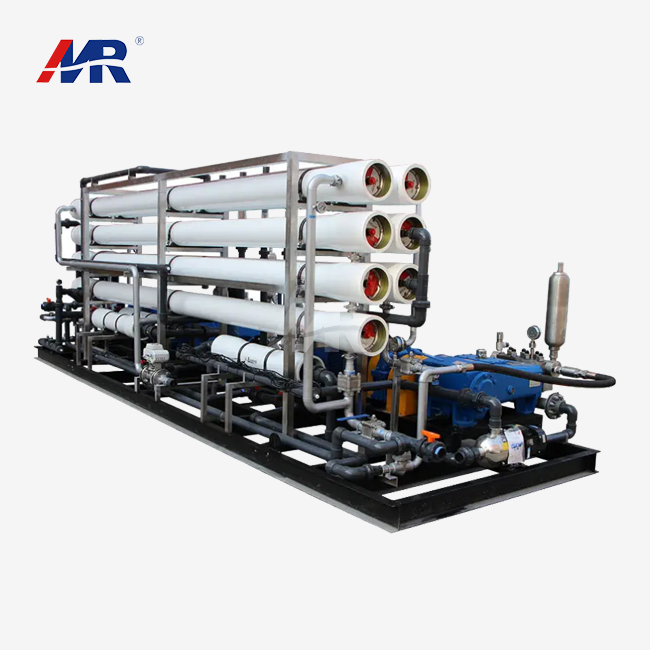 VIEW MOREseawater desalination machine
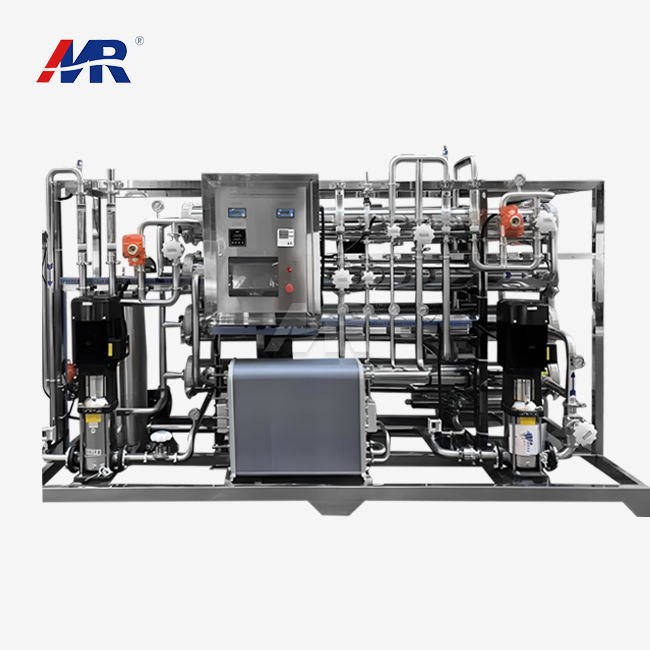 VIEW MOREelectro deionizer system
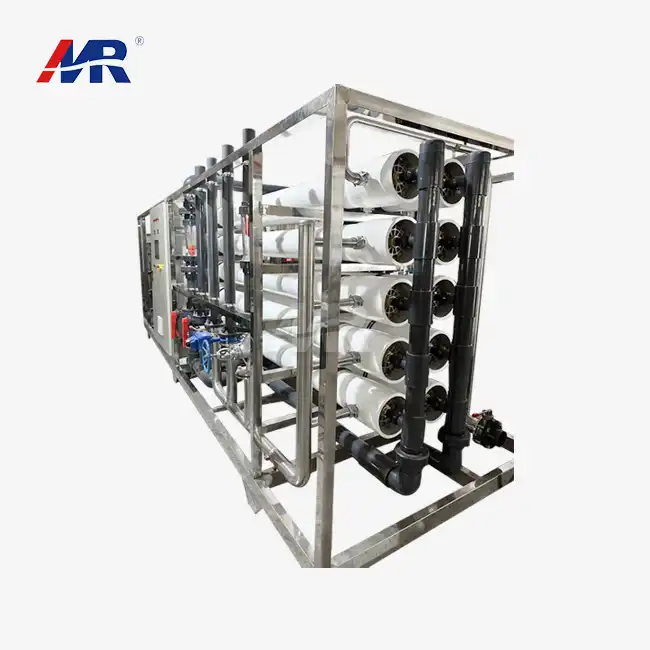 VIEW MORE50m3/hour reverse osmosis equipment
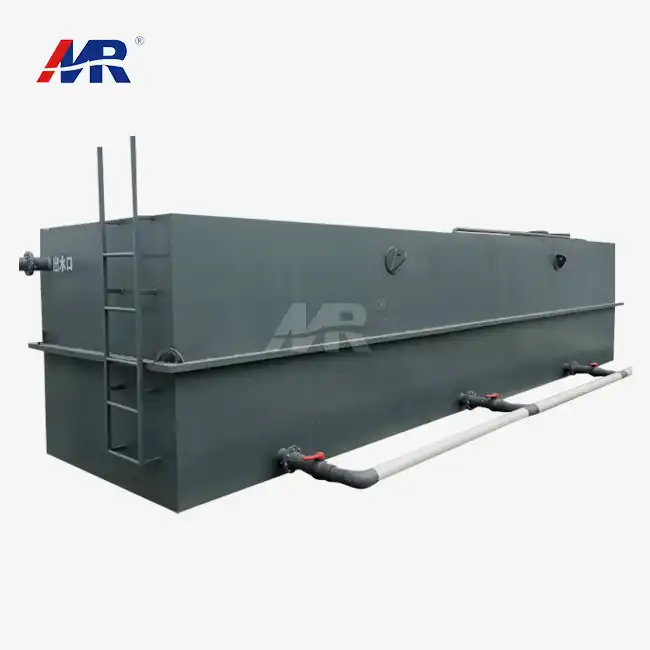 VIEW MOREportable wastewater treatment plant
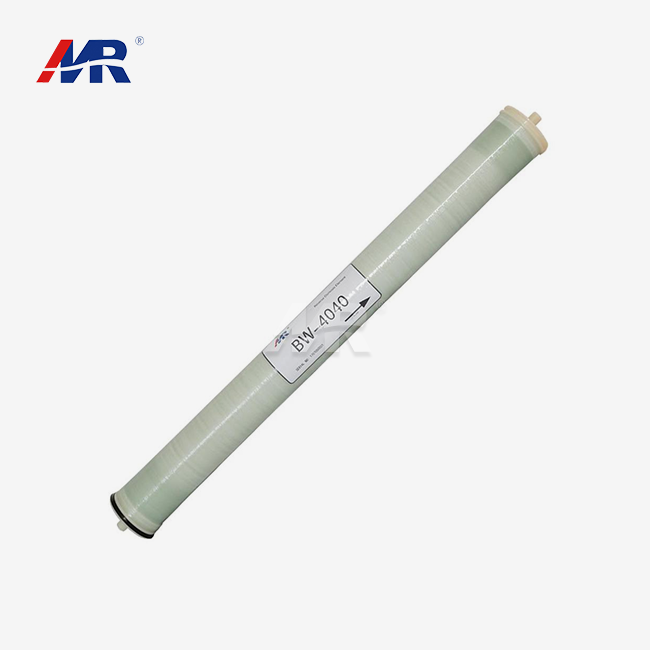 VIEW MOREindustrial ro membrane
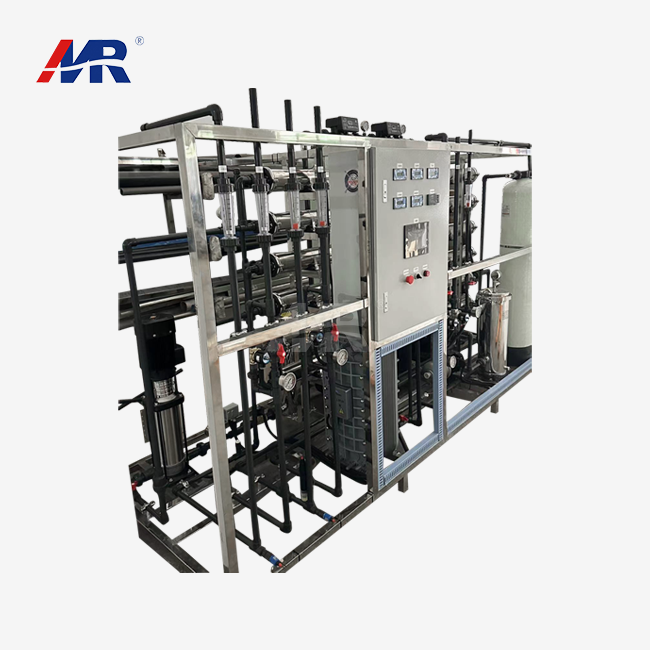 VIEW MOREedi water treatment system
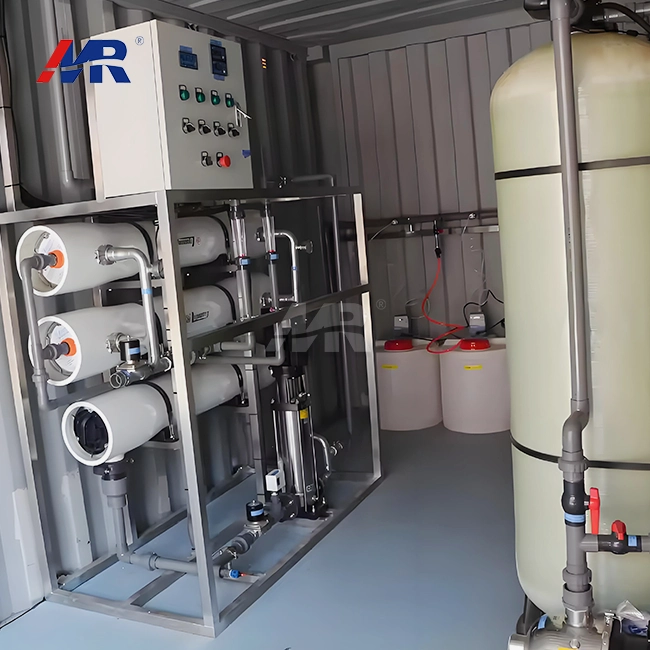 VIEW MOREcontainerized reverse osmosis system
 VIEW MORE2m3/hour seawater desalination equipment
