_1745823981883.webp)

Why Reverse Osmosis Systems Are Essential for Healthcare Facilities’ Water Quality
Healthcare facilities have special problems with water quality that affect the safety of patients and the success of treatments. Through advanced membrane technology, a reverse osmosis system completely cleans water to meet strict medical standards. It does this by getting rid of contaminants, germs, and dissolved solids. This way of filtering water makes sure that healthcare workers can give safe, high-quality care while also following the rules and keeping patients and medical tools safe from waterborne risks.

Understanding Reverse Osmosis Systems for Healthcare Applications
For healthcare water cleaning, accuracy and dependability are more important than in most business settings. Water in medical buildings has to be very pure so that it can be used for many things, like dialysis treatments and making medicines. Because healthcare water needs are so complicated, building managers and procurement workers need to know about RO technology.
How Reverse Osmosis Works in Medical Settings
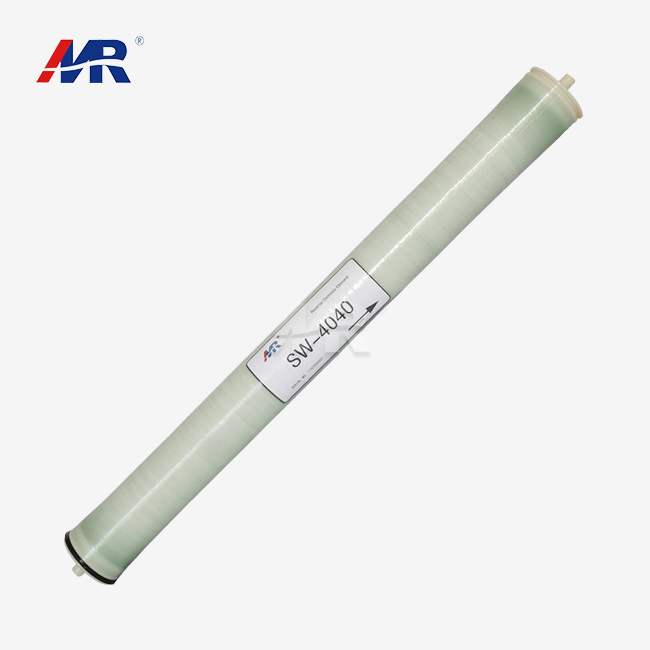
High pressure pushes water through semi-permeable barriers, which is how reverse osmosis works. This method gets rid of impurities as tiny as 0.0001 microns, such as viruses, bacteria, dissolved salts, and chemical pollution. The system starts with pre-filtration steps that get rid of bigger particles and chlorine. This keeps the ro membrane from getting damaged. The water then goes through the core membrane, which filters it at the molecular level. This makes clean water while the concentrated waste is safely released.
After the filter, the process continues with cleaning to get rid of any tastes or smells that are still there. Storage tanks keep a steady supply of cleaned water on hand so that it can be used right away if needed. This multi-step process makes sure that the water quality always meets medical-grade standards, even during normal operations.
Key Components and System Configurations
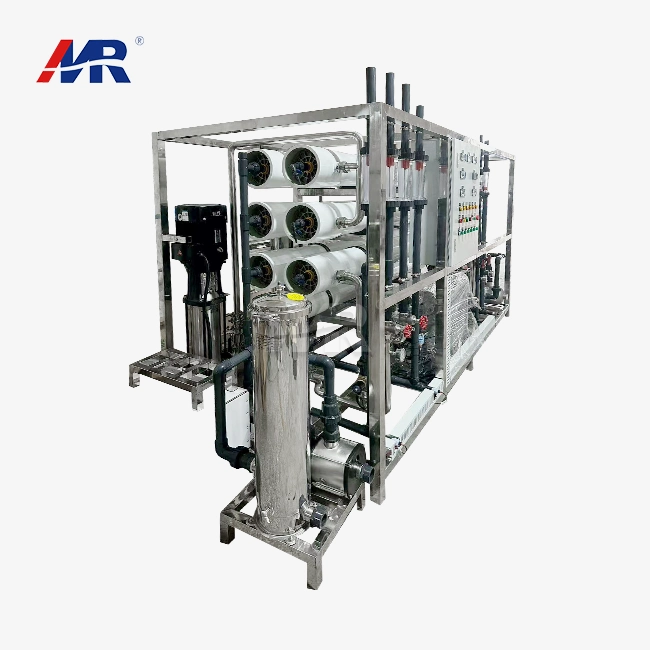
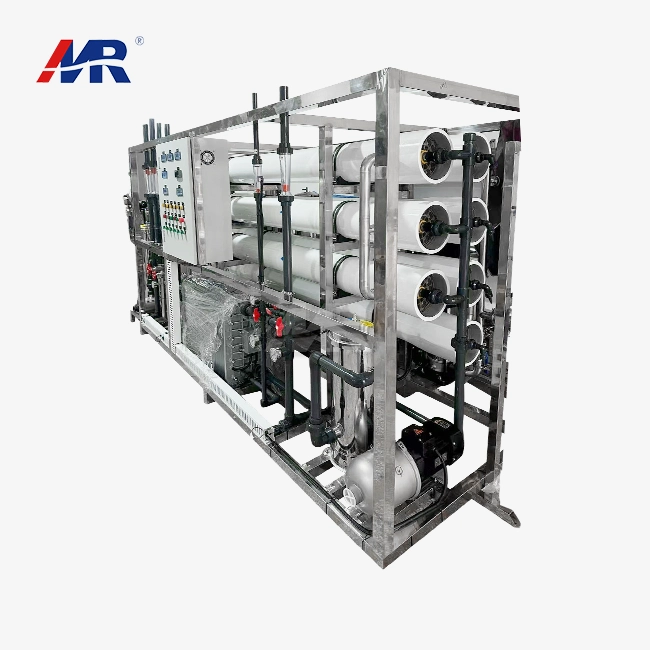
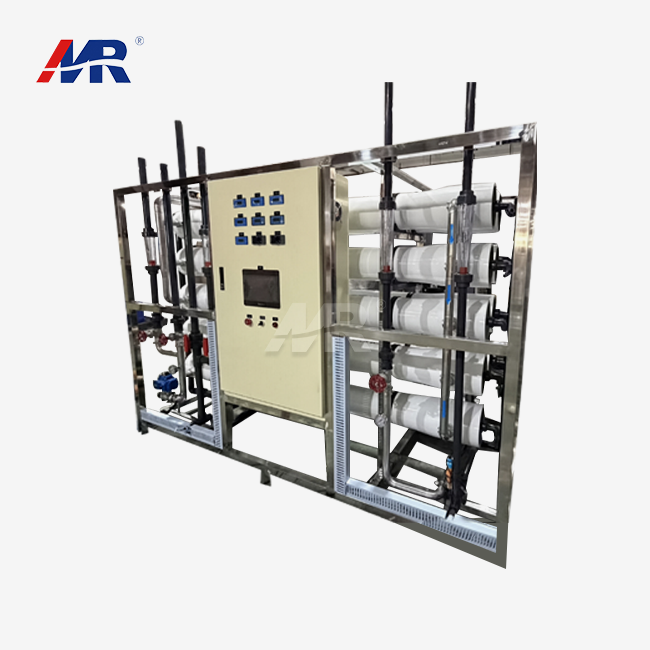
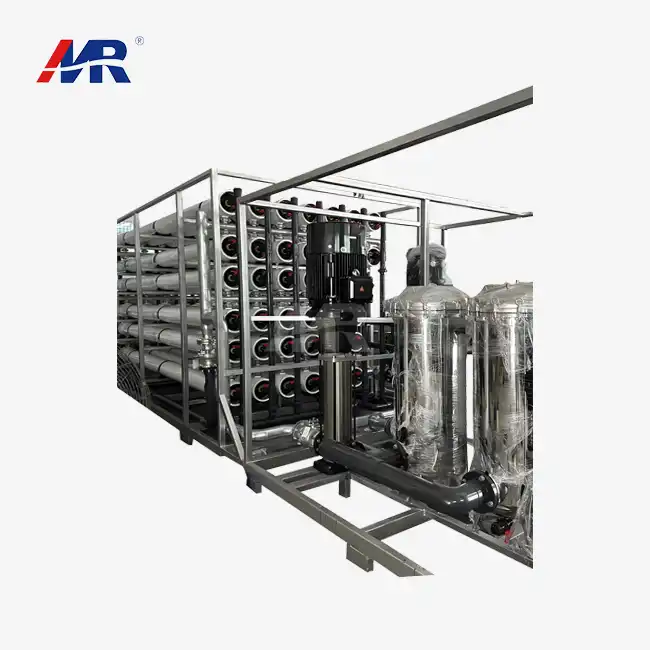
Healthcare RO systems have parts that are specifically made for use in medical settings. Pressure gauges keep an eye on how well the system is working while high-pressure pumps keep flow rates steady. As part of the pre-filter, there are sand filters that get rid of particles and carbon filters that get rid of chlorine. Medical-grade filters designed to reject contaminants better make up the heart of the system.
There are many ways to store things, from small tanks for offices to big systems for hospitals. Medical equipment has its own taps and connection points in distribution networks. The water quality factors are tracked by control systems, which also let workers know when maintenance is due. These parts work together to make combined water treatment systems that are made to fit the needs of healthcare settings.
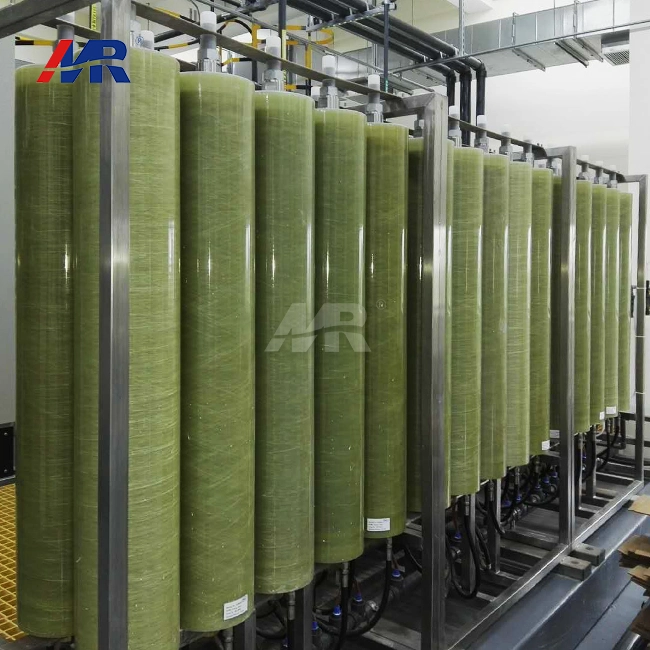
System settings for reverse osmosis companies need to be different for each healthcare facility. For example, small medical offices might need under-sink units that can make 50 gallons of water every day, while large hospitals need industrial systems that can make thousands of gallons. The size of the system varies depending on the size of the building, the number of patients, and the medical uses that need clean water.
Ensuring Water Quality and Safety in Healthcare Through RO Systems
Medical sites have to follow strict rules about the cleanliness of the water they use. Medical facility managers can protect patients and follow health officials' rules by using the right water cleaning methods when they know these requirements.
Regulatory Compliance and Health Standards
The rules for healthcare water quality cover a lot of different organizations and guidelines. The Centers for Disease Control and Prevention (CDC) makes rules for hospital situations about how to keep people from getting water-borne infections. The Food and Drug Administration (FDA) controls the water that is used to make medicines and medical devices. The health departments of each state apply extra rules that are unique to each area.
Medical sites must keep records that show they meet water safety standards. Regular testing makes sure that cleaned water meets set guidelines for chemical cleanliness, total dissolved solids, and bacterial contamination. Not following the rules can have bad effects, like closing down the facility, putting patients at risk, and being sued.
RO systems help facilities meet these strict standards by improving the water quality in a regular and measured way. Because the technology has worked well in healthcare in the past, it is a good choice for tactics that follow the rules.
Maintenance Protocols and Quality Assurance
RO systems keep providing medical-grade water as long as they are properly maintained. Scheduled filter changes happen every six to twelve months, based on the quality of the water source and the amount of water that is used. When taken care of properly, RO membranes usually last two to three years, while pre-filters need to be changed more often.
System sanitization procedures stop the growth of germs and the formation of biofilm. During regular cleaning processes, approved sanitizing agents kill germs without hurting any parts of the system. Testing the water quality using bacterial cultures, conductivity readings, and chemical analysis proves that the process works.
As part of preventive maintenance, the pressure, flow, and rejection rates of the system must be checked regularly. Performance data helps find problems before they get worse and affect the quality of the water. Professional service techs know how to fix complicated issues and make sure that systems work at their best.
Comparing Reverse Osmosis Systems with Alternative Water Treatment Methods
There are different ways for healthcare centers to treat their water, and each has its own pros and cons. When procurement teams know about these differences, they can choose the technology that best fits their needs and budget.
RO Versus Traditional Filtration Methods
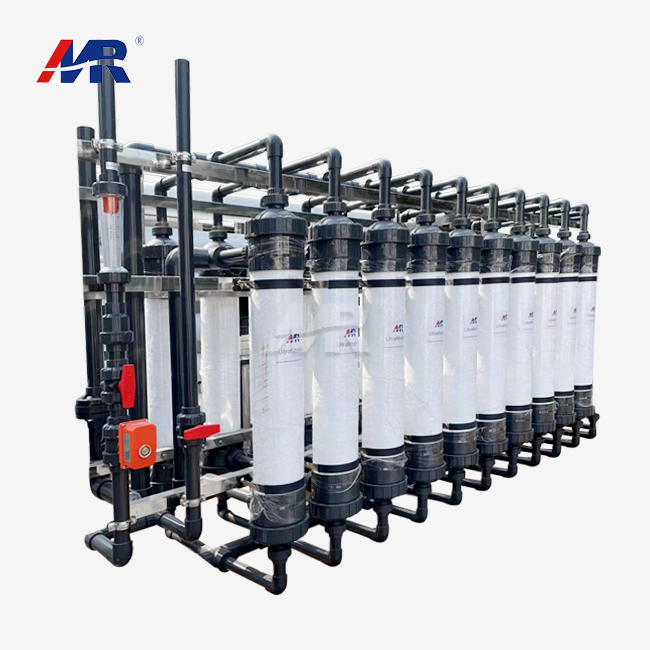
It is possible to get rid of chlorine and organic molecules with carbon filtering, but not dissolved salts or microorganisms in a reverse osmosis system. Even though carbon filters are cheaper at first, they don't protect well against the wide range of contaminants that are common in healthcare settings. UV cleaning gets rid of germs and viruses, but not chemical pollutants.
Water softeners fix problems with hard water, but they also add sodium to the water, which might not be safe for some medical uses. When you distill water, you get very pure water, but it takes a lot of energy and only makes a small amount. Each technology is good at certain things, but none of them can treat water as well as RO systems can.
In healthcare situations, it's often best to use a mix of methods. UV treatment or carbon post-filters can be added to RO systems to help protect against microbes and improve taste and smell. These combined solutions offer many ways to keep things from getting contaminated while still being cost-effective.
Cost-Benefit Analysis for Healthcare Applications
The cost to buy a RO system for the first time depends on its features and size. Full systems could cost between $3,000 and $8,000 for small medical offices, but hospitals could spend $50,000 or more on full setups. These up-front costs need to be weighed against the ongoing costs of running the business and the possible risks of not treating water properly.
The costs of running a business include replacing filters and membranes and using energy. Most of the time, RO systems use less energy than evaporation but produce more water than other methods. Protecting medical devices from scale growth and rust caused by untreated water lowers the cost of maintaining the equipment.
Long-term benefits include less risk of liability, better patient results, and longer machine life. A lot of the time, RO systems pay for themselves in less time and less money thanks to lower upkeep costs and better operating efficiency.
Procurement and Installation Guide for Healthcare Reverse Osmosis Systems
To choose the right RO equipment, you need to carefully consider what the building needs, what the vendor can do, and what kind of long-term help you will need. Healthcare procurement teams have to find a mix between technology requirements and price limits, while also making sure that the systems they choose meet medical standards.
Vendor Selection and Product Evaluation
Some of the biggest names in hospital water treatment are well-known brands that have a history of success in medical settings. These sellers know what the rules are and offer solutions that are made to work in healthcare settings. Product approvals from well-known testing groups back up claims of performance and legal compliance.
When judging a vendor, you should look at their expert assistance, availability of spare parts, and service network coverage. When you need maintenance or emergency fixes, local service providers can get to you faster. Full guarantees protect you in case your equipment breaks down, and service agreements make sure that your system keeps working well.
Reference setups at healthcare facilities that are similar to yours can tell you a lot about how things work in the real world. During site trips, buying teams can see how systems work and talk to people who are already using them about their experiences. This first-hand information helps to back up what the seller says and spot any problems that might be happening.
Installation Requirements and Best Practices
Professional construction makes sure that the system works well and meets all regulations. Certified techs know what medical facilities need and how to work in difficult installation settings. For construction to go properly, there needs to be enough room, the right power connections, and the ability to work with existing plumbing systems.
Installation planning takes into account how to care for the system in the future and how the system might grow. Having enough space around tools makes it easier to change filters and do regular maintenance. When the power goes out, backup power lines keep things running, which is very important for keeping patient care going.
Commissioning processes check that the system works properly before it is accepted. Testing the water quality makes sure that the cleaned water meets certain standards, and checking the flow rate makes sure that the building has enough capacity. Documentation packages include the records that are needed to follow the rules and get guaranteed coverage.
Future Trends and Innovations in RO Systems for Healthcare Facilities
The technology used to treat water in healthcare facilities is always changing because of new membrane materials, tracking systems, and ways to use less energy. Knowing these trends helps places plan for what they will need in the future while getting the most out of the money they have now.
Smart Technology Integration
Modern RO systems have smart tracking features that keep an eye on factors of water quality in real time. Sensors check for problems and let workers know about them by measuring things like conductivity, pressure, flow rates, and more. Service workers can figure out what's wrong and plan repairs ahead of time with remote monitoring.
Automated systems make things more reliable while reducing the work that operators have to do. Smart controls make the system work better based on trends of demand and the quality of the water. Data logging lets you keep thorough records that you can use for regulatory compliance and performance research.
Integration with building management systems for reverse osmosis companies lets control and tracking be centralized. Facility managers can keep an eye on both water treatment and other building systems. This makes repair tasks easier and boosts working efficiency.
Sustainability and Energy Efficiency
Concerns about the environment lead to new ways to collect water and use less energy. High-efficiency screens need less pressure to work well while still removing contaminants well. Energy recovery devices take pressure energy from trash streams, which lowers the amount of power that is used generally.
Facilities can use cleaned water for the right purposes again, thanks to water recycling technologies. Closed-loop methods reduce trash while also using less water from public sources. These methods help healthcare facilities meet their goals for sustainability while keeping costs low.
More and more green building standards understand that saving water is an important environmental factor. Advanced RO systems help institutions meet their environmental obligations and earn LEED and other sustainability grades.
Conclusion
Healthcare centers need water cleaning options that put the safety of patients, following the rules, and the reliability of operations first. Reverse osmosis systems get rid of all contaminants in a way that meets strict medical standards and is cost-effective over the long run. Because the technology has been used successfully in healthcare settings, it is an important part of the building's framework.
To make implementation work, you need to carefully choose your provider, have them install it, and get ongoing help for upkeep. When choosing the right systems, healthcare managers should think about their special water quality needs, government rules, and operating limitations. Investing in good RO equipment saves people, keeps medical equipment in good shape, and makes sure that changing healthcare standards are met.
FAQ
Q1: What contaminants can reverse osmosis systems remove in healthcare settings?
RO systems get rid of bacteria, viruses, heavy metals, chemical toxins, dissolved salts, and organic materials very well. The semi-permeable barrier stops impurities as little as 0.0001 microns, which includes most bacteria and chemicals that could be harmful to patients.
Q2: How often do the filters in healthcare RO systems require filter replacement?
When to change filters depends on the quality of the water source and how much it is used. Pre-filters need to be changed every 6 to 12 months, while RO membranes should last 2 to 3 years with proper care. Testing the water quality on a regular basis helps figure out the best time to change it.
Q3: Can RO systems meet all the guidelines for water safety in healthcare?
RO technology successfully meets most of the quality standards for healthcare water, such as those needed for dialysis, making medicines, and sterilizing equipment. For full compliance, some uses may need extra steps of treatment, like UV cleaning or deionization.
Q4: What size RO system does a hospital or clinic need?
The size of the system relies on the size of the building, the number of patients, and the water use. Hospitals may need thousands of gallons every day, while small offices may only need 50 to 100 gallons. Professional evaluation looks at times of high demand and predictions of future growth.
Partner with Morui for Superior Healthcare Water Treatment Solutions
Healthcare centers that need to clean their water can rely on Morui's extensive knowledge and track record in reverse osmosis systems. Our tech team creates custom systems that meet the needs of each medical center while also meeting all regulations and working at their best. We offer professional construction services, as well as ongoing expert support, for our cutting-edge membrane technology.
Email our experts at benson@guangdongmorui.com to talk about how to treat the water in your building. As one of the biggest companies that makes reverse osmosis systems, we take care of the whole project, from the original advice to the ongoing maintenance.
References
1. World Health Organization. "Water Safety in Buildings: Technical Brief." Geneva: WHO Press, 2021.
2. Centers for Disease Control and Prevention. "Guidelines for Preventing Health-Care-Associated Pneumonia, 2003: Recommendations of CDC and the Healthcare Infection Control Practices Advisory Committee." Atlanta: CDC, 2019.
3. American Society of Heating, Refrigerating and Air-Conditioning Engineers. "ASHRAE Standard 188-2018: Legionellosis: Risk Management for Building Water Systems." Atlanta: ASHRAE, 2018.
4. Association for the Advancement of Medical Instrumentation. "ANSI/AAMI/ISO 23500:2019 - Water for haemodialysis and related therapies." Arlington: AAMI, 2019.
5. Joint Commission on Accreditation of Healthcare Organizations. "Infection Prevention and Control Standards for Healthcare Facilities." Oakbrook Terrace: JCAHO, 2020.
6. Environmental Protection Agency. "Drinking Water Standards and Health Advisories Tables." Washington: EPA Office of Water, 2022.