_1745823981883.webp)

Best RO Filter for Well Water: What You Need to Consider
As far as finding the best well water filter system for business and industry goes, reverse osmosis is the most reliable way to get rid of complex contaminants. Minerals, bacteria, sediments, and chemical compounds that are dissolved in well water can affect the quality of Products and the way equipment works in the food processing, medicinal, and industrial industries. It is important to know the exact filtering needs and system capabilities in order to make smart purchasing choices that protect both operating efficiency and long-term investment returns.

Understanding Well Water Quality and Filtration Needs
Well water has its own problems that are very different from problems with public water sources. Groundwater, unlike cleaned city water, often has high amounts of iron, manganese, hydrogen sulfide, and other liquid minerals that can get in the way of industrial processes. These pollutants have an effect on everything from the quality of making drinks to the standards for making medicines.
Common Well Water Contaminants and Their Impact
When industrial sites get their water from wells, they often find iron levels higher than 0.3 mg/L. This can stain things, make food taste bad, and rust equipment. Manganese amounts above 0.05 mg/L cause the same issues and help bacteria grow in distribution lines. Hard minerals, such as calcium and magnesium, build up as scale layers that make heaters and cooling systems less effective at moving heat.
The pollution of living things is another big problem. There are bacteria, viruses, and parasites that can live in well water, which can make food and medicine less safe. Well water usually has more than 500 mg/L of total dissolved solids (TDS), which means it can't be used for making electronics or for lab work that needs ultrapure water.
How Reverse Osmosis Addresses Well Water Challenges
Under pressure, reverse osmosis devices use semipermeable filters to get rid of contaminants at the molecular level. The technology gets rid of germs and viruses, lowers TDS by 95–99%, and gets rid of dissolved metals and minerals that cause scaling and rust.
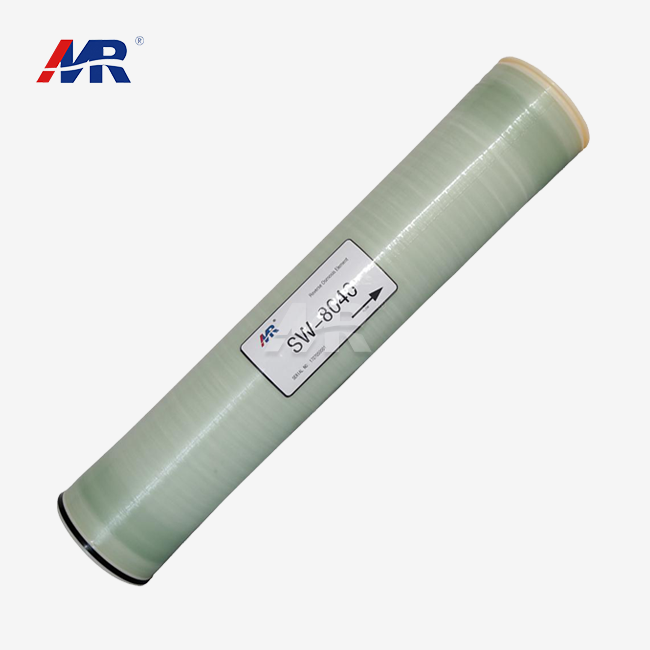
Usually, sediment filtering, carbon adsorption, and membrane separation are all parts of the best reverse osmosis water filtration system, a multi-stage RO process. Bigger particles and chlorine that could hurt ro membranes are taken out by pre-filtration steps. The membrane itself then stops contaminants smaller than 0.0001 microns. Depending on the needs of the product, UV cleaning and remineralization may be possible after treatment.
Key Criteria for Choosing the Best RO Filter for Well Water
A lot of technical and practical factors need to be carefully looked at in order to choose the right RO system. The decision-making process should make sure that the system's skills match the problems with water quality and the needs for output.
Water Quality Analysis and System Sizing
Comprehensive testing of the water sets the standard for designing the system. The things you should test for are TDS levels, pH, hardness, iron and manganese levels, bacterial numbers, and any industrial chemicals that are important to your business. These results tell us what kind of pre-treatment is needed and which material to use.
Needs for production ability are very different across businesses. Businesses that make food and drinks might need 1,000 to 10,000 gallons of water per hour, while companies that make electronics need less water but higher cleanliness levels. When sizing a system, you need to think about times of high demand and plans for future growth.
Performance Metrics and Quality Standards
The recovery rate shows how well the system works. Most commercial RO systems can collect 75–85% of the water that comes from wells. Higher recovery rates mean less waste, but they may need more thorough pre-treatment. The membrane should last between 2 and 5 years, but this depends on the quality of the feed water and how well the pre-treatment works.
The amount of energy used has a big effect on running costs. Energy recycling devices built into modern systems can cut the amount of power needed by 30 to 40 percent. Variable frequency drives make the best use of pumps based on trends of demand, which saves money on energy costs and wear on the parts.
Maintenance Requirements and Operational Considerations
As part of regular maintenance, filter cartridges are changed, membranes are cleaned, and the system is sanitized. Because there is more sediment in well water, the pre-filter needs to be changed more often. Automated monitoring systems keep an eye on performance indicators and let workers know when a repair is due.
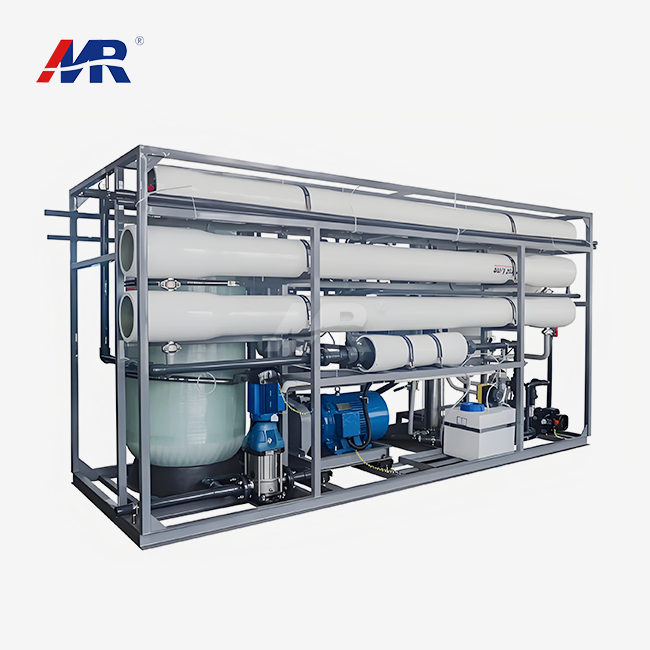
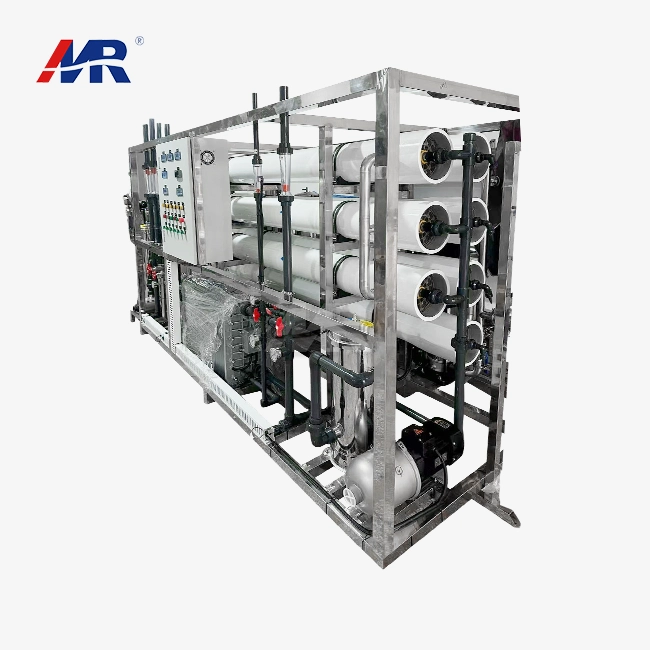
System design is often affected by how much space is available. Containerized RO systems are useful for places that don't have a lot of room inside, and skid-mounted units make installation easier in buildings that are already there. During the planning stages, you should think about how to get to the area for upkeep and replacing the barrier.
Types and Configurations of RO Filters for Well Water
Industrial RO systems come in a wide range of standard designs as well as highly personalized ones that are made to handle particular types of contamination. Knowing the choices you have helps you get the best results while keeping costs low.
Standard Multi-Stage RO Systems
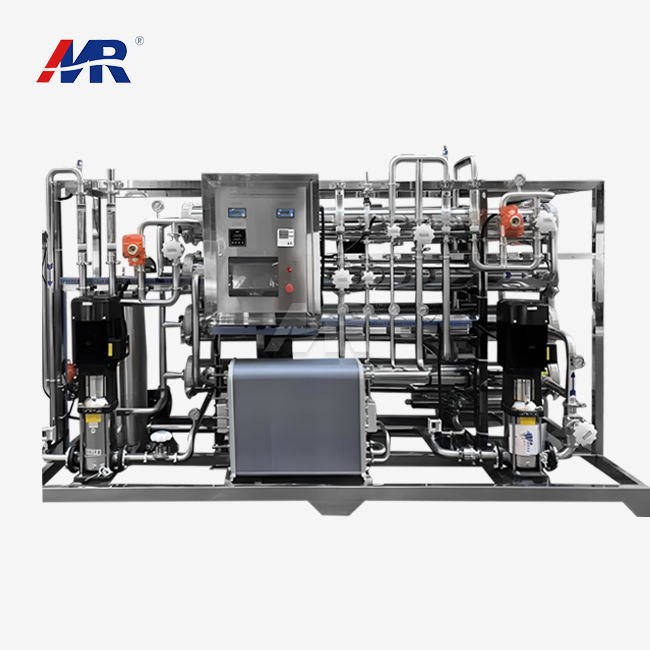
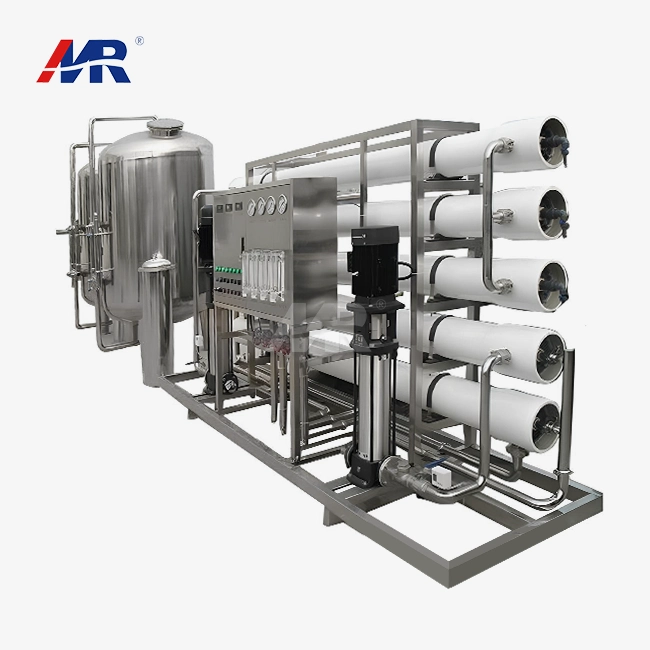
The most basic types of RO systems have steps for sediment filtering, carbon adsorption, and membrane separation for a well water filter. These systems do a good job of getting rid of common well water pollutants like iron, manganese, hardness minerals, and bacteria. Standard systems work well for tasks that need a modest amount of purity, like general production and watering systems.
Through parallel membrane arrangements, the flexible design lets the capacity grow. Control systems keep an eye on conductivity, pressure, and flow rates to make sure that performance is at its best and membranes are safe from damage. Automatic flush processes keep membranes from getting clogged and increase their useful life.
Enhanced Configurations with Integrated Technologies
Advanced systems blend RO with technologies that work well together to get better results. UV sterilization adds another layer of biological safety, which is very important for pharmaceutical and food industry uses. Electrodeionization (EDI) units make ultrapure water, which is needed for making electronics and used in the lab.
Pre-treating water to soften it makes membranes last longer in high-hardness situations. Ion exchange systems get rid of certain impurities, like heavy metals or nitrates, that could hurt the quality of a product. Changing the pH level makes sure that the membrane works at its best and stops growing.
Industrial-Scale and Customized Solutions
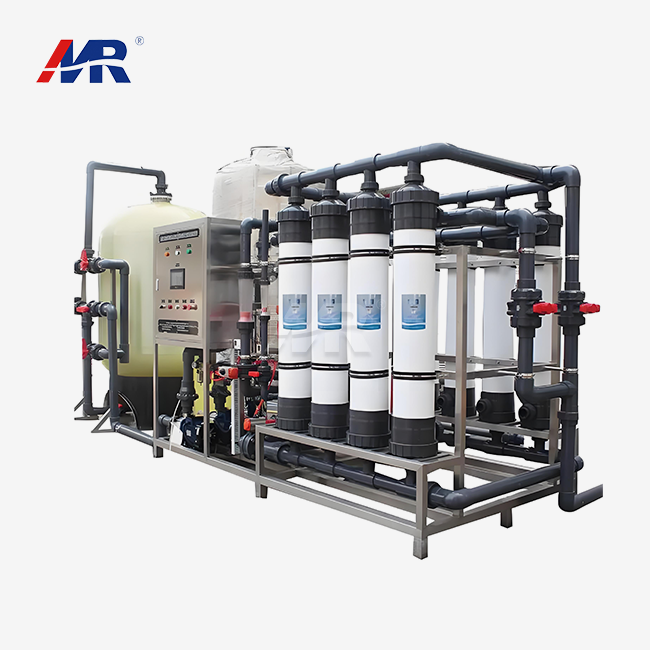
For large-scale operations, complex system designs are needed that include many treatment trains, automatic controls, and the ability to watch from afar. When parts are replaced, the system keeps running even while they are being fixed. Heat exchanges and chemical feed devices make membrane performance and efficiency better.
Special pollution problems are solved by custom engineering. Specialized membranes can handle certain chemicals or meet certain standards for cleanliness. Integrated garbage treatment systems keep the environment safe and cut down on the cost of getting rid of trash.
Trusted Well Water RO Filter Brands and Solutions
There are many manufacturers in the industrial water treatment business, and their skills and specialties range. By looking at well-known names, you can learn about tools and support services that have been used for a long time.
Market-Leading Manufacturers
Pentair makes a wide range of industrial RO systems that are known for being well-built and durable. Their membrane technologies work really well in tough well water situations, and they have special goods for use in food service and medicine. APEC works on the residential and light industrial areas, helping smaller businesses save money with their needs.
Culligan has been treating water for decades and has strong service networks all over North America. Their industrial section makes unique solutions for processing and production needs. iSpring specializes in making RO systems that are cheap for small businesses and new businesses.
Morui Environmental Technology Solutions
Guangdong Morui Environmental Technology Co., Ltd. is an expert in providing complete water treatment options for business and industrial uses. Our tech team makes custom RO systems to solve problems with well water in the electronics, pharmaceutical, food processing, and industrial businesses.
Our unified method blends cutting-edge membrane technologies with tried-and-true pre-treatment methods to get the best performance and dependability. Some important benefits are:
- Customized Engineering: Our technical team looks at data on water quality and operating needs to create systems that meet particular goals for purity and volume while minimizing operational costs.
- Full Pre-Treatment: We combine chemical feed systems, water softeners, iron removal, and sediment filters to protect membranes and extend the life of the system.
- Advanced tracking: Automated control systems keep track of performance factors and allow online tracking, which makes it possible to plan repairs ahead of time and get the most out of your equipment.
- Full Service help: Our service network offers installation, commissioning, training, and ongoing upkeep to make sure that your system works well for a long time.
These skills allow us to provide dependable, low-cost options that meet strict industrial water quality standards while keeping operating complexity and upkeep needs to a minimum.
At Morui, we offer complete solutions from the initial advice to ongoing support for the best reverse osmosis water filtration system. We have over 500 workers, 20 specialized engineers, and our own membrane production plant. Our relationships with top component makers like Shimge Water Pumps, Runxin Valves, and Createc Instruments give us access to tried-and-true technologies and dependable supply lines.
Conclusion
To choose the best RO filter for well water, you need to carefully think about the problems with the water quality, the needs of the business, and your long-term performance goals. Knowing the types of contaminants, what the system can do, and how often it needs to be serviced lets you make smart choices that protect both the quality of the product and your equipment investments. When you combine tried-and-true technologies with the right system size and support, you can be sure that implementation will go well in a wide range of business settings.
FAQ
Q1: How effective are RO systems at removing bacteria and viruses from well water?
By stopping particles bigger than 0.0001 microns, RO membranes get rid of germs, viruses, and parasites very well. Pathogens that are often found in well water include E. coli, coliform bacteria, and hepatitis viruses. Log reduction values for bacteria usually go over 99.9%, and values for viruses usually go over 99%. When needed for certain uses, UV sterilization can be added to provide extra biological security.
Q2: What maintenance schedule should I follow for well water RO systems?
Depending on how cloudy the well water is, sediment pre-filters need to be changed every one to three months. Most carbon filters last between 3 and 6 months. Based on the quality of the feed water, RO membranes need to be cleaned every three to six months and replaced every two to five years. Checking the conductivity and pressure differences every day helps find repair needs before they get worse.
Q3: Can I install an industrial RO system myself, or do I need professional installation?
Professional installation and testing of industrial RO systems is needed to make sure they work right and that the guarantee is honored. The right way to put something together includes connecting the electricity and plumbing, setting the control system, and checking to see if it works. Professional contracting finds possible problems and makes sure that the system is set up so that it works best in a certain situation.
Partner with Morui for Superior Well Water Filter Solutions
Morui Environmental Technology makes well water filter systems that have been used successfully in industry and business. Our skilled professionals offer full solutions, from the initial water study to system commissioning and continued support. As a reliable company that makes well water filters, we use cutting-edge RO technologies and unique engineering to make sure that your water quality needs are met.
Email our technology experts at benson@guangdongmorui.com to talk about the problems you're having with your well water and to look into unique filtration options. Visit moruiwater.com to find out more about the wide range of products and services we offer to make sure that your water treatment system works reliably and affordably.
References
1. American Water Works Association. "Reverse Osmosis and Nanofiltration Manual of Water Supply Practices." 2nd Edition, 2018.
2. Bergman, Robert A. "Membrane Softening versus Lime Softening in Florida: A Cost Comparison Update." Florida Water Resources Journal, 2019.
3. Fritzmann, C., et al. "State-of-the-art of reverse osmosis desalination." Desalination Journal, Volume 216, 2020.
4. National Ground Water Association. "Private Well Water Quality: Information for Well Owners." Technical Bulletin, 2021.
5. Water Quality Association. "Industry Reference Guide to Reverse Osmosis Treatment Systems." WQA Publication, 2019.
6. World Health Organization. "Guidelines for Drinking Water Quality: Chemical Aspects." 4th Edition, 2018.