

_1745823981883.webp)

What to Expect From Reverse Osmosis Companies' Maintenance and After-Sales Services
If you want your business to get the most out of its new reverse osmosis system, you need to know about the care and after-sales services that providers offer. A good RO system is an expensive investment that needs ongoing care to keep working at its best, follow the rules, and get the best return on your money. Professional maintenance services include replacing filters on a regular basis, cleaning membranes, diagnosing systems, and making emergency fixes. These services keep your water treatment infrastructure running easily in critical areas like food processing, pharmaceuticals, and industry.

Understanding Reverse Osmosis System Maintenance Essentials
To maintain business and industrial water treatment systems well, you need specialized knowledge that goes beyond basic home care. When procurement teams choose suppliers and service providers, they can make better choices when they know what complete care means.
Critical Components Requiring Regular Attention
Modern reverse osmosis systems are made up of many linked parts that need regular upkeep to keep them from breaking down and costing a lot of money. Pre-filtration parts like grit and carbon filters usually need to be changed every three to six months, but this depends on the quality of the feed water and the system's output. Under normal conditions, the semipermeable membranes, which are the heart of any RO system, need to be cleaned regularly and replaced every two to three years.
To keep the best working pressures and flow rates, high-pressure pumps, pressure tanks, and control valves need to be inspected and calibrated on a regular basis. Regular testing is needed to make sure that monitoring systems, sensors, and automatic controls give correct results and work correctly. Professional techs also check the pipes, fittings, and electrical links for signs of wear, corrosion, or places where the system might break down and risk its integrity.
Protocols for Preventive Maintenance
There are organized preventive maintenance programs that professional service providers use to find and fix possible problems before they get worse. Regular tests of the water quality, the performance of the membranes, and full system readings that keep an eye on key performance factors like permeate quality, recovery rates, and energy use patterns are all part of these procedures.
Technicians can clean the membrane, repair parts that wear out, and update reverse osmosis system documents during scheduled maintenance visits. Regular upkeep not only makes equipment last longer, but it also makes sure that the water quality meets the high standards needed in pharmaceutical manufacturing, electronics manufacturing, and food processing.
Comparing After-Sales Service Offerings Among Reverse Osmosis Suppliers
Different sellers offer very different levels of quality and scope of after-sales help. This is why it is important to compare service skills when making a purchase. Businesses can choose partners who can provide solid long-term support for their water treatment efforts when they understand these differences.
Comprehensive Service Package Components
Leading providers offer all-in-one service packages that include help with installation, training for operators, regular upkeep, emergency repair services, and expert advice. Most of the time, these all-inclusive packages come with promised response times for service calls, faster access to replacement parts, and dedicated Technical support lines run by experienced engineers.
Good service providers keep enough of the important extra parts like filters, membranes, pumps, and control parts in stock so that they can be quickly replaced when needed. They also offer flexible service hours to meet the operational needs of their customers. For example, they offer help after hours and on the weekends for important applications where system downtime directly affects production schedules.
Remote Monitoring and Digital Support Services
Advanced suppliers use cloud-based tracking tools and the Internet of Things (IoT) to keep an eye on systems in real time and plan repairs ahead of time. These digital solutions let you figure out performance problems from afar, set up automatic alerts for repair needs, and use data analytics to make system operation better over time.
Remote tracking systems for reverse osmosis companies can keep an eye on important performance indicators, find outliers, and let you know about possible problems early on, before they affect the quality of the water or the usability of the system. This proactive method cuts down on the number of calls for emergency help while still making sure that the system works at its best and meets quality standards.
What B2B Clients Should Expect During Reverse Osmosis System Installation and Commissioning?
Professional installation and testing services set up a system so that it works reliably for a long time. Knowing how the installation process works helps companies get ready and makes sure the project goes smoothly from the first delivery to the final acceptance testing.
Pre-Installation Assessment and Planning
When experienced suppliers start an installation job, they do a full site assessment that looks at the current infrastructure, the availability of utilities, the amount of room available, and the needs for integration. As part of these reviews, a thorough study of the water quality is done to confirm the system's size and layout and to make sure that the installed equipment meets the treatment goals and capacity needs.
Site studies also look at things like structure needs, electricity needs, and environmental factors that could affect how well the system works or how it is installed. Professional teams work with the customer's facilities management to make sure that local building codes and safety rules are followed and that operations are interrupted as little as possible.
Installation, Execution, and Quality Assurance
Professional installation teams follow thorough steps that put safety, quality, and the stability of the system first. Installation rules include the right way to handle fragile parts like membranes, the exact alignment of pressure tanks, and close attention to the links between pipes to avoid problems with contamination or leaks.
During the installation process, quality control measures include putting pressure on all connections, checking electrical installations, and full system flushing methods that get rid of installation trash and get the system ready to use. These steps make sure that the system setup works as planned and meets the requirements set by the designer.
Commissioning and Performance Validation
System completion includes testing and optimizing all of the parts to make sure they work right and meet the performance requirements. This process includes starting up the machine, adjusting the control system, and checking its performance to make sure that the output water quality, flow rates, and energy use are all within the limits set by the designer.
Also, commissioning teams give thorough training to operators that includes daily tasks, regular upkeep, how to fix problems, and safety rules. This training makes sure that the people who work for the customer can handle the system operations well so that they keep it running at its best and follow all the rules.
Troubleshooting, Warranty, and Long-Term Support from RO Companies
Businesses that invest in water treatment facilities need to be protected by warranties that cover all of their problems and provide effective repair tools. Procurement teams can compare different sources and make smart choices when they know what amount of support to expect.
Common Operational Challenges and Solutions
Professional service providers learn how to fix common operating problems that affect the performance of RO systems. One of the most common problems is membrane fouling, which needs special cleaning methods and sometimes a new membrane to work properly again. Technicians with a lot of experience can quickly figure out what causes fouling and put in place the right ways to fix it.
Changes in water quality, pressure, or flow rate often mean that there is a problem with the system that can only be found and fixed by trained pros. Having access to skilled technical help cuts down on the time needed to figure out what's wrong and the chance of making mistakes during repairs that could damage costly parts or compromise the security of the system.
Warranty Terms and Extended Service Agreements
Commercial RO systems usually come with a one- to two-year warranty that covers parts, labor, and repair calls for items that are covered. But guarantee terms can be very different from one seller to the next, so it's important to know what kind of safety each one offers.
Extended service agreements provide extra safety beyond the normal warranty periods. They usually come with more coverage choices, like replacing the membrane, preventative maintenance services, and getting technical help faster. These deals give companies that use critical water treatment systems, where system reliability is very important, peace of mind and predictable service costs.
Long-Term Partnership Benefits
Businesses that run complicated water treatment systems can benefit greatly from building long-term ties with dependable service providers. Long-term relationships help service providers learn a lot about how certain systems are set up, how they work, and how they perform, all of which improve service quality over time.
Long-term service relationships also give you access to chances to improve technology, upgrade systems, and find ways to make them work better while also cutting costs. Trusted partners can help with planning for growth, keeping up with changes in the law, and figuring out how new technologies might affect water treatment operations.
How to Evaluate and Choose Reverse Osmosis Companies Based on Maintenance and After-Sales Services?
To choose the right service partner, you need to carefully consider a number of things that will affect the quality of the service and the results for your business in the long run. A methodical approach to evaluating suppliers helps make sure that service relationships are at their best and helps businesses reach their goals.
Technical Expertise and Certifications
Check out possible service providers' technical skills, industry Certifications, and experience with apps like yours. Look for companies that have trained workers who are qualified and have a track record of success in related fields like electronics making, food processing, or pharmaceuticals.
Look at case studies and customer references that show how projects were completed successfully and how service relationships are still going strong. Talk to current users to find out how they felt about the level of service, how quickly they were helped, and how well they were able to solve problems.
Geographic Coverage and Response Capabilities
If your business has more than one site or facility in different regions, you should think about the supplier's regional coverage area and ability to provide local service. Check the reaction times and see if there are nearby technicians who can do both regular upkeep and repairs in an emergency.
Check the supplier's parts collection and delivery options to make sure you can get replacement parts quickly when you need them. Knowing how processes work helps you guess how long it will take to deliver services and how that might affect the operation of the system while it's being maintained or fixed.
Financial Stability and Business Continuity
Check out a possible service partner's financial security and business survival planning for reverse osmosis companies to make sure they can provide reliable long-term support. Look at the company's finances, past, and customer base to figure out how likely it is that service will be available for the expected system lifespan.
Think about how much the supplier has invested in training staff, service infrastructure, and new technology. These investments show that the seller is committed to keeping high service standards. Strong sellers keep investing in new skills that make their services better and their customers happier over time.
Conclusion
Choosing a reverse osmosis provider that offers full support and after-sales services has a direct effect on how well the system works, how much it costs to run, and how well the business does. Quality service providers offer preventative maintenance plans, quick technical help, and long-term relationships that make the most of equipment investments and guarantee that water treatment operations run smoothly. To build good, long-lasting relationships with possible suppliers, businesses should look at their technical knowledge, service skills, regional reach, and how committed they are to customer success.
FAQ
Q1: How often should filters and membranes be replaced in commercial RO systems?
When to change filters depends on the quality of the feed water and how the system is being used, but for pre-filters and carbon filters, the time between replacements is usually three to twelve months. Under normal conditions, ro membranes need to be replaced every two to three years. However, this can change depending on the nature of the water, the likelihood of fouling, and the quality of upkeep.
Q2: Do reverse osmosis companies provide remote monitoring services?
Using IoT sensors and cloud-based systems, many of the top providers offer advanced remote tracking features. These systems give real-time information about how well a system is working, automatic reminders when maintenance is due, and predictive analytics that help the system work better and avoid breakdowns that aren't expected.
Q3: What warranty coverage should I expect for industrial RO systems?
Parts and work are usually covered by standard warranties for one to two years, but this depends on the seller and the complexity of the system. You can get extended service agreements that cover you for longer amounts of time and may include extra services like preventative repair, membrane replacement, and priority technical support.
Q4: How do I evaluate the technical expertise of potential service providers?
Check to see if possible suppliers give training programs, technician certifications, and experience in the field. Ask for examples from similar applications and get in touch with current users to find out how they liked the service. Look for suppliers who have a track record of being good at what they do in your business or field.
Q5: What should I expect during system commissioning?
Professional commissioning includes testing all system parts thoroughly, making sure they work according to the design specs, teaching operators, and giving them the necessary paperwork. The process makes sure that the system starts up correctly, runs at its best, and that customers are ready to handle ongoing activities well.
Partner with Morui for Comprehensive Reverse Osmosis Solutions
Guangdong Morui Environmental Technology Co., Ltd. can help you treat your water needs by offering complete reverse osmosis system options and top-notch upkeep and after-sales services. Over 500 experienced professionals, including 20 specialized engineers, work together to provide full support at all of our 14+ branch sites, from the initial design of the system to long-term operating support.
As a top manufacturer of reverse osmosis systems, we offer complete packages that include supplying the equipment, setting it up, commissioning it, and providing ongoing upkeep services that are tailored to your unique business needs. Our own plant for making membranes and our partnerships with well-known brands like Shimge Water Pumps and Runxin Valves make sure that parts are always available and that the system works well.
Visit email benson@guangdongmorui.com to talk to one of our technical experts about your water treatment needs and find out how our full-service approach can help you run your business more efficiently while providing reliable, high-quality water.
References
1. Water Quality Association. "Commercial and Industrial Reverse Osmosis System Maintenance Guidelines." Professional Water Treatment Standards, 2023.
2. International Water Association. "Best Practices for Industrial Water Treatment System Service and Maintenance." Global Water Technology Review, 2023.
3. American Water Works Association. "Membrane Technology Service Requirements for Commercial Applications." Water Treatment Technology Handbook, 2022.
4. National Sanitation Foundation. "Service Standards for Commercial Water Treatment Equipment." NSF International Guidelines, 2023.
5. Industrial Water Treatment Association. "After-Sales Service Evaluation Criteria for Reverse Osmosis Systems." Professional Service Standards Manual, 2022.
6. Water Technology Magazine. "Maintenance and Service Trends in Commercial Reverse Osmosis Applications." Annual Industry Service Report, 2023.
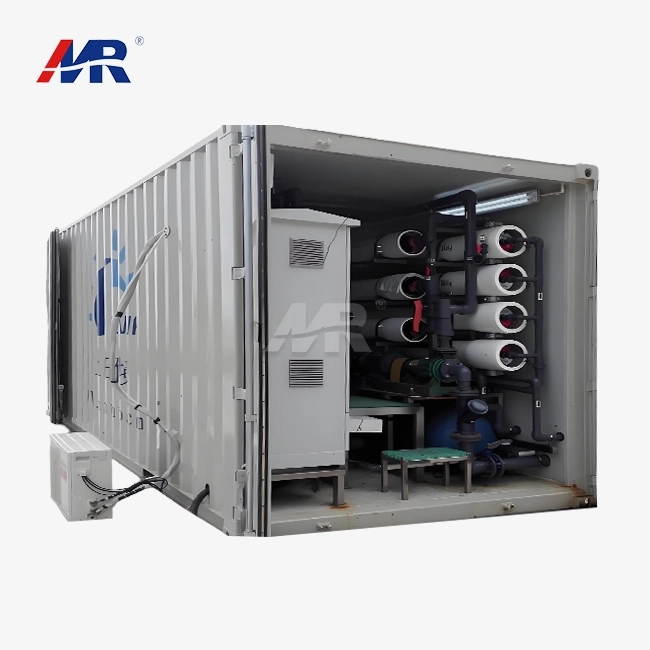 VIEW MOREcontainerized ro systems
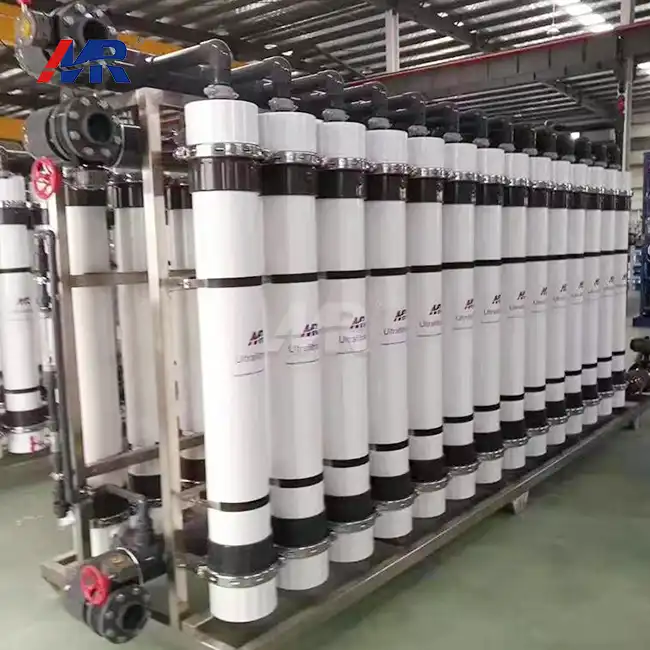 VIEW MORE70m3/hour ultrafiltration plant
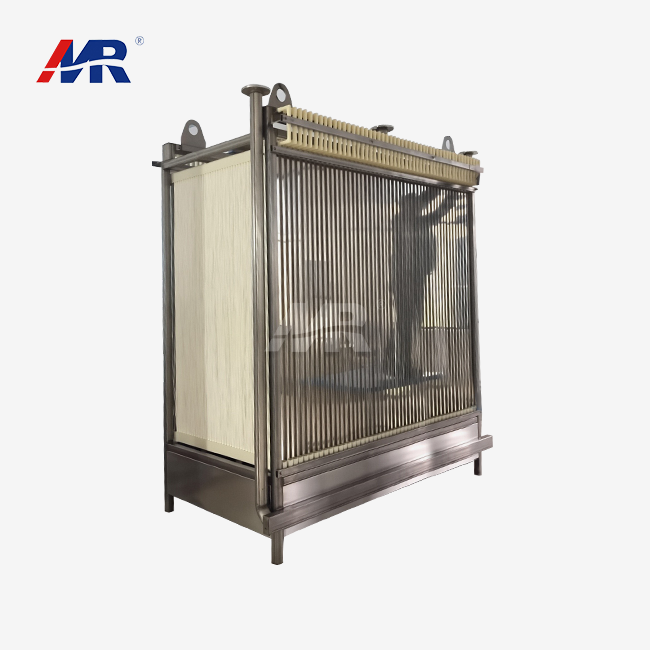 VIEW MOREsubmerged membrane bioreactor
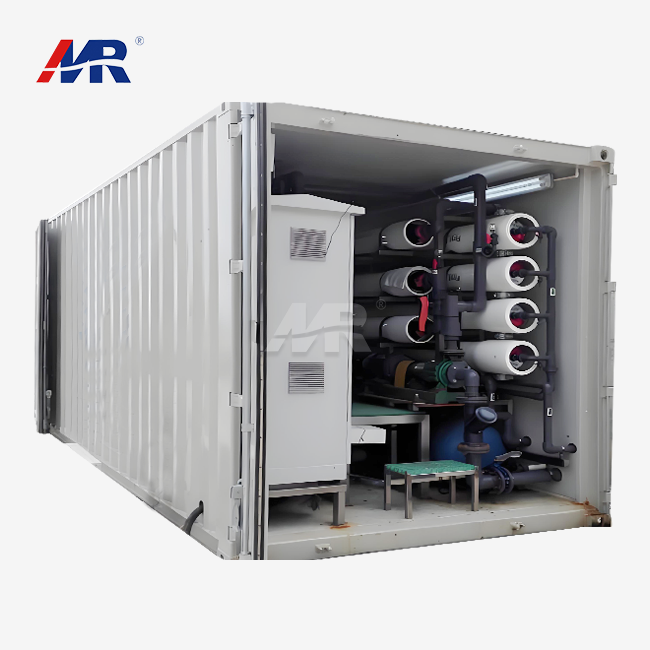 VIEW MOREcontainer seawater desalination equipment
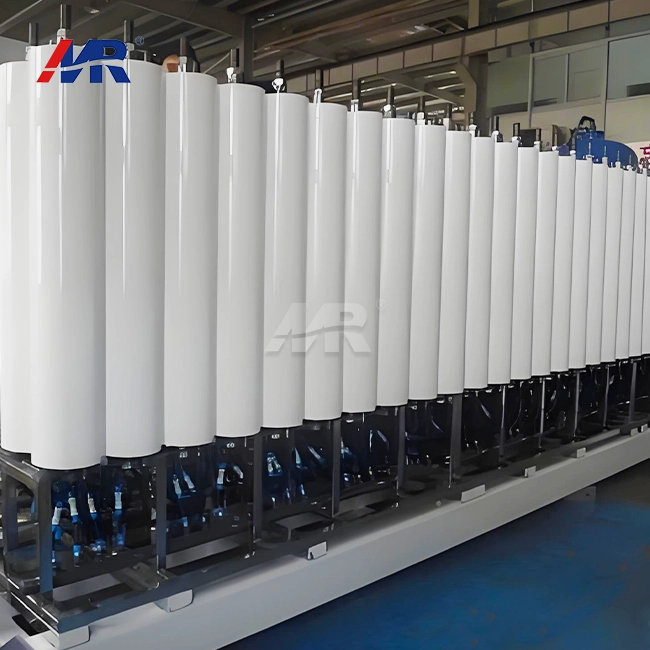 VIEW MORELandfill Leachate Treatment System
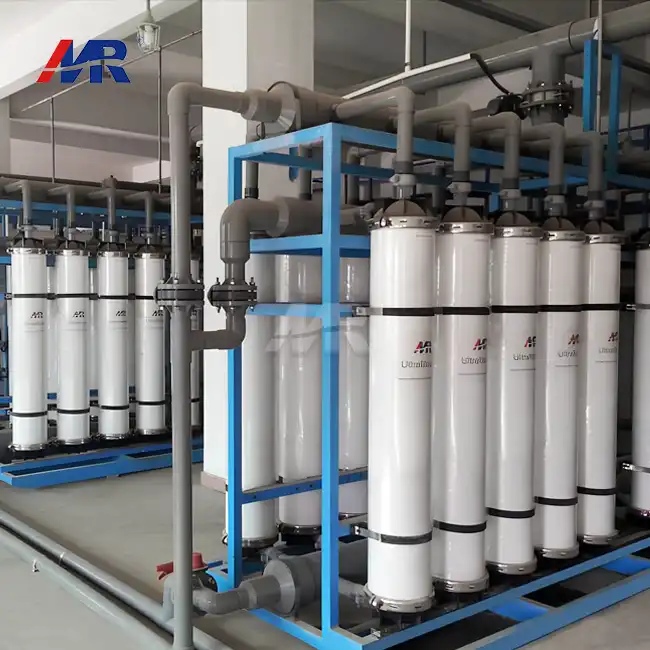 VIEW MORE20m3/hour ultrafiltration equipment
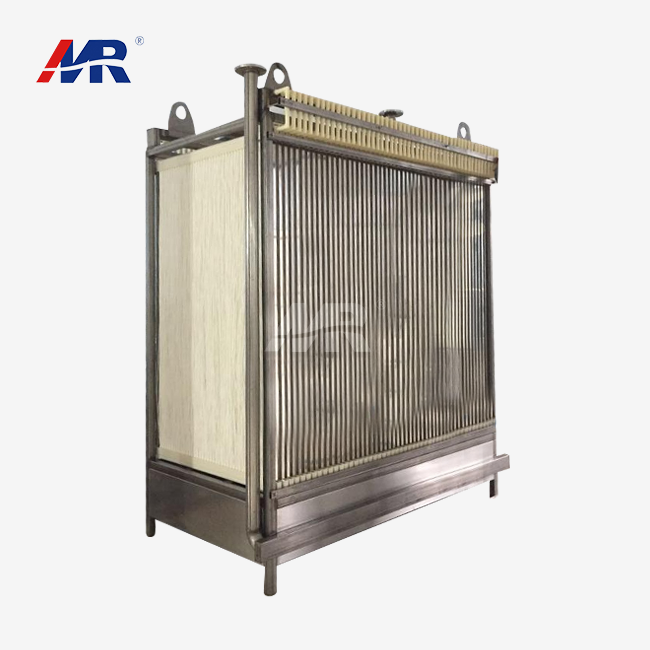 VIEW MOREmembrane bioreactor mbr
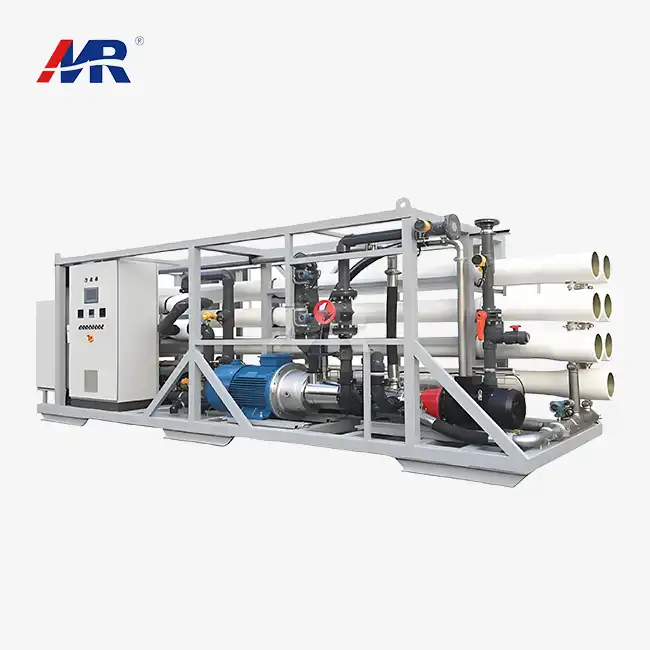 VIEW MORE20m3/hour seawater desalination equipment
