

_1745823981883.webp)

Commercial Water Treatment Solutions: Choosing the Right Reverse Osmosis Company for Your Business
When companies need to clean their water effectively, a commercial reverse osmosis system is the most important piece of equipment they can use. Choosing the right reverse osmosis company has a direct effect on how well your business runs, the quality of your Products, and your ability to follow the rules. To make the choice, they have to look at technical skills, business knowledge, and long-term support systems. Advanced RO technology is used by companies in manufacturing, food processing, pharmaceuticals, and public services to meet strict water quality standards and keep prices low.

Understanding Commercial Reverse Osmosis Systems
Through semi-permeable membrane filtering, commercial reverse osmosis technology removes contaminants from water in a very advanced way. High pressure is used in these devices to push water molecules through tiny membrane holes. Dissolved salts, chemicals, bacteria, and organic compounds are blocked. In the last ten years, the technology has changed a lot. These days, most liquid solids can be rejected by systems with rejection rates above 99%.
Core Components and Operation Process
By understanding the basic parts, companies can judge the quality and success of the system. Commercial RO systems are made up of a number of important parts that work together to consistently clean water.
At the start of the pre-treatment stage, sediment screens get rid of bigger particles, chlorine, and organic matter that could hurt membranes further down the line. Carbon filters are very important for lowering chlorine levels and gaseous chemical compounds that can damage membranes. The water then goes through the high-pressure pump system, which creates the force that the water molecules need to pass through the semipermeable barrier.
The pores in the reverse osmosis membrane, which are about 0.0001 microns in width, are the heart of the device. Only water molecules can pass through these tiny holes; dissolved salts, chemicals, and bacteria are blocked. The clean water, called permeate, either goes to a holding tank or straight to where it will be used, based on how the system is set up. Wastewater with a lot of contaminants is flushed out through a controlled drainage system that keeps the pressure and flow rates just right.
Performance Benefits and Applications
Commercial reverse osmosis systems have benefits that can be measured and have a direct effect on how businesses run and the quality of their products. These benefits go beyond just cleaning water; they also include following the rules, saving money, and protecting the environment.
Less total dissolved solids, the absence of dangerous bacteria, and the absence of chemical contaminants all show right away that the water quality has improved. Food and drink companies say that using RO-treated water makes their products taste better and last longer. Pharmaceutical businesses meet the USP water guidelines that are needed to make drugs and medical devices. Ultrapure water is helpful for electronics makers because it keeps things clean while they make semiconductors and clean circuit boards.
Less chemical use, less machine upkeep, and better energy efficiency all lead to lower operational costs for reverse osmosis companies. RO systems get rid of the need for expensive chemical agents and keep equipment further downstream from scaling up or rusting. There are benefits for the environment, such as less water waste and chemical release into wastewater systems compared to standard cleaning methods.
Comparing Commercial Reverse Osmosis Systems—Making Informed Decisions
Before you can compare different water cleaning methods, you need to know what their strengths and weaknesses are in different working situations. When looking at how well they remove contaminants, how much they cost to run, and how reliable they are, commercial RO systems are clearly better than other ways to clean water.
Technology Comparison Analysis
Several important performance measures stand out when you compare reverse osmosis to ultrafiltration, distillation, and other common filtration methods. Ultrafiltration membranes in RO systems are very good at getting rid of chemicals and salts that have been dissolved in water. Distillation can get to the same level of purity, but RO systems use a lot less energy and need to be serviced less often.
Ultrafiltration systems get rid of germs and bigger molecules, but they can't get rid of salts that have been dissolved in water or small chemical compounds. Because of this, UF systems are good for pre-treatment but not good enough for businesses that need very pure water. Activated carbon and sand filters are two common types of filters that can clear some chemicals and particulates, but they can't get rid of all contaminants like RO technology can.
Capacity and Scalability Considerations
When planning for system capability, you have to look at both the current and expected water needs. There are commercial RO systems that can handle anywhere from 100 liters per hour for small businesses to thousands of gallons per minute for big factories.
Businesses that need movable or scalable options can benefit a lot from containerized RO systems. You can quickly set up these self-contained pieces and move them around as needed. The flexible design lets businesses gradually increase their capacity instead of buying systems that are too big for their current needs.
The membrane's life depends on the quality of the feed water and how it is used, but in industrial settings, it usually lasts between two and five years. Performance tracking systems keep an eye on important measures like permeate flow rate, rejection efficiency, and pressure differentials to find the best time for replacement and cut down on unplanned downtime.
Choosing the Right Commercial Reverse Osmosis Company for Your Business
When looking for a reliable RO system provider, you need to look at a number of factors that affect both short-term performance and long-term operating success. The decision includes more than just buying equipment. It also includes ongoing support, technical help, and understanding of the business.
Supplier Evaluation Criteria
Product quality, which includes component specs, manufacturing standards, and performance Certifications, is the most important factor in choosing a seller. Suppliers with a good reputation back up their claims about system performance with thorough technical paperwork, test results from a third party, and industry certifications.
Customization lets providers make a commercial reverse osmosis system fit the needs of specific operations and the limitations of the place. As part of this, pre-treatment configurations must be changed, capacity factors must be adjusted, and specialized tracking tools must be added. Companies gain from providers who know the specific problems and rules that their industry faces.
After-sales support encompasses technical assistance, maintenance services, and parts availability throughout the system lifecycle. When there are problems with operations, suppliers with local service networks can act quickly and do repairs on-site when needed. Training programs for operating staff make sure that the system is managed correctly and that problems are found quickly.
Industry Experience and Track Record
Suppliers that have been around for a while have experience with a wide range of uses and working conditions. Their list of completed projects shows that they can handle complicated setups and find creative solutions to unusual technology problems. Testimonials and case studies from clients can help you figure out how well a provider is doing and how happy their customers are.
A supplier's ability to come up with new technologies shows how dedicated they are to improving RO technology and meeting the needs of new markets. Suppliers that do a lot of research and development often come up with better membrane materials, designs that use less energy, and more advanced tracking systems that are good for their customers.
Integrating Your RO System—Installation, Parts, and Ongoing Support
Professional installation and full support services improve system efficiency and keep operations running smoothly as much as possible. These services include getting the place ready, setting up the system, training the operator, and ongoing help for maintenance.
Installation and Commissioning Services
For an installation to go smoothly, the site must be prepared, utilities must be connected, and the system must be able to work with the current infrastructure. Professional installation teams check the site's conditions, make sure that the utility specs are correct, and make sure that all local rules and codes are followed.
System commissioning includes checking all of its parts, making sure that tracking equipment is set up correctly, and making sure that performance specs are met. Before handing over the system to operations staff, this process includes preparing the membranes, testing the pressure, and checking the water quality to make sure it meets the design guidelines.
Maintenance and Parts Support
Having access to original new parts and consumables keeps the guarantee valid and makes sure the system works well. Suppliers with large parts stocks can cut down on downtime by delivering parts quickly and providing expert support.
By cleaning, inspecting, and replacing parts regularly, preventive maintenance programs help systems work better, and membranes last longer. Often, these programs have remote tracking features that let sellers know about problems before they affect operations.
Training programs equip operational staff of reverse osmosis companies with the knowledge and skills necessary for proper system management. Routine repair processes, troubleshooting methods, and safety rules that protect both people and equipment are all covered in full training.
Conclusion
To find the best industrial reverse osmosis company, you need to carefully consider their technical skills, knowledge in the field, and the support services they offer that fit your business's needs. The choice will have an effect on the quality of the water, the prices of running your business, and your ability to follow the rules. Quality providers offer unique solutions, full help, and track records that make long-term partnerships a good idea. Businesses can get water cleaning options that work well and save money for a long time by focusing on the supplier's knowledge, the system's dependability, and the ability to provide ongoing support.
FAQ
Q1: What maintenance is required for commercial reverse osmosis systems?
As part of regular care, the membrane should be cleaned every three to six months, the filter should be replaced as directed by the maker, and the system's pressures and flow rates should be checked regularly. Every year, pumps, valves, and control systems should be inspected by a professional service. With regular upkeep, the barrier will last longer, and the water quality stay the same.
Q2: How do commercial RO systems compare to other water treatment methods in terms of cost-effectiveness?
Most of the time, commercial RO systems are cheaper to run than distillation and ion exchange systems, and they remove more contaminants than regular filtering systems. The initial investment costs aren't too high, and the energy used is usually less than with heat treatment methods. A total cost of ownership study should look at how much the equipment costs, how much energy it uses, how much it costs to maintain, and how much it costs to replace the membrane.
Q3: How can I scale my RO system for future business growth?
Modular system designs let you add more membrane vessels or put multiple systems in parallel to increase the system's capacity. Containerized units give businesses that need to move locations a lot of freedom. Planners should think about how much water is needed now, how much will be needed in the future, and whether there is room for the system to grow. Suppliers can make systems that can be expanded without having to be replaced completely in case future needs arise.
Partner with Morui for Advanced Commercial Water Treatment Solutions
Guangdong Morui Environmental Technology Co., Ltd. has been providing complete water treatment options to a wide range of businesses for more than 14 years. Our qualifications as a commercial reverse osmosis system maker include advanced membrane production facilities, skilled engineering teams, and large service networks that reach across many areas. With more than 500 workers and 20 expert engineers, we offer custom RO systems, full installation services, and ongoing Technical support to make sure your system works at its best for as long as it's in use. Quality and dependability are guaranteed by our relationships with top component providers such as Shimge Water Pumps and Runxin Valves. Email our technical team at benson@guangdongmorui.com to talk about your unique water treatment needs and get a full quote for a system.
References
1. Water Quality Association. "Commercial Reverse Osmosis Systems: Performance Standards and Industry Guidelines." WQA Technical Bulletin Series, 2023.
2. American Water Works Association. "Membrane Technology in Water Treatment: Applications and Best Practices." AWWA Manual M53, Fourth Edition, 2022.
3. International Desalination Association. "Industrial Water Treatment Technologies: Comparative Analysis and Selection Criteria." IDA Technical Report Series, 2023.
4. National Sanitation Foundation International. "Commercial Water Treatment Equipment: Certification Standards and Performance Verification." NSF/ANSI Standard 58, 2022.
5. Environmental Protection Agency. "Industrial Water Reuse and Recycling: Technologies and Regulatory Framework." EPA Office of Water Publication, 2023.
6. Water Environment Federation. "Commercial Water Treatment Systems: Design, Operation, and Maintenance Guidelines." WEF Technical Practice Manual, 2022.
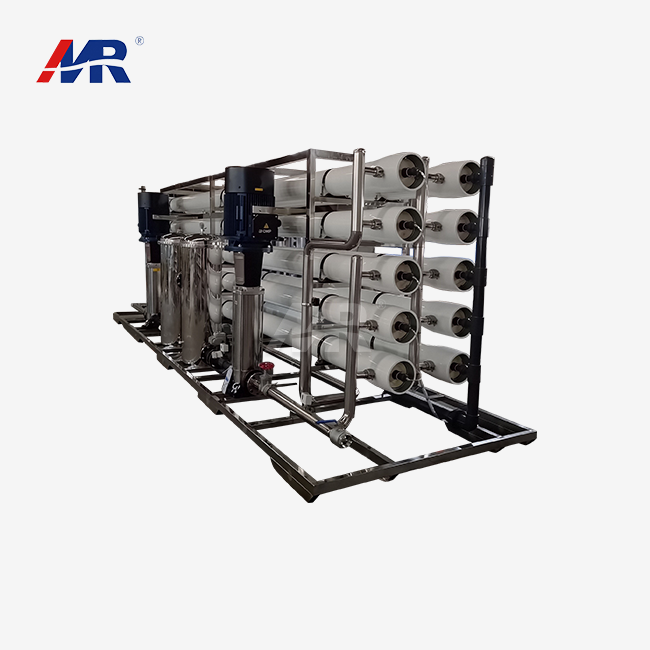 VIEW MORE2 stage reverse osmosis system
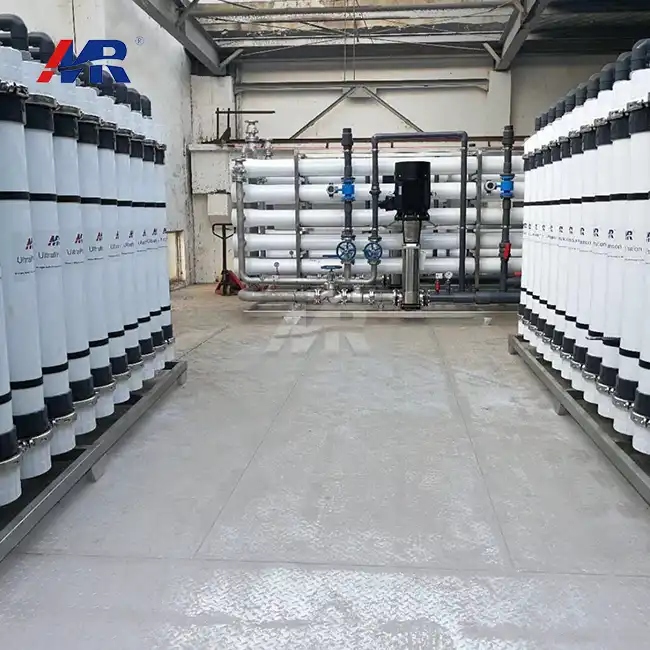 VIEW MORE2000m3/day ultrafiltration equipment
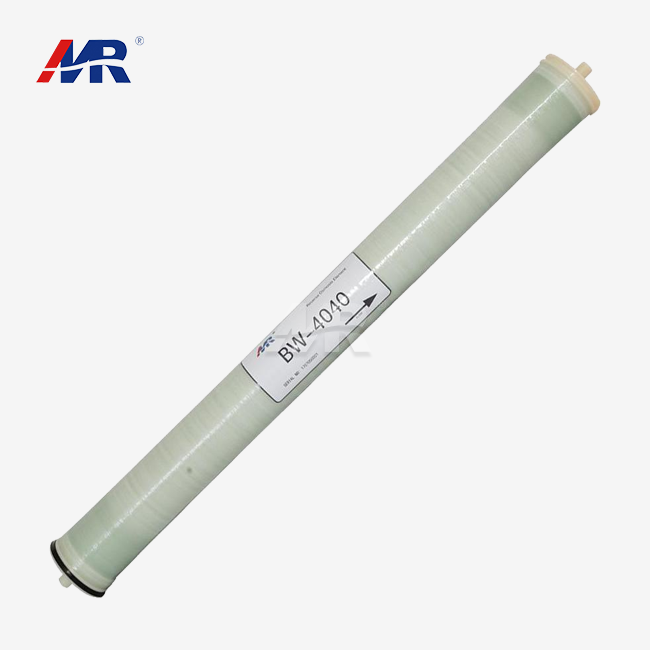 VIEW MORE4040 reverse osmosis membrane
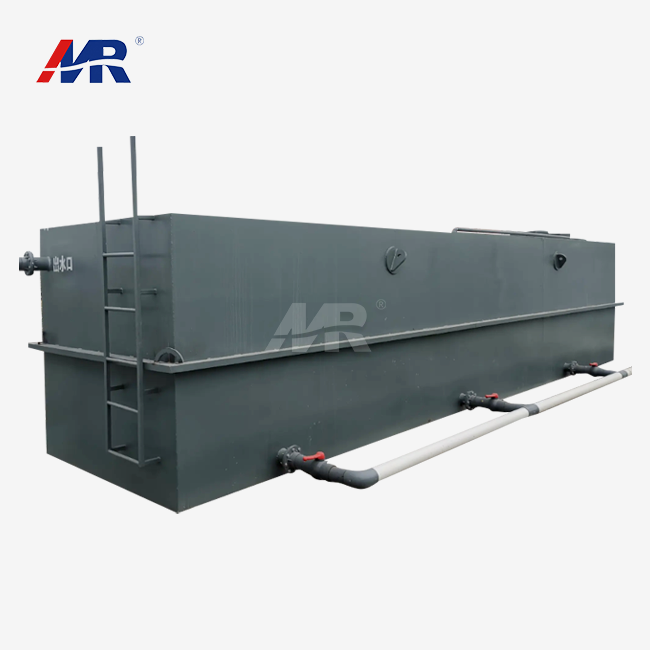 VIEW MOREdomestic wastewater treatment plant
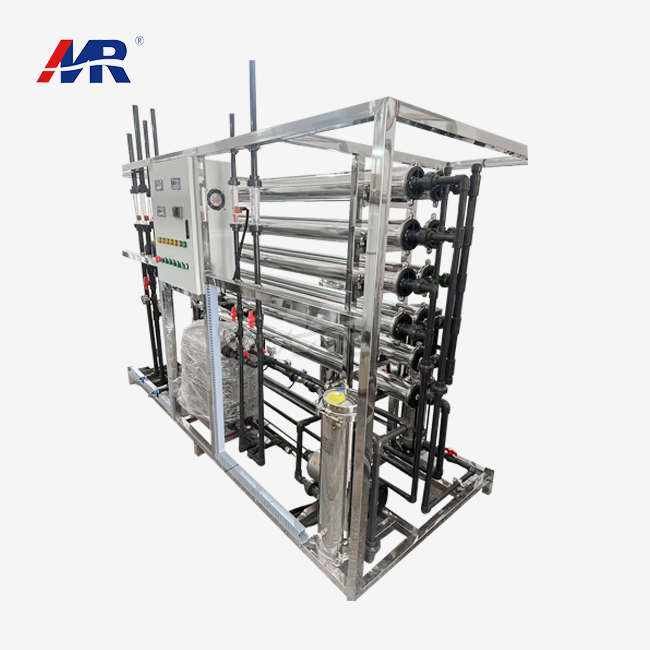 VIEW MOREedi system in water treatment
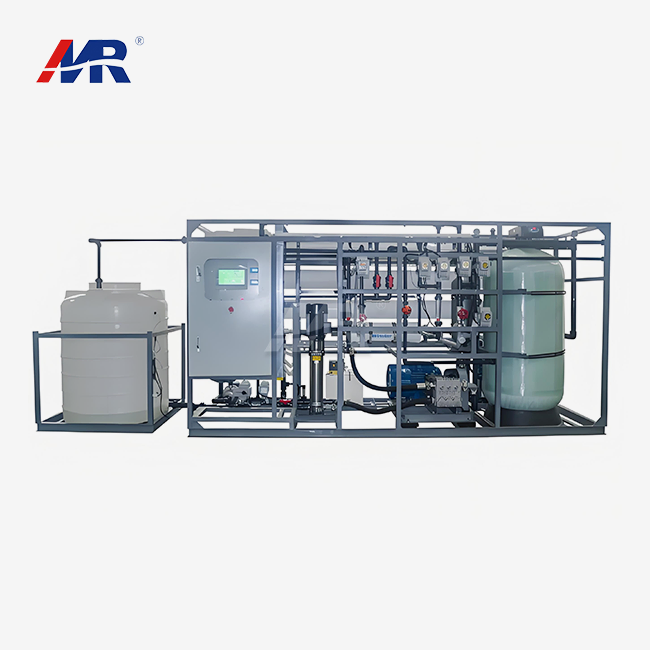 VIEW MOREseawater treatment system
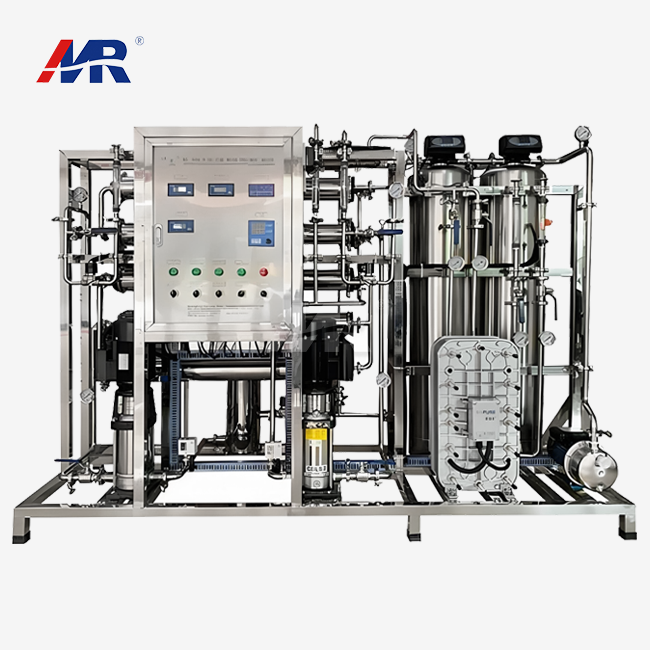 VIEW MOREElectrodeionization system
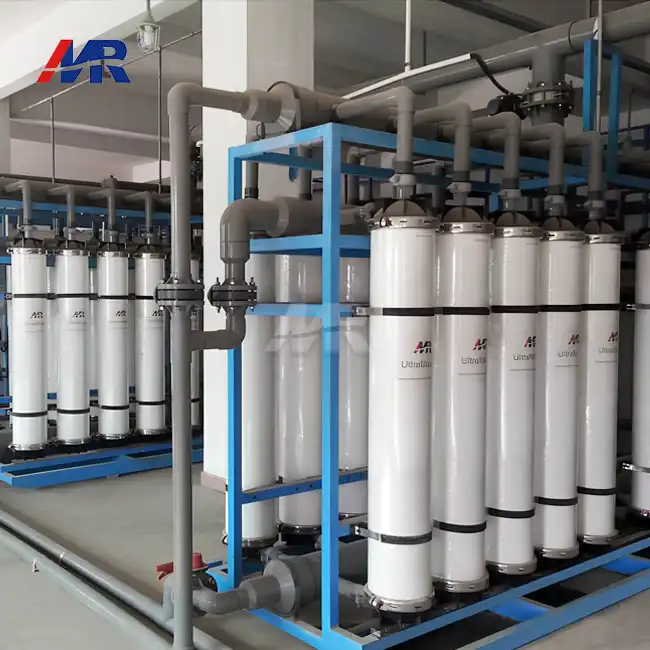 VIEW MORE200m3/hour ultrafiltration equipment
