_1745823981883.webp)

Sustainable Wastewater Treatment Using Reverse Osmosis: Benefits and Innovations
More and more, modern businesses are being pushed to use environmentally friendly methods, especially when it comes to dealing with garbage. A reverse osmosis system stands out as a game-changing option that can clean up commercial wastewater more efficiently than any other method while also helping to protect the environment. These modern membrane-based technologies get rid of up to 99% of contaminants, which lets water be used again and has a much smaller effect on the environment. Innovative improvements in energy recovery and smart tracking make RO technology a great choice for businesses that care about both running their business well and being environmentally friendly.

Understanding Reverse Osmosis Systems in Wastewater Treatment
Reverse osmosis technology is a big step forward in environmentally friendly wastewater treatment. It gives businesses an effective way to clean up polluted water using modern membrane filtering. Reverse osmosis systems are different from other ways of treating water because they use semi-permeable filters that work at the molecular level. This lets a lot of water be reused and protects the environment.
Fundamental Principles of RO Technology
A key part of reverse osmosis is providing pressure to move water molecules through very small membrane holes (about 0.0001 microns). The process works well to separate clean water from salts, heavy metals, organic molecules, bacteria, and other substances that dissolve in water. Only clean water molecules can pass through the membrane. Any contaminants that try to get through are flushed away as concentrated brine.
This fine filter feature is useful for treating wastewater in industrial settings, especially in manufacturing fields where water quality directly affects the quality of the Products being made. Pharmaceutical and semiconductor manufacturing are two examples of businesses that need regular water quality standards. This technology is very useful for those industries.
Key System Components and Their Functions
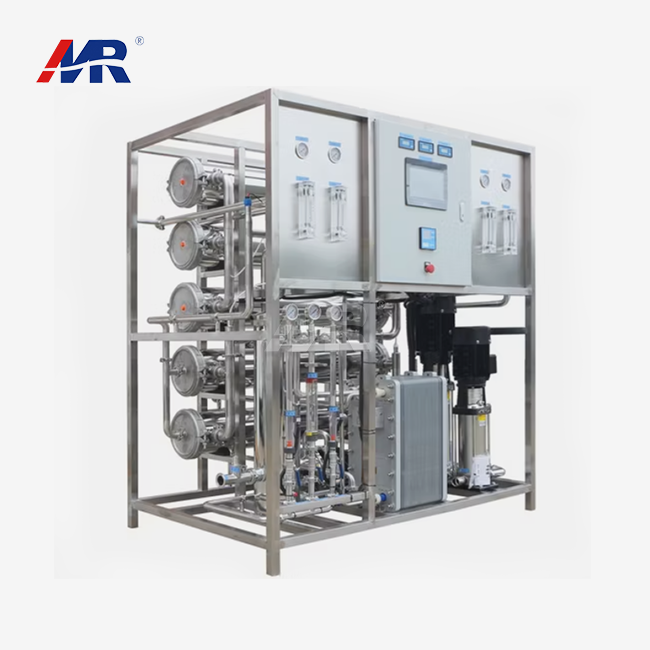
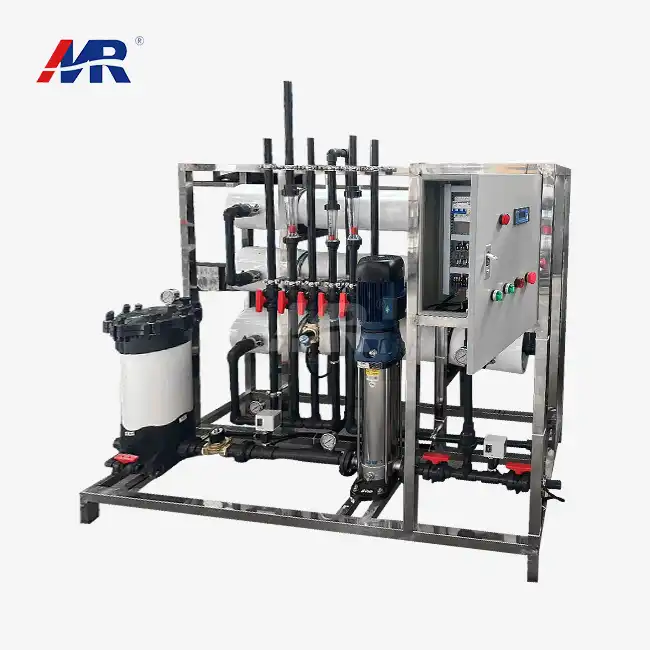
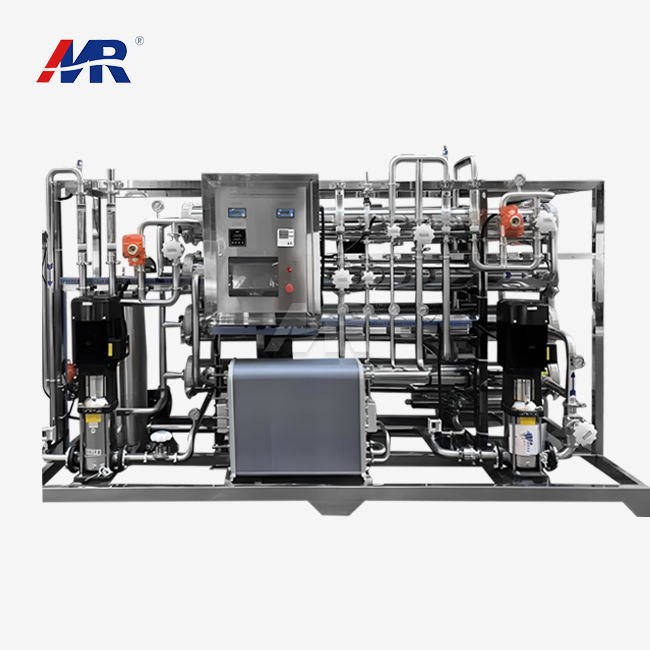
Modern RO systems have a number of important parts that work together to get the best cleaning results. Knowing about these parts helps people who work in buying make smart choices about system requirements and expected performance.
In the pre-filtration step, sediment filters get rid of things like dirt and sand, which keeps the membranes from getting damaged and extends the life of the system. Carbon filters get rid of chlorine and volatile chemical molecules that could damage the membrane. These steps for pre-treatment are necessary to keep the system running smoothly and lower the costs of running it.
Another important part is the high-pressure pumps, which provide the force needed to push water through the membrane against the natural osmotic pressure. Modern pumps use variable frequency drives to save energy, which means they use less electricity while still producing the same level of work.
Benefits for Industrial Applications
RO technology has measured benefits that have a direct effect on how well operations run and how well they follow environmental rules. When companies use these methods, they report big drops in how much freshwater they use and how much garbage they dump.
The excellent ability to remove contaminants makes it possible for a lot of water to be recycled in industrial processes. Depending on quality standards, factories can use cleaned water for cooling systems, cleaning, and even production processes again and again. This circular method lowers both the cost of getting water and the cost of dumping waste into the earth.
Savings on operational costs go beyond water costs. Compared to other cleaning methods, reverse osmosis systems need fewer chemical agents, which lowers the risks of handling and storage. The automated system cuts down on worker costs while keeping the water quality at a level that meets government guidelines.
Innovations Driving Reverse Osmosis Efficiency and Sustainability
New technologies have completely changed how RO systems work, making them more energy-efficient and better for the earth. These new ideas get around some of the problems that have been around for a long time while also making commercial water control more flexible.
Advanced Membrane Technologies
The main goals of modern membrane development are to make them less likely to get dirty and let more fluid through. Nanotechnology is used in new membrane materials to make surfaces that don't allow organic growth or scaling. This means that cleaning can be done more often, and upkeep needs are lower.
Thin-film hybrid membranes can now better get rid of certain contaminants, such as medicinal chemicals and heavy metals. With these special barriers, businesses can stay in business and follow stricter environmental rules at the same time.
The creation of forward osmosis and pressure-retarded osmosis filters has made it possible to treat more types of difficult trash. These other methods can handle brines with a lot of salt and concentrated industrial wastewater that reverse osmosis systems have trouble handling well.
Integration with Complementary Treatment Systems
Modern methods for treating wastewater use RO technology along with other cutting-edge methods to get the best results while having the least amount of damage to the environment. This unified method generates synergies that make the whole system work better.
UV cleaning systems and RO technology work together to get rid of germs and break down organic compounds that membranes can't handle on their own. This mixture makes sure that the water is fully treated and meets the highest standards for recovery.
Electrochemical oxidation can break down complex organic molecules in difficult industrial waste streams before RO treatment. This way of preparation makes the system more reliable generally and extends the life of the membrane.
Smart Monitoring and Automation Features
AI and the Internet of Things (IoT) have changed how RO systems are operated and maintained. Smart monitoring systems keep an eye on performance factors all the time and can tell when repair is needed before problems affect how well the system works.
Real-time data analytics automatically improve operating conditions by changing cleaning processes, pressure, and flow rates based on the quality of the feed water and how well the system is working. This improvement cuts down on energy use while keeping the quality of the result constant.
Predictive maintenance programs look at trend data to figure out the best times to change parts and clean them. This method cuts down on unexpected downtime and lowers upkeep costs by making better use of planning and resources.
Critical Considerations for Choosing and Installing Reverse Osmosis Systems
To choose the right RO system, you need to carefully consider a number of things that affect performance and return on investment over the long term. Knowing about these things can help make sure that the system is set up and runs well.
Comparing RO with Alternative Treatment Methods
When looking at different ways to treat water, RO technology has clear benefits over older methods. Unlike chemical treatments, RO works the same way every time, even if the quality of the water coming in changes. This makes it perfect for industrial uses where the waste stream has different properties.
Membrane bioreactors need a lot of biological control and can have trouble with toxic industrial chemicals. Reverse osmosis systems are good at dealing with these difficult waste streams and can treat them reliably even when biological processes fail.
Evaporation and thermal cleaning use a lot of energy and create garbage streams that are more concentrated and need more removal. RO technology gets back water that can be used while also making brine that can usually be safely disposed of or treated further.
Point-of-Use versus Whole-Facility Systems
Whether a facility uses a centralized system or a localized system for treatment relies on its structure, the type of trash it produces, and its working needs. Whole-facility systems are better for bigger businesses because they save money by using less energy and can target specific sources of pollution.
Point-of-use apps are a good way to clean up certain process lines that have particular contamination patterns. Pharmaceutical plants often have separate RO systems for each line of production. This makes sure that each line gets water that meets its own quality standards.
When dealing with similar trash streams from several sources, whole-facility methods work best. Centralized treatment that handles combined process waters effectively and provides uniform quality across all uses is good for food and drink businesses.
Installation and Maintenance Requirements
When something is installed correctly, it will work reliably for a long time. When you prepare a site, you need to make sure there is enough room, good air flow, and easy entry for upkeep tasks. Electrical needs include the right power source and control systems that can work with the building's current infrastructure.
Professional installation makes sure that the system works at its best and that the guarantee is valid. Technicians with a lot of experience know how important it is to carefully set and calibrate machines so that they work well for a long time.
Scheduled repair keeps the system running smoothly and extends the life of its parts. Cleaning the membranes depends on the quality of the feed water and how the system is being used, but it's usually done every month to three months. The right choice of chemicals and cleaning methods can keep membranes working at their best and avoid damage that can't be fixed.
Sustainable Procurement and Commercial Use of Reverse Osmosis Systems
When buying RO systems strategically, you need to look at providers' technical skills, customer service, and the chance of forming a long-term relationship. Knowing how the market works and what suppliers do well lets you make smart buying decisions that last.
Evaluating Leading System Manufacturers
There are a number of makers of RO technology with a track record of success in industrial settings. Suppliers that are successful consistently come up with new ideas, make sure their products are of good quality, and offer a wide range of support services that help customers succeed.
Major companies put a lot of money into research and development to keep making membrane technology and system design better. These new ideas lead to better performance, lower running costs, and more environmental benefits for people who use them.
Quality licenses and industry approvals show that a company is dedicated to doing a great job. ISO 9001 quality control systems and NSF Certifications show that strict rules are followed to make sure that products are reliable and work consistently.
Cost-Effectiveness Analysis and Total Cost of Ownership
Knowing how all the costs work together helps procurement workers make choices that are good for their budgets. The initial cost of the tools is only one part of the total costs of owning the system over its lifetime.
Costs of doing business include things like using power, replacing membranes, using chemicals, and paying people to do upkeep. Modern systems that use less energy have better pump efficiency and energy return devices that cut down on power costs by a large amount.
Savings on water and lower dumping fees often cover working costs, making the business profitable within the first year of operation. Industries that have to deal with high water costs or strict rules on waste make the most money when they use RO.
Supplier Evaluation and Partnership Development
To successfully set up a reverse osmosis system, you need to have strong ties with your suppliers that go beyond just delivering the tools. Technical knowledge, the ability to provide help locally, and financial health should all be taken into account when evaluating a company.
Respondent technical help keeps operations running smoothly and makes sure that any speed problems are fixed quickly. Local service cuts down on reaction times and travel costs by making people more familiar with the rules and laws in their area.
Long-term operational success is affected by training programs and the level of documentation. Customers can get the most out of their systems' performance and dependability from suppliers who offer thorough operator training and detailed repair processes.
Conclusion
Reverse osmosis technology for sustainable wastewater treatment has been shown to help businesses be more environmentally friendly and run more efficiently. When you put together advanced membrane technology, new ways to save energy, and smart tracking systems, you get strong value offers for forward-thinking businesses. Because regulations are always changing and there are worries about running out of water, RO systems are the technology that makes industrial processes sustainable. When businesses strategically install these systems with the help of experienced partners like Morui, they can meet environmental standards and gain big practical benefits by reusing water and producing less trash.
FAQ
Q1: How often do industrial RO membranes require replacement?
How long an industrial ro membrane lasts relies on the quality of the feed water, how it is used, and how often it is maintained. If you keep your system in good shape, the membrane should last between 3 and 5 years, and in some Cases, it can last longer than 7 years. Regular cleaning and the right preparation greatly increase the life of membranes while keeping them working at their best.
Q2: What energy consumption can be expected from large-scale RO systems?
Modern RO systems in factories use about 3 to 4 kWh of electricity for every thousand gallons of cleaned water. Energy recovery devices can cut energy use by 30 to 40 percent, which makes large-scale systems much more energy-efficient than other treatment methods.
Q3: How does RO system performance vary with different industrial waste streams?
RO technology works well with a variety of industrial wastewater, but for the best performance, it needs to be properly pretreated. Streams with a lot of fouling may need to be cleaned more often, and streams that are acidic need special barrier materials. These problems can be solved by designing the system correctly.
Partner with Morui for Advanced Water Treatment Solutions
Morui's proven reverse osmosis system options can change the way you handle garbage. Our all-around method uses cutting-edge membrane technology along with expert mechanical help to create long-lasting treatment systems that work better than expected. As one of the biggest companies that makes reverse osmosis systems, we take care of the whole project, from planning to installation and ongoing support. Email our expert team at benson@guangdongmorui.com to talk about your unique needs and find out how our cutting-edge solutions can help you run your business more efficiently while still following environmental rules.
References
1. Greenlee, L.F., Lawler, D.F., Freeman, B.D., Marrot, B., & Moulin, P. (2009). Reverse osmosis desalination: Water sources, technology, and today's challenges. Water Research, 43(9), 2317-2348.
2. Fritzmann, C., L枚wenberg, J., Wintgens, T., & Melin, T. (2007). State-of-the-art of reverse osmosis desalination. Desalination, 216(1-3), 1-76.
3. Shannon, M.A., Bohn, P.W., Elimelech, M., Georgiadis, J.G., Mari帽as, B.J., & Mayes, A.M. (2008). Science and technology for water purification in the coming decades. Nature, 452(7185), 301-310.
4. Elimelech, M., & Phillip, W.A. (2011). The future of seawater desalination: Energy, technology, and the environment. Science, 333(6043), 712-717.
5. Lee, K.P., Arnot, T.C., & Mattia, D. (2011). A review of reverse osmosis membrane materials for desalination development to date and future potential. Journal of Membrane Science, 370(1-2), 1-22.
6. Werber, J.R., Osuji, C.O., & Elimelech, M. (2016). Materials for next-generation desalination and water purification membranes. Nature Reviews Materials, 1(5), 1-15.