

_1745823981883.webp)

Achieving Zero Liquid Discharge with Reverse Osmosis Technology: Industrial Applications
With the development of new treatment methods, industrial wastewater handling has changed a great deal. Zero Liquid Discharge (ZLD) systems are a new way to treat wastewater that doesn't release any liquid trash and saves as much water as possible. When these complete Zero Liquid Discharge System options are combined with reverse osmosis technology, they give businesses efficient and low-cost ways to meet strict environmental rules while also cutting costs. When RO technology and ZLD processes are used together, facilities can collect up to 95% of the treated water and turn the rest of the trash into solid leftovers that can be thrown away safely or used again.

Understanding Zero Liquid Discharge and Its Industrial Relevance
Fundamental Principles of ZLD Technology
The idea behind Zero Liquid Discharge technology is to collect all of the wastewater so that no liquid trash leaves the treatment plant. To get the most water back, the system combines several cleaning steps, such as preparation, membrane separation, evaporation, and crystallization. Each part is very important for getting rid of different kinds of pollutants, from dissolved minerals to solids that are floating in water.
The first step is mechanical filtering, which gets rid of big particles and solids that are floating in the fluid. After that, chemical cleaning changes the pH levels and separates the heavy metals. After being cleaned, the water goes through membrane systems, which use reverse osmosis to get rid of the salts and chemical molecules that are dissolved in the water. The concentrated brine from RO units is heated and treated, usually by evaporation or crystallization. This makes clean liquid and solid trash.
Key Components and Their Functions
Modern Zero Liquid Discharge Systems have many parts that work together to make them as reliable and efficient as possible. Incoming wastewater is treated in pretreatment units to keep membranes from getting dirty and equipment from breaking. Membrane bioreactors improve biological care while still taking up little space. Ultrafiltration membranes protect RO systems that come after them even more.
Putting these parts together creates a synergistic effect that makes the whole system work better. Up to 99% of dissolved contaminants are removed by reverse osmosis membranes, which are the main type of separation technology used. The concentrated streams are handled by thermal treatment units, which make sure that all the water is recovered while making manageable amounts of solid trash.
Industrial Benefits and Regulatory Compliance
Industries that use ZLD technology get a lot of practical benefits that go beyond following the rules. Reusing water makes us less reliant on natural sources, which is especially helpful in places where water is scarce. Costs go down over time because it costs less to get water and less to get rid of garbage. Many sites say that their general water use dropped by 60–80% after ZLD was put in place.
Environmental compliance is made easier when Zero Liquid Discharge Systems get rid of the need for discharge permits and the tracking duties that come with them. Industries that have to deal with stricter pollution limits find that ZLD technology gives them long-term legal security. The technology also helps companies with their green efforts, which boosts the image of the brand and builds trust among stakeholders.
Reverse Osmosis Technology in Zero Liquid Discharge Systems
Technical Mechanisms and Performance Characteristics
Semi-permeable screens are used in reverse osmosis to separate dissolved contaminants from water molecules. When pressure is put on a membrane, it pushes water through its pores while blocking bigger molecules and ions. This direct separation method gets rid of contaminants very well without using chemicals, which makes it perfect for many commercial uses.
The latest generations of ro membranes are much more durable and efficient than the older ones. Modern membrane materials don't get clogged and keep working well even when the feedwater conditions change. System settings can be changed to handle different types of contaminants while also getting the best energy use and recovery rates.
Integration Within Multi-Stage ZLD Processes
Putting RO technology in Zero Liquid Discharge Systems in a smart way makes the whole cleaning process more effective. RO units remove most of the dissolved solids. They are put in place after preparation but before heat concentration. This setup keeps recovery rates high while easing the load on equipment further downstream.
By using different pressure levels and recovery rates, multi-stage RO setups improve performance even more. The concentrate from the first RO step goes into the secondary units, which increases the total recovery while keeping the membranes intact. This sliding method makes the best use of both water recycling and energy use.
Comparative Advantages Over Alternative Methods
When compared to thermal-only ZLD methods, reverse osmosis technology has clear benefits. Most of the time, devices that use evaporation need 40–60% more energy per unit of cleaned water. RO-integrated ZLD systems are good for places with limited room because they require a much smaller physical footprint.
Because RO systems are flexible, they can add more capacity in small steps as production needs increase. Maintenance is easier for mechanical systems than for heat systems, which cuts down on both downtime and running costs. Also, RO technology easily adjusts to different types of feedwater without making big changes to how it works.
Industrial Applications of ZLD with Reverse Osmosis
Manufacturing and Chemical Processing Industries
The wastewater from chemical factories is very complicated. It has a lot of heavy metals, dissolved organics, and a lot of salt. The Zero Liquid Discharge System technology solves these problems by using customized cleaning routines that are good at getting rid of each type of contamination. Pharmaceutical companies gain the most from ZLD adoption because of the strict rules about discharge and the high value of the Products they make.
Another important field where RO-based Zero Liquid Discharge Systems work very well is the textile business. When a dye house works, it makes sludge that is very dirty and has different pH levels and amounts of dissolved solids. Integrated cleaning systems get back the process water and concentrate the dyes and chemicals so they can be safely thrown away or used again.
ZLD technology is used in electroplating plants to recover important metals that are in the rinse water streams. When RO concentration is combined with recovery methods, metal recycling can be used to make money while wastewater is completely treated. A lot of sites say that metal recycling helps to cover some of the costs of running ZLD.
Food and Beverage Industry Applications
Processing dairy products creates a lot of wastewater that has a lot of organic matter and minerals dissolved in it. For dairy uses, ZLD systems use biological treatment before RO systems to properly handle organic content. The reclaimed water passes standards for cleaning and processing, which means that a lot less freshwater is needed.
ZLD technology helps the beverage industry by controlling water quality consistently and having less of an effect on the environment. ZLD systems are used by breweries and soft drink makers to deal with cleaning chemicals and process waste while collecting high-quality water for use in later production cycles.
Power Generation and Energy Sector
Thermal power plants need a lot of water to cool down and make steam, and they also make concentrated blowdown streams. RO-based ZLD systems clean these streams well and get water back that can be used to make up cooling towers. When it comes to handling radioactive wastewater streams with full containment certainty, nuclear plants really like ZLD technology.
Using renewable energy sources in ZLD's processes makes the business more profitable and helps meet environmental goals. Solar thermal integration lowers the amount of energy that is needed for treatment while keeping the same level of performance in all kinds of weather.
Making Informed Decisions: Selecting the Right ZLD System with RO Technology
Performance Evaluation Criteria
To choose the best ZLD technology, you need to look at a lot of different performance factors. Water collection rates are usually between 90 and 98%, but they depend on the type of water used and how the system is set up. The speed of removing contaminants must match the needs of the industry and any possible uses for reusing water.
A study of energy use should look at both the electrical and thermal needs of a system under different working situations. Modern Zero Liquid Discharge Systems that include RO use 25 to 40 kWh per thousand gallons of cleaned water, which is a lot less than thermal-only systems. Facilities that have changing production plans and yearly changes in demand need to be able to operate with a lot of flexibility.
Cost Analysis and Economic Considerations
When evaluating a capital investment, the full cost of the system must be taken into account, including installation, setup, and integration costs. An operating cost study should estimate how much it will cost to repair the membrane, use chemicals, get energy, and keep the system in good shape over its entire life. Many sites get their money back in three to five years by saving money on water costs and waste costs.
Leasing and performance-based contracts are two types of financing choices that can be used instead of traditional capital purchases. These deals usually include support services and performance guarantees. This lowers management risks and keeps money for investments in the heart of the business.
Supplier Evaluation and Selection Process
A thorough review of all suppliers is necessary to make sure that the system works well and reliably over the long run. Technical expertise includes both the ability to create tools and training in a certain business. References from similar apps can tell you a lot about how well an application really works and how good the help is.
The ability to provide after-sales help has a big effect on the long-term success of an operation. Having local support staff, spare parts on hand, and the ability to watch systems from afar all make them more reliable and reduce the chance of downtime. Training programs for plant workers make sure that everything works right and that they know how to fix simple problems.
Implementation and Maintenance Best Practices for RO-Based ZLD Systems
Project Planning and Installation Considerations
For ZLD to be implemented successfully, the project needs to be carefully planned, including how to prepare the site, what utilities will be needed, and how to connect to existing infrastructure. To handle the loads of an RO pump and a heat treatment system, utilities often need to be upgraded to provide more power. Changes to the pipes that carry water and wastewater make sure that the systems work together properly while still allowing for operating freedom.
Different areas have very different rules about how to get permits, but in general, they involve environmental impact studies and building permits. Early involvement with regulatory authorities shortens the time it takes to get approvals and find possible compliance problems. Many sites benefit from phased application methods that keep output going while the work is being done.
Proactive Maintenance Strategies
Regular repair plans make sure that systems work at their best and that equipment lasts longer. Monitoring the efficiency of a membrane involves measuring things like salt rejection, flow rates, and pressure differences. Automated cleaning processes get rid of built-up deposits while keeping the membrane's structure.
Schedules for preventive maintenance take care of mechanical parts like pumps, valves, and instruments. Managing the inventory of spare parts makes sure that important parts are always accessible while keeping handling costs as low as possible. Keeping detailed records of maintenance helps with insurance claims and repairs.
Service Options and Support Arrangements
Professional repair contracts for Zero Liquid Discharge System offer specialized knowledge and guarantee consistent service quality. Remote tracking lets you plan maintenance ahead of time and quickly fix problems with operations. Performance promises in service contracts protect against unexpected cost rises and make sure that treatment goals are met.
Training programs for plant workers improve practical skills while lowering reliance on outside service providers. Complete reference packages help with both normal activities and what to do in an emergency. Regular performance reviews find ways to improve things while also making sure that rules are still being followed.
Conclusion
When Zero Liquid Discharge technology is combined with reverse osmosis systems, it gives businesses complete answers for managing wastewater problems. The mix gets very high rates of water recovery while also being completely eco-friendly in a wide range of business settings. To adopt something cost-effectively, you need to carefully choose the system, have it professionally installed, and plan for upkeep. Industries that use these technologies get big practical benefits, like lower water costs, easier compliance with regulations, and better green performance. This sets them up for long-term success in markets that care more and more about water.
FAQ
Q1: Which industries benefit most from RO-based ZLD systems?
Industries that use a lot of water and have to follow strict rules about how to release it are the ones that gain the most from ZLD adoption. Chemical manufacturing, pharmaceutical production, food processing, and cloth operations usually see quick paybacks because they save water and money on waste costs. Power plants and factories that make gadgets can also gain a lot from the technology's ability to make ultrapure water without releasing any liquid.
Q2: How does reverse osmosis technology improve ZLD efficiency?
Reverse osmosis is a very good step for concentration that cuts the work of heat treatment by 80–90%. This combination cuts energy use by a large amount while keeping water collection rates high. RO technology also gets rid of contaminants better than thermal-only systems, which means that higher-quality water can be recovered and used directly in many situations.
Q3: What factors influence ZLD system costs?
The main things that determine system prices are the amount of garbage, the type of contaminants, and the quality standards that are required for the water. If a facility has a lot of dissolved solids, it needs more preparation and bigger membrane grids. Location affects the cost of utilities and government rules, and the supply of local services affects ongoing costs.
Q4: How long do RO membranes last in ZLD applications?
In ZLD uses, RO membranes that are well taken care of usually work well for three to five years. How long a membrane lasts depends a lot on how well it was treated before it is cleaned. Advanced tracking systems let you plan when to change the membranes ahead of time and figure out the best cleaning schedules to make the equipment last longer.
Q5: What regulatory approvals are required for ZLD implementation?
Most of the time, ZLD systems need environmental permits that cover things like solid trash removal and air emissions from thermal treatment units. Construction permits cover changes to a building, and working permits set the rules for tracking and reporting. Getting involved with regulators early on speeds up the approval process and helps find possible compliance problems.
Partner with Morui for Advanced Zero Liquid Discharge Solutions
With our full range of Zero Liquid Discharge System options, Guangdong Morui Environmental Technology is ready to turn your industrial wastewater problems into competitive benefits. Our engineering team uses over 14 years of experience treating water, along with cutting-edge RO technology, to create unique systems that work better than expected. With more than 500 committed professionals in more than 20 engineering fields, we offer full project lifecycle support, from the initial planning phase to ongoing upkeep. As a top Zero Liquid Discharge System provider, we make our own membrane parts and work with leaders in the field, such as Shimge Water Pumps and Runxin Valves, to make sure that our systems are very reliable. Email our technical experts at benson@guangdongmorui.com to talk about your unique needs and find out how our cutting-edge solutions can help you improve your water management strategy while still following the rules.
References
1. Panagopoulos, A. (2022). Zero Liquid Discharge Systems for Industrial Wastewater Treatment: Design Principles and Performance Analysis. Journal of Environmental Chemical Engineering, 10(3), 1-15.
2. Ahmed, M. and Shayya, W.H. (2021). Reverse Osmosis Integration in Zero Liquid Discharge Applications: Technical and Economic Assessment. Desalination and Water Treatment, 218, 45-62.
3. Kumar, R.N. and Sharma, P. (2023). Industrial Applications of Membrane-Based Zero Liquid Discharge Systems: A Comprehensive Review. Water Resources and Industry, 29, 112-128.
4. Chen, L. and Wang, S. (2022). Energy Optimization in Reverse Osmosis-Based Zero Liquid Discharge Systems for Chemical Industry Applications. Industrial Engineering Chemistry Research, 61(8), 3245-3259.
5. Martinez, J.A. and Thompson, K.L. (2021). Economic Evaluation of Zero Liquid Discharge Technologies in Manufacturing Industries. Water Environment Research, 93(4), 567-582.
6. Patel, S.K. and Anderson, R.M. (2023). Operational Performance of Integrated RO-ZLD Systems: Case Studies from Pharmaceutical Manufacturing. Process Safety and Environmental Protection, 171, 234-248.
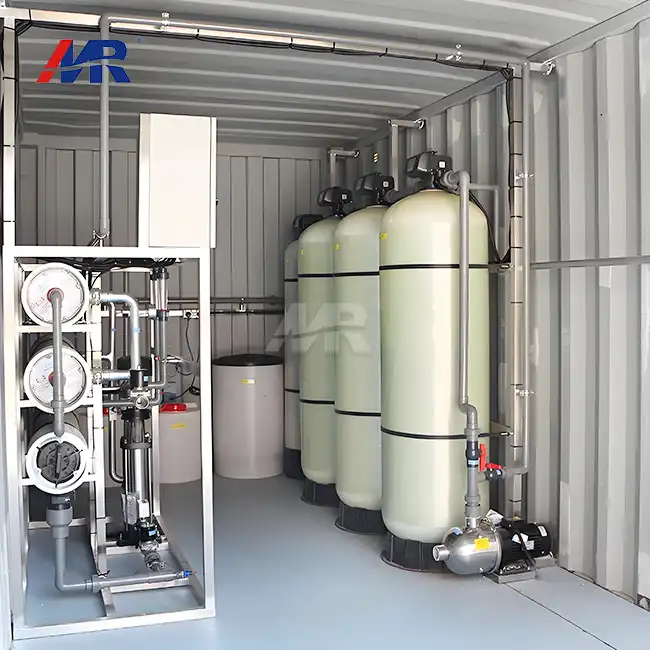 VIEW MOREcontainer type 3m3/hour RO equipment
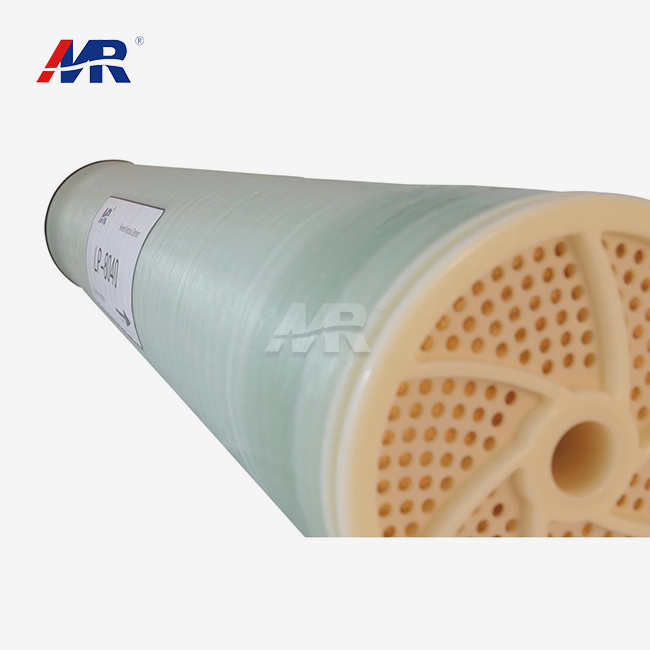 VIEW MOREmembrane used for reverse osmosis
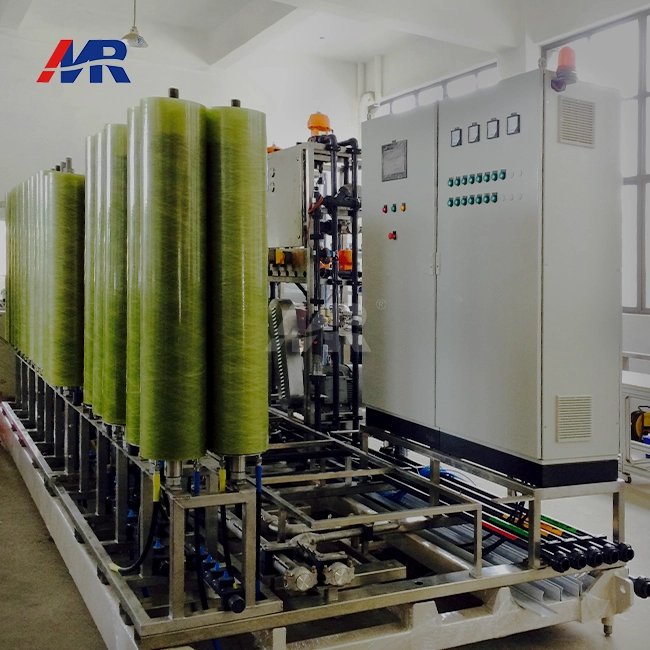 VIEW MOREDTRO Elements
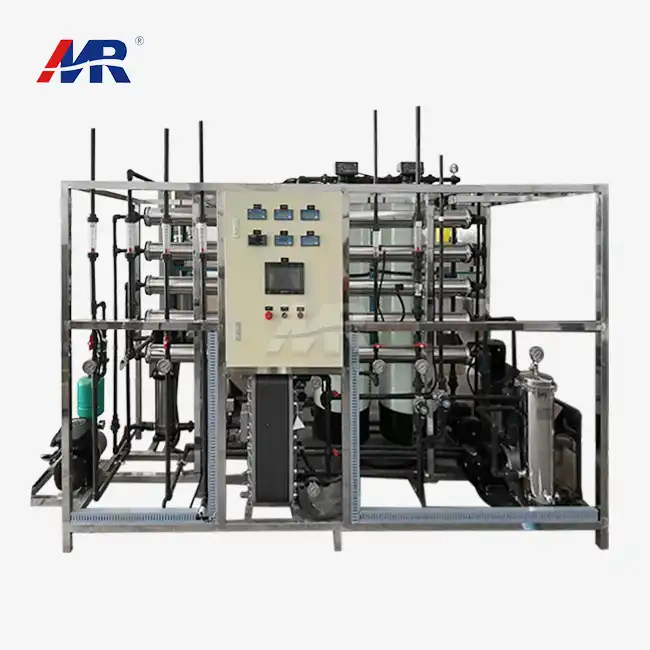 VIEW MOREedi water purification system
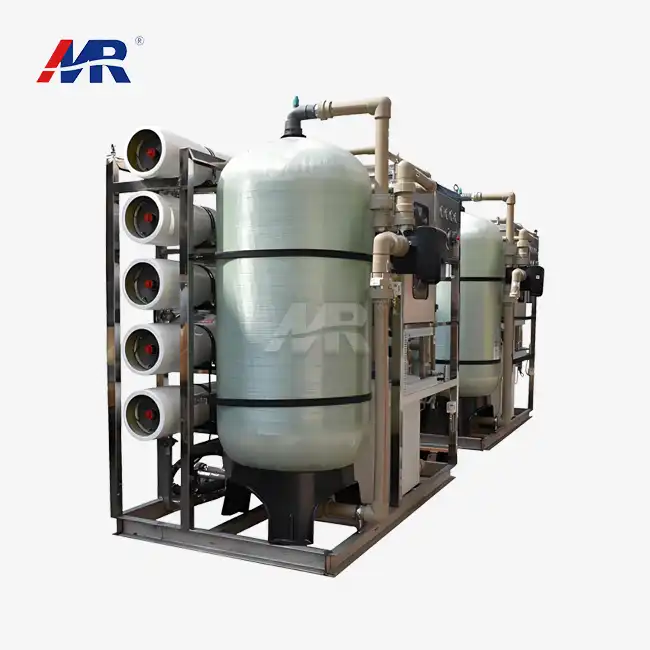 VIEW MORE8m3/hour seawater desalination equipment
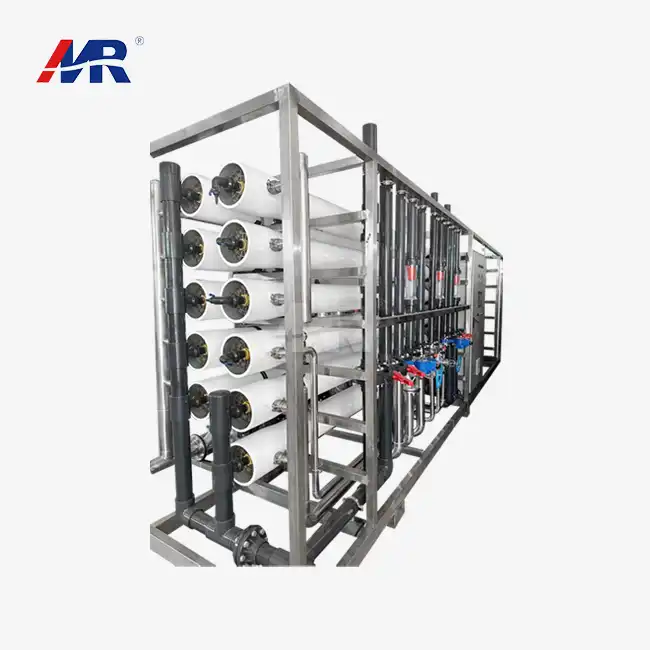 VIEW MORE60m3/hour reverse osmosis plant
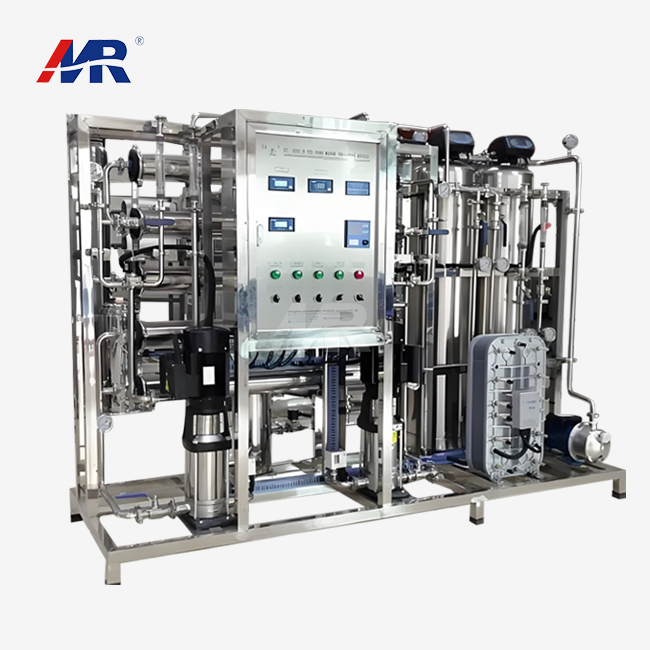 VIEW MORE1000LPH EDI system
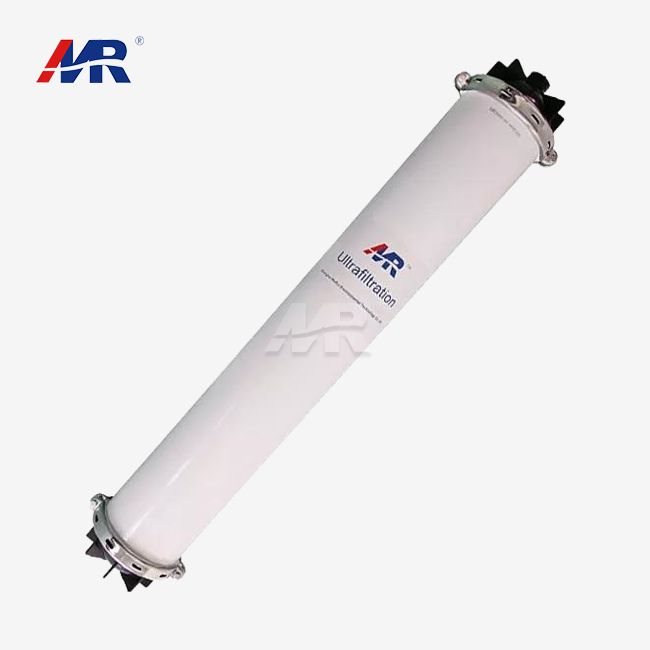 VIEW MOREultrafiltration membranes for water treatment
