_1745823981883.webp)

Comparing RO Membrane Technologies for Efficient Wastewater Purification
Reverse osmosis membrane technologies are an important part of modern wastewater treatment systems because they clean water very well and can be used in many different industry settings. Selective permeability is how the ro membrane works. It gets rid of contaminants at the molecular level while keeping the water return rates high. Treatment plants can meet strict discharge standards and keep operating costs as low as possible with the help of advanced membrane designs. Choosing the right membrane technology has a direct effect on how well the system works, how much energy it uses, and how much upkeep it needs over time. For wastewater management programs to be successful, purchase decisions must be well-informed.
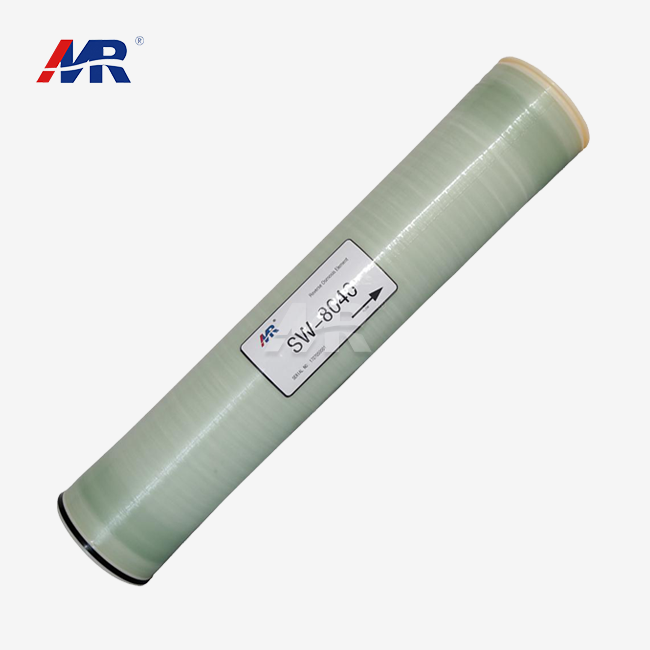
Understanding RO Membrane Technology and Its Role in Wastewater Purification
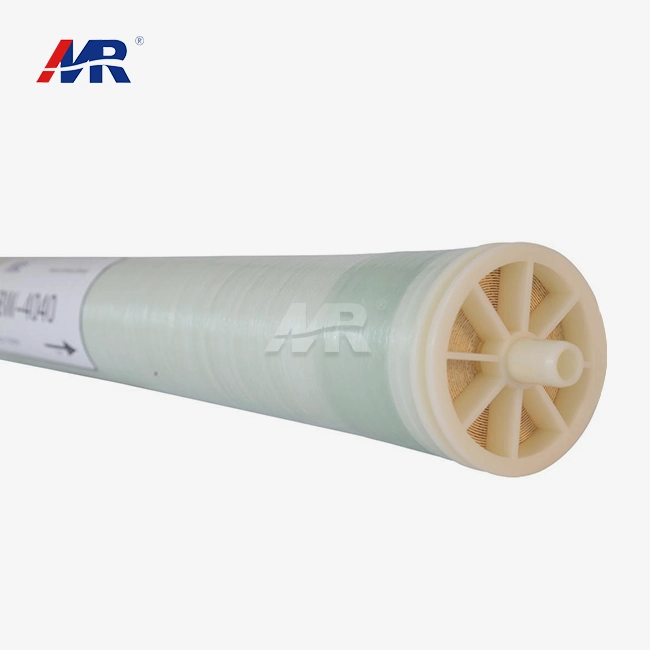
With reverse osmosis, pressure is used to separate water molecules from dissolved toxins across semi-permeable membrane barriers. The membrane structure is made up of several layers, one of which is an active polyamide layer that selectively rejects ions, organic chemicals, and particles. Modern membranes are made of a thin-film hybrid material that allows for high flow rates and strong rejection even when the feed water conditions change.
Fundamental Principles of Reverse Osmosis
Hydraulic pressure is stronger than natural osmotic pressure, which is what makes membrane separation happen. Nanoporous holes let water molecules pass through, but toxins stay on the feed side. This method gets rid of more than 95% of the total dissolved solids, which makes it especially good for industrial wastewater that has heavy metals, salts, and biological toxins in it.
Membrane Construction and Materials
Modern membrane designs use improved polymer formulas that make them less likely to foul and more stable chemically. Polyamide membranes are used a lot in industry because they are good at keeping salt out and last a long time in a range of pH conditions. The changes made to the membrane surface make it more resistant to biological fouling and oxidative breakdown. This makes it last longer in tough wastewater settings.
Performance Characteristics in Wastewater Applications
Different amounts of contaminants, changes in temperature, and chemical exposure are some of the problems that come with industrial wastewater. While allowing for changes in the feed water, high-performance filters keep rejection rates constant. Better energy economy through new RO membrane designs lowers running costs, and better cleaning methods cut down on downtime and maintenance costs.
Comparing RO Membranes with Other Filtration Technologies for Wastewater Purification
There are different filter methods used to treat wastewater, and each one has its own benefits for getting rid of different contaminants. Knowing the relative strengths of various technologies helps create the best systems and most cost-effective treatment options.
RO Membrane versus Nanofiltration Technology
When compared to reverse osmosis, nanofiltration screens work at lower pressures and remove only divalent ions and bigger organic molecules. This technology works really well for tasks that need to remove certain ions or partially remove minerals. But reverse osmosis is better at getting rid of monovalent salts and smaller contaminants, which makes it better for fully cleaning wastewater, where getting rid of as many contaminants as possible is important.
Ultrafiltration Integration Opportunities
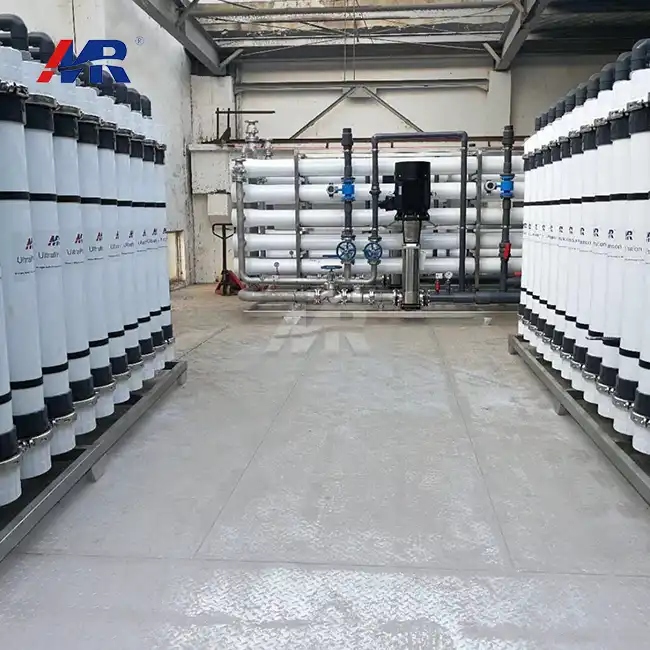
Ultrafiltration is a great way to clean water before it goes through reverse osmosis systems because it gets rid of germs, bigger organic molecules, and suspended solids. Ultrafiltration and reverse osmosis work together to make strong treatment trains that can handle complicated wastewater patterns. This method makes the membrane last longer while keeping the quality of the permeate the same, even when the feed conditions change.
Carbon and Sediment Filtration Roles
Organic pollutants and chlorine species that can harm RO membranes are targeted by activated carbon filtering. Particles that could cause physical damage are taken out by the sediment filter. These preparation technologies protect investments in membranes and make sure that the system works at its best for as long as it lasts.
Criteria for Selecting the Best RO Membrane for Wastewater Purification
To get the best treatment results, membrane selection needs to take a close look at a lot of different performance and cost factors. When making a choice, the process has to weigh the short-term costs of buying things against the long-term costs of running the business and meeting performance standards.
Filtration Efficiency and Rejection Performance
To choose the right barrier, you must first know what contaminants need to be removed. Different types of membranes have different rates of rejecting different types of contaminants. High-quality RO membranes can usually get rid of more than 99% of salt, but how well they can get rid of chemical compounds relies on the size of the molecules and the properties of the membrane. As part of the review process, pilot tests should be done with real garbage to make sure the system works well in the real world.
Fouling Resistance and Operational Durability
In sewer uses, membrane fouling is a big problem that needs to be solved. Modern membrane surfaces have anti-fouling features that keep bacterial and chemical fouling from building up. These features make cleaning less often necessary and increase the time between upkeep periods. The process of choosing should give more weight to membranes that have been shown to be resistant to fouling in similar situations.
Economic Considerations and Lifecycle Costs
The total cost of ownership includes the initial investment in the membrane, the energy used, the cleaning chemicals, and the times when it needs to be replaced. Higher-performance membranes usually explain their higher prices by lasting longer and needing less upkeep. The economic study should include rates of water recovery, since better recovery lowers the cost of dumping and raises the production of treated water.
Case Studies and Industry Applications of RO Membrane Technologies
Implementations in the real world show how useful advanced membrane technologies are in a wide range of industries. These apps give you useful information about what to expect from performance and how to figure out return on investment.
Manufacturing Sector Success Stories
High-efficiency reverse osmosis systems were put in place at a big car manufacturing plant to clean up process wastewater that contained oils, metals, and cleaning chemicals. The system recovered 98% of the water that it put out and made sure that the quality of the effluent always met release standards. Operational statistics showed that waste costs went down by 30% and total dissolved solids went down by 95%. This meant that water could be used again in non-essential situations.
Chemical Processing Applications
Chemical processing companies have to deal with a lot of problems with their wastes, such as pH changes, high organic loads, and toxic compounds. Advanced membrane devices with better chemical protection were able to handle mixed chemical waste streams. When compared to standard treatment methods, the implementation effectively removed 99.5% of contaminants while cutting treatment costs by 40%.
Municipal Wastewater Treatment Enhancement
To meet strict discharge standards, more and more municipal disposal plants are using RO membrane technologies. A treatment plant in the area improved the old way of doing things by adding membrane bioreactors and then reverse osmosis cleaning. The system constantly makes effluent that can be used to make new drinkable water, and it does so while lowering the facility's size by 50% compared to other ways of expanding.
Conclusion
To choose the best reverse osmosis membrane technology, you need to look at a lot of things, including performance, cost, and the needs of your particular application. Modern membrane technologies are very good at getting rid of contaminants while keeping operations efficient in a wide range of wastewater treatment situations. When you combine modern prep systems with the right membrane selection, you get long-lasting performance that meets regulatory standards. To make adoption work, you need to know about the specifics of the garbage, your performance goals, and the total cost of ownership. Professional advice from membrane technology providers with a lot of experience helps people make smart decisions and get the best treatment results.
FAQ
Q1: What factors determine RO membrane lifespan in wastewater applications?
The length of time a membrane lasts depends a lot on the quality of the feed water, how well the preparation works, the working conditions, and how well the membrane is maintained. Under normal settings, most industrial screens work well for three to five years. Cleaning it regularly, using the right amount of chemicals, and keeping an eye on key performance indicators will help it last longer and keep working well throughout the service time.
Q2: How do I determine the appropriate membrane configuration for my facility?
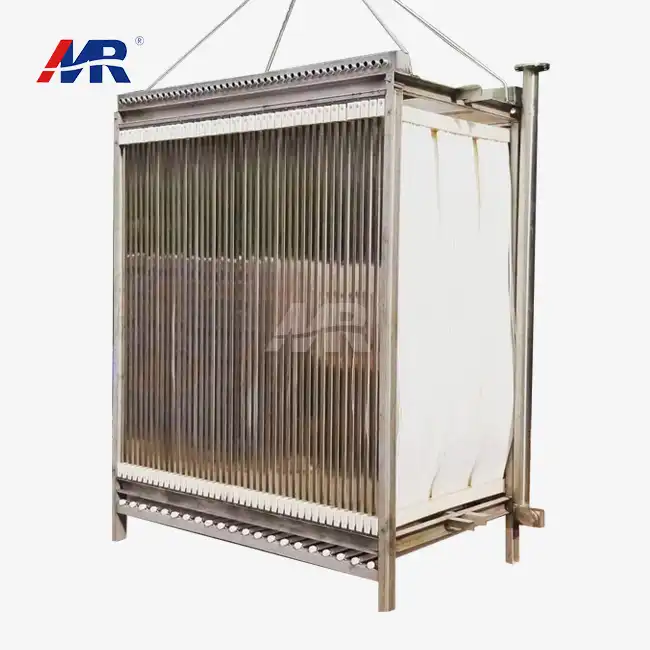
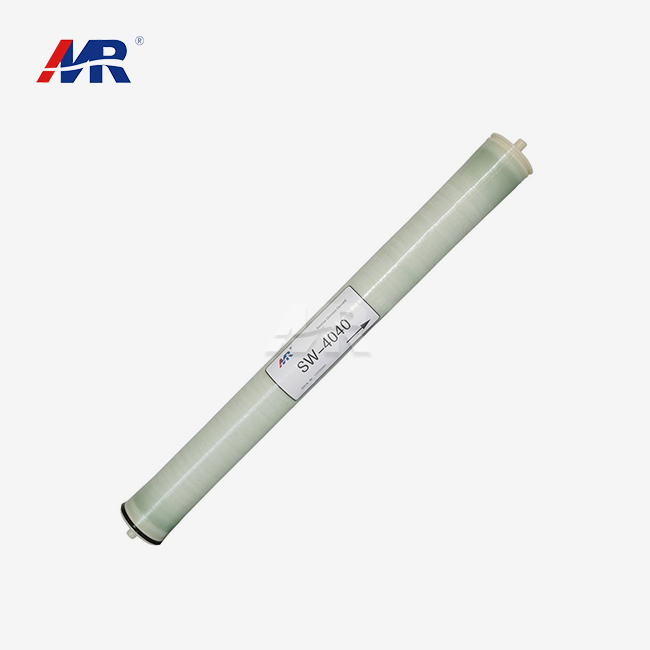
The choice of membrane design is based on the flow rate, the amount of contamination, the available room, and the treatment goals. For high-flow uses, spiral-wound elements are common, and hollow fiber designs are used for unique treatment needs. Professional system design services look at these things and suggest the best setups that balance performance and cost.
Q3: What maintenance practices ensure optimal membrane performance?
Maintenance plans that work include checking the machine's performance on a regular basis, cleaning it at set times, and replacing worn-out parts before they break. By keeping an eye on things like flux rates, pressure differentials, and rejection efficiency, you can spot performance trends that need to be fixed. The right choice of cleaning chemicals and application methods can improve membrane function and increase its useful life.
Partner with Morui for Advanced RO Membrane Solutions
Morui is the best company to work with on wastewater treatment projects because we have a lot of experience with membrane technology and can do a wide range of services. Our technical team can help you choose the right membrane, create a system, and come up with strategies for optimizing it based on your unique needs. As a reputable maker of RO membranes, we offer complete packages that include high-performance membranes and dependable support services. Get in touch with our experts at benson@guangdongmorui.com to talk about your wastewater treatment problems and look into unique solutions.
References
1. Baker, R.W. "Membrane Technology and Applications in Industrial Water Treatment." Journal of Membrane Science and Engineering, 2023.
2. Chen, L.M. and Rodriguez, A.P. "Advanced Reverse Osmosis Membrane Technologies for Wastewater Purification: Performance Analysis and Cost Optimization." Water Treatment Technology Review, 2023.
3. Environmental Protection Agency. "Industrial Wastewater Treatment Guidelines: Membrane Technology Applications and Best Practices." EPA Technical Manual Series, 2023.
4. Johnson, K.R., Smith, D.L., and Williams, C.T. "Comparative Analysis of Membrane Filtration Technologies in Industrial Wastewater Management." International Water Association Technical Report, 2023.
5. Liu, H.Y. and Thompson, M.J. "Membrane Fouling Mechanisms and Mitigation Strategies in Wastewater Reverse Osmosis Systems." Membrane Technology Quarterly, 2023.
6. Zhang, W.X., Kumar, S., and Brown, P.R. "Economic Evaluation of Membrane Technologies for Industrial Wastewater Treatment: A Comprehensive Cost-Benefit Analysis." Water Economics and Policy Journal, 2023.