

_1745823981883.webp)

Vietnam Electronics Parks: Why 2m³/h China EDI Systems Dominate
The electronics manufacturing industry in Vietnam is growing very quickly. This has made a huge need for ultrapure water systems, and the 2m3/hour edi system is now the most popular choice in most industrial parks. These electrodeionization units from China have a big part of the market because they have the best mix of capacity, efficiency, and low cost. Vietnamese companies that make electronics always choose these systems because they provide the exact water quality needed for processes like making semiconductors, PCBs, and cleaning parts, and they are also very reliable, so they can be used over and over again.
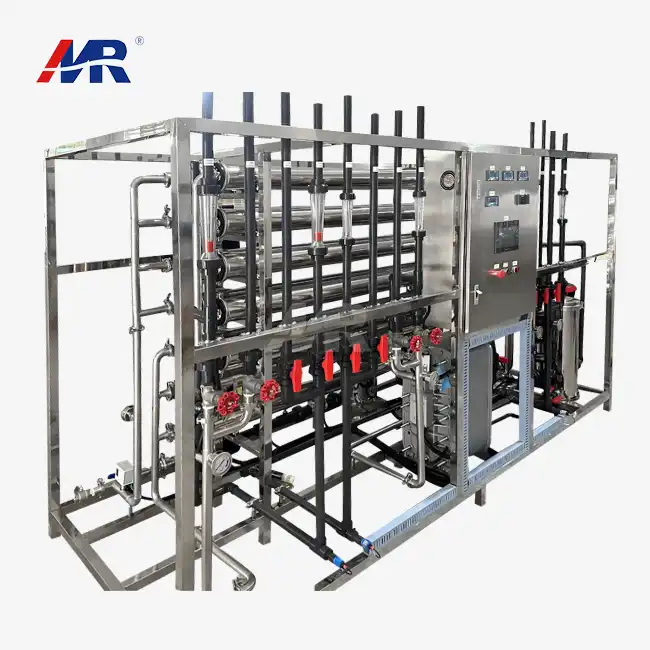
Understanding the 2m³/h EDI System in Electronics Parks
Electrodeionization technology is a completely new way to clean water because it uses both ion exchange resins and separation screens that are powered by electricity. Vietnam's electronics parks are interested in this technology because it meets the important need for consistent, chemical-free water treatment in industrial settings that are sensitive.
Advanced Ion-Exchange Technology Integration
Modern electrodeionization systems use advanced membrane technology that gets rid of dissolved ions by regenerating electricity instead of using chemicals. The 2m³/h capacity is perfect for medium-sized operations, with enough output for cleanroom work, wafer processing, and quality control labs. These systems work perfectly with current reverse osmosis pretreatment systems, making a complete water purification chain that meets the strict needs of electronics manufacturing.
Ion-exchange resins in 2m3/hour EDI system pick up dissolved contaminants while electrical current powers the recovery cycle. This technology works all the time. This gets rid of the need for dangerous chemicals that are usually needed in traditional ion exchange systems. This makes it very appealing for electronics companies that care about worker safety and the environment.
Specific Applications in Vietnamese Electronics Manufacturing
These systems are used in many steps of the manufacturing process in electronics parks all over Vietnam. For cleaning wafers, semiconductor fabrication plants need ultrapure water, because even small amounts of contaminants can lower the output of the Products they make. Deionized water is used for etching, mounting components, and quality tests in the PCB manufacturing process.
The quality of the water on component assembly lines should stay the same so that oxidation and contamination don't happen during cleaning processes. In these parks, research and development labs depend on the stable output quality to test materials and make sure products work. The 2m3/hour EDI system capacity is exactly the right size for most electronics production lines, so there is enough supply without too much overcapacity.
Performance and Comparison of 2m³/h EDI Systems
Electronics companies judge water treatment options on a number of performance factors, such as how consistent the water quality is, how much it costs to run, and how much upkeep it needs. By looking at differences between various technologies, we can see why electrodeionization has become so popular in Vietnam's manufacturing industry.
Superior Water Quality Standards
Electrodeionization 2m3/hour EDI systems always make water with conductivity values below 0.1 µS/cm, which is higher than what is needed for most manufacturing electronics tasks. This performance is better than most reverse osmosis systems, which can only reach conductivity levels of 1 to 10 µS/cm without extra steps for cleaning. The continuous ion removal process keeps the quality of the water stable during production cycles. This gets rid of the changes that come with standard ion exchange systems' regeneration cycles.
Recovery rates of more than 90% show how well current EDI technology works, reducing water waste while increasing productivity. The amount of power used is still very low—less than 0.1 kWh per cubic meter. This helps keep costs down, which adds up over longer production times.
Cost-Effectiveness Analysis for Electronics Parks
Total cost of ownership always favors electrodeionization over other methods, according to procurement managers. By getting rid of chemical regenerants, ongoing operating costs go down, and trash management procedures become easier. Maintenance needs are kept to a minimum because modern EDI modules are built to last. Usually, it takes 12 to 18 months between big maintenance cycles.
Energy efficiency directly leads to lower running costs, which is especially important for companies that make electronics and are trying to make a profit. The small size of the design means that less space is needed in the facility, so it can be easily added to current production layouts without requiring major changes.
Procurement and Supply Chain Insights for 2m³/h China EDI Systems
Vietnam's electronics manufacturing industry benefits from supply lines that connect Chinese EDI manufacturers with service providers and distributors in Vietnam. This infrastructure makes sure that equipment, spare parts, and technical help can be accessed reliably so that operations can continue.
Strategic Sourcing Considerations
When electronics companies work with well-known Chinese EDI suppliers, they can use tried-and-true technology backed by a lot of industry knowledge. Most of the time, these partnerships include full technical help, from designing the system to installing it and keeping it running. When you buy in bulk, you usually save a lot of money and make sure that the equipment on all of your production lines is the same.
Lead times stay low because factories are already set up and there are good logistics systems linking China to Vietnam's main industrial hubs. Reliable suppliers have quality assurance programs that include testing in the factory, checking the performance, and keeping detailed records that meet regulatory standards.
Local Support Infrastructure Development
As the Chinese 2m3/hour EDI system EDI technology becomes more common in Vietnam, it has led to the growth of local service networks that offer technical help, installation, and maintenance. This infrastructure lowers the chance of downtime and makes sure that routine problems are fixed quickly. Training programs for local technicians make these systems last longer by teaching people in the country how to do regular maintenance and fix problems.
Warranty plans usually last between 12 and 24 months and cover both replacement parts and service. Options for longer warranties offer extra protection for important work tasks where system reliability has a direct effect on output.
Maintenance, Troubleshooting, and Longevity of 2m³/h EDI Systems
Systematic repair plans that keep equipment working well and extend its life are necessary for electrodeionization systems to work properly. Electronics companies have come up with complete strategies that balance preventative upkeep with running their businesses in the most cost-effective way possible.
Preventive Maintenance Protocols
Key performance factors should be checked on a regular basis so that problems can be found before they affect production. Measurements of conductivity, differences in pressure, and patterns of current usage can show early signs of membrane fouling or resin degradation. Electrical connections, flow meters, and control systems are checked every month to make sure they keep working properly.
Protocols for cleaning the membranes, which are usually done every 6 to 12 months based on the quality of the feed water, keep the system running at its best. Specialized cleaning solutions are used in these steps to get rid of organic fouling and mineral scaling without hurting sensitive membrane materials that are sensitive.
Troubleshooting Common Operational Challenges
Changing demand patterns and different feed water quality are some of the unique problems that come up in electronics manufacturing settings using 2m3/hour EDI system. Operators with a lot of experience come up with organized ways to find problems with speed and fix them. Problems that happen a lot include membrane fouling, electrical system problems, and control system problems.
Predictive maintenance strategies that reduce unplanned downtime are possible when maintenance tasks and performance trends are written down. Emergency reaction plans make sure that the water supply is quickly restored when the system goes down for no reason, which protects important production schedules.
Why 2m³/h China EDI Systems Are Preferred in Vietnam Electronics Parks?
Chinese electrodeionization devices are the most popular in Vietnam's electronics industry because they are technologically advanced, cost-effective, and have a lot of support infrastructure. This market preference among electronics manufacturers is caused by a number of reasons.
Proven Reliability in Electronics Applications
Case studies from the electronics manufacturing industry show that Chinese EDI systems work very well in a wide range of settings. The water quality standards for these systems are always met, and they stay stable even when production conditions are tough. Semiconductor makers say that steady ultrapure water quality leads to higher yields, while PCB makers say that lower defect rates in the cleaning and etching processes are a plus.
Electronics companies that follow strict quality management systems can be sure that their products are certified to meet worldwide standards like ISO 9001, CE marking, and industry-specific quality protocols. Environmental Certifications help companies meet their sustainability goals while also addressing growing worries about environmentally friendly manufacturing methods.
Comprehensive Technical Support and Innovation
Chinese companies that make 2m3/hour EDI systems put a lot of money into research and development, which keeps the systems running better and more reliably. Advanced control systems have remote tracking features that let you plan maintenance ahead of time and improve performance in real time. Modular designs make it easier to add to or change the setup of a system as production needs change.
Technical support programs include in-depth training for operators and repair staff, which makes sure that the system is used optimally throughout its entire lifecycle. Regular software updates and speed improvements help businesses stay competitive as industry needs change.
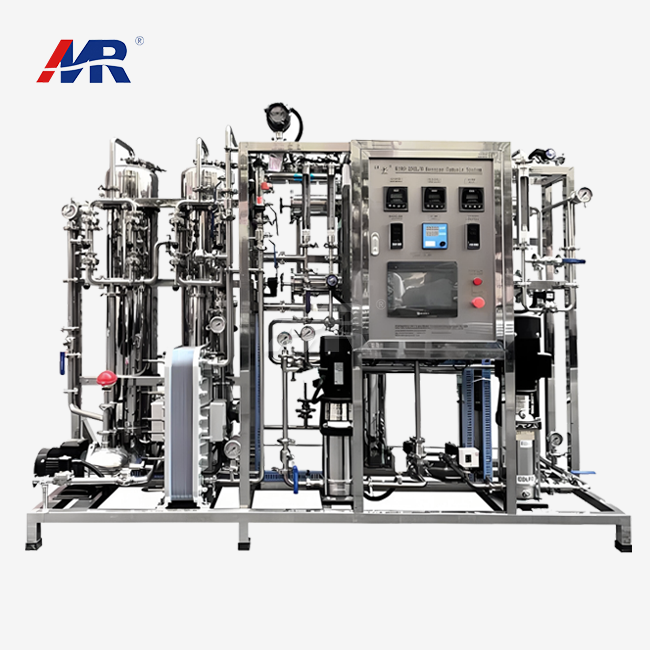
At Guangdong Morui Environmental Technology, we create and build cutting-edge electrodeionization systems that are used in electronics manufacturing. Our small EDI system, which can handle 2m3/h, uses both ion exchange and membrane separation to provide constant deionized water without the need for chemical renewal. The system has great specs, like accepting feed water with a conductivity of less than 20 µS/cm, regularly producing water with a quality below 0.1 µS/cm, and recovery rates higher than 90%. The small size (1200 x 800 x 1800 mm) of this design makes it easy to fit into current production facilities. It also uses very little energy (less than 0.1 kWh/m³).
Our full range of services includes technical advice, skilled installation, and quick after-sales support through our 14 branches, which are staffed by 500 dedicated employees and 20 specialized engineers. We keep up our own membrane production facility and various equipment processing centers to make sure that quality control is maintained at all times during the manufacturing process. We are also approved dealers for well-known brands like Shimge Water Pumps, Runxin Valves, and Createc Instruments.
Conclusion
Chinese 2m3/hour EDI systems are the most common in Vietnam's electronics parks. This shows how well they can meet the strict needs of modern electronics manufacturing while also being very reliable and cost-effective. These systems provide constant ultrapure water quality that is needed for making semiconductors, PCBs, and putting together parts. These systems are the best choice for electronics companies that want reliable water treatment options that will help them keep growing because they use tried-and-true technology, are cost-effective, and come with a full support network.
FAQ
Q1: What water quality standards can electronics manufacturers expect from EDI systems?
Electrodeionization systems consistently produce water with conductivity below 0.1 µS/cm and resistivity exceeding 18 MΩ·cm, meeting the stringent requirements for semiconductor fabrication, wafer cleaning, and precision electronics manufacturing. These quality levels surpass conventional reverse osmosis systems while maintaining stability throughout continuous operation cycles.
Q2: How do energy costs compare between EDI and alternative water treatment technologies?
EDI systems consume significantly less energy than conventional technologies, typically requiring less than 0.1 kWh per cubic meter of treated water. This efficiency stems from the elimination of high-pressure pumps and chemical regeneration processes, resulting in substantial operational cost savings over the system lifecycle while supporting environmental sustainability objectives.
Q3: What maintenance support is available for EDI systems in Vietnam's electronics sector?
Comprehensive maintenance support includes preventive maintenance protocols, emergency response services, and technical training programs delivered through established local service networks. Typical maintenance intervals extend 12-18 months between major service cycles, with routine monitoring and minor adjustments performed by trained facility personnel to ensure optimal performance consistency.
Partner with Morui for Advanced EDI Solutions
Electronics manufacturers seeking reliable ultrapure water systems can benefit from Morui's expertise in designing and implementing 2m3/hour EDI system solutions tailored specifically for electronics manufacturing applications. Our proven technology delivers the consistent water quality essential for semiconductor fabrication and precision electronics production while maintaining cost-effective operation. Contact our technical team at benson@guangdongmorui.com to discuss your specific requirements and explore our comprehensive 2m3/hour EDI system supplier capabilities. Visit moruiwater.com to learn more about our complete portfolio of water treatment solutions designed for electronics manufacturing excellence.
References
1. Vietnam Electronics Industry Development Report: Water Treatment Requirements and Technology Adoption Trends, Ministry of Industry and Trade, 2023
2. Electrodeionization Technology Applications in Semiconductor Manufacturing: Performance Analysis and Cost Optimization, Journal of Industrial Water Treatment, 2023
3. Supply Chain Analysis of Water Treatment Equipment in Southeast Asian Electronics Manufacturing, Asia Pacific Industrial Equipment Review, 2023
4. Environmental Compliance and Sustainability Practices in Vietnam's Electronics Parks: Water Management Systems, Environmental Technology International, 2023
5. Comparative Performance Study of Water Purification Technologies in Electronics Manufacturing Applications, International Water Technology Journal, 2023
6. Market Analysis of Industrial Water Treatment Systems in Vietnam's Manufacturing Sector: Trends and Projections, Southeast Asian Industrial Development Report, 2023
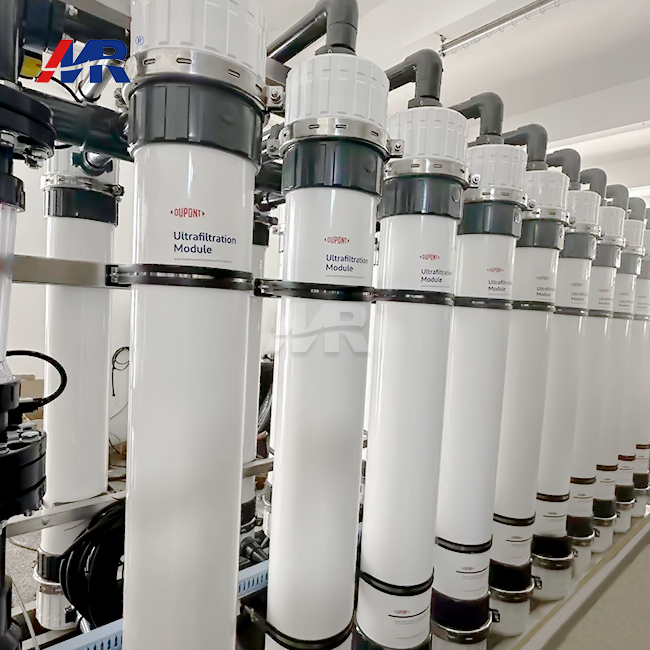 VIEW MOREultrafiltration water treatment system
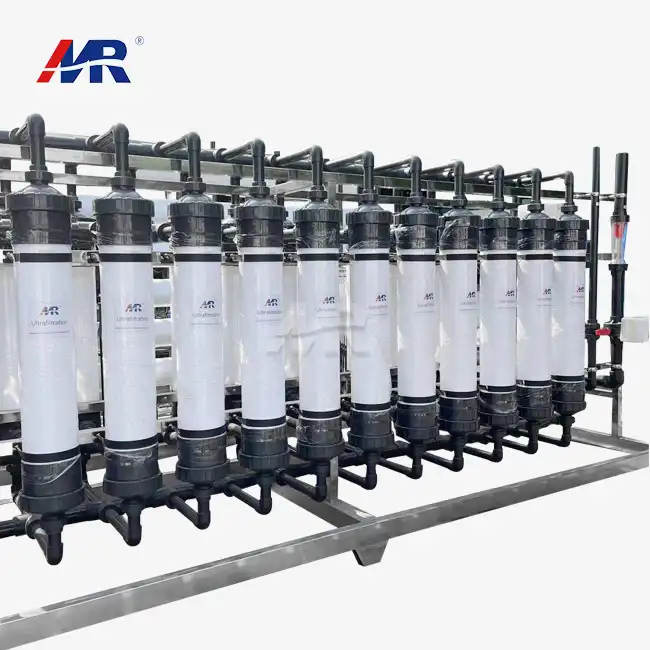 VIEW MORE30m3/hour ultrafiltration equipment
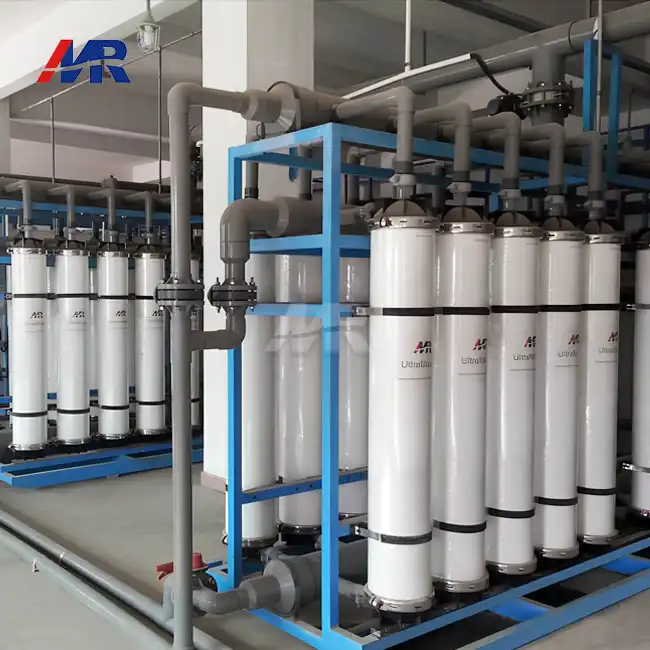 VIEW MORE200m3/hour ultrafiltration equipment
 VIEW MOREbrackish membrane
 VIEW MORE3T/H reverse osmosis equipment
 VIEW MOREsewage treatment plant
 VIEW MOREindustrial reverse osmosis membrane
 VIEW MORE1000LPH EDI plant
