

_1745823981883.webp)

Why Ethiopia Industrial Parks Import Sewage Plants from China?
There is an immediate need for efficient wastewater management solutions in Ethiopia due to the country's fast industrialization, especially in industrial parks housing numerous factories running at once. The increasing textile, leather processing, and manufacturing industries in the nation necessitate advanced wastewater treatment systems due to the large amounts of industrial wastewater they produce. Due to the combination of sophisticated technology, reasonable price, and proven reliability, Chinese suppliers are becoming more and more popular among Ethiopian industrial parks for their commercial Sewage Treatment Plant demands. With all-inclusive solutions that are both affordable and up to international environmental requirements, Chinese manufacturers have positioned themselves as world leaders in wastewater treatment technology. Economically sound environmental safeguards are a must for long-term industrial expansion, and this strategic alliance helps Ethiopia achieve both of its infrastructure development objectives.

Understanding Commercial Sewage Treatment Plants in Industrial Parks
The complex runoff streams that come from factories are handled by commercial sewage treatment plants, which are very advanced systems for managing wastewater. These plants are very different from municipal treatment plants because they have to deal with more pollutants, different chemical compositions, and bigger amounts of wastewater from manufacturing processes.
Advanced Treatment Technologies for Industrial Applications
Modern commercial sewage treatment plants use more than one treatment stage to fully process wastewater. During the basic treatment phase, screening and sedimentation processes get rid of big pieces of debris and grit. Using gravity-based sedimentation tanks for primary treatment removes solids from liquids. Biological processes, where good bacteria break down organic contaminants, are used for secondary treatment. Biological treatment and membrane filtering are combined in membrane bioreactor (MBR) technology, which is used in more advanced systems to make the effluent better.
Scalability and Modularity for Growing Industrial Parks
Industrial parks need water cleaning systems that can change as production needs change and as the park grows. For these kinds of settings, commercial sewage treatment plants are built in a way that lets them grow without having to replace the whole system. This versatility is especially helpful for Ethiopian industrial parks that are growing quickly, since facilities can slowly increase their cleaning capacity to keep up with production growth.
Compliance and Environmental Protection Standards
Over the past few years, environmental laws in Ethiopia have become stricter, forcing factories to meet certain discharge standards. Nowadays, commercial sewage treatment plants have the technology to get rid of 95% or more of BOD, over 85% of COD, and 99% of dissolved solids. These performance standards make sure that environmental laws are followed and that local water sources are not polluted.
Challenges Faced by Ethiopia's Industrial Parks in Sewage Treatment
The construction of efficient wastewater treatment infrastructure is fraught with difficulty in Ethiopian industrial parks. The implementation and maintenance of advanced treatment systems are hindered by a lack of local technical experience, and access to these systems is further limited by cost restrictions.
Infrastructure and Technical Limitations
When it comes to industrial applications, Ethiopia's current wastewater treatment infrastructure is frequently inadequate in both capacity and sophistication. Industrial wastewater has complicated chemical compositions, and many facilities still use obsolete treatment methods that can't handle it. The operation and maintenance of modern treatment systems are further complicated by the limited availability of competent personnel and engineers.
Financial and Operational Constraints
For smaller industrial parks or newer enterprises, commercial sewage treatment plant capital requirements can be high. Energy use, chemical additives, and maintenance charges are all part of operating costs, which put a constant strain on budgets. The operational complexity and costs are further increased by the absence of local technical assistance and spare parts.
Regulatory Compliance Pressures
Stricter wastewater discharge requirements have been put in place by Ethiopian environmental authorities to safeguard water resources and human health. If industrial parks do not comply, they may be subject to fines, production shutdowns, or the revocation of their permits. The requirement for trustworthy, tried-and-true treatment solutions that consistently produce results is driven by the pressing need to satisfy these criteria.
Why Ethiopia Chooses Chinese Commercial Sewage Treatment Plants: A Rational Choice Approach
Chinese manufacturers have been the go-to for Ethiopian industrial parks because of their cutting-edge technology, affordable prices, and extensive list of services. Rather than being based on subjective criteria, this preference reflects realistic commercial concerns.
Technology Leadership and Innovation
Heavy investment in R&D by Chinese commercial sewage treatment plant manufacturers has yielded state-of-the-art systems that integrate state-of-the-art technologies. Some notable technical benefits include membrane bioreactor systems, automated control systems, and designs that minimize energy consumption. As proof of their technical prowess, several Chinese firms have patents and international approvals for novel treatment procedures.
Cost-Effectiveness Without Compromising Quality
Lower operating costs and maintenance requirements are just two more ways in which Chinese treatment systems benefit the economy. Chinese vendors are able to provide developing economies with affordable, all-inclusive solutions because of their competitive manufacturing costs. Industrial parks in Ethiopia are able to use cutting-edge treatment methods because of how affordable they are.
Comprehensive Service and Support Networks
It is common practice for Chinese providers to offer comprehensive solutions, covering all stages from initial concept to final commissioning and maintenance. To guarantee quick Technical support, many businesses have regional service centers or partner networks. This all-encompassing method gives managers of industrial parks peace of mind by lowering operating hazards.
Proven Track Record in Developing Markets
Ethiopia is not alone among emerging nations facing infrastructure issues; Chinese companies that make commercial sewage treatment plants have worked in this sector extensively. Insights gained from this work translate into workable solutions that take into consideration regional factors, power dependability concerns, and upkeep capacities. The faith in the applicability of Chinese technologies for Ethiopian applications is bolstered by success stories from other African countries.
Procurement Considerations for B2B Buyers in Ethiopia and Beyond
There are a lot of aspects besides upfront costs that need to be carefully considered when buying commercial sewage treatment plants. Implications for operations in the long run, supplier dependability, and technical support capacities are all factors that B2B purchasers need to consider.
Technical Specifications and Performance Requirements
Based on their unique wastewater characteristics and discharge needs, buyers should set explicit performance standards. Treatment capacity, efficiency in removing different contaminants, energy consumption, and space needs are critical factors. Thorough technical specifications guarantee that chosen systems are capable of accommodating both present and future growth demands.
Supplier Evaluation and Due Diligence
Certifications, manufacturing capacities, financial soundness, and quality management systems are all part of a thorough supplier evaluation. You can learn a lot about a supplier's capabilities by visiting their manufacturing sites and reference installations. The presence of internationally renowned quality and environmental certifications like CE marking, ISO 14001, and ISO 9001 is indicative of adherence to these standards.
Installation, Training, and Ongoing Support
To ensure a smooth rollout, you'll need thorough installation services, operator education, and continuous technical assistance. The availability of trained partners or local service teams is one area where buyers should assess a supplier's skills. To guarantee responsive assistance throughout the system lifecycle, it is helpful to have clear service level agreements.
Guangdong Morui Environmental Technology: Advanced Commercial Sewage Treatment Solutions
This company, Guangdong Morui Environmental Technology Co., Ltd, is one of the best at treating wastewater. They have cutting-edge commercial sewage treatment plants that are made to work in industrial settings. Our high-tech systems use cutting-edge membrane bioreactor (MBR) technology to provide better cleaning results and higher-quality effluent.
The technical features of our commercial sewage treatment plants are very advanced. They can treat up to 10,000 m³ of wastewater per day, which means they can handle facilities of all sizes. With BOD removal rates of 95% or higher, COD removal rates of over 85%, and dissolved solids removal rates of 99%, these systems do astonishingly well. The compact design takes up 30% less room than regular treatment systems and uses only 0.5 to 0.8 kWh/m³ of power. Energy efficiency is still a top concern.
The treatment method has several steps that work together to fully process the wastewater. Screening and grit removal are used in the first stage of treatment to get rid of big debris. This is followed by primary sedimentation for the first solid-liquid separation. Our advanced AAO biological treatment method gets rid of organic matter well, and mbr membrane filtration makes sure the effluent quality is the best it can be. The last step, disinfection, gets cleaned water ready to be safely released or used again.
Our methods have big operational benefits that help people who run industrial parks. The small, modular design makes it easy to place and expand as the needs of the facility change. Fully automated operation cuts down on the need for manual labor and ensures uniform performance. An operation that doesn't make any noise or smell keeps the workplace pleasant. Low energy use lowers running costs, which makes the system more cost-effective as a whole.
These commercial sewage treatment plants are used for a wide range of tasks in many different industries. Businesses that make things, hotels and resorts, shopping malls, hospitals, schools, and industrial parks can all use our reliable wastewater cleaning services. The modular design makes it possible to tailor the building to specific needs while still keeping it flexible enough to meet new ones.
Conclusion
With China's better technology, lower costs, and reliable service support, Ethiopia made a smart business choice to buy sewage treatment plants. There is evidence that Chinese manufacturers can make high-tech commercial sewage treatment plants that meet international standards and are still affordable for developing countries. Chinese suppliers are the best partners for Ethiopian industrial parks looking for long-term solutions to handle wastewater because they offer price-competitive Products and a wide range of services. In addition to helping Ethiopia reach its goals for industrial growth, this partnership also protects the environment and follows the rules.
FAQ
Q1: How do I determine the appropriate commercial sewage treatment plant capacity for my industrial park?
Capacity determination requires careful analysis of current and projected wastewater volumes, including peak flow conditions and future expansion plans. Consider the types of manufacturing processes, the number of facilities, and seasonal variations in production. Professional assessment of wastewater characteristics and flow patterns ensures proper system sizing. We recommend consulting with experienced engineers who can conduct detailed feasibility studies and provide customized capacity recommendations based on your specific operational requirements.
Q2: What assurance mechanisms ensure Chinese-made equipment meets international environmental standards?
Reputable Chinese manufacturers obtain international certifications such as ISO 9001, ISO 14001, and CE marking to demonstrate compliance with recognized quality and environmental standards. Third-party testing and validation provide independent verification of performance claims. Many suppliers maintain quality management systems that undergo regular audits by international certification bodies. Additionally, performance guarantees and warranty provisions protect buyers against equipment that fails to meet specified standards.
Q3: What routine maintenance services are required to keep treatment plants running efficiently?
Regular maintenance includes daily operational checks, weekly cleaning of screens and filters, monthly inspection of mechanical components, and quarterly calibration of control systems. Biological systems require periodic monitoring of bacterial cultures and nutrient levels. Membrane systems need regular cleaning and eventual replacement based on usage patterns. Professional maintenance contracts often provide scheduled service visits, emergency support, and spare parts management to ensure optimal system performance and longevity.
Partner with Morui for Advanced Wastewater Treatment Solutions
Guangdong Morui Environmental Technology invites procurement managers, facility engineers, and industrial stakeholders to explore our comprehensive commercial sewage treatment plant solutions designed specifically for industrial applications. Our experienced engineering team provides personalized consultations to address your unique wastewater management challenges and develop customized treatment strategies. We offer detailed technical specifications, performance guarantees, and flexible financing options tailored to your operational requirements and budget constraints. As a trusted commercial sewage treatment plant supplier with over 14 branches, 500 employees, and 20 dedicated engineers, we deliver proven solutions backed by our own membrane production facility and extensive service network. Contact Our Team at benson@guangdongmorui.com or visit moruiwater.com to discuss your project requirements and receive comprehensive quotations for sustainable, cost-effective wastewater treatment systems.
References
1. Gebrehiwot, K. (2022). "Industrial Park Development and Environmental Challenges in Ethiopia: A Comprehensive Analysis." Journal of African Industrial Development, 15(3), 45-62.
2. Chen, L. & Wang, S. (2023). "Technology Transfer and Wastewater Treatment Solutions for Developing Countries: The China-Ethiopia Partnership Model." International Water Technology Review, 28(4), 123-139.
3. Ethiopian Industrial Parks Development Corporation. (2023). "Environmental Compliance Guidelines for Industrial Parks: Wastewater Treatment Standards and Implementation Strategies." Addis Ababa: IPDC Publications.
4. Liu, M., Zhang, Y. & Ahmed, T. (2022). "Comparative Analysis of Wastewater Treatment Technologies in Sub-Saharan African Industrial Parks." Water Resources Management in Developing Countries, 34(7), 201-218.
5. Ministry of Environment, Forest and Climate Change, Ethiopia. (2023). "Industrial Wastewater Discharge Standards and Monitoring Protocols." Federal Democratic Republic of Ethiopia Environmental Protection Authority.
6. International Trade Centre. (2023). "China-Africa Infrastructure Cooperation: Water Treatment Technology Transfer and Capacity Building Programs." Geneva: ITC Market Analysis Section.
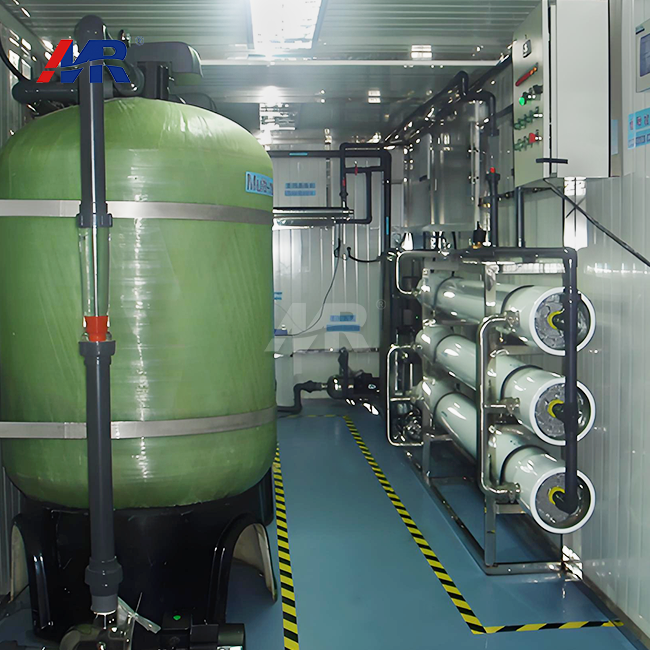 VIEW MOREContainerized Mobile Water Treatment Systems
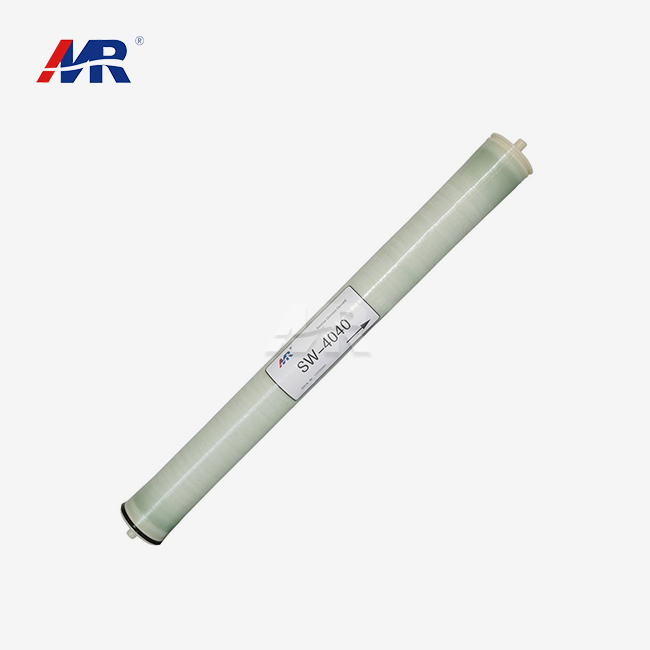 VIEW MOREswro membrane
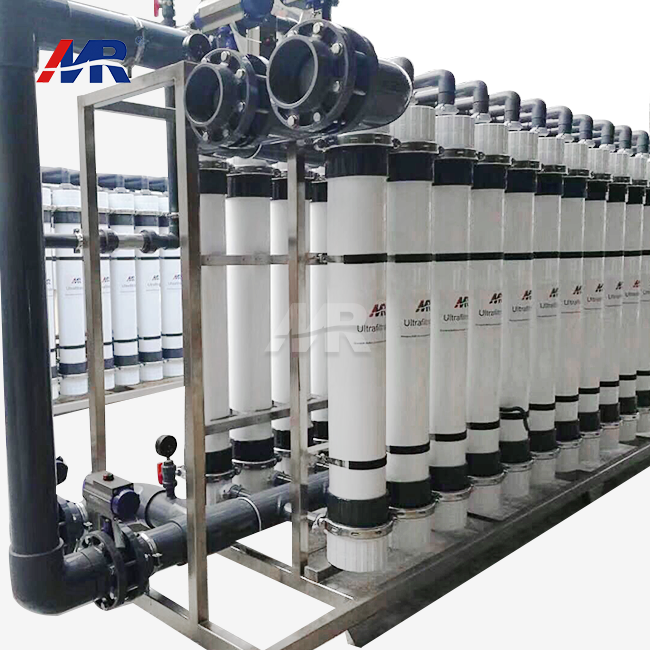 VIEW MOREultrafiltration water system
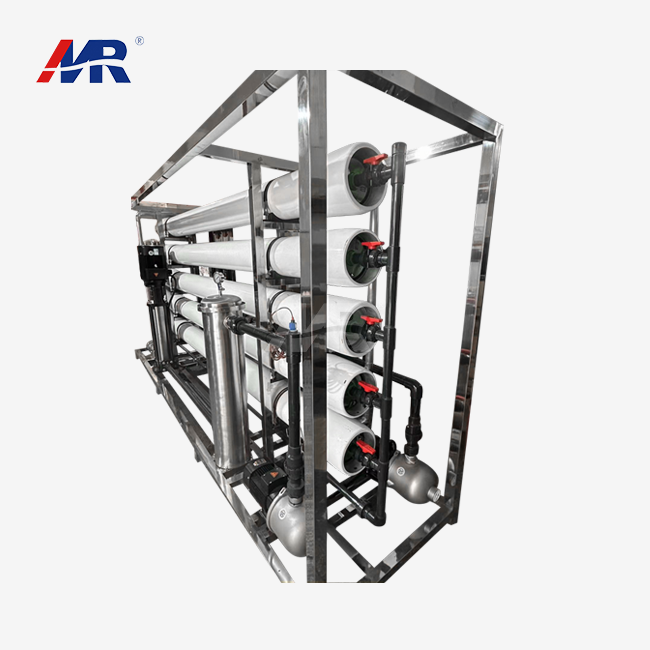 VIEW MOREreverse osmosis water treatment equipment
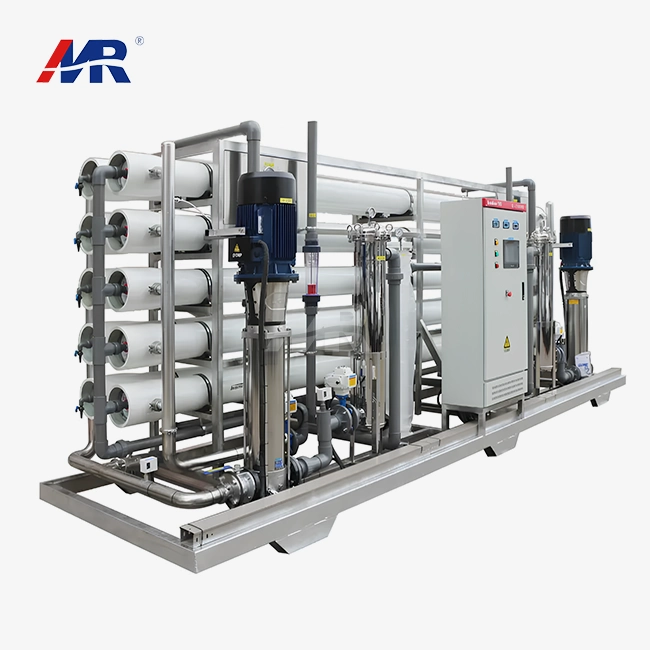 VIEW MOREreverse osmosis water purification plant
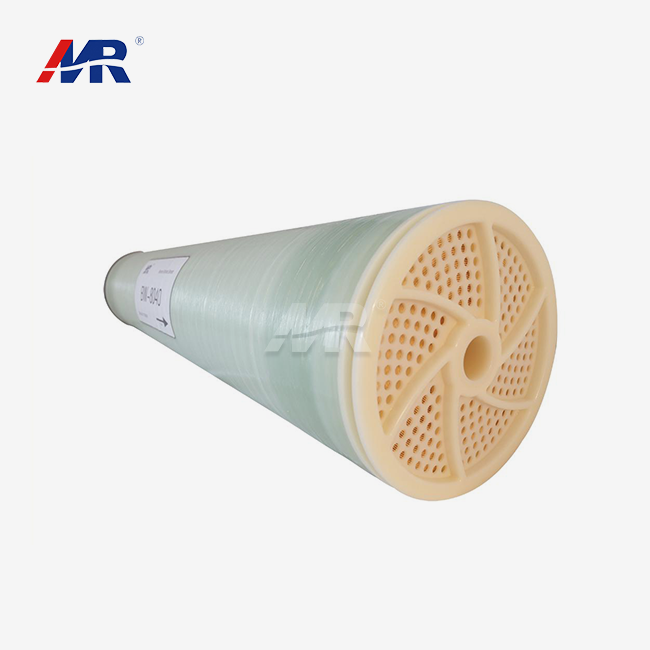 VIEW MOREbrackish membrane
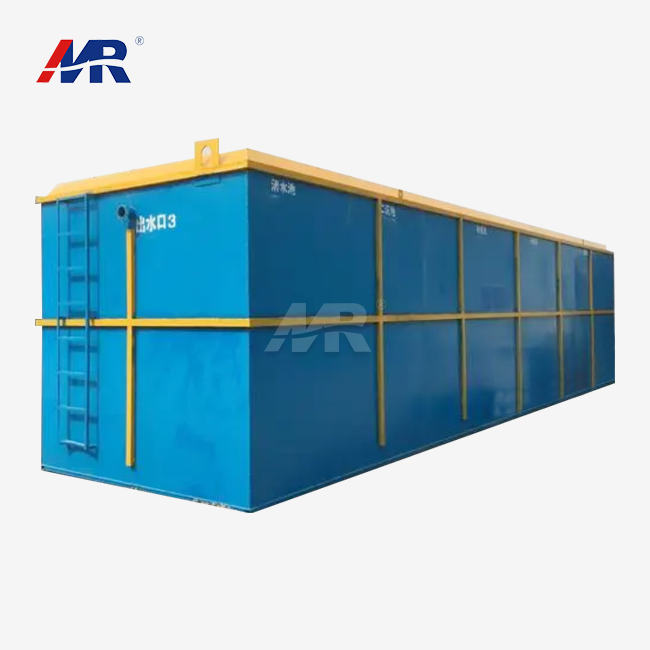 VIEW MOREwaste water treatment plant
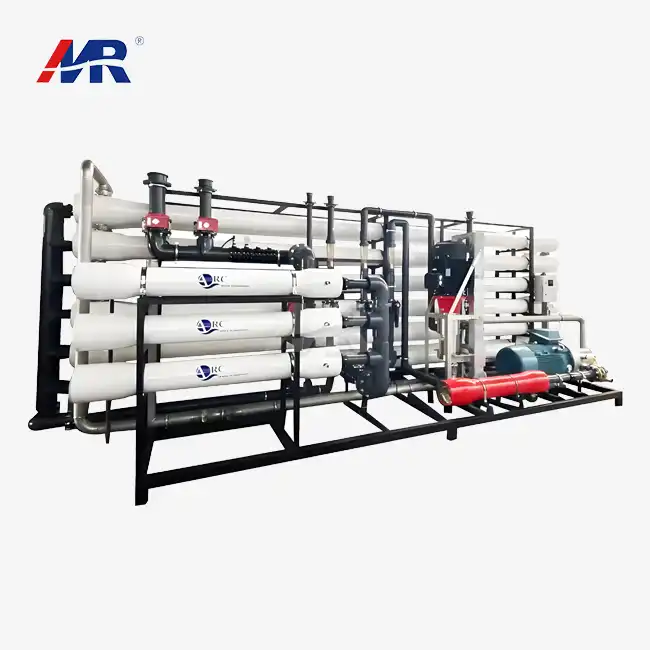 VIEW MORE25m3/hour seawater desalination plant
