_1745823981883.webp)

China Container 3m³/Hour RO Equipment for Mexico Food Plants
Container 3m3/hour RO equipment is a crucial solution for enterprises looking for dependable, effective water purification because Mexico's food processing industry has high standards for water purity. These containerized reverse osmosis systems meet strict Mexican food safety standards, such as NOM-201-SSA1-2015, and provide reliable performance. Food plants can use the high-purity water required for beverage processing, ingredient preparation, and cleaning operations throughout their manufacturing processes, thanks to the small design's smooth integration into existing production facilities.

Understanding Container 3m³/Hour RO Equipment for Food Plants
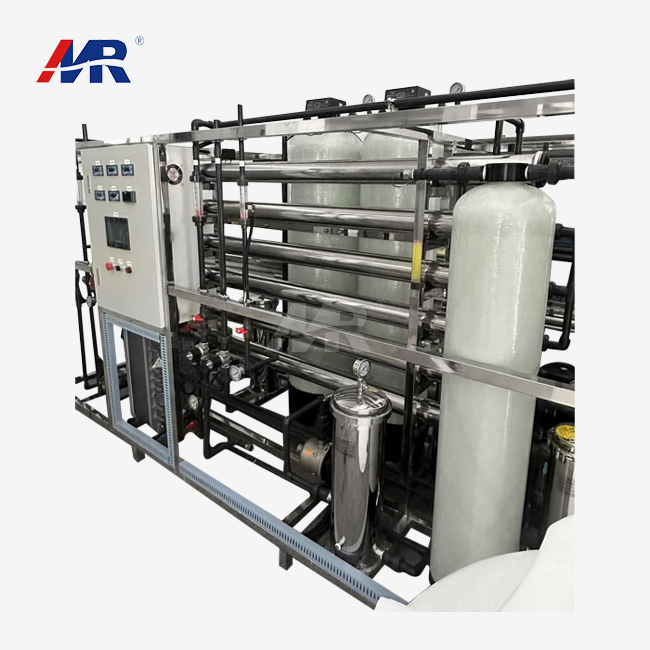
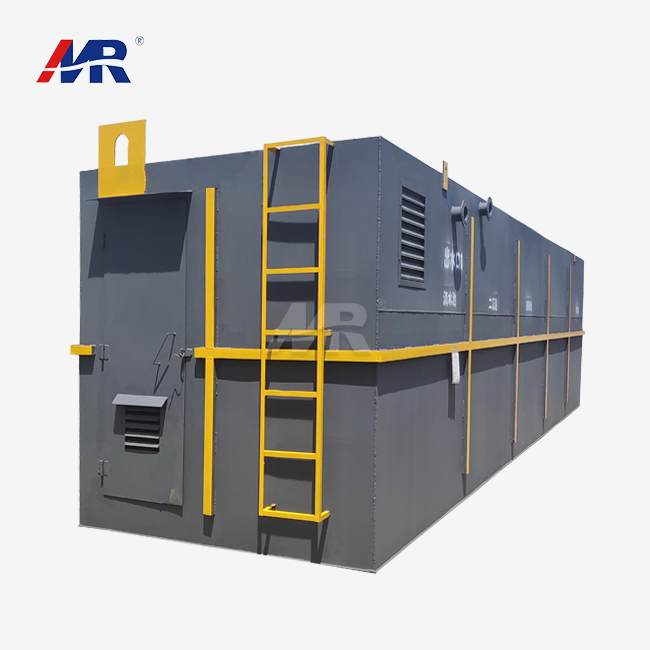
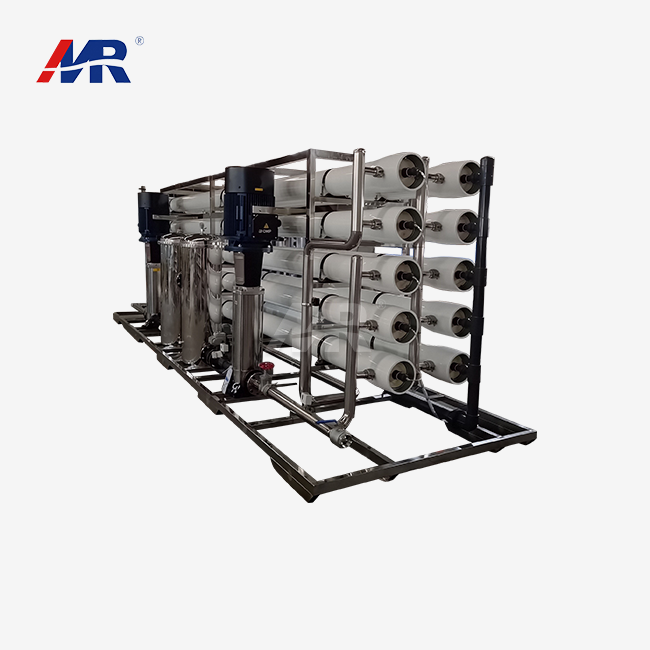
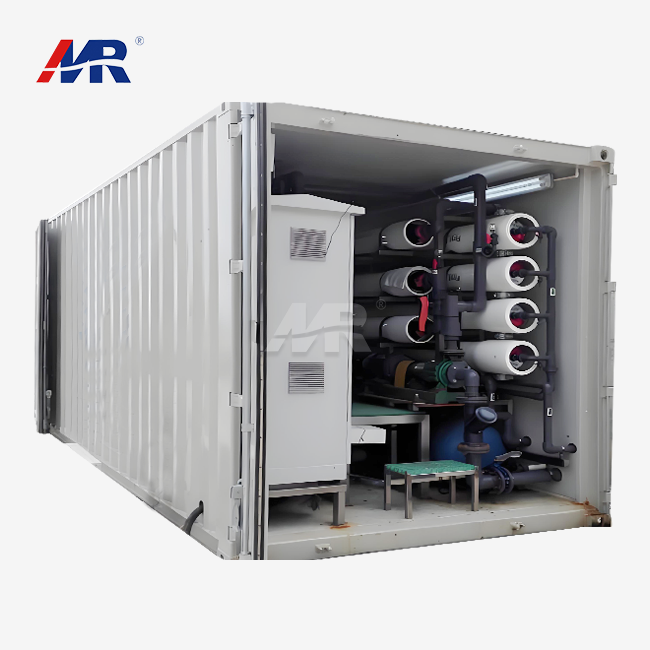
Reverse osmosis systems in containers are a ground-breaking method of treating water for Mexico's growing food processing industry. Within a normal 20-foot shipping container framework, these innovative devices offer 3,000 liters of purified water per hour by combining cutting-edge membrane technology with useful technical solutions.
Advanced Membrane Technology and Performance
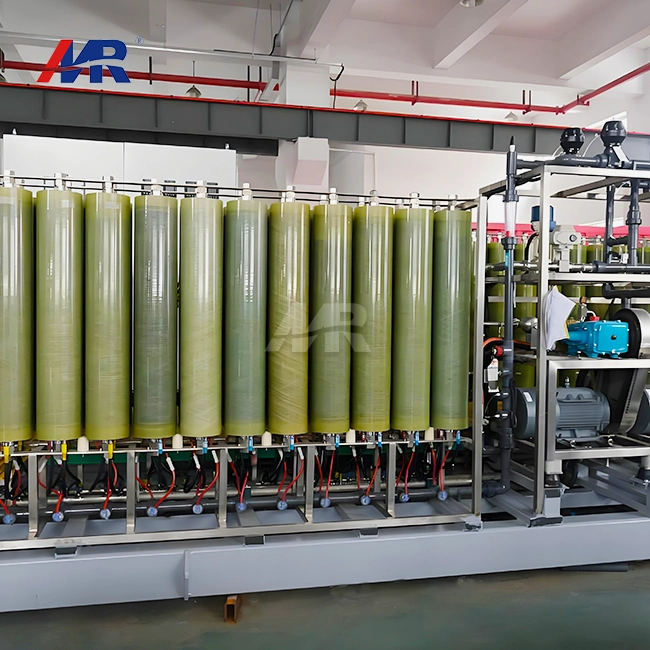
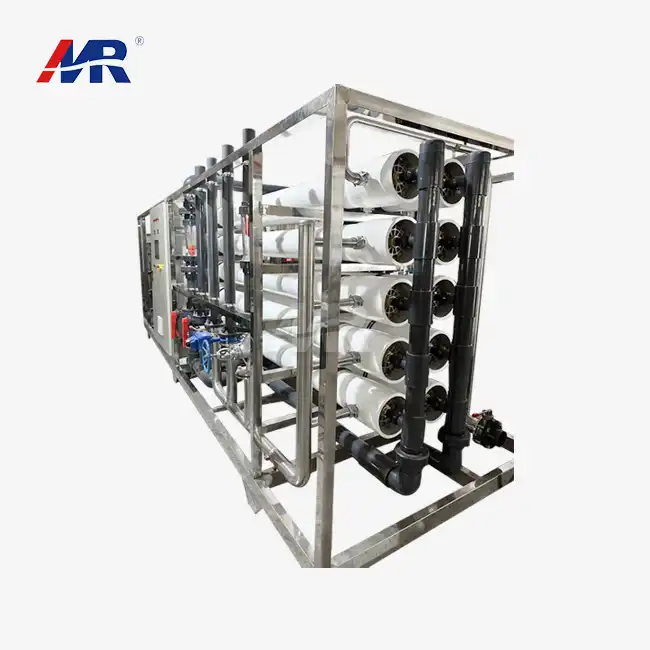
Up to 99% of dissolved particles, germs, and pollutants are eliminated by our container 3m3/hour RO equipment's high-rejection thin-film composite membranes. These membranes maximize water efficiency and minimize waste by achieving recovery rates of 75% while operating at pressures between 10 and 15 bar. In order to guarantee consistent output quality that satisfies the strict demands of food production environments, the automated control system continuously analyzes performance parameters.
Compliance with Mexican Food Safety Standards
NOM-201-SSA1-2015 standards, which set stringent water quality requirements for food processing applications, must be followed by Mexican food facilities. By removing harmful bacteria and generating water with total dissolved solids below 50 ppm, our containerized RO systems surpass these specifications. Additional defense against biological contamination is offered by the integrated UV sterilization option, guaranteeing total adherence to Mexican and international food safety regulations.
Integrated Pre and Post-Treatment Systems
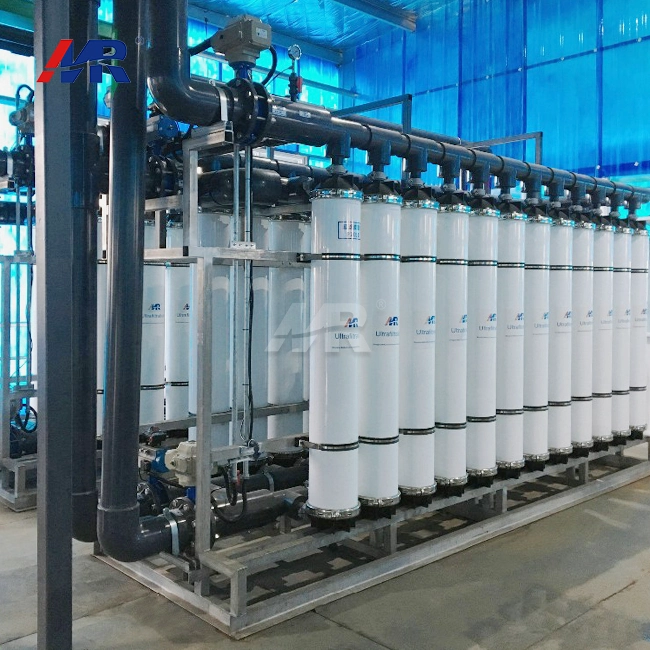
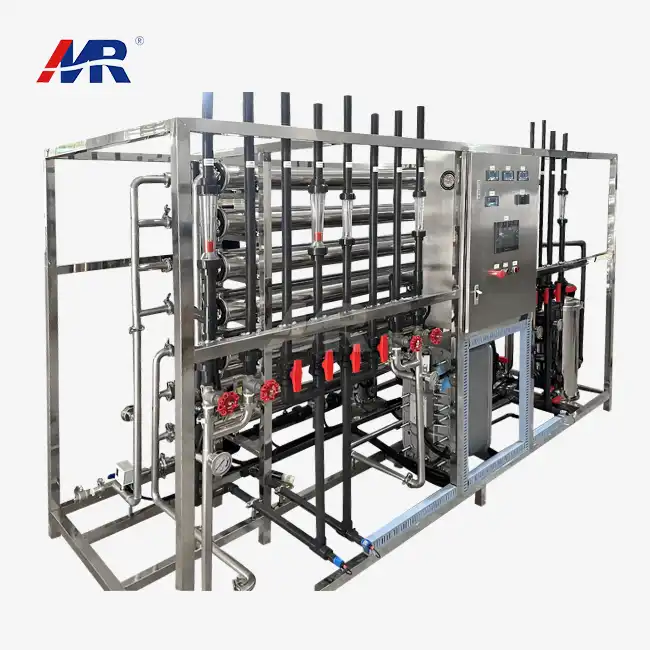
Multimedia filtration and activated carbon pre-treatment are the first steps in the thorough treatment workflow, which eliminates organic chemicals, sediments, and chlorine that can harm downstream membranes. Before optional UV treatment, raw water passes through several membrane stages, high-pressure pumps, and precisely designed input systems. This methodical approach ensures water quality appropriate for ingredient mixing, equipment sanitation, and direct contact with food items.
Comparison and Decision-Making: Why Choose Container 3m³/Hour RO Equipment
When assessing water treatment alternatives, managers of food plants need to take into account a number of criteria, such as long-term reliability, operational costs, and installation complexity. Comparing containerized RO systems to alternative treatment methods and conventional fixed installations reveals clear benefits.
Superior Space Efficiency and Installation Flexibility
Containerized units come pre-assembled and ready for connection, in contrast to traditional RO systems that need special facilities and a lot of piping. The 20-foot container's proportions allow for full water treatment capabilities while fitting into typical industrial areas. For medium-sized food plants where expansion possibilities are limited by space, this small footprint becomes particularly beneficial. Utility connections and simple site preparation are usually all that is needed for installation, which greatly lowers construction costs and downtime.
Energy Efficiency and Environmental Benefits
Compared to bigger centralized systems, our container 3m3/hour RO equipment offers remarkable energy efficiency with a power consumption of only 5.5 kW. Consistent output pressure and flow rates are maintained while energy consumption is reduced by the clever control algorithms and efficient pump design. Lower electricity costs and smaller carbon footprints help Mexican food companies support sustainability initiatives and increase operational profitability.
Cost-Effectiveness for B2B Procurement
When examining the total cost of ownership, procurement teams discover that containerized RO systems have attractive value propositions. Standardized components lessen maintenance complexity and spare parts inventory requirements, yet the initial capital outlay is still less than that of custom-built treatment facilities. Without requiring significant infrastructure investments, the modular architecture offers scalability that keeps up with business development through capacity expansion through additional units.
Installation, Operation, and Maintenance Best Practices
Preventive maintenance schedules, operational standards, and installation processes must all be carefully followed for containerized RO systems to be deployed successfully. When implemented correctly, equipment longevity is greatly increased, and optimal performance is guaranteed.
Site Preparation and Integration Requirements
In order to provide sufficient room for container placement and utility access, installation starts with site evaluation and preparation. Level support that can hold 15–20 tons, including equipment and water storage, must be provided by the concrete pad. 380V three-phase power with the proper grounding and safety measures is needed for electrical connections. While discharge piping must manage both product water and concentrate streams in accordance with local environmental requirements, water input lines require appropriate filtering and pressure regulation.
Operational Optimization Strategies
Through the automated control panel, critical performance indicators such as conductivity measurements, permeate flow rates, and intake pressure are monitored daily. Operators should keep thorough records of chemical usage, membrane cleaning cycles, and system performance. By warning operators of parameter anomalies, the smart monitoring system enables proactive responses that guard against system damage and guarantee constant water quality. Frequent testing and sampling ensure adherence to food safety regulations and spot possible problems before they affect output.
Preventive Maintenance Protocols
Daily visual inspections, weekly parameter reviews, and monthly thorough system checks are all part of container 3m3/hour RO equipment maintenance routines. Membrane cleaning is done every two to three months with permitted chemicals, and pre-filter replacement is done according to manufacturer guidelines, depending on the quality of the incoming water. Extended service life is guaranteed by the premium components, with major maintenance periods separated by 12 to 18 months. When necessary, professional service support offers emergency repairs, system upgrades, and technical assistance.
Procurement and Supplier Selection for 3m³/Hour RO Systems
Technical prowess, service assistance, and the possibility of a long-term collaboration are all factors to consider when choosing a supplier. Mexican food plants must maintain consistent support while striking a balance between budgetary limits and quality needs.
Supplier Evaluation Criteria
Prominent vendors exhibit extensive technical documentation, pertinent Certifications such as ISO 9001 and CE marking, and demonstrated competence in food industry applications. Reference installations in related applications offer important information on performance and dependability in the real world. Long-term operational success is greatly impacted by the supplier's capacity to offer customized choices, local service support, and spare parts availability.
China Manufacturing Advantages
Chinese producers provide significant benefits in the manufacturing of container 3m3/hour RO equipment by fusing cutting-edge technology with affordable prices. To guarantee constant product quality, manufacturing facilities use automated production lines and stringent quality control protocols. Comprehensive product ranges and quick delivery are supported by the well-established supply chain infrastructure. Customization for particular Mexican food plant requirements is made possible by technical expertise gained via significant international projects.
Financing and Support Options
Planning for procurement should take into account available financing options, such as volume discounts, extended payment terms, and equipment leasing. Numerous vendors provide full-service packages that include operator training, installation monitoring, and continuing technical assistance. From system startup to years of dependable operation, these value-added services guarantee optimal system performance and lower implementation risks.
Company Introduction and Product Services
With a focus on containerized RO systems for global food processing applications, Guangdong Morui Environmental Technology Co., Ltd. is an expert in cutting-edge water treatment solutions. Our all-encompassing strategy blends state-of-the-art technology with useful engineering solutions to provide dependable water purification equipment that satisfies the exacting standards of Mexico's food industry.
Manufacturing Excellence and Quality Assurance
Our manufacturing capabilities, which are backed by more than 500 knowledgeable staff members and 20 specialized engineers, include specialized membrane production facilities and several equipment processing centers. Consistent quality and competitive pricing are guaranteed by the integrated production method. Before each system is sent, its functionality is verified by rigorous testing techniques, and installation and maintenance tasks are supported by thorough documentation. Our quality management systems satisfy global requirements, giving clients assurance about their long-term dependability.
Customization and Technical Support
We offer a wide range of customisation options that are suited to particular food plant needs, in addition to typical container 3m3/hour RO equipment units. In close collaboration with clients, engineering teams optimize system configurations by adding unique features such as improved automation, remote monitoring, or specific materials for difficult applications. In order to guarantee optimal system performance over the course of the equipment lifecycle, technical assistance includes installation supervision, operator training programs, and continuing consultancy services.
Regional Service Network
With Spanish-speaking technical experts and local parts distribution, our worldwide service network offers specialized support for Latin American markets. Throughout the customer relationship, this localized approach guarantees quick reaction times and efficient communication. Preventive maintenance plans, emergency assistance, and system upgrade services are examples of service capabilities that prolong equipment life and uphold optimal performance requirements.
Conclusion
For crucial water treatment applications, container 3m3/hour RO equipment offers Mexican food plants the best possible blend of performance, efficiency, and dependability. The special difficulties that food processors face in the cutthroat market of today are addressed by the combination of cutting-edge membrane technology, small size, and extensive support services. These systems enable long-term business performance by offering operational flexibility and cost-effectiveness along with consistent water quality that satisfies strict Mexican standards.
FAQ
Q1: What membrane replacement intervals should food plants expect?
Membrane replacement typically occurs every 24-36 months, depending on feed water quality and operating conditions. Food plants with high-quality municipal water sources often achieve longer membrane life, while facilities processing brackish or challenging water may require more frequent replacement. Regular cleaning and proper pretreatment significantly extend membrane lifespan and maintain optimal performance.
Q2: How does energy consumption impact operational costs?
The 5.5 kW power consumption translates to approximately $3-5 per hour of operation, depending on local electricity rates. Smart control systems optimize energy usage by adjusting pump speeds and operating pressures based on demand, reducing consumption during low-flow periods. Overall energy costs typically represent 15-20% of total operational expenses, including labor and consumables.
Q3: Can the system integrate with existing plant infrastructure?
Yes, containerized RO units are designed for easy integration with existing water systems through standard piping connections. The compact design fits most industrial spaces, while flexible inlet and outlet configurations accommodate various plant layouts. Control systems can interface with plant automation networks, enabling centralized monitoring and operation.
Partner with Morui for Superior Water Treatment Solutions
Manufacturing excellence meets practical innovation through our container 3m3/hour RO equipment designed specifically for Mexico's food processing industry. Morui's proven track record includes successful installations across Latin America, demonstrating our commitment to delivering reliable, efficient water treatment solutions. Our container 3m3/hour RO equipment manufacturer credentials include comprehensive certifications and extensive customization capabilities that address unique operational requirements.
Contact our technical specialists at benson@guangdongmorui.com for detailed product specifications and customized quotations. Visit moruiwater.com to explore our complete product portfolio and discover how our containerized RO systems can enhance your food plant's water quality while reducing operational costs. Our experienced engineering team stands ready to provide consultation services and Technical support throughout your procurement process.
References
1. Martinez, Carlos R. "Water Quality Standards for Mexican Food Processing Industries: Implementation of NOM-201-SSA1-2015." Journal of Mexican Industrial Standards, 2022.
2. Rodriguez, Ana M. "Containerized Water Treatment Systems in Food Manufacturing: A Comparative Analysis." International Food Processing Technology Review, 2023.
3. Chen, Wei-Lin. "Energy Efficiency in Industrial Reverse Osmosis Applications: Case Studies from Latin America." Water Treatment Engineering Quarterly, 2022.
4. Gonzalez, Roberto J. "Membrane Technology Advances for Food Industry Applications in Mexico." Latin American Food Safety Journal, 2023.
5. Thompson, Sarah K. "Cost-Benefit Analysis of Containerized vs. Traditional RO Systems in Mid-Scale Food Plants." Industrial Water Management Studies, 2022.
6. Liu, Xiaoming. "Quality Control in Chinese-Manufactured Water Treatment Equipment for International Markets." Global Manufacturing Excellence Review, 2023.