

_1745823981883.webp)

Top 5 Benefits of Reverse Osmosis Distilled Water for Pure Drinking Water
Reverse osmosis distilled water is the best alternative for companies that need the best water for their activities. This very clean water goes through a thorough two-step cleaning process that gets rid of almost all impurities, contaminants, and suspended solids. When you combine distillation with reverse osmosis filtration, you get very clean water that meets the strict needs of many businesses, from medicines to food processing. This two-step process makes sure that distilled water is even cleaner than a regular filter, which is why it's necessary in situations where water quality directly affects the safety and soundness of a product.
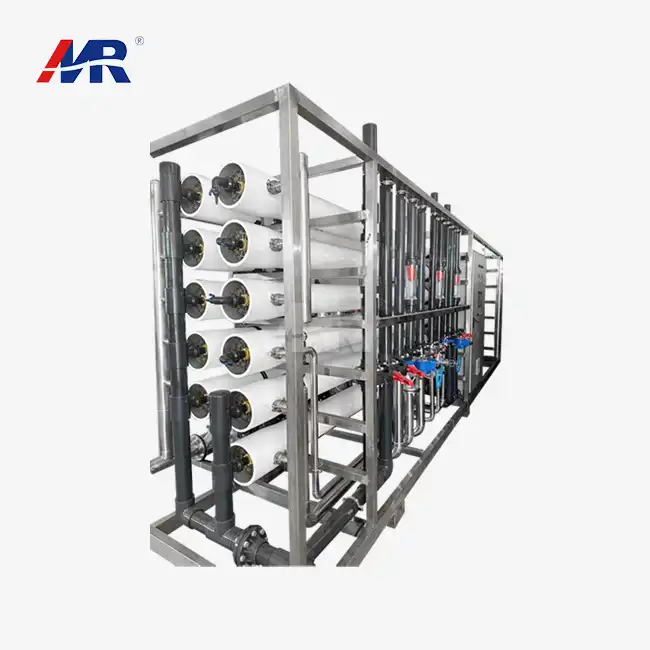
Understanding Reverse Osmosis Distilled Water
Reverse osmosis distilled water is the best way to clean water because it uses two strong methods together to make it super clean. The first step is reverse osmosis filtration, in which water is forced through semi-permeable filters to get rid of dissolved solids, salts, and bigger contaminants. In this first step, 95–99% of all liquid solids are removed. This includes heavy metals, bacteria, and viruses.
The Dual Purification Process
After being treated with reverse osmosis, the water is heated to turn it into mist and then cooled down to make it drinkable again. In this second step, any impurities that got through the membrane filter are removed. These could be volatile chemicals or trace minerals. The end result is water that is very clean, with almost no chemical or physical toxins.
Critical Applications Across Industries
Because reverse osmosis distilled water is so pure, it can't be used in sensitive industry settings. Pharmaceutical companies use this type of water to make sure they follow Good Manufacturing Practice (GMP) rules. Electronics companies use it to clean chips, where even tiny particles can ruin the product. Food and drink makers need this clean water to keep their Products safe and consistent, so they never have to worry about how the water quality affects their finished goods. Knowing these basics helps buying professionals figure out what suppliers can do and what the standards are for water quality. Choosing a trustworthy water treatment partner is very important when operations depend on maintaining clean levels that meet government standards.
Benefit 1: Superior Contaminant Removal with Reverse Osmosis Distilled Water
Reverse osmosis distilled water is great at getting rid of contaminants that other filter methods can't. Heavy metals, germs, viruses, dissolved solids, and even small amounts of organic substances that can mess up sensitive manufacturing processes are all removed by this advanced cleaning process.
Laboratory and Research Standards
Leading labs around the world use this type of water to meet ISO and FDA standards, distilled water, which protects the accuracy of tests and the dependability of operations. For studies and tests to produce the same results every time, research centers need water that is always at the same level of purity. Chemical processes and scientific data can't be messed up by rocks and other contaminants.
Regulatory Compliance Benefits
Pharmaceuticals and science are two industries that have to follow strict rules about water quality. Companies that use reverse osmosis distilled water can keep up with foreign standards like the USP (United States Pharmacopeia), EP (European Pharmacopeia), and WHO rules. This helps the process of getting products approved in global markets and lowers the risks that come with following the rules. This two-step process gets water very clean, which makes it very useful in precision manufacturing settings where water quality has a direct effect on the quality of the products and the success of the operations.
Benefit 2: Mineral-Free Water for Equipment Longevity and Efficiency
Reverse osmosis distilled water is mineral-free, which is very good for keeping industrial equipment in good shape and making it work better. This pure water, unlike tap water or even regular filtered water, doesn't cause scale buildup, rust, or mineral deposits that are common problems in industrial machines.
Equipment Protection Mechanisms
Mineral-free water is very good for industrial equipment like humidifiers, heaters, cooling systems, and steam producers. Scale growth from dissolved minerals can make heat movement less effective, use more energy, and eventually cause equipment to break down. These worries go away because reverse osmosis distilled water doesn't have any dissolved solids, so the equipment can work at its best.
Maintenance Cost Reduction
Companies that use this pure water say that their machine repair costs and downtime go down a lot. Getting rid of the need to clean because of scale and lowering the rate of rust makes tools last longer and be more reliable. The money saved on repairs often covers the cost of getting better water in the first place, making it a cost-effective long-term option. Reliable suppliers who can regularly deliver large amounts of high-quality water are especially helpful for bulk users because they make sure that operations don't stop and maintenance plans are known ahead of time. People who make decisions about procurement should give priority to partners who have a history of delivering large amounts of goods and ensuring quality.
Benefit 3: Meeting Safety Standards for Health and Product Integrity
Reverse osmosis distilled water meets the highest safety standards for both drinking and commercial use, according to most scientists. This type of water is safer than others because it lowers the risk of getting sick from dangerous chemicals that may be in other water sources.
Contaminant Elimination Benefits
The full cleansing process gets rid of heavy metals, pesticides, medicines, and microbes that could be harmful to your health. Reverse osmosis distilled water is very useful for businesses where water quality directly affects product safety and customer health because it gets rid of all contaminants.
International Safety Certifications
Following international safety and quality standards set by organizations like NSF, ISO, and WHO, distilled water builds buyers' trust in global markets. With these certificates, you can be sure that the water meets strict health standards and rules in many countries and businesses. Companies that make food, medicines, or market goods should use approved pure water to show that they care about the safety and quality of their products. This promise helps protect the brand's image, keeps customers trusting it, and meets legal requirements.
Benefit 4: Versatile Applications Across Multiple Industries
Because reverse osmosis distilled water is always clean, it can be used in a huge variety of industrial and business settings. It can be used in a lot of different ways because it has a neutral chemical profile and doesn't contain any substances that could change the quality of the result or the speed of the process.
Multi-Industry Applications
Food-making plants use this water to make sure that the taste and quality of their products stay the same, and drug companies use it to make drugs and formulate them. Manufacturers of electronics use it for precise cleaning and rinsing tasks where even small amounts of dirt or dust could damage the finished product. Companies that make cosmetics and personal care items need ultra-pure water for recipes because the quality of the water affects how safe and stable the products are.
Supply Chain Advantages
Having good bulk logistics skills, like being able to deliver goods on time and find the best ways to store them, is important for procurement managers who need to keep supply chains running smoothly. Getting high-quality water from dependable sources helps with planning production and keeping track of goods in a wide range of settings.
Standardizing Water Supply
Knowing about these different uses helps procurement professionals make smart choices about where to buy things that meet the needs of specific products while also being reliable in the long run. Because reverse osmosis distilled water can be used for many things, companies can often standardize their water supply across all of their uses. This makes buying water easier and builds relationships with suppliers.
Benefit 5: Cost Savings and Supplier Selection for Bulk Purchases
Reverse osmosis distilled water is very pure, but it gets cheaper when bought in bulk. Laboratories, original equipment makers, and industrial users who need a lot of water will benefit the most from this cost benefit.
Economic Analysis and Savings
When you buy in bulk, you usually get better prices per gallon than when you buy in smaller amounts. The total cost of ownership study should look at more than just the cost of water. It should also look at how using pure water lowers the cost of equipment upkeep, makes machines last longer, and makes operations more efficient.
Supplier Selection Criteria
For buying strategies to work, they need to carefully look at how trustworthy suppliers are by looking at things like their production capacity, quality standards, environmental practices, and customer service skills. Reliable suppliers offer stable product quality, flexible shipping times, and quick expert support that helps different uses get the most out of the water they use. Sustainable buying practices are growing in importance as businesses put cost and environmental duty at the top of their list of priorities. Suppliers who promise to use eco-friendly production methods and cut down on trash add value by providing distilled water, making it easier for companies to meet their social responsibility obligations.
Morui Environmental Technology: Your Trusted Distilled Water Supplier
As a top company that treats water in many ways, Guangdong Morui Environmental Technology Co., Ltd. specializes in reverse osmosis distilled water systems for a wide range of commercial uses. Our company has more than 14 locations and more than 500 committed workers, including 20 specialized engineers. We are the experts when it comes to water cleaning technology.
Comprehensive Manufacturing Capabilities
Our combined manufacturing method includes factories that make our own membranes and factories that process a lot of different kinds of equipment. This way, we have full control over the quality of our products and when they are delivered. Because we are vertically integrated, we can keep our quality standards high and offer low prices for large distilled water needs.
Advanced Technical Support
As official dealers for well-known names like Shimge Water Pumps, Runxin Valves, and Createc Instruments, we offer full installation and testing services in one place. Our expert team comes up with unique solutions that meet the needs of each industry for treating industrial wastewater, desalinating seawater, and making ultra-pure water. We have a lot of experience in many fields, such as industry, medicine, electronics, food processing, and treating municipal water. Because we have worked in a lot of different industries, we can understand the problems that each one faces and come up with custom solutions that improve both water quality and operating efficiency.
Conclusion
For businesses that need very pure water for a wide range of industry uses, reverse osmosis distilled water is the best option. These five main benefits—ultra-pure water, equipment protection, health safety guarantee, industry versatility, and low cost—show why top companies around the world rely on this cutting-edge water treatment technology. The two-stage purification method guarantees consistent quality that meets strict government standards. It also saves money by lowering upkeep costs and increasing working efficiency. When businesses strategically buy bulk reverse osmosis distilled water from dependable suppliers, they can run their operations more efficiently while still meeting the highest quality standards.
FAQ
1. Is reverse osmosis distilled water safe for daily consumption?
All international safety standards for human usage are met by reverse osmosis distilled water. The thorough purification method gets rid of dangerous contaminants while keeping the water safe for daily use. A lot of people who care about their health like this type of water because it tastes neutral and is free of any chemicals that could be dangerous.
2. How does reverse osmosis distilled water compare to other purified water types?
Reverse osmosis distilled water is different from filtered or mineral water because it goes through a full dual-purification process that gets rid of a wider range of contaminants. Because of this advanced process, it can be used in very sensitive situations where other types of water might not be pure enough.
3. What should procurement managers consider when selecting a distilled water supplier?
Purchasing managers should look at a supplier's environmental practices, production capacity, dependability of delivery, and price competitiveness. Quality approvals like ISO and NSF standards make sure that the products are always the same, and reliable delivery services help keep operations running smoothly and handle the supply chain well.
Partner with Morui for Premium Distilled Water Solutions
Morui Environmental Technology wants people who are in charge of buying things to look at our full range of distilled water reverse osmosis options, which are made for industry excellence. Our skilled professionals offer one-on-one meetings to fully understand your needs and suggest the best water treatment solutions. Email our technology experts at benson@guangdongmorui.com to talk about prices for large orders, shipping times, and compliance paperwork. You can see our full list of products at moruiwater.com and ask for samples to test the quality. Morui is the best distilled water maker for long-term buying success because of its dependability and quality.
References
1. World Health Organization. Guidelines for Drinking-Water Quality: Fourth Edition Incorporating the First Addendum. Geneva: WHO Press, 2017.
2. United States Environmental Protection Agency. National Primary Drinking Water Regulations: Reverse Osmosis Systems. EPA Office of Water, 2019.
3. American Water Works Association. Water Quality and Treatment: A Handbook on Drinking Water. Sixth Edition. McGraw-Hill Professional, 2011.
4. International Organization for Standardization. ISO 3696:1987 Water for Analytical Laboratory Use - Specification and Test Methods. Geneva: ISO Publications, 1987.
5. National Science Foundation. NSF/ANSI Standard 58: Reverse Osmosis Drinking Water Treatment Systems. NSF International, 2020.
6. United States Pharmacopeial Convention. USP Monographs: Purified Water and Water for Injection. USP-NF 2023 Issue 1. Rockville: USP Publications, 2023.
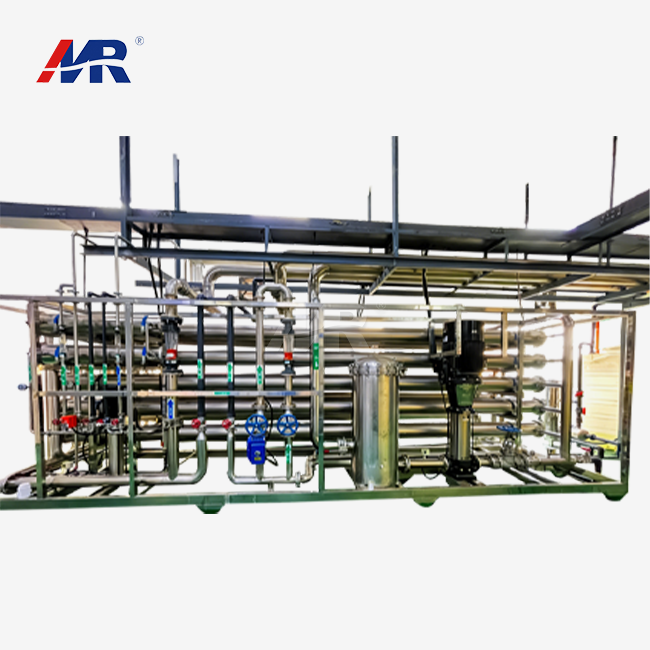 VIEW MOREnew ro system
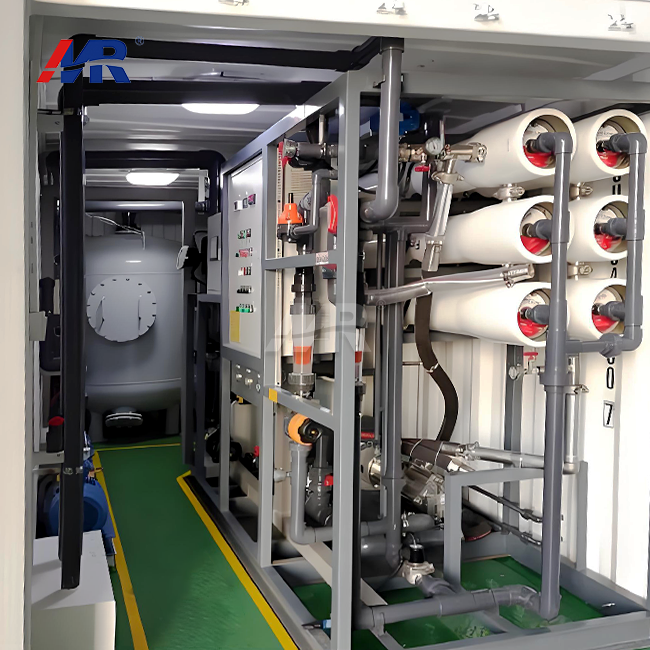 VIEW MOREcontainerized RO equipment
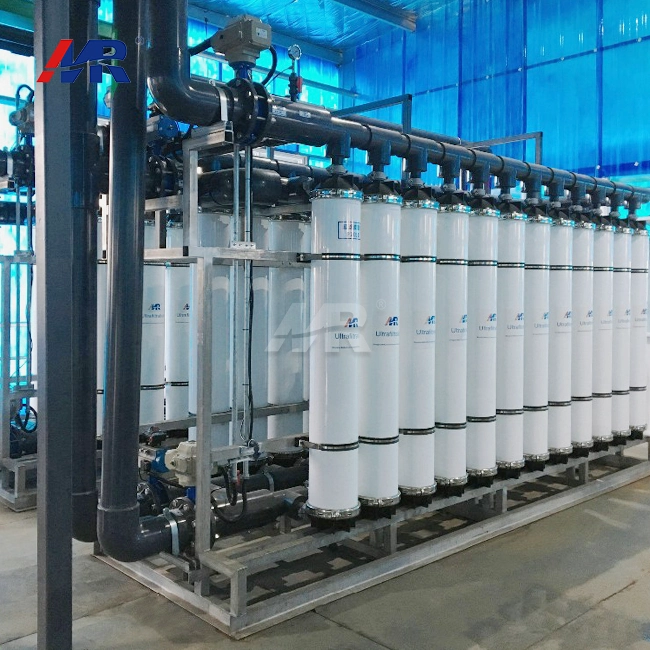 VIEW MOREultrafiltration equipment
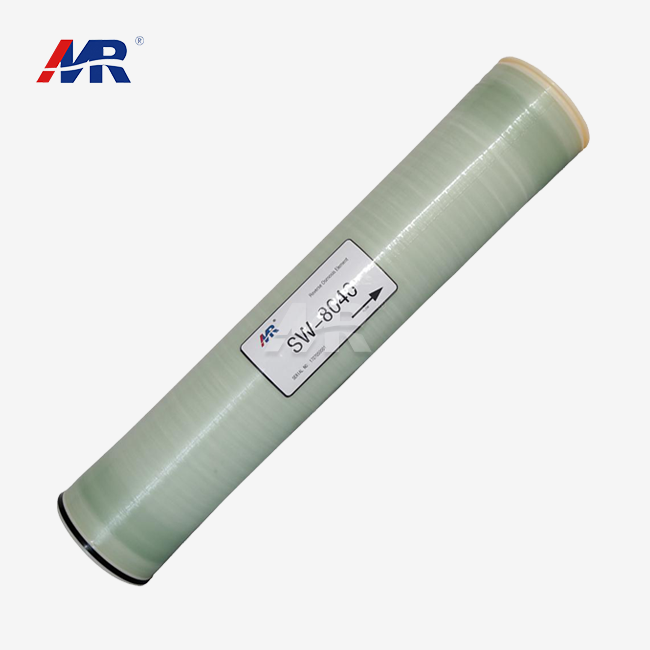 VIEW MORE8040 seawater reverse osmosis membrane
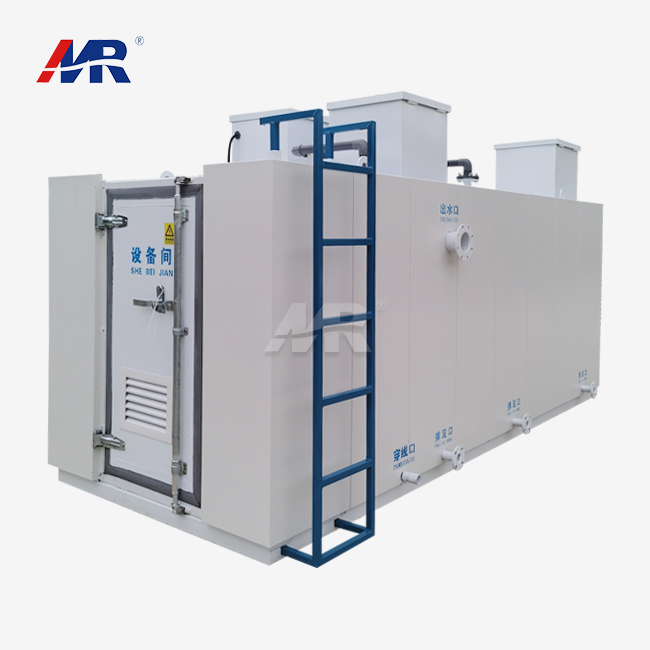 VIEW MOREwastewater treatment plant
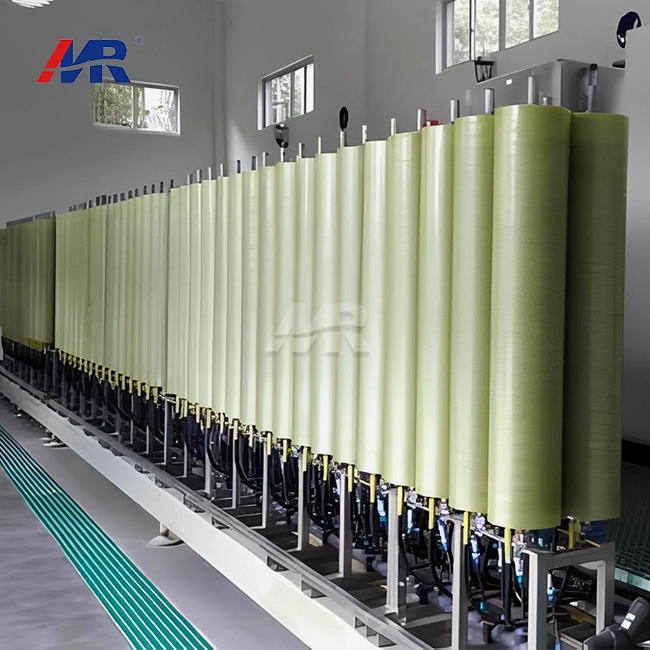 VIEW MORELeachate DTRO Treatment Equipment
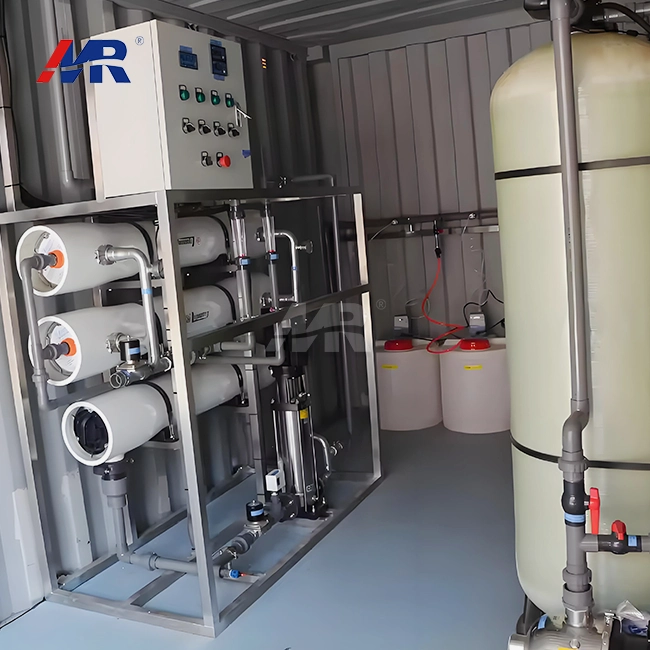 VIEW MOREcontainerized reverse osmosis system
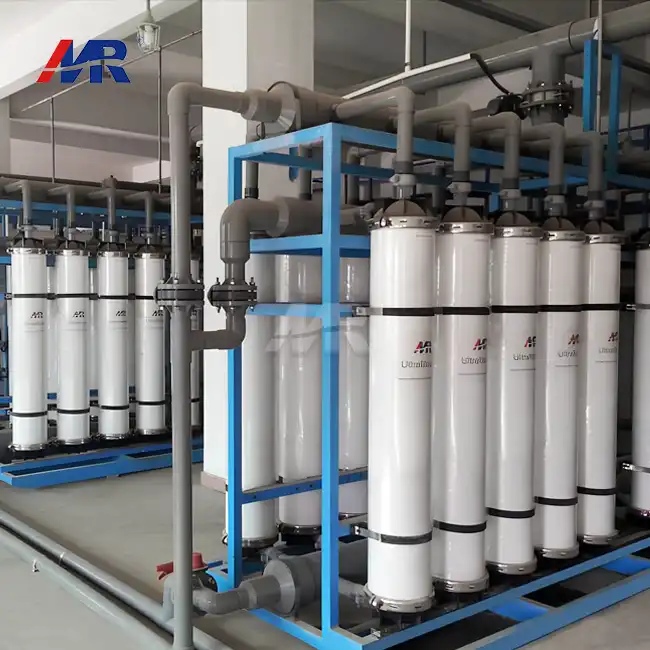 VIEW MORE20m3/hour ultrafiltration equipment
