

_1745823981883.webp)

How Does a Pressure Pump Work in Reverse Osmosis Systems? Explained
In reverse osmosis devices, a pressure pump is what makes enough hydraulic pressure to push water molecules through barriers that are only partially permeable. This important part goes against the natural osmotic pressure by creating pressures that are usually between 150 and 1200 PSI, but this depends on the saltiness of the feed water and the specs of the membrane. Without good pressure pump performance, RO systems can't separate contaminants well, which leads to bad water quality and less efficient systems in many commercial settings.

Understanding the Role of Pressure Pumps in RO Systems
Reverse osmosis systems depend on pressure pumps to provide the mechanical energy needed to push water through the membrane holes that are very small. For steady permeate production rates, these pumps must make enough pressure to beat both osmotic resistance and membrane friction. The connection between pump pressure and water quality is still very important, because not enough pressure can cause incomplete filtration and membrane fouling.
Fundamental Functions of High-Pressure Pumps
These pumps do more than just move water; they maintain steady pressure for optimal membrane performance and compensate for system drops. They control flow to protect membranes from damage and supply energy to concentrate reject streams, boosting water recovery. Their energy efficiency directly impacts operating costs, making smart selection critical. Modern designs with variable frequency drives adjust output to real-time demand, saving power while ensuring reliability.
Types of Pressure Pumps in Industrial RO Applications
Centrifugal pumps handle high volumes with minimal upkeep, making them ideal for large-scale, continuous use where stable pressure supports membrane life. Positive displacement pumps deliver precise flow and higher pressures for specialised tasks. Self-priming models simplify installation by eliminating external priming, while electric motors offer consistent, economical operation. Diesel-powered units provide independence from the grid in remote locations, giving operators flexibility based on their specific needs.
Choosing the Right Pump for the Job
Selecting the right pump depends on feed water characteristics, output requirements, and energy availability. Centrifugal pumps suit steady, high-volume demands, while positive displacement models excel where precision matters. Ease of maintenance and long-term costs also guide the decision. Each type offers distinct advantages in different settings, so weighing operational factors carefully ensures you get reliable performance without overinvesting in unnecessary features.
How Pressure Pumps Work in Reverse Osmosis Systems: A Systematic Approach?
To understand how pressure pumps work in RO systems, you have to look at the problems these systems have when they don't have enough pressure. Not enough pressure results in less membrane flux, lower rejection rates, and the possibility of biological fouling because cross-flow speeds are not fast enough. Over time, these problems get worse, which makes the system work less well and need more upkeep.
Overcoming Osmotic Pressure Through Mechanical Force
Reverse osmosis systems use pumps to overcome natural osmotic pressure, forcing water through a membrane. The required pressure varies by source; seawater desalination often needs over 800 PSI, while brackish water requires 150–400 PSI to function effectively.
Step-by-Step Operational Mechanism
The pump draws pre-filtered feed water and pressurises it for the membrane tank. Here, clean permeate is separated from concentrated reject water. Energy recovery devices then capture pressure from the reject stream, recycling it to improve overall system efficiency significantly.
Pressure Control and System Automation
Control valves and monitoring systems maintain stable operating conditions despite changes in feedwater quality. They automatically adjust pump speed and settings to ensure consistent water quality. This protects equipment from damage and guarantees optimal performance at all times.
Industrial Case Studies and Performance Data
A pharmaceutical plant achieved 99.8% contaminant removal and reduced energy use by 25% with advanced pumps. Similarly, a bottling company installed multi-stage pumps, which cut membrane replacements by 40%. These Cases prove that proper pump selection drives both quality and savings.
Selecting the Right Pressure Pump for Your RO System
To pick the right pressure pump, you need to carefully consider a lot of different performance factors and working needs. When looking for the best reverse osmosis system with remineralisation, a pressure rating agreement with membrane specs makes sure that the equipment works at its best without breaking. Flow volume must match the demand of the system, and the cross-flow rate must be high enough to clean the membrane. Energy use has a direct effect on running costs, so efficiency is a very important factor in the decision process.
Critical Selection Criteria and Performance Parameters
The pressure rating tells you the highest pressure that the pump can safely produce. It must be higher than the needed operating pressure by a certain amount to be safe. Flow capacity tells you how much water the pump can move in a given amount of time, which has a direct effect on how productive the system is. Different types of pumps need very different amounts of maintenance. Some need to be checked every day, while others can work regularly for months without needing to be serviced.
Energy usage traits include both the amount of electricity needed and the rating of how well a machine works. Facilities that need to be quiet, like labs and medicine factories, need to pay attention to noise levels. Temperature tolerance affects how well a pump works in harsh conditions, and rust resistance decides how long it will last in difficult water chemistry conditions.
When buying, teams choose industrial pressure pumps. These are the most important performance factors they should look at:
- Pressure Capability: Pumps must give 15 to 20 per cent more pressure than the maximum operating requirements to account for changes in the system and keep performance steady throughout the running cycle.
- Flow Rate Specifications: The best flow rates should be in line with what the membrane maker recommends and have enough cross-flow velocity to keep the membrane clean and stop fouling.
- Energy Efficiency Ratings: Most modern pumps are 75–85% efficient, and the best ones, with magnetic bearings and advanced impeller designs, can hit 90% efficiency in their best working ranges.
- Maintenance Intervals: Good pumps work for 8,000 to 12,000 hours without needing major repairs. Some designs can go up to 15,000 hours thanks to modern materials and careful manufacturing.
- Corrosion Resistance: Made of stainless steel and coated with special materials, it can work reliably in harsh water conditions for 10 to 15 years.
Because these specs have a direct effect on both the original cost of buying the system and its long-term costs of running it, it is important to do a full evaluation before putting it in place.
Pump Type Comparison and Application Matching
When the pressure needs to go up by a modest amount, booster pumps work great. They are usually used in pre-treatment steps or small-scale systems. Centrifugal pumps are the most common type used in large-scale industrial settings because they can handle a lot of fluid and have been tested to work reliably for years. Diesel engines allow for working freedom in rural areas, while electric drive systems offer exact control and lower maintenance needs.
Self-priming pumps don't need external priming devices, which makes installation easier and increases the reliability of starting. Designs that don't self-prime usually work better and cost less, but they need extra tools for priming. Variable speed drives let you precisely control flow and pressure while also using less energy when demand is low.
During the decision process, future growth should be taken into account to make sure that the chosen pumps can handle higher capacity needs. Integration costs and operational complexity are affected by how well new control systems work with old ones. Long-term repair costs and system stability are affected by how easy it is to get spare parts and how well local service teams can help.
Supplier Selection and Investment Protection
Manufacturers with a good reputation, like Grundfos and Franklin Electric, have a history of success in treating water in commercial settings. They also offer full warranties and service networks around the world. As long as the supplier's finances are stable, parts will always be available and expert help will be available throughout the lifecycle of the equipment. Response times and repair costs are cut down by local service capabilities, which is especially important for mission-critical apps.
Usually, warranties last between 12 and 36 months, but for more expensive items, they can last longer. Technical help, training programmes, and emergency repair services are all parts of after-sales support. Parts supply promises make sure that equipment can be kept for as long as it is used, which protects the initial investment and lowers the risk of downtime.
Customisation choices let suppliers change standard goods to meet the needs of specific applications, such as those that need special materials, control systems, or mounting arrangements. Scalability checks make sure that the seller chosen can support adding to or changing the system as practical needs change.
Maintaining and Troubleshooting Pressure Pumps in RO Systems
Maintenance programmes that work well make sure that pressure pumps work well, keep operations running smoothly, and extend the life of equipment, such as the best reverse osmosis system with remineralisation. Schedules for preventive repair should match what the maker suggests and how busy the business is. Inspections done on a regular basis find problems before they become major problems. This lowers the cost of repairs and production losses.
Essential Maintenance Practices and Schedules
As part of routine inspections, pump parts are looked at visually to find leaks, strange vibrations, or changes in noise that could mean problems are starting to happen. Monitoring the state of the seals stops water from getting in, which can damage electrical parts and joints. Bearing maintenance plans depend on the type of pump and how it is used, but for most industrial pumps, they need to be serviced every 2,000 to 6,000 hours.
Checking the connections on electrical parts includes making sure they are tight, checking the insulation's resistance, and keeping an eye on the motor's current. Calibration of the control system makes sure that pressure and flow measurements are correct, stopping any changes in operation that might hurt membranes or lower efficiency. By looking at performance trends, you can spot slow declines that could mean a part is about to break.
Cleaning methods get rid of biological growth and mineral layers that can slow down a pump. Chemical compatibility makes sure that cleaning Products don't hurt the materials or parts in the pump. Some of the things that must be documented are performance data, parts replacement records, and maintenance logs. These help with guarantee claims and make maintenance plans more efficient.
Common Issues and Troubleshooting Solutions
A lot of noise usually means that there are problems with the bearings, the alignment, or the cavitation that need to be fixed right away. Flow changes can happen when impellers are worn out, suction strainers get clogged, or the control system stops working right. Overheating usually happens because of poor lube, too much load, or problems with the cooling system.
Value changes in the pressure can show signs of wear on the pump, clogs in the system, or issues with the control valves that need to be systematically diagnosed. More vibrations usually mean that the bearings are wearing out, the fan isn't balanced, or there are problems with the base that need to be fixed right away. Increasing energy use could mean that the pump is less efficient or that the system is working in a different way.
Performance tests, tremor analysis, and thermal imaging are some of the diagnostic methods used to find specific problem areas. Troubleshooting books help maintenance workers find the root causes of problems and fix them in the right way. When instant action is needed, emergency repair methods cut down on downtime as much as possible.
Energy Optimisation and Technological Upgrades
By matching pump output to real system demand instead of running at a steady speed with throttling valves, variable frequency drives save a lot of energy. Depending on changes in load and system design, these systems can cut energy use by 20 to 50 per cent. Advanced control methods make the pump work better by taking into account many system factors, which increases its efficiency even more.
Energy recovery systems take pressure energy from reject streams, which lowers the amount of energy needed for the main pump. Heat exchangers keep equipment safe from thermal stress and keep working temperatures at the best levels for maximum performance. Smart monitoring systems show real-time info on how efficient something is, which helps workers find ways to make things better.
Things to think about when upgrading include how well it works with current technology, how long it takes to pay for itself, and how hard it is to run. Technology refresh rounds happen about every 7 to 10 years, which lets the newest control and economy technologies be used. A professional evaluation helps find the most cost-effective ways to update certain apps.
Integrating Pressure Pumps with RO Systems for Specific Applications
Application-Specific Integration
Successful pump integration requires matching the design to its use. Agriculture needs reliability and low maintenance. Pharmaceuticals demand precise control and documentation. Industrial water treatment prioritises volume, while laboratories focus on purity. The installation site must also allow easy access for service and protect the unit from damage.
Installation and Safety
Proper installation ensures long-term performance. Pipes must minimise pressure loss while allowing for heat expansion. A solid foundation controls vibration. Safety features like pressure relief valves are essential. Integrated control systems provide operational data for monitoring and optimisation, while alarms alert staff to issues requiring immediate attention to prevent failure.
Strategic Procurement
Smart procurement balances upfront cost against long-term expenses like energy and repairs. Bulk buying and supplier consolidation can reduce costs and simplify training. Coordinated deliveries prevent storage issues, and pre-installation quality checks ensure equipment meets specs. Finally, strong warranty management and service contracts guarantee support, while training prepares staff for maintenance.
Conclusion
Pressure pumps are the most important part of reverse osmosis systems because they let them work as intended in a wide range of commercial settings. Understanding how they work, how to choose them, and how to keep them in good shape helps decision-makers get the best results from both the original purchase and the long-term use. Full system design and proper coupling ensure the highest levels of effectiveness, dependability, and return on investment. Pump technology is always getting better, with new features like energy recovery systems and smart settings that can make future setups run more efficiently and cost less to run.
FAQ
1. What pressure range do industrial RO pressure pumps typically operate at?
Industrial RO pressure pumps can work at a lot of different pressures, based on the job. Systems that deal with brackish water need 150 to 400 PSI, while systems that desalinate seawater need 800 to 1200 PSI. The exact pressure needed depends on how salty the feed water is, what kind of barrier is used, and how fast recovery is needed.
2. How do I calculate the required pump capacity for my RO system?
Figuring out a pump's capacity means figuring out how much permeate output and concentrate flow is needed altogether. Add a safety cushion of 15 to 20 per cent to account for membrane age and changes in the system. When deciding how big a pump to buy, you should think about times of high demand and plans for future growth.
3. What are the signs that it's time to change the pressure pump?
Some important signs are decreasing efficiency despite upkeep, not being able to keep the needed pressure, using too much energy, needing too many repairs, and being unable to get old parts. Performance tracking data that shows a steady decline over time usually means that a new review is needed.
Choose Morui for Your Industrial Pressure Pump Solutions
Morui is a reliable company that sells pressure pumps and can customise reverse osmosis systems to meet your specific needs. Our 20 experienced engineers and a wide range of production skills help you choose the best pumps and integrate them into your system without any problems. We offer full installation and testing services backed by our proven knowledge in water treatment technology. We have more than 14 branches and work with top brands like Shimge Water Pumps. Get in touch with benson@guangdongmorui.com to talk about your unique pressure pump needs and find out how our custom solutions can improve the performance of your RO system.
References
1. Membrane Technology and Research Institute. "High Pressure Pump Design for Reverse Osmosis Systems." Industrial Water Treatment Journal, Vol. 45, 2023.
2. International Desalination Association. "Energy Efficiency in Reverse Osmosis Pressure Pumps: Best Practices and Technology Trends." Desalination Technology Review, 2024.
3. American Water Works Association. "Pump Selection Criteria for Municipal Reverse Osmosis Systems." Water Treatment Equipment Standards, 2023.
4. Society of Manufacturing Engineers. "Industrial Water Treatment: Pressure Pump Integration and Optimization." Manufacturing Engineering Quarterly, Vol. 38, 2024.
5. Water Quality Association. "Maintenance Protocols for High-Pressure Pumps in Commercial RO Applications." Technical Standards Manual, 2023.
6. International Water Association. "Comparative Analysis of Pressure Pump Technologies in Large-Scale Desalination Plants." Water Technology Research, Vol. 29, 2024.
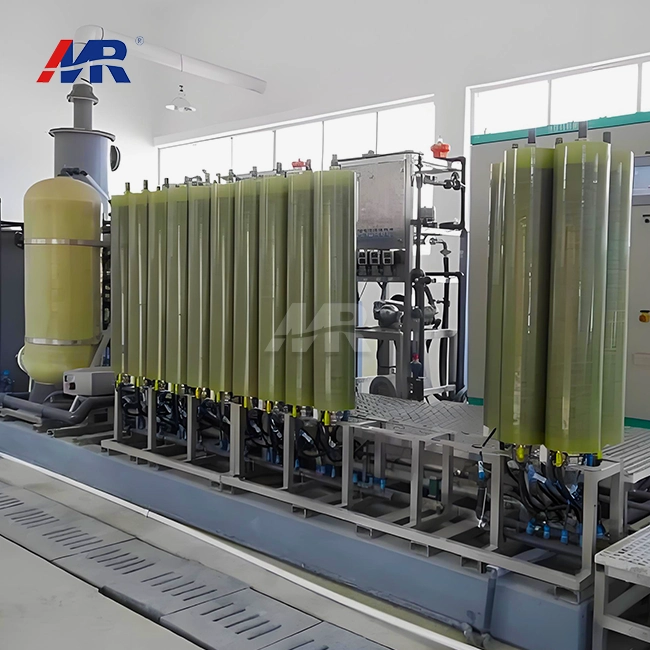 VIEW MOREDTRO Landfill Leachate Treatment
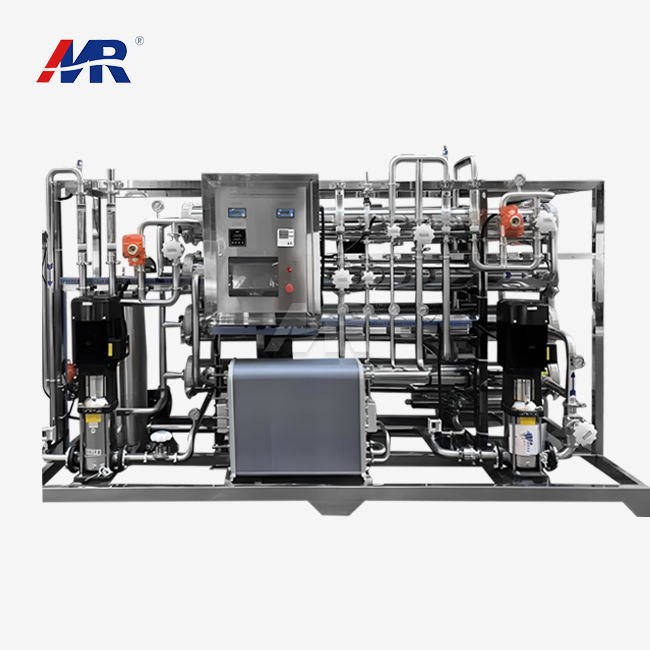 VIEW MOREelectro deionizer system
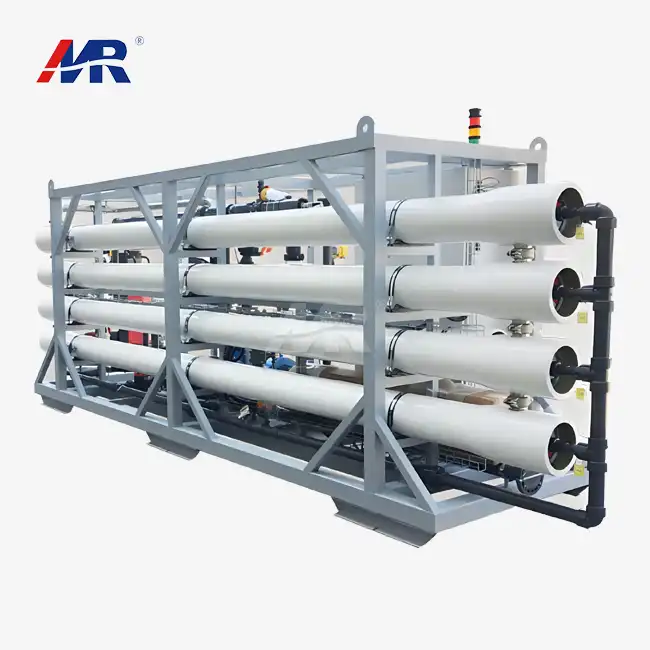 VIEW MORE12m3/hour seawater desalination equipment
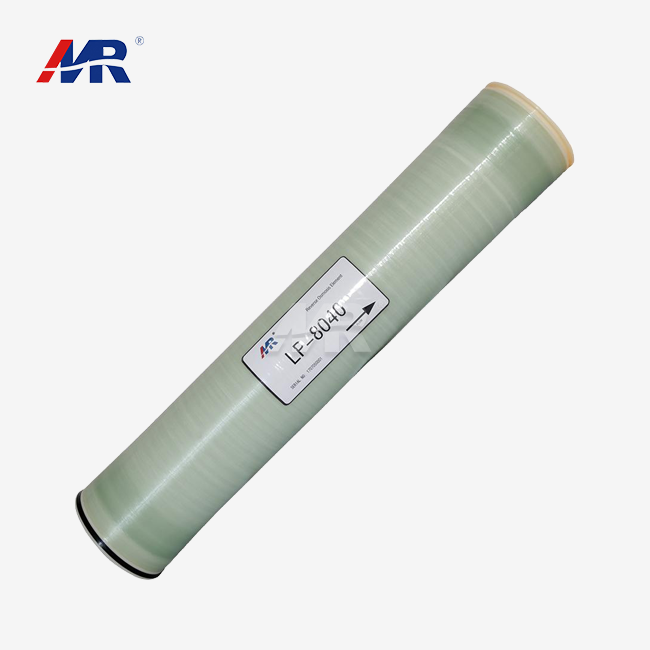 VIEW MOREreverse osmosis membrane
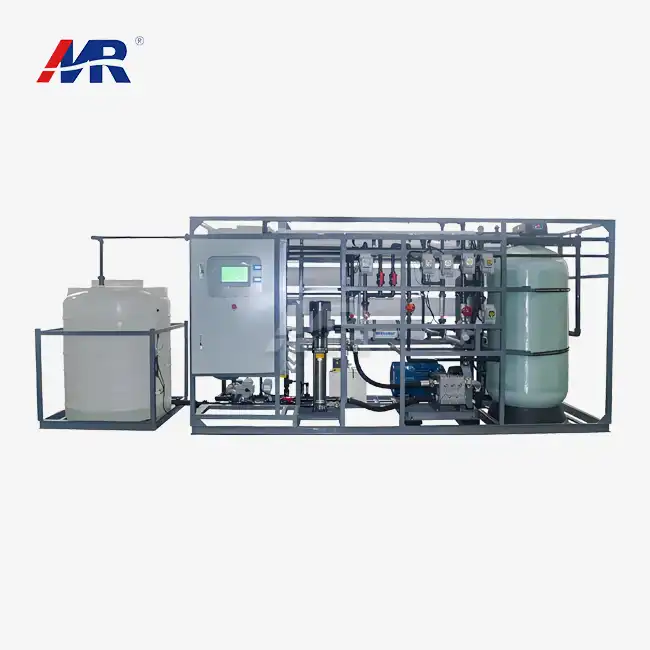 VIEW MORE5m3/hour seawater desalination equipment
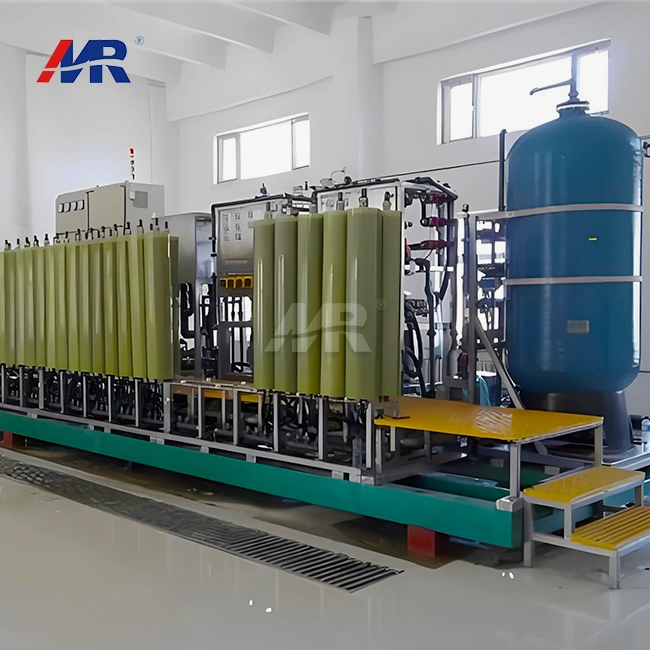 VIEW MOREDTRO system
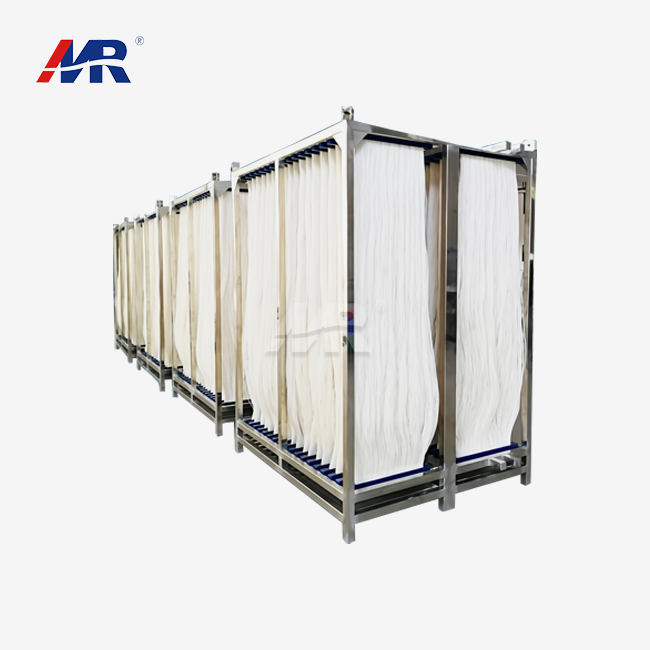 VIEW MOREbioreactor wastewater treatment
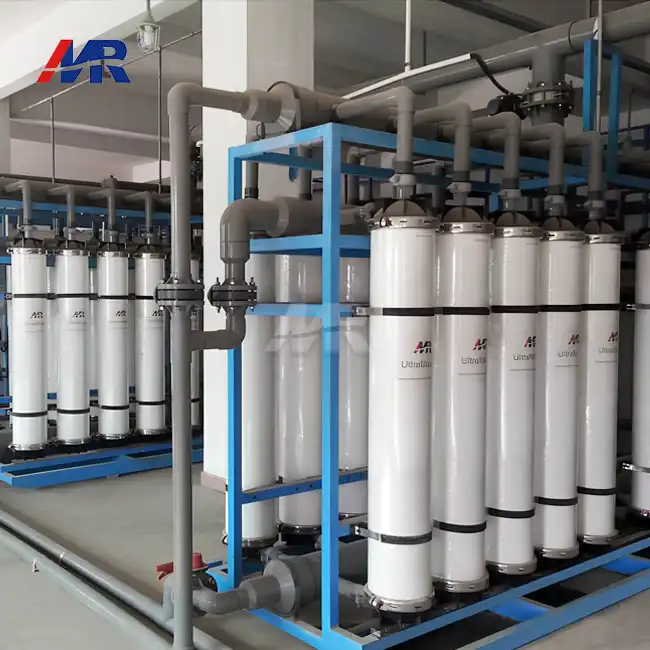 VIEW MORE200m3/hour ultrafiltration equipment
