

_1745823981883.webp)

Top 5 Maintenance Tips to Maximize Efficiency of Your 90T/H Ultrafiltration Equipment
Keeping up the crest execution of your 90T/H ultrafiltration system is pivotal for guaranteeing steady water quality and operational productivity. As specialists in mechanical water treatment, we understand the challenges of overseeing high-capacity ultrafiltration plants. This article diagrams five basic upkeep tips to help you optimize the execution and lifespan of your 90T/H ultrafiltration gear. By actualizing these techniques, you can minimize downtime, decrease operational costs, and keep up the most noteworthy measures of water filtration for your mechanical or civil applications. The key to maximizing the proficiency of your ultrafiltration plant lies in proactive support and cautious observation. Our best 5 support tips center on layer care, framework cleaning, execution following, administrator preparation, and preventive maintenance plans. These hones are planned to address the special requests of large-scale ultrafiltration systems, guaranteeing that your 90T/H hardware proceeds to provide predominant filtration results with negligible interferences. Whether you're treating metropolitan drinking water, mechanical prepare water, or planning nourish water for desalination, these upkeep methodologies will offer assistance you accomplish ideal execution and prolong the life expectancy of your important ultrafiltration assets.

Implement a Rigorous Membrane Cleaning Regime
The heart of any ultrafiltration system is its membrane array. For a 90T/H capacity plant, maintaining membrane integrity is paramount to ensuring consistent high-quality water output. Implementing a rigorous membrane cleaning regime is the first and perhaps most critical step in maximizing your equipment's efficiency.
Frequency of Cleaning
The recurrence of film cleaning ought to be decided by a few variables, including support water quality, operational parameters, and observed execution decay. As a common run the show, arrange for day by day fast flushes to expel free particles and avoid early-stage fouling, week by week chemical cleanings to address direct natural or inorganic buildup that may influence flux, and month to month profound chemical cleanings to evacuate tireless contaminants. This organized approach makes a difference, keeps up steady operational execution, and amplifies layer benefit life.
Chemical Cleaning Procedures
Effective chemical cleaning includes a carefully arranged grouping planned to reestablish layer penetrability and avoid irreversible fouling. The handle regularly starts with a pre-rinse utilizing clean water to flush out surface flotsam and jetsam, followed by an antacid wash to target natural foulants such as oils, proteins, and natural buildups. A corrosive wash is at that point connected to break down inorganic scaling and mineral deposits. A last flush guarantees all chemicals are expelled. Utilizing chemicals consistent with PVDF empty fiber layers and following to prescribed concentrations is essential to ensure layer integrity.
Monitoring Cleaning Effectiveness
After each cleaning cycle, screen key execution markers such as transmembrane pressure (TMP), particular flux, and saturation quality to assess the adequacy of the method. An effective cleaning ought to reestablish TMP and flux values near standard, demonstrating that fouling has been satisfactorily expelled. If execution comes up short to return to anticipated levels, this may flag more profound issues such as irreversible fouling, dishonorable chemical dosing, or mechanical issues, making master discussion essential for progressed investigation and system optimization.
Optimize Backwash and CIP Protocols
Backwashing and Clean-in-Place (CIP) strategies are basic for keeping up the proficiency of your 90T/H ultrafiltration plant. These forms expel accumulated foulants and anticipate long-term film harm. Optimizing these conventions can altogether improve framework execution and diminish operational costs.
Backwash Optimization
Effective backwashing involves:
- Adjusting recurrence based on nourish water quality and flux decline
- Optimizing the discharge term to minimize water utilization while guaranteeing satisfactory cleaning
- Experimenting with discuss scouring to upgrade foulant removal
- Monitoring discharge water quality to guarantee it doesn't present modern contaminants
CIP Protocol Enhancement
To enhance your CIP process:
- Use data-driven approaches to decide ideal CIP timing
- Select cleaning chemicals that target particular foulants in your system
- Optimize chemical concentrations and contact times for the most extreme effectiveness
- Implement temperature control to improve cleaning adequacy without harming membranes
- Consider two-stage CIP for adamant fouling: a beginning soluble wash followed by a corrosive wash
Automation and Monitoring
Leverage your PLC-controlled system to:
- Automate discharge and CIP cycles based on execution triggers
- Collect and analyze information to ceaselessly refine cleaning protocols
- Set up alarms for inconsistencies in cleaning effectiveness
- Implement inaccessible checking capabilities for real-time oversight
Conduct Regular Performance Audits and Optimization
Regular execution reviews are vital for keeping up the effectiveness of your ultrafiltration plant 90T/H Ultrafiltration Equipment. These reviews offer assistance in distinguishing potential issues that time recently arisen and give opportunities for continuous optimization.
Key Performance Indicators (KPIs)
Monitor and analyze these critical KPIs:
- Permeate flux rates
- Transmembrane pressure (TMP)
- Specific energy consumption (kWh/m³)
- Removal efficiency for particles, bacteria, and viruses
- Backwash and CIP frequency and effectiveness
- Membrane integrity test results
Data Analysis and Trending
Implement a robust data management system to:
- Track long-term performance trends
- Identify gradual declines in efficiency
- Correlate performance changes with operational variables
- Predict maintenance needs and potential failures
Optimization Strategies
Based on audit results, consider these optimization strategies:
- Fine-tuning working parameters such as flux rates and discharge intervals
- Adjusting pre-treatment forms to progress nourish water quality
- Upgrading film modules or framework components as innovation advances
- Implementing vitality recuperation gadgets to diminish control consumption
- Optimizing chemical utilization in cleaning processes
Conclusion
Maintaining crest execution in a 90T/H Ultrafiltration System requires a proactive, organized approach to care, observation, and optimization. As this article highlights, the effectiveness and life span of any high-capacity Ultrafiltration Plant depend intensely on legitimate film cleaning, optimized discharge and CIP strategies, standard execution reviews, and continuous operator training. By executing these best practices, plant administrators can essentially decrease downtime, control operational costs, and guarantee reliable, high-quality saturated yield for mechanical and metropolitan applications.
A well-maintained Ultrafiltration System not as it were shields film judgment but also upgrades framework unwavering quality, vitality effectiveness, and long-term operational steadiness. Regular alterations, data-driven decision-making, and adherence to manufacturer-recommended cleaning conventions advance and reinforce the plant’s flexibility against fouling, scaling, and changes in nutrient water quality.
Ultimately, receiving a comprehensive preventive support technique empowers your Ultrafiltration Plant to work at maximum efficiency while extending the lifecycle of basic components. Whether supporting mechanical prepare water, civil drinking water, or pre-treatment for desalination, these hones guarantee your 90T/H system proceeds to provide secure, reliable, and cost-effective water refinement execution for a long time to come.
FAQ
Q1: How often should I replace the membranes in my 90T/H ultrafiltration system?
A: The lifespan of ultrafiltration membranes can vary significantly depending on operating conditions and maintenance practices. With proper care and maintenance, PVDF hollow fiber membranes used in a 90T/H system can last 5-7 years. However, it's essential to monitor membrane performance regularly and consider replacement when you observe a persistent decline in filtration efficiency or increased cleaning frequency that cannot be resolved through optimization efforts.
Q2: What are the signs that my ultrafiltration plant needs immediate maintenance?
A: Key indicators that your ultrafiltration plant requires immediate attention include: - Sudden increase in transmembrane pressure (TMP) - Significant drop in permeate flow rate or quality - Unusual noises or vibrations from pumps or other components - Frequent system alarms or shutdowns - Visible leaks or damage to system components - Failure to meet treated water quality standards If you observe any of these signs, it's crucial to investigate and address the issues promptly to prevent further damage and maintain system efficiency.
Q3: Can I use the same maintenance schedule for my 90T/H ultrafiltration system year-round?
A: While a base maintenance schedule is important, it's advisable to adjust your maintenance routines seasonally or based on changing feed water conditions. Factors such as temperature fluctuations, seasonal algae blooms, or varying industrial discharge patterns can significantly impact your system's performance and maintenance needs. Regular performance monitoring and flexibility in your maintenance approach will help you adapt to these changes and maintain optimal efficiency throughout the year.
High-Efficiency 90T/H Ultrafiltration Systems for Industrial Applications | Morui
Are you looking to upgrade your industrial water treatment capabilities with a high-capacity ultrafiltration system? Guangdong Morui Environmental Technology Co., Ltd. specializes in providing cutting-edge 90T/H ultrafiltration equipment tailored to your specific needs. Our systems offer superior filtration efficiency, robust construction for harsh environments, and advanced PLC-controlled automation for ease of operation.
With our expertise in water treatment solutions for various industries, including manufacturing, food and beverage, pharmaceuticals, and municipal utilities, we can help you achieve optimal water quality while minimizing operational costs. Our comprehensive service includes equipment supply, installation, commissioning, and ongoing Technical support to ensure your ultrafiltration plant operates at peak efficiency.
Ready to take your water treatment capabilities to the next level? Contact our expert team today at benson@guangdongmorui.com to discuss how our 90T/H ultrafiltration systems can meet your industrial water purification needs. Let Morui be your partner in achieving clean, sustainable water solutions for your business.
References
1. Johnson, M.R. (2023). Advanced Maintenance Strategies for Large-Scale Ultrafiltration Plants. Journal of Water Treatment Technology, 45(3), 112-128.
2. Zhang, L., et al. (2022). Optimizing Cleaning Protocols in High-Capacity Ultrafiltration Systems. Water Research, 176, 115719.
3. Brown, A.S. (2021). Energy Efficiency in Industrial Water Treatment: A Case Study of 90T/H Ultrafiltration Plants. Environmental Technology & Innovation, 22, 101432.
4. Patel, R.K., & Smith, J.L. (2023). Membrane Longevity in High-Throughput Ultrafiltration: Factors and Best Practices. Desalination, 530, 115696.
5. Lee, C.H., et al. (2022). Performance Auditing and Optimization of Large-Scale Ultrafiltration Systems in Municipal Water Treatment. Water Science and Technology, 85(1), 321-335.
6. Wilson, D.T. (2023). Automation and Remote Monitoring in Industrial Ultrafiltration: Enhancing Efficiency and Reliability. Smart Water, 8(2), 45-62.
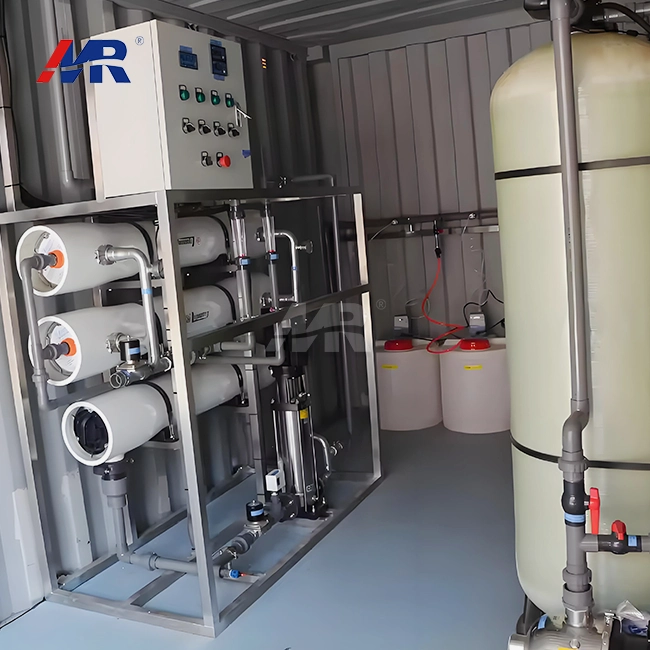 VIEW MOREcontainerized reverse osmosis system
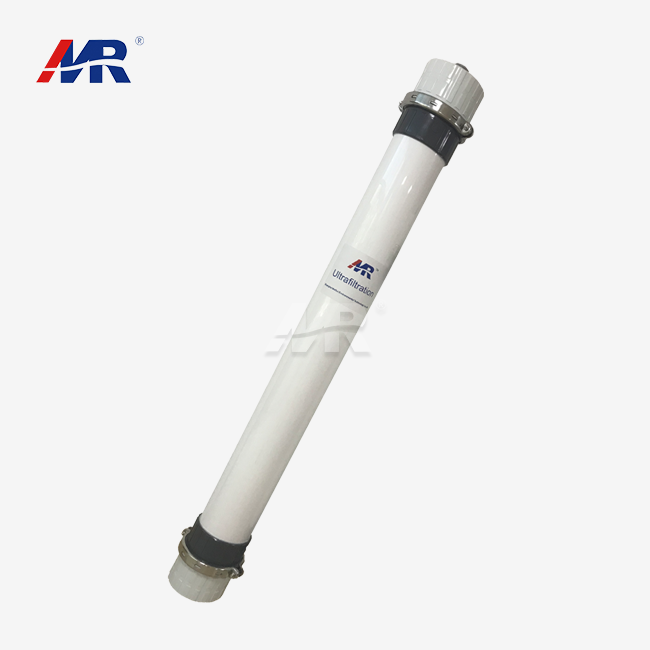 VIEW MOREultrafiltration membrane for wastewater treatment
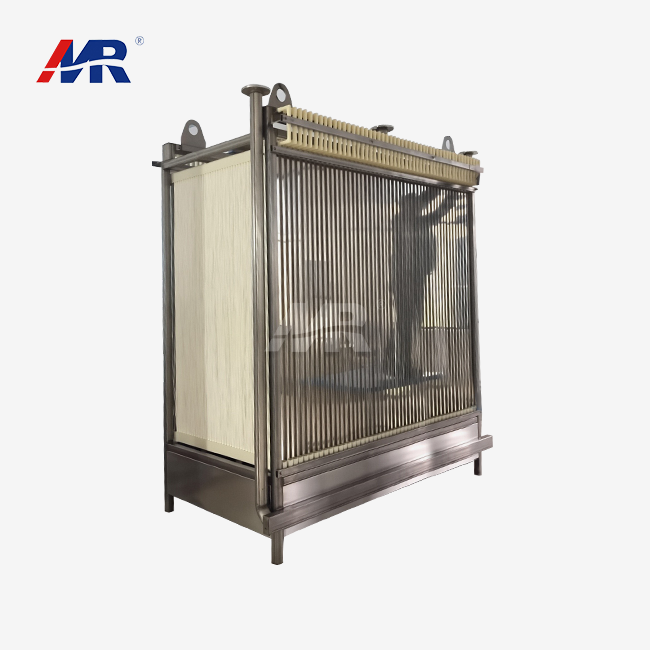 VIEW MOREsubmerged membrane bioreactor
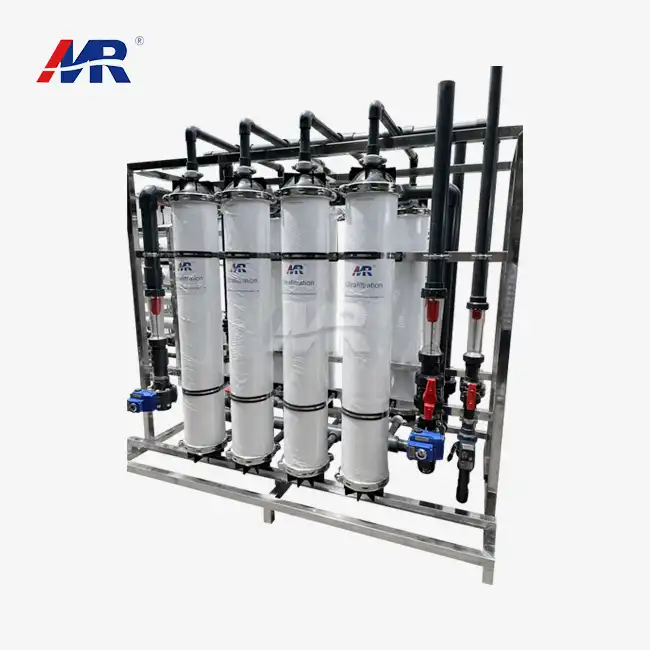 VIEW MORE15T/H ultrafiltration system
 VIEW MOREhome wastewater treatment plant
 VIEW MOREportable wastewater treatment plant
 VIEW MORE1000LPH EDI system
 VIEW MORE2000m3/day ultrafiltration equipment
