_1745823981883.webp)

What is 2000m3/day Ultrafiltration Equipment and How Does It Work? A Comprehensive Guide
Ultrafiltration (UF) technology has revolutionized water treatment forms over different businesses, and a 2000m3/day ultrafiltration system is a high-capacity water decontamination arrangement planned to meet the requesting needs of large-scale operations, utilizing a progressed film filtration handle that viably evacuates suspended solids, microbes, infections, and other contaminants from water to create high-quality gushing appropriate for a wide extend of applications. In this comprehensive direct, we'll investigate the complexities of a 2000m3/day ultrafiltration plant by breaking down its components, operational steps, and key execution measurements to offer assistance in fabricating, nourishment and refreshment, pharmaceutical, or metropolitan water treatment segments, making educated choices around their water administration needs. The 2000m3/day capacity makes this ultrafiltration system perfect for medium to large-scale operations, advertising a adjust of tall throughput and efficient contaminant removal, and with its capacity to deliver reliably high-quality water while keeping up moo energy utilization, this UF arrangement stands out as a cost-effective and ecologically neighborly choice for different industries.

How does a 2000 m³/day UF plant operate step-by-step?
Understanding the operation of a 2000 m³/day ultrafiltration plant is vital for those considering executing this innovation in their water treatment forms. Let's break down the step-by-step operation of this progressive system:
Intake and Pre-screening
The preparation starts with crude water admissions, with this water to begin with passed through coarse screens to expel huge flotsam and jetsam, ensuring downstream gear from harm, and the pre-screening organize is pivotal for keeping up the efficiency and lifespan of the ultrafiltration membranes.
Pre-treatment
After initial screening, the water undergoes pre-treatment. This may include:
- Coagulation and flocculation of total littler particles
- Sedimentation to permit heavier particles to settle
- Fine filtration utilizing sand or interactive media filters
Pre-treatment optimizes the performance of the uf membranes by reducing the load of suspended solids and organic matter.
Ultrafiltration Process
The heart of the system is the ultrafiltration process itself. Here's how it works:
- Pre-treated water is pumped through empty fiber UF membranes
- The layers have pore sizes extending from 0.01 to 0.1 microns
- Water passes through the layer's pores, whereas contaminants are retained
- The material works at moo weight (0.1-0.3 MPa), guaranteeing vitality efficiency
Backwashing and Chemical Cleaning
To maintain membrane efficiency:
- Regular backwashing is performed every 30-60 minutes
- Filtered water is pumped in reverse through the layers to oust collected particles
- Periodic chemical cleaning (CIP - Clean in Place) is conducted to evacuate adamant foulants
Post-treatment
Depending on the final water quality requirements, post-treatment may include:
- pH adjustment
- Disinfection (e.g., UV, chlorination)
- Remineralization for drinking water applications
Quality Monitoring and Control
Throughout the process, various parameters are continuously monitored:
- Turbidity
- pH
- Conductivity
- Pressure differential across membranes
Advanced control systems adjust operational parameters to maintain optimal performance and water quality.
Components and process flow of a 2000m³/day UF system
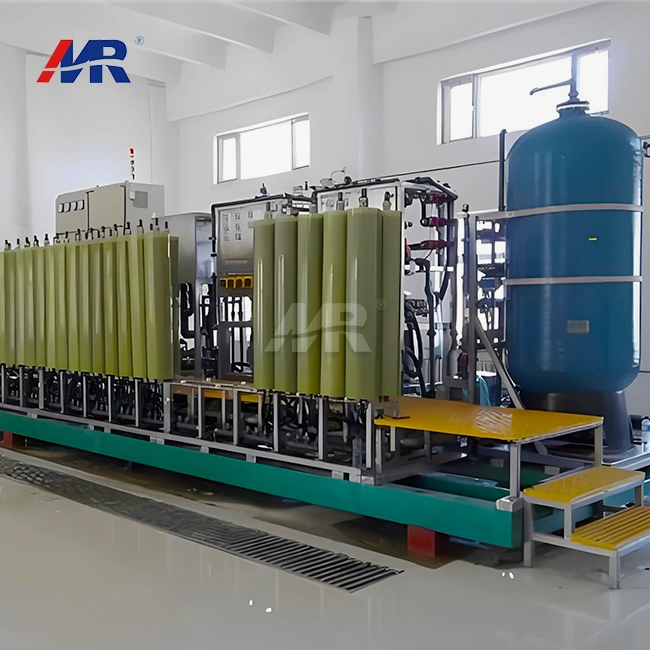
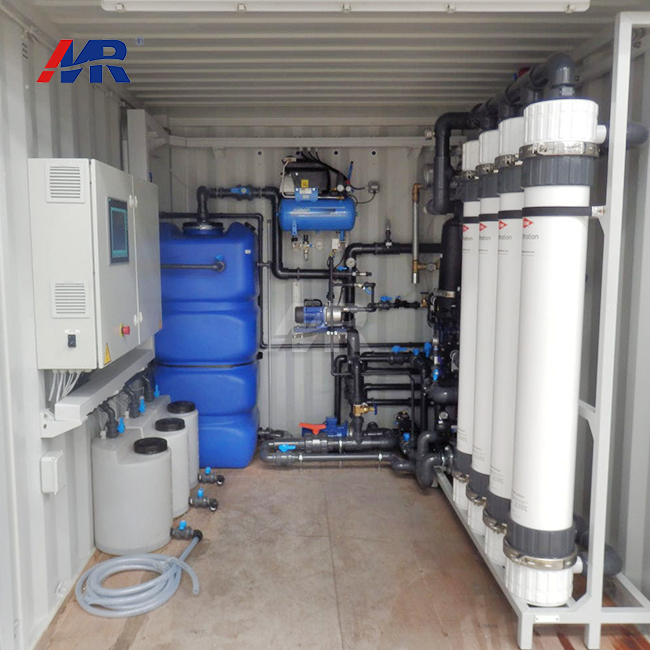
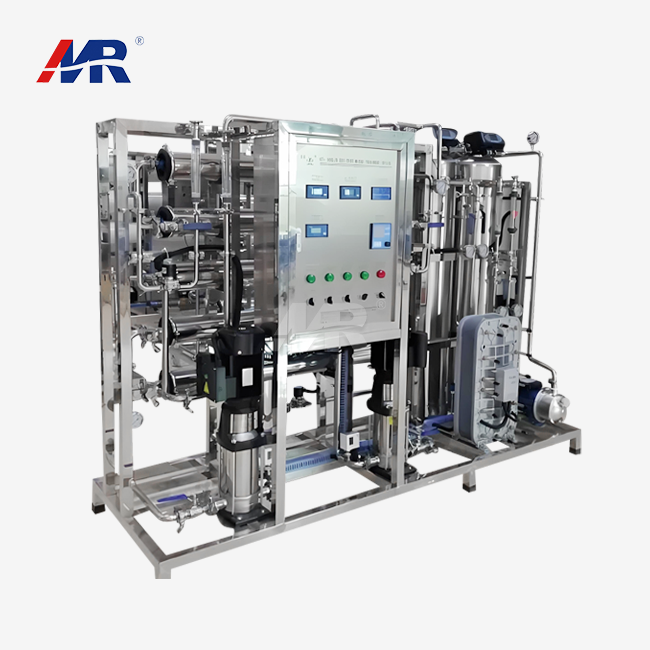
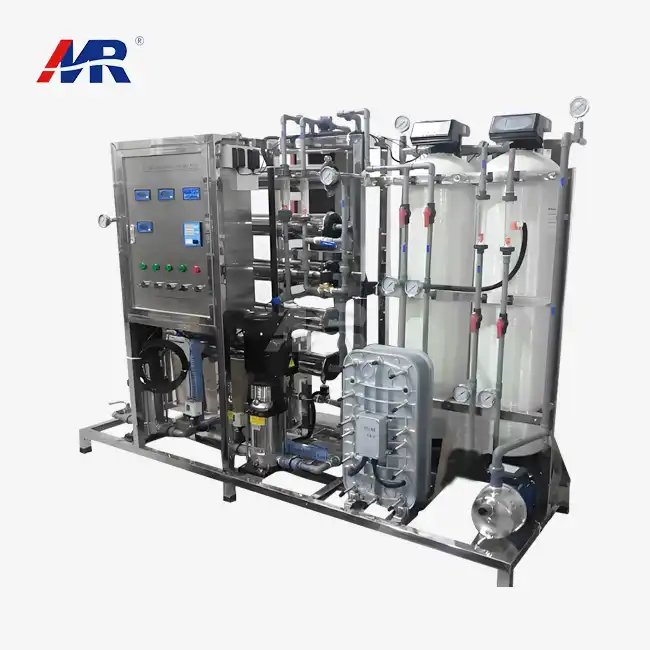
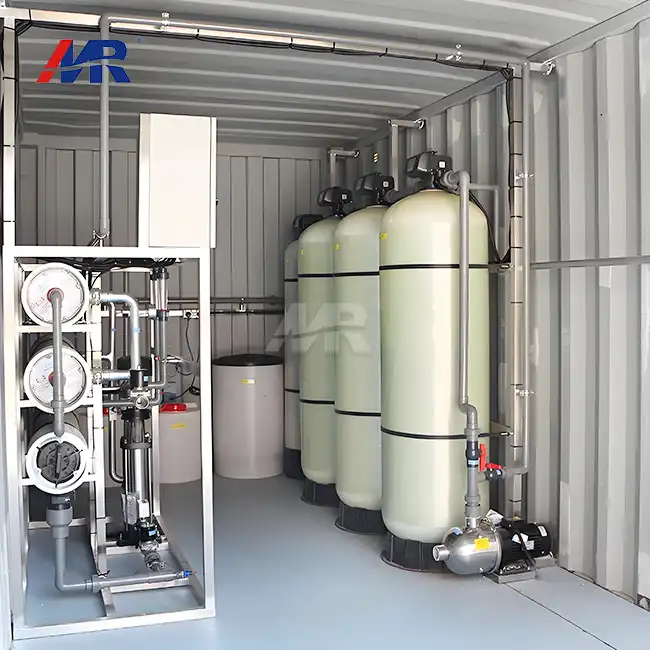
A 2000m³/day ultrafiltration plant is a complex system comprised of a few key components working in agreement. Understanding these components and their parts in the preparation stream is basic for anybody considering implementing or working on such a system.
Key Components
- Feed Pumps: High-pressure pumps that drive water through the system
- Pre-filtration Units: Ordinarily incorporate sand channels or cartridge filters
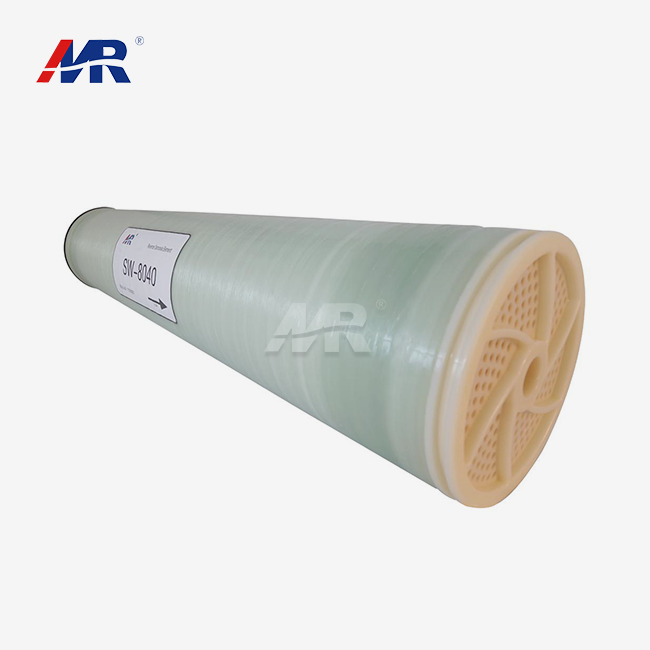
- UF Layer Modules: The center of the framework, containing thousands of empty fiber membranes
- Backwash Pumps: Utilized for occasional cleaning of the membranes
- Chemical Dosing Frameworks: For including coagulants, pH adjusters, and cleaning chemicals
- Control Valves: Control the stream and weight throughout the system
- Instrumentation: Sensors and meters for checking different parameters
- PLC Control Framework: Mechanizes and optimizes the whole process
- Clean-in-Place (CIP) Framework: For occasional profound cleaning of membranes
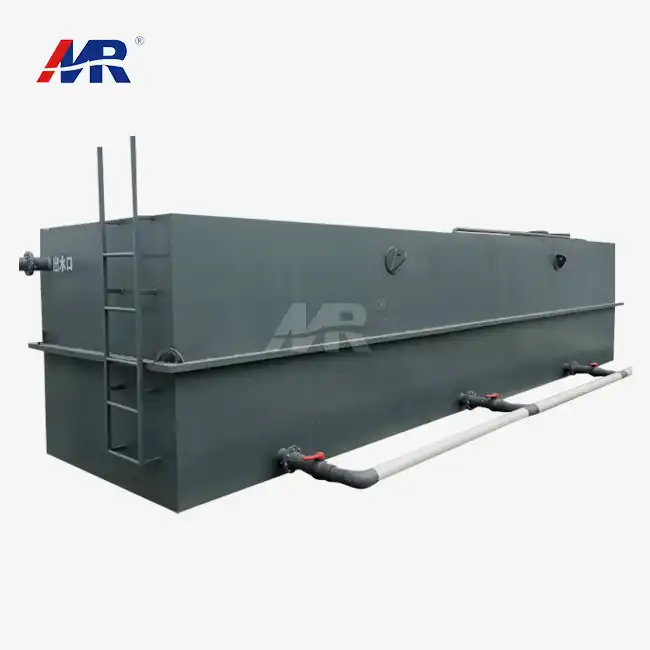
- Storage Tanks: For crude water, treated water, and cleaning solutions
Process Flow
The process flow in a 2000m³/day ultrafiltration system typically follows this sequence:
- Raw Water Admissions: Water is drawn from the source (e.g., waterway, well, or pre-treated wastewater)
- Pre-filtration: Expulsion of bigger particles to ensure UF membranes
- Chemical Dosing: Expansion of coagulants or other chemicals if required
- UF Filtration: Water passes through UF layer modules
- Permeate Collection: Sifted water (penetrated) is collected
- Backwashing: Intermittent inversion of the stream to clean the membranes
- CIP: Planned chemical cleaning to keep up the layer performance
- Post-treatment: Extra treatment based on the last water quality requirements
- Storage: Treated water is put away for dispersion or encourage processing
Membrane Configuration
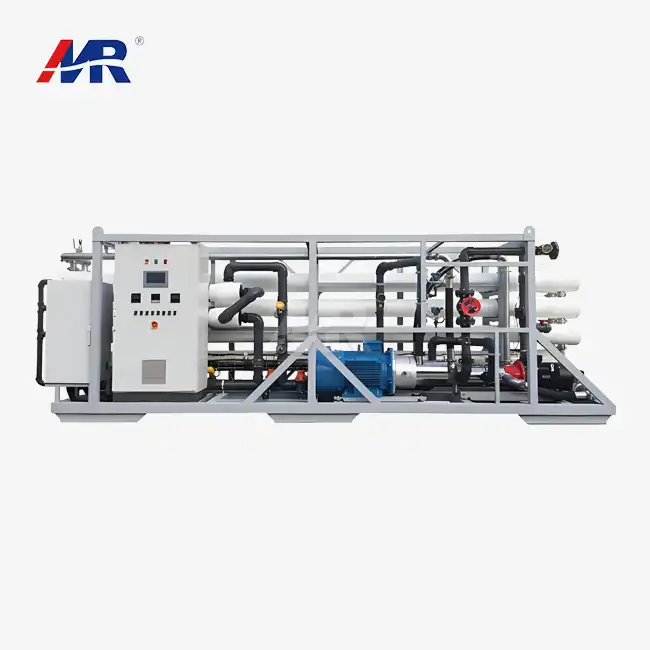
In a 2000m³/day system, the UF membranes are typically arranged in multiple racks or skids. Each rack may contain several membrane modules connected in parallel. This modular design allows for:
- Flexibility in operation
- Easy maintenance and replacement of individual modules
- Scalability for future expansion
Energy Recovery
To upgrade vitality effectiveness, a few progressed 2000m³/day UF systems incorporate energy recovery devices. These gadgets capture the vitality from the concentrated stream and utilize it to help in controlling the booster pumps, diminishing the overall energy consumption.
Pretreatment needs and typical performance metrics for 2000 m³/day UF
Effective pretreatment and maintaining optimal performance are crucial for the successful operation of a 2000 m³/day ultrafiltration system. Let's explore the pretreatment requirements and key performance metrics that ensure the efficiency and longevity of the UF plant.
Pretreatment Needs:
Proper pretreatment is essential to protect the UF membranes and optimize system performance. The specific pretreatment needs may vary depending on the source water quality, but typically include:
- Coarse Screening: Expels huge flotsam and jetsam, and particles
- Fine Screening: Kills littler particles that may harm UF membranes
- Coagulation and Flocculation: Totals littler particles for less demanding removal
- Sedimentation: Permits heavier particles to settle out of the water
- pH Alteration: Optimizes conditions for UF film performance
- Chlorination: Controls organic development in the system
- Dechlorination: Secures chlorine-sensitive UF membranes
- Antiscalant Dosing: Anticipates scaling on film surfaces
Typical Performance Metrics
Monitoring and maintaining key performance metrics in an ultrafiltration plant is crucial for ensuring the efficient operation of a 2000 m³/day UF system. Here are some typical performance indicators:
- Flux Rate: Typically ranges from 40-60 L/m²/h, depending on water quality and membrane specifications
- Transmembrane Pressure (TMP): Usually between 0.1-0.3 MPa
- Recovery Rate: Generally 90-95% for a well-designed system
- Removal Efficiency:
- Turbidity: >99% removal
- Bacteria: >99.999% removal
- Viruses: >99.99% removal
- Energy Consumption: Typically <0.1 kWh/m³ of treated water
- Membrane Life: 5-7 years with proper maintenance
- Cleaning Frequency:
- Backwash: Every 30-60 minutes
- Chemical cleaning: Every 1-3 months, depending on feed water quality
- Downtime for Maintenance: <5% of operational time
Optimizing Performance
To maintain optimal performance of a 2000 m³/day UF system:
- Regularly monitor and adjust pretreatment processes
- Implement a robust cleaning and maintenance schedule
- Use advanced process control systems for real-time optimization
- Train operators in best practices for UF system management
- Conduct periodic water quality analyses to ensure consistent performance
By focusing on effective pretreatment and closely monitoring performance metrics, operators can ensure their 2000 m³/day UF system delivers consistent, high-quality water while maximizing operational efficiency and membrane lifespan.
Conclusion
A 2000 m³/day ultrafiltration system offers a capable and dependable arrangement for businesses and regions looking for high-quality water treatment. With progressed film innovation, reliable expulsion of contaminants, and moo vitality utilization, this ultrafiltration plant guarantees steady execution indeed beneath variable feed water conditions. When bolstered by appropriate pretreatment and optimized operation, a UF system conveys long-term proficiency, decreased support needs, and amazing saturate quality. For offices looking to improve water decontamination capacity economically and cost-effectively, an ultrafiltration system remains a perfect and future-ready choice.
FAQ
Q1: What are the main advantages of a 2000m3/day ultrafiltration system over conventional water treatment methods?
A: A 2000m3/day ultrafiltration system offers several advantages over conventional methods:
- Higher water quality with steady evacuation of particles, microscopic organisms, and viruses
- Smaller impression due to compact design
- Lower chemical consumption
- Automated operation decreases labor costs
- Ability to handle changes in nourish water quality
- Lower vitality utilization compared to other film innovations like switch osmosis
Q2: How often do the ultrafiltration membranes need to be replaced in a 2000m3/day system?
A: The lifespan of ultrafiltration membranes in a 2000m3/day system typically ranges from 5 to 7 years, depending on various factors such as feed water quality, operational practices, and maintenance routines. Regular cleaning and proper pretreatment can significantly extend membrane life. It's important to monitor performance metrics and conduct integrity tests to determine the optimal time for membrane replacement.
Q3: Can a 2000m3/day ultrafiltration system be used for seawater desalination?
A: While a 2000m3/day ultrafiltration system is highly effective for many water treatment applications, it is not typically used as a standalone solution for seawater desalination. Ultrafiltration is often used as a pretreatment step in seawater desalination processes, removing larger particles and microorganisms before the water undergoes reverse osmosis (RO) for salt removal. This combination of UF and RO technologies enhances the overall efficiency and longevity of the desalination system.
High-Capacity Ultrafiltration Systems for Industrial and Municipal Applications | Morui
Ready to upgrade your water treatment capabilities with a state-of-the-art 2000m3/day ultrafiltration system? Guangdong Morui Environmental Technology Co., Ltd. is your trusted partner for cutting-edge water purification solutions. Our expert team is ready to assist you in selecting, installing, and optimizing the perfect UF system for your specific needs.
Don't let water quality issues hold back your operations. Contact us today at benson@guangdongmorui.com to discuss how our advanced ultrafiltration technology can revolutionize your water treatment process. With Morui, you're not just getting equipment – you're gaining a dedicated partner committed to your success in water purification.
References
1. Johnson, M. (2022). Advanced Membrane Technologies for Water Treatment. Water Science and Technology, 85(3), 512-525.
2. Zhang, L., et al. (2021). Ultrafiltration in Industrial Water Treatment: Challenges and Innovations. Journal of Membrane Science, 618, 118694.
3. Sutherland, K. (2023). Handbook of Filtration and Separation Processes. Elsevier Science.
4. Wang, Y., et al. (2020). Performance Optimization of Large-Scale Ultrafiltration Systems. Desalination, 495, 114631.
5. Environmental Protection Agency. (2022). Membrane Filtration Guidance Manual. EPA 815-R-21-001.
6. Li, X., et al. (2023). Energy Efficiency in Membrane-Based Water Treatment: A Comprehensive Review. Renewable and Sustainable Energy Reviews, 172, 113014.