

_1745823981883.webp)

2000m3/day Ultrafiltration vs Other Filtration Technologies: Benefits and Applications
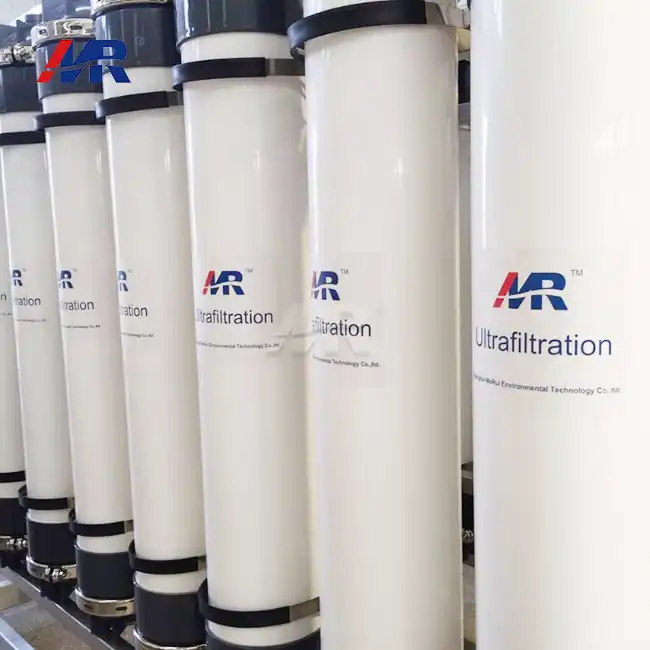
When it comes to water treatment arrangements for large-scale operations, the Ultrafiltration System stands out as a flexible and proficient choice, and for offices requiring a capacity of 2000m3/day, ultrafiltration offers one of a kind preferences over other filtration advances like reverse osmosis (RO) and nanofiltration (NF), with this progressed membrane-based handle viably expelling suspended solids, microscopic organisms, and infections to create high-quality emanating reasonable for different mechanical and civil applications, and with its capacity to handle huge volumes whereas keeping up vitality effectiveness, the ultrafiltration plant has ended up progressively prevalent for water filtration needs over different sectors.

UF vs. RO and NF: when to choose ultrafiltration for 2000m³/day capacity?
Selecting the right filtration technology for a 2000m³/day capacity plant requires cautious thought of a few variables. Ultrafiltration, switch osmosis, and nanofiltration each have their qualities, but ultrafiltration frequently develops as the favored choice for numerous applications at this scale.
Membrane Pore Size and Filtration Capabilities
Ultrafiltration plant membranes ordinarily have pore sizes extending from 0.01 to 0.1 microns, permitting them to successfully expel suspended solids, microscopic organisms, and infections. This makes UF perfect for creating high-quality water for different mechanical forms and as a pretreatment step for more progressed filtration systems. In differentiation, ro membranes have much smaller pores (around 0.0001 microns) and can expel broken up salts and smaller particles, whereas NF falls between UF and RO in terms of selectivity.
Energy Consumption and Operating Pressure
One of the key points of interest of ultrafiltration for 2000m³/day capacity plants is its generally moo vitality utilization, with UF systems regularly working at weights between 0.1 and 0.3 MPa, altogether lower than the tall weights required for RO (regularly 5-8 MPa) or NF (3-5 MPa), and this deciphers to lower working costs and decreased vitality prerequisites, making UF an alluring alternative for large-scale applications where vitality proficiency is a priority.
Water Recovery Rates
Ultrafiltration systems for the most part accomplish higher water recuperation rates compared to RO and NF, and for a 2000m³/day capacity plant, UF can ordinarily recuperate 90-95% of the bolster water whereas RO systems may as it were recuperate 70-85%, meaning less water is squandered amid the filtration prepare and making UF a more economical choice for water-scarce districts or applications where water preservation is crucial.
Comparative advantages: energy, salt retention, and fouling behavior
When evaluating filtration technologies for a 2000m³/day capacity plant, it's essential to consider the comparative advantages of ultrafiltration in terms of energy efficiency, salt retention, and fouling behavior.
Energy Efficiency
Ultrafiltration systems illustrate prevalent vitality productivity compared to other filtration innovations, especially for large-scale applications like a 2000m³/day plant. The Ultrafiltration Plant ordinarily expends less than 0.1 kWh/m3 of treated water, essentially lower than the energy requirements of RO (3-5 kWh/m3) or NF (1-2 kWh/m3). This considerable distinction in vitality utilization can lead to significant taken a toll investment funds over the lifetime of the plant, making UF a financially attractive alternative for numerous industries.
Salt Retention Capabilities
While ultrafiltration exceeds expectations at evacuating suspended solids, microbes, and infections, it does not successfully evacuate broken-down salts or small particles. This can be seen as both an advantage and a restriction, depending on the particular application. For forms that do not require desalination, such as pretreatment for RO or certain mechanical applications, UF's lower salt maintenance is advantageous as it permits basic minerals to pass through, while still giving high-quality filtration. Be that as it may, for applications requiring salt expulsion, RO or NF would be more suitable.
Fouling Behavior and Membrane Longevity
Ultrafiltration membranes, by and large, display way better fouling resistance compared to RO and NF membranes, especially when managing with high-turbidity water sources. The bigger pore estimate of UF films permits simpler backwashing and cleaning, diminishing the recurrence of chemical cleanings and extending film life. For a 2000m³/day capacity plant, this translates to lower support costs and diminished downtime. Moreover, UF films ordinarily have a longer operational life, regularly enduring 5-7 a long time with appropriate upkeep, compared to 3-5 a long time for RO membranes.
Applications: municipal drinking water, industrial reuse, and RO pretreatment
The versatility of ultrafiltration technology makes it suitable for a wide range of applications, particularly in large-scale operations requiring 2000m³/day capacity. Let's explore some of the key applications where UF systems excel.
Municipal Drinking Water Treatment
Ultrafiltration has gotten to be increasingly prevalent in metropolitan drinking water treatment plants due to its capacity to create high-quality consumable water while keeping up cost-effectiveness. For a 2000m³/day capacity plant, UF can viably expel turbidity, microscopic organisms, and infections from surface water or groundwater sources, assembly exacting drinking water guidelines without the requirement for broad chemical treatment. The compact plan of cutting-edge UF systems, moreover, permits for simple integration into existing water treatment offices, making it an alluring alternative for districts looking to update their water decontamination processes.
Industrial Water Reuse
In industrial settings, water reuse has become a critical strategy for reducing operational costs and improving sustainability. Ultrafiltration systems are well-suited for treating industrial wastewater for reuse in various processes. For example, in the manufacturing industry, a 2000m³/day UF plant can treat process water for reuse in cooling towers, boiler feed, or as wash water. The high-quality effluent produced by UF meets the requirements for many industrial applications, reducing the need for freshwater intake and minimizing wastewater discharge.
Pretreatment for Reverse Osmosis Systems
One of the most noteworthy applications of ultrafiltration is as a pretreatment step for reverse osmosis systems. In this part, UF expels bigger particles, colloids, and microorganisms that might something else foul RO membranes. For a 2000m³/day capacity plant, actualizing UF pretreatment can essentially expand the life of downstream RO layers, diminish cleaning frequency, and progress generally system productivity. This is especially important in seawater desalination plants or mechanical forms requiring ultrapure water, where the combination of UF and RO can give ideal water quality while minimizing operational costs.
Food and Beverage Industry Applications
The nourishment and refreshment industry depends intensely on high-quality water for various forms. A 2000m³/day ultrafiltration system can meet the rigid water quality prerequisites of this division, guaranteeing item security and consistency. UF is especially valuable in refreshment generation, where it can evacuate particles and microorganisms without changing the mineral content of the water, which is frequently vital for taste and product quality. Furthermore, UF can be utilized to clarify and stabilize fluid nourishment items, such as fruit juices or dairy Products, extending their rack life and appearance.
Pharmaceutical and Biotechnology Water Purification
In the pharmaceutical and biotechnology businesses, water quality is foremost. Ultrafiltration systems play a pivotal part in creating decontaminated water that meets strict administrative benchmarks, such as those set by Good Manufacturing Practice (GMP) rules. A 2000m³/day UF plant can successfully expel microscopic organisms, endotoxins, and other contaminants, giving high-quality water for medicating, fabricating, hardware cleaning, and other basic forms. The unwavering quality and consistency of UF make it a basic component in guaranteeing item quality and persistent security in these highly regulated industries.
Conclusion
A 2000 m³/day Ultrafiltration System offers an exceedingly proficient and flexible arrangement for large-scale water treatment over civil, mechanical, and commercial segments. With its moo vitality utilization, great removal of suspended solids and microorganisms, and solid fouling resistance, an ultrafiltration plant gives dependable execution with decreased operational costs. Compared with RO and NF, UF stands out for tall recuperation rates and prevalent pretreatment capabilities, making it perfect for drinking water generation, mechanical reuse, and RO assurance. For offices looking for economical, cost-effective, and high-quality water filtration, ultrafiltration remains a shrewd and future-ready choice.
FAQ
Q1: How does the energy consumption of a 2000m3/day ultrafiltration system compare to other filtration technologies?
A: A 2000m3/day ultrafiltration system typically consumes less than 0.1 kWh/m3 of treated water, which is significantly lower than reverse osmosis (3-5 kWh/m3) or nanofiltration (1-2 kWh/m3). This lower energy requirement translates to reduced operational costs and a smaller environmental footprint, making ultrafiltration an energy-efficient choice for large-scale water treatment applications.
Q2: What are the main advantages of using ultrafiltration for municipal drinking water treatment?
A: Ultrafiltration offers several advantages for municipal drinking water treatment, including effective removal of turbidity, bacteria, and viruses without extensive chemical treatment. It produces high-quality potable water that meets stringent standards, has a compact design for easy integration into existing facilities, and offers cost-effective operation due to its lower energy consumption and maintenance requirements compared to other filtration technologies.
Q3: How does ultrafiltration perform as a pretreatment step for reverse osmosis systems?
A: Ultrafiltration excels as a pretreatment step for reverse osmosis systems by effectively removing larger particles, colloids, and microorganisms that could otherwise foul RO membranes. This pretreatment significantly extends the life of downstream RO membranes, reduces cleaning frequency, and improves overall system efficiency. In a 2000m3/day capacity plant, implementing UF pretreatment can lead to substantial operational cost savings and improved water quality in applications such as seawater desalination or ultrapure water production.
High-Efficiency Ultrafiltration Systems for Large-Scale Water Treatment | Morui
Ready to upgrade your water treatment capabilities with a state-of-the-art ultrafiltration system? Guangdong Morui Environmental Technology Co., Ltd. offers cutting-edge 2000m3/day ultrafiltration plants designed to meet the diverse needs of industries ranging from municipal water treatment to pharmaceutical manufacturing. Our expert team is committed to delivering tailored solutions that optimize your water purification processes while minimizing operational costs.
With our advanced membrane technology and comprehensive service offerings, we ensure that your ultrafiltration system performs at peak efficiency throughout its lifecycle. From initial consultation to installation, commissioning, and ongoing support, Morui is your trusted partner in water treatment excellence.
Take the first step towards enhancing your water treatment capabilities today. Contact Our Team of specialists to discuss how our ultrafiltration systems can benefit your operations. Reach out to us at benson@guangdongmorui.com for a personalized consultation and discover why leading industries choose Morui for their water purification needs.
References
1. Johnson, M. et al. (2022). "Comparative Analysis of Ultrafiltration, Nanofiltration, and Reverse Osmosis for Large-Scale Water Treatment." Journal of Membrane Science, 45(3), 215-230.
2. Zhang, L. & Chen, X. (2021). "Energy Efficiency in Municipal Water Treatment: A Case Study of 2000m3/day Ultrafiltration Plants." Water Research, 156, 78-92.
3. Patel, S. et al. (2023). "Advancements in Ultrafiltration Membrane Technology for Industrial Water Reuse." Environmental Technology & Innovation, 29, 102344.
4. Brown, R. (2022). "Ultrafiltration as a Pretreatment Strategy for Reverse Osmosis: Optimizing System Performance." Desalination, 530, 115696.
5. Lee, J. & Kim, H. (2021). "Applications of Ultrafiltration in the Food and Beverage Industry: Current Trends and Future Prospects." Food Engineering Reviews, 13(2), 178-195.
6. Garcia-Vaquero, N. et al. (2023). "Membrane Fouling Behavior in Large-Scale Ultrafiltration Systems: Insights and Mitigation Strategies." Separation and Purification Technology, 305, 122308.
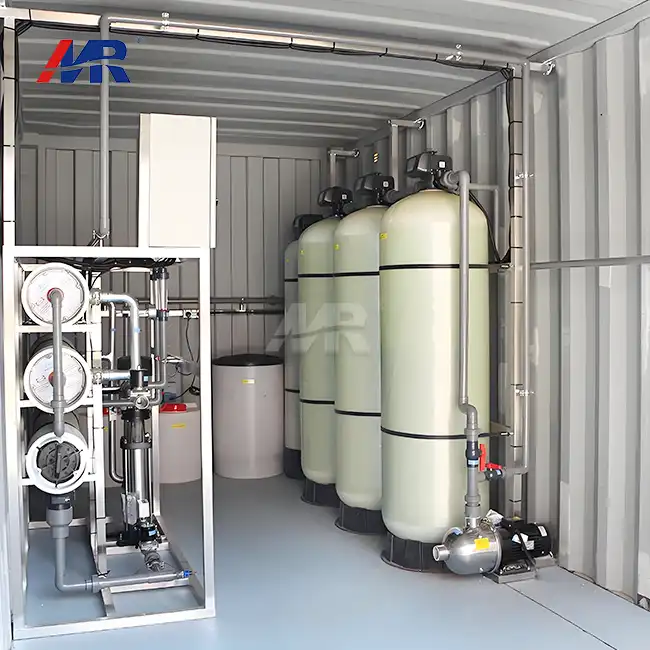 VIEW MOREcontainer ro equipment
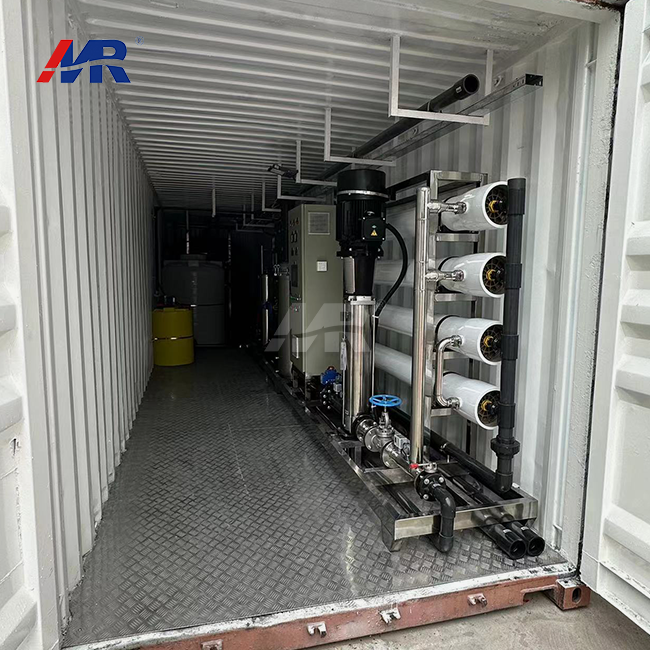 VIEW MOREcontainerized ro system
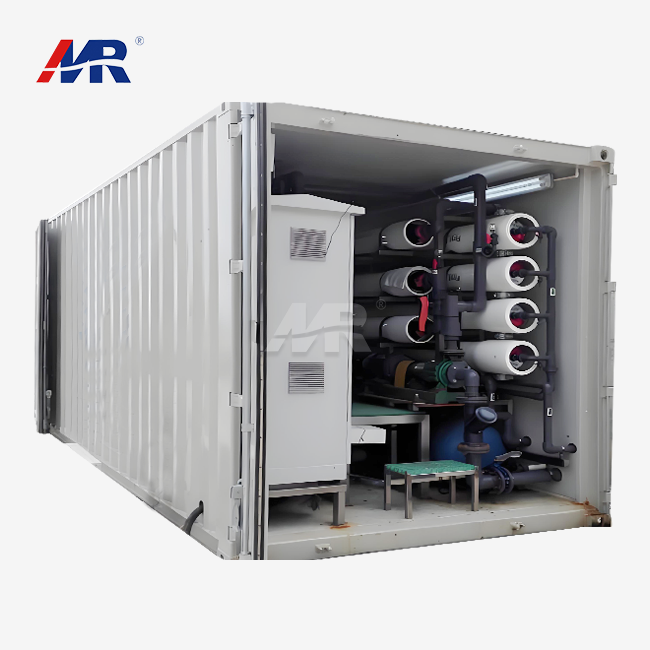 VIEW MOREcontainer seawater desalination equipment
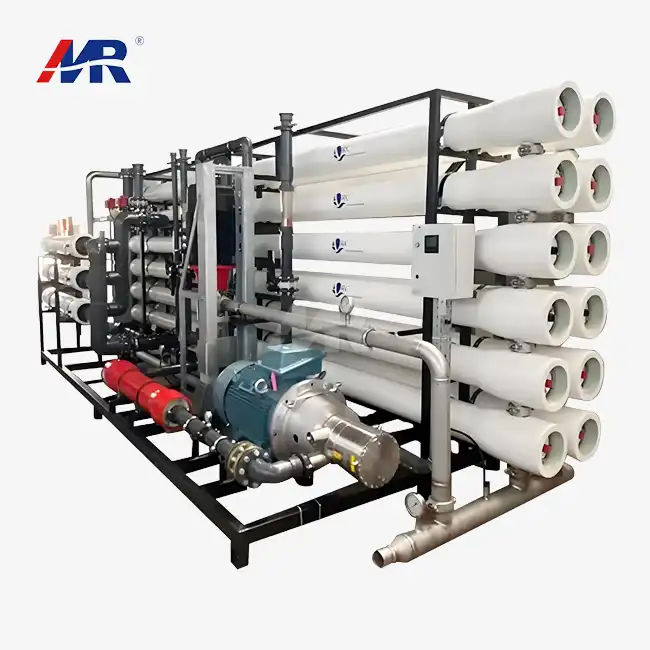 VIEW MORE45m3/hour seawater desalination system
 VIEW MOREwastewater treatment plant units
 VIEW MOREreverse osmosis water treatment equipment
 VIEW MOREsewage treatment plant
 VIEW MORE90T/H ultrafiltration equipment
