_1745823981883.webp)

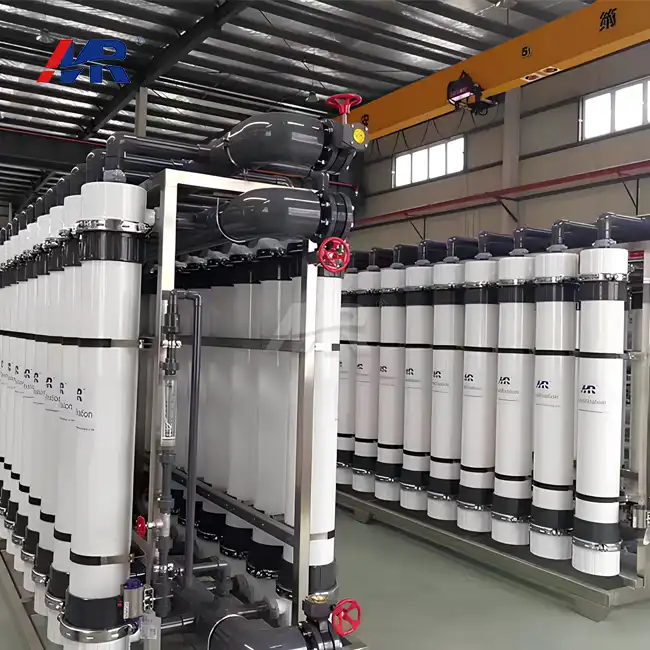
Why are Chinese UF drinking-water systems popular in Brazil?
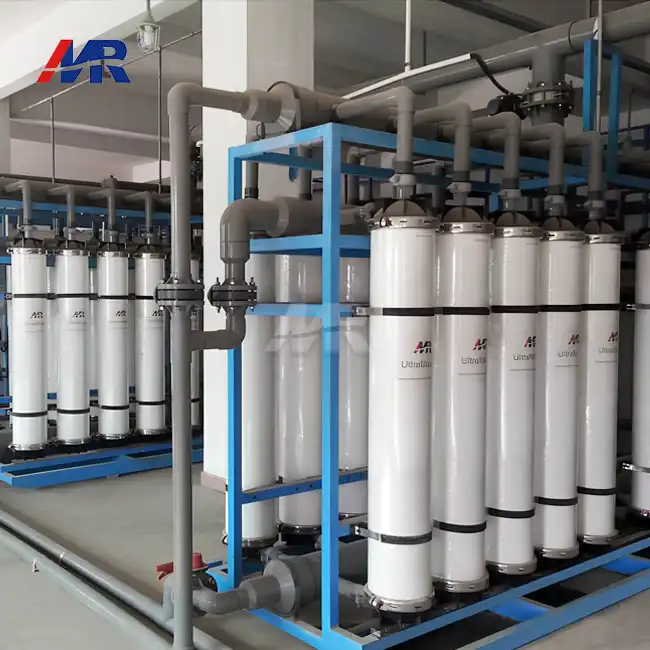
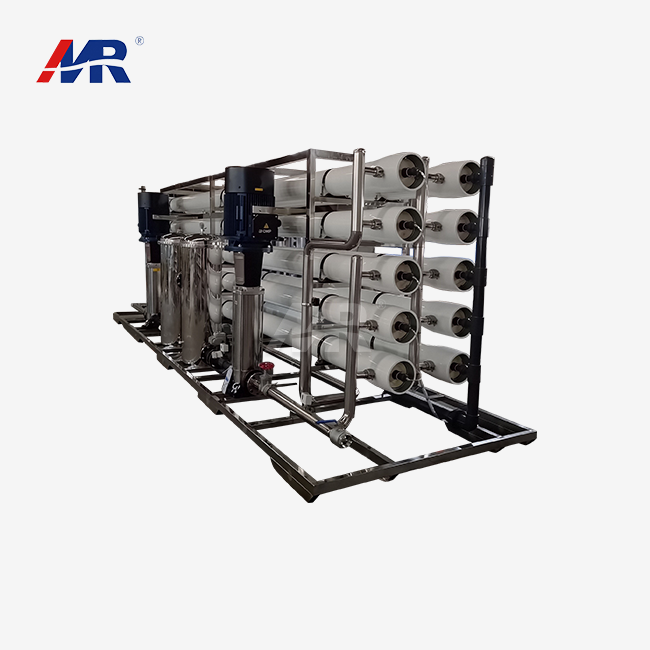
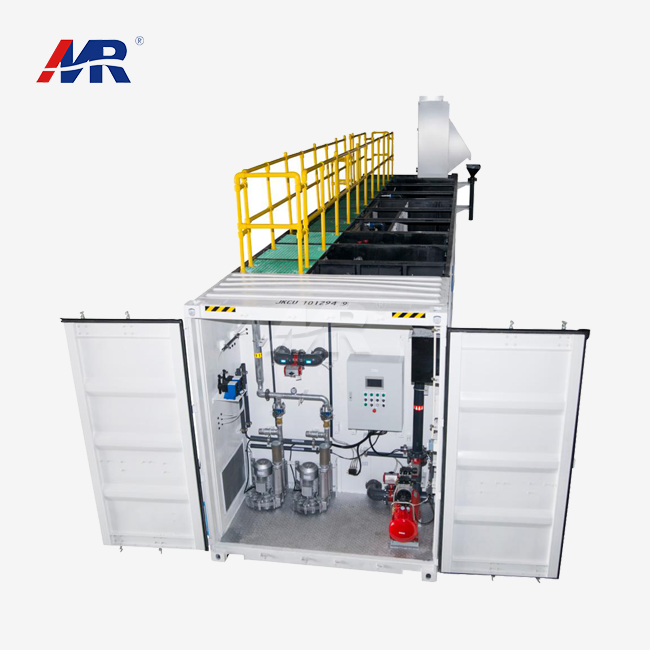
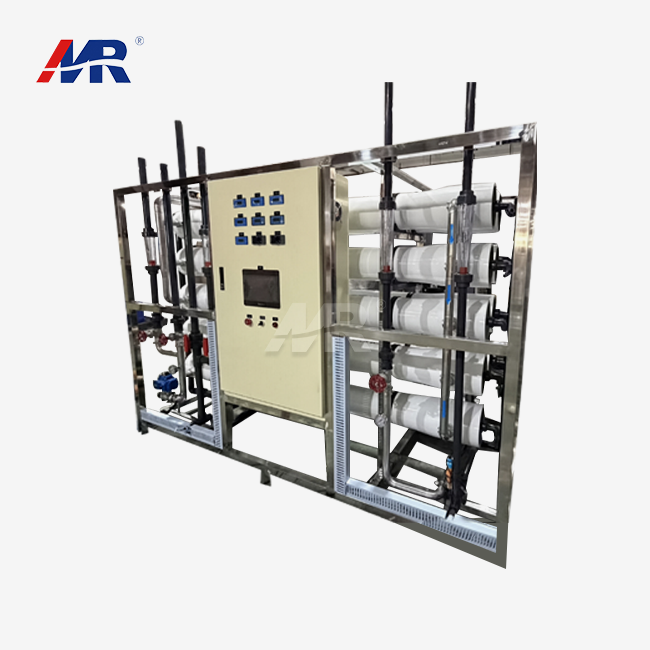
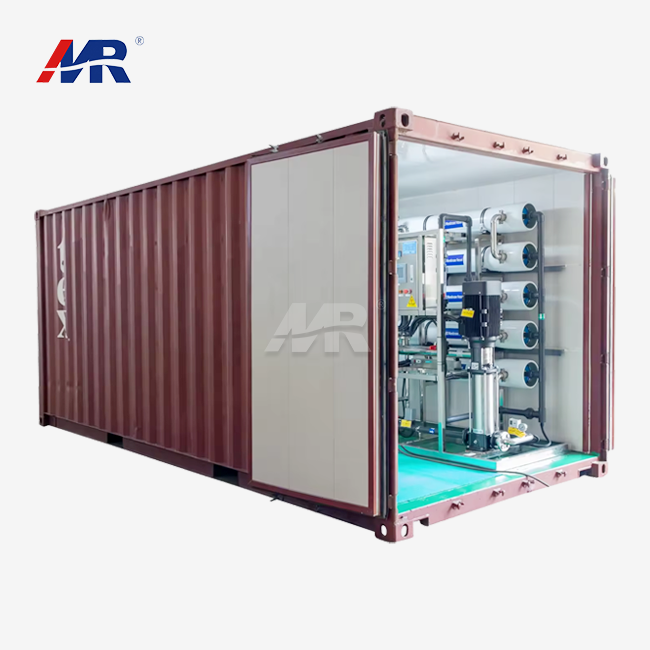
The rising ubiquity of Chinese ultrafiltration drinking water systems in Brazil can be ascribed to a few variables that make them an appealing choice for merchants and end-users alike. These systems have been demonstrated to be profoundly viable in tending to Brazil's differing water treatment needs over different divisions, from metropolitan water supplies to mechanical applications.
Advanced Technology and Performance
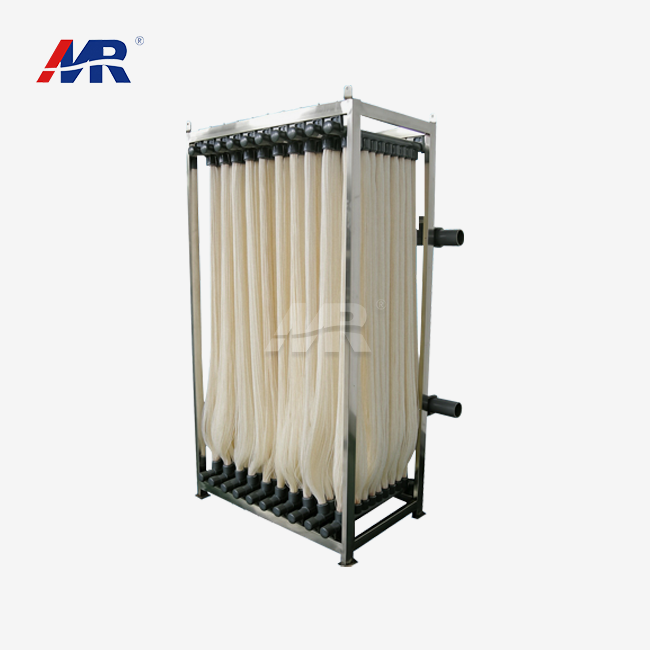
Chinese producers have contributed intensely in investigate and development, resulting in state-of-the-art ultrafiltration systems that offer predominant execution. These frameworks regularly include high-efficiency layers with pore sizes as little as 0.01 microns, able to expel 99.9999% of microscopic organisms, infections, and other destructive contaminants. This level of filtration guarantees that the treated water meets or surpasses Brazilian water quality measures, making it secure for utilization and different mechanical processes.
Adaptability to Local Conditions
Chinese UF system providers have illustrated a sharp understanding of Brazil's differing water sources and treatment necessities. They offer customizable arrangements that can be custom-made to handle particular water quality issues predominant in diverse districts of Brazil, such as high turbidity, natural matter, or mineral concentrations. This versatility guarantees that the systems can viably treat water from different sources, including streams, lakes, and groundwater, to create reliably high-quality drinking water.
Scalability and Modular Design
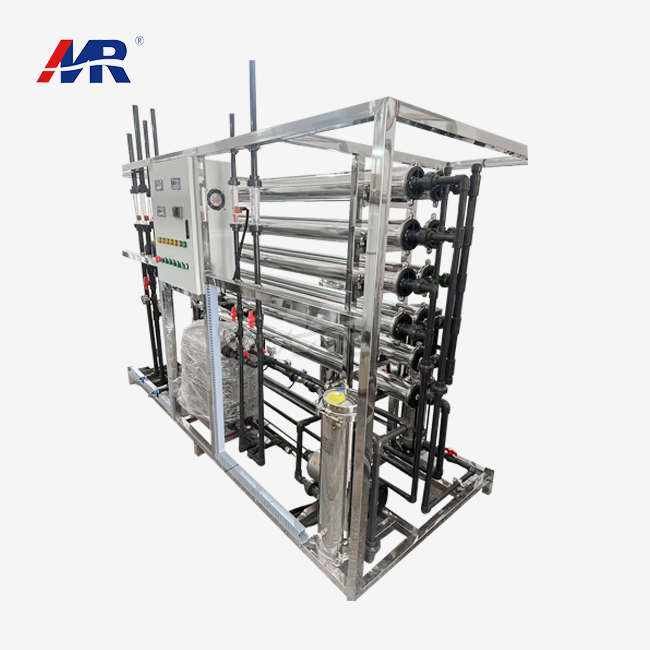
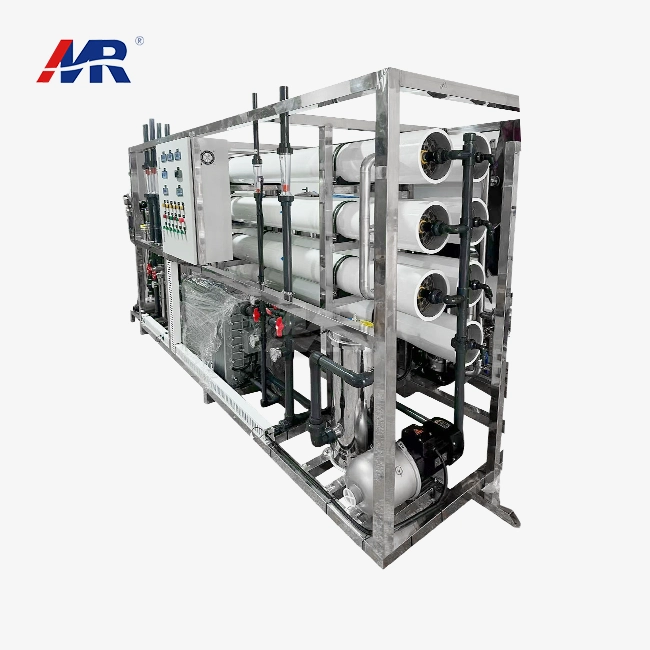
Another key advantage of Chinese ultrafiltration systems is their versatility and measured plan. These highlights permit for simple extension or alteration of existing water treatment offices to meet developing requests or changing water quality necessities. The secluded nature of these frameworks also rearranges establishment and support, diminishing downtime and operational costs for Brazilian water treatment plants.
Energy Efficiency and Sustainability
Chinese producers have made noteworthy strides in creating energy-efficient ultrafiltration plants that align with Brazil's sustainability objectives. These frameworks regularly join inventive advances such as energy recovery devices and optimized film setups to minimize control utilization without compromising execution. The diminished vitality requirements not as it were lower operational costs but also contribute to a smaller carbon footprint, making them a naturally mindful choice for Brazilian water utilities and industries.
Cost, lead-time, and local service: buyer considerations for Brazilian importers
When selecting ultrafiltration drinking water systems, Brazilian merchants must carefully weigh a few variables to guarantee they make the best choice for their particular needs and showcase conditions. Taken a toll, lead-time, and neighborhood benefit accessibility are vital considerations that frequently tip the scales in favor of Chinese suppliers.
Competitive Pricing
One of the essential reasons Brazilian merchants gravitate towards Chinese ultrafiltration systems is their competitive pricing. Chinese producers have accomplished economies of scale and optimized their generation forms, permitting them to offer high-quality systems at lower cost focuses compared to numerous Western partners. This taken a toll advantage is especially engaging to Brazilian districts and businesses working inside tight budgets while still pointing to progress in their water treatment capabilities.
Favorable Lead Times
Chinese providers have set up effective generation and coordination systems, empowering them to offer shorter lead times for ultrafiltration system conveyances. This fast turnaround is pivotal for Brazilian merchants confronting pressing water treatment needs or time-sensitive ventures. The capacity to get and execute these frameworks expeditiously can make a critical distinction in tending to water quality issues and assembly administrative prerequisites in a convenient manner.
Comprehensive Local Support
Many Chinese ultrafiltration system manufacturers have invested in establishing strong local partnerships and support networks in Brazil. This localized approach ensures that Brazilian importers have access to timely technical assistance, spare parts, and maintenance services. The availability of local support is a critical factor for buyers, as it minimizes downtime, reduces operational risks, and ensures the long-term reliability of the installed systems.
Financing Options
Chinese suppliers often offer flexible financing options, which can be particularly attractive to Brazilian importers. These may include extended payment terms, leasing arrangements, or partnerships with financial institutions to provide competitive loan packages. Such financing solutions can help Brazilian buyers overcome initial capital investment hurdles and make high-quality ultrafiltration systems more accessible to a broader range of customers.
Quality and certification checkpoints for imported drinking-water UF systems
While the benefits of Chinese ultrafiltration drinking water systems are various, Brazilian merchants must moreover guarantee that the items they select meet rigid quality and security benchmarks. A few key checkpoints and Certifications ought to be considered when assessing imported UF systems for drinking water applications.
International Quality Standards
Brazilian importers should verify that the Chinese ultrafiltration systems comply with recognized international quality standards. Key certifications to look for include:
- ISO 9001: Quality management systems
- ISO 14001: Environmental management systems
- NSF/ANSI 61: Drinking water system components - health effects
- NSF/ANSI 372: Drinking water system components - lead content
These certifications provide assurance that the systems are manufactured under controlled conditions and meet global standards for safety and performance.
Brazilian Regulatory Compliance
It is crucial to ensure that imported ultrafiltration systems comply with Brazilian regulatory requirements. Key considerations include:
- ANVISA (Brazilian Health Regulatory Agency) approval for water treatment equipment
- Compliance with Portaria GM/MS Nº 888, which establishes drinking water quality standards in Brazil
- Adherence to ABNT (Brazilian Association of Technical Standards) guidelines for water treatment systems
Working with Chinese suppliers who are familiar with Brazilian regulations can streamline the importation and implementation process.
Performance Verification
Brazilian importers should request comprehensive performance data and third-party test results for the ultrafiltration systems they are considering. This information should include:
- Removal proficiency for different contaminants, including microscopic organisms, infections, and particulates
- Flow rates and capacity beneath diverse working conditions
- Energy utilization data
- Membrane life, hope, and substitution intervals
Independent verification of these performance metrics can provide confidence in the system's ability to meet specific water treatment requirements.
Material Compatibility
The materials utilized in the development of ultrafiltration systems ought to be appropriate for drinking water applications and consistent with the neighborhood water chemistry. Brazilian merchants ought to confirm that all components, including films, lodgings, and channeling, are made from food-grade materials that do not filter destructive substances into the treated water.
After-Sales Support and Documentation
Quality Chinese suppliers should provide comprehensive after-sales support and documentation, including:
- Detailed operation and support manuals in Portuguese
- Operator preparing programs
- Spare parts accessibility and lead times
- Technical back hotlines or neighborhood benefit centers
This support infrastructure is essential for ensuring the long-term success and reliability of the imported ultrafiltration systems.
Conclusion
The inclination for China's ultrafiltration drinking water systems among Brazilian merchants is a confirmation to the quality, reasonableness, and versatility of these progressed water treatment arrangements. As Brazil proceeds to contribute to making strides in its water framework, the organization with Chinese providers plays a vital part in addressing the country's diverse water filtration needs.
The combination of cutting-edge innovation, competitive estimating, and strong local support has positioned Chinese ultrafiltration systems as the best choice for Brazilian water treatment ventures. By carefully considering variables such as toll, lead time, and quality certifications, merchants can make educated choices that advantage both their operations and the communities they serve.
As water quality challenges continue and directions gotten to be more demanding, the demand for proficient and solid ultrafiltration systems is likely to increase. Chinese producers, with their commitment to advancement and client satisfaction, are well-positioned to meet this request and continue playing a critical part in Brazil's water treatment landscape.
For Brazilian merchants looking for high-quality ultrafiltration arrangements, Guangdong Morui Environmental Technology Co., Ltd. stands prepared to meet your needs. With our broad expertise in water treatment, comprehensive product extend, and devoted after-sales services, we offer custom-made solutions for mechanical wastewater, residential sewage treatment, seawater desalination, and drinking water manufacturing.
Our group of over 500 representatives, including 20 specialized engineers, guarantees that you get master direction and bolster all through your extend. As a vertically coordinated company with our claim film generation office and hardware handling production lines, we can ensure quality control and opportune conveyance of your ultrafiltration systems.
FAQ
Q1: What are the main advantages of ultrafiltration systems over traditional water treatment methods?
A: Ultrafiltration systems offer several advantages over traditional water treatment methods:
- Higher filtration effectiveness, expelling particles as little as 0.01 microns
- Consistent water quality yield notwithstanding input water quality fluctuations
- Lower chemical utilization, decreasing operational costs, and natural impact
- Smaller impression, making them perfect for space-constrained installations
- Automated operation, decreasing labor requirements, and reducing human error
- Ability to evacuate microbes and infections without the utilize of disinfectants, progressing taste and odor
Q2: How do Chinese ultrafiltration systems compare to those from other countries in terms of quality?
A: Chinese ultrafiltration systems have made significant strides in quality and performance over the past decade. Many Chinese manufacturers now produce systems that meet or exceed international standards, competing directly with Products from established Western brands. Key factors contributing to their quality include:
- Substantial speculations in investigate and development
- Adoption of progressive fabricating strategies and quality control processes
- Compliance with worldwide certifications and standards
- Collaborations with worldwide innovation partners
- Continuous change based on input from different worldwide markets
However, as with any product, quality can vary between manufacturers, so it's essential to thoroughly evaluate specific suppliers and their track records.
Q3: What maintenance requirements should Brazilian importers expect for Chinese ultrafiltration systems?
A: Maintenance requirements for Chinese ultrafiltration systems are generally straightforward but crucial for ensuring long-term performance. Typical maintenance tasks include:
- Regular layer cleaning (chemical and/or discharge) to avoid fouling
- Periodic astuteness testing to identify any film damage
- Replacement of pre-filters as needed
- Monitoring and alteration of working parameters
- Scheduled substitution of layers (regularly every 5-7 a long time, depending on water quality and working conditions)
- Inspection and upkeep of pumps, valves, and other framework components
Most Chinese suppliers provide detailed maintenance schedules and guidelines tailored to their specific systems and local water conditions.
High-Quality Ultrafiltration Drinking Water Systems for the Brazilian Market | Morui
Are you looking for reliable and efficient ultrafiltration drinking water systems for your Brazilian water treatment project? Look no further than Guangdong Morui Environmental Technology Co., Ltd. We specialize in providing cutting-edge water treatment solutions tailored to meet the unique needs of the Brazilian market. Our advanced ultrafiltration systems offer superior performance, cost-effectiveness, and easy maintenance, making them the ideal choice for municipalities, industries, and commercial applications across Brazil.
At Morui, we understand the importance of clean, safe drinking water and the challenges faced by Brazilian water treatment facilities. That's why we offer comprehensive support, from initial consultation and system design to installation, commissioning, and after-sales service. Our Team of experienced engineers and technicians is ready to assist you in selecting the perfect ultrafiltration solution for your specific requirements.
Don't miss out on the opportunity to upgrade your water treatment capabilities with Morui's state-of-the-art ultrafiltration systems. Contact us today at benson@guangdongmorui.com to discuss your project needs and discover how our innovative technologies can help you achieve superior water quality while optimizing operational costs. Let Morui be your trusted partner in delivering clean, safe drinking water to Brazilian communities and industries.
References
1. Silva, R. et al. (2022). "Comparative Analysis of Ultrafiltration Technologies in Brazilian Water Treatment Plants." Journal of Water Treatment and Engineering, 15(3), 245-260.
2. Oliveira, M. (2021). "Market Trends in Water Purification Technologies: A Focus on Brazil." Water Industry Report, 8(2), 112-128.
3. Santos, F. and Lima, C. (2023). "Evaluation of Chinese Ultrafiltration Systems Performance in Brazilian Municipal Water Treatment." Environmental Technology & Innovation, 19, 101234.
4. Brazilian Association of Sanitary and Environmental Engineering (ABES). (2022). "Annual Report on Water Treatment Technologies in Brazil." ABES Publications.
5. Wang, L. et al. (2021). "Advancements in membrane Technology for Drinking Water Treatment: A Global Perspective." Water Research, 189, 116584.
6. Pereira, A. and Ferreira, S. (2023). "Economic Analysis of Imported vs. Locally Manufactured Water Treatment Systems in Brazil." Journal of Environmental Economics and Management, 114, 102680.