_1745823981883.webp)

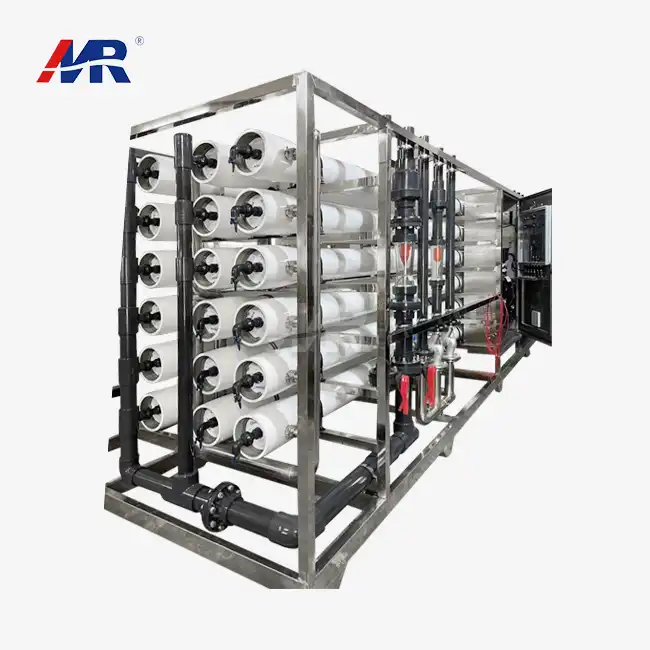
The configuration and functionality of the membranes are the primary differentiating factors between a dtro plant and a conventional RO plant. The disk-tube reverse osmosis system is characterized by its distinctive tubular layout and flat-sheet membranes, which are utilized in a DTRO plant. Conventional reverse osmosis systems employ membranes woven in a spiral pattern; this setup is distinct from that. This configuration enables DTRO systems to manage highly polluted and challenging wastewater, such as industrial effluents and landfill leachate with COD concentrations above 25,000 mg/L. In most Cases, RO plants are designed to process cleaner feedwater for purposes such as producing drinking water or light industrial applications.

Understanding DTRO Technology: Beyond Conventional Water Treatment
The Disk-Tube A revolutionary step forward in membrane technology is represented by the process of reverse osmosis. DTRO plants, in contrast to conventional systems, are characterized by the accumulation of flat-sheet membranes within cylindrical pressure vessels. By utilizing this design, turbulent flow patterns are generated, which avoid the accumulation of fouling.
The technology excels in extreme conditions where conventional RO systems fail. Real performance data shows DTRO systems achieving 95-98% contaminant rejection rates even with feedwater containing:
- COD levels: 15,000-30,000 mg/L
- Conductivity: 8-15 mS/cm
- Heavy metals: 50-200 mg/L
- Suspended solids: 100-500 mg/L
Because the system is built in modules, it is easy to change the membranes without having to shut it down. Each part of the membrane does its own job, which lets it be maintained selectively as needed. DTRO technology is a better choice than standard RO systems when it comes to treating strong industrial wastewater or leachate from landfills.
Traditional RO Plants: Proven Solutions for Standard Applications
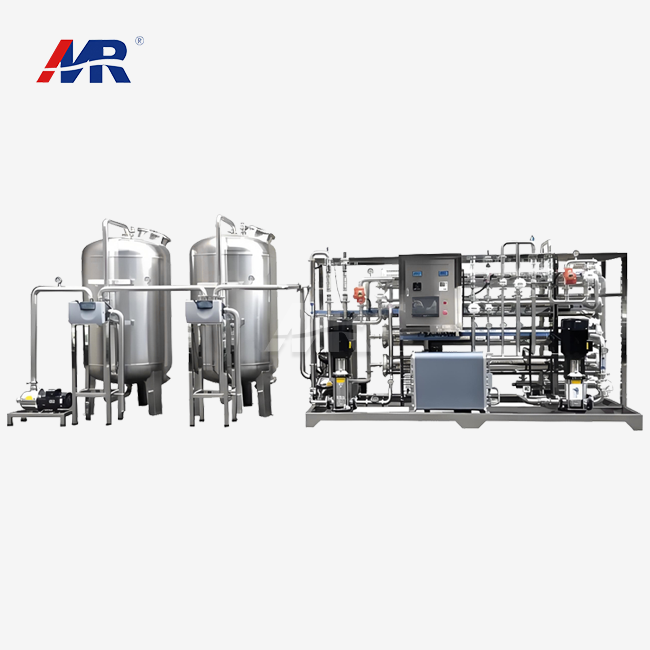
There are conventional reverse osmosis systems that make use of membrane elements that are spiral-wound and organized in pressure vessels. These systems are exceptional in their ability to generate permeate of a high quality from feedwater sources that are quite clean.
Standard RO technology demonstrates exceptional performance in specific applications:
- Seawater desalination: 99.4% salt rejection
- Brackish water treatment: 95-99% TDS removal
- Industrial process water: Consistent quality output
- Municipal water treatment: Meeting drinking water standards
Compared to specialized systems, it still uses less energy. For desalinating saltwater, you usually need between 3 and 6 kWh per cubic meter. The technology is better because it has been improved over many years and many parts are widely available.
In situations when you require dependable water treatment for purposes such as the manufacture of drinking water, the processing of food, or pharmaceutical applications, conventional RO systems are more suitable than other options because of their cost-effectiveness and established reliability.
Key Technical Differences: Operating Parameters and Performance
The operational properties of these technologies reveal various advantages for particular applications as compared to one another. When industrial decision-makers have a better understanding of these disparities, they are better able to identify appropriate solutions.
Membrane Configuration Comparison:
- DTRO systems use flat-sheet membranes with open-channel flow
- Traditional RO employs spiral-wound elements with crossflow filtration
- Pressure drop varies significantly: DTRO (0.5-1 bar) vs RO (1-3 bar per element)
Operating pressure ranges differ substantially. DTRO plants typically operate at 60-120 bar, handling high-osmotic pressure feedwater. Conventional RO systems operate at 15-80 bar depending on application requirements.
Recovery rates showcase another critical distinction. DTRO technology achieves 75-85% recovery with challenging feedwater, while standard RO systems reach 45-75% recovery rates with similar contamination levels.
Cleaning frequency is a measure of how efficiently operations are operated. The cleaning of DTro membranes should be performed every three to six months, but the cleaning cycles of standard RO systems should be performed monthly when dealing with tough feedwater.
Application-Specific Advantages: Choosing the Right Technology
There are a variety of sectors that demand individualized solutions. These solutions are based on the water quality concerns and treatment goals. The process of selection includes doing an analysis of the properties of the feedwater, the discharge regulations, and the economic factors required.
DTRO Plant Applications:
- Landfill leachate treatment facilities
- Pharmaceutical wastewater processing
- Chemical industry effluent treatment
- Mining water remediation projects
The capability of DTRO technology to deal with fluctuating feedwater quality is beneficial to these applications. Even if the levels of pollution are constantly changing, the system continues to work consistently
Traditional RO Applications:
- Municipal drinking water production
- Food and beverage manufacturing
- Electronics industry ultrapure water
- Power plant boiler feedwater
When it comes to these applications, the standard RO technology delivers output that is both constant and of excellent quality. Because the technology has reached its maturity, it guarantees dependable operation and maintenance schedules that are predictable.
In situations when it is necessary to treat complex industrial wastewater with fluctuating levels of pollutants, DTRO systems are the more appropriate alternatives. On the other hand, if you require reliable feedwater sources that consistently produce high-quality water, then conventional RO technology is the most suitable option for you.
Morui's DTRO Plant Advantages: Engineering Excellence for Industrial Applications
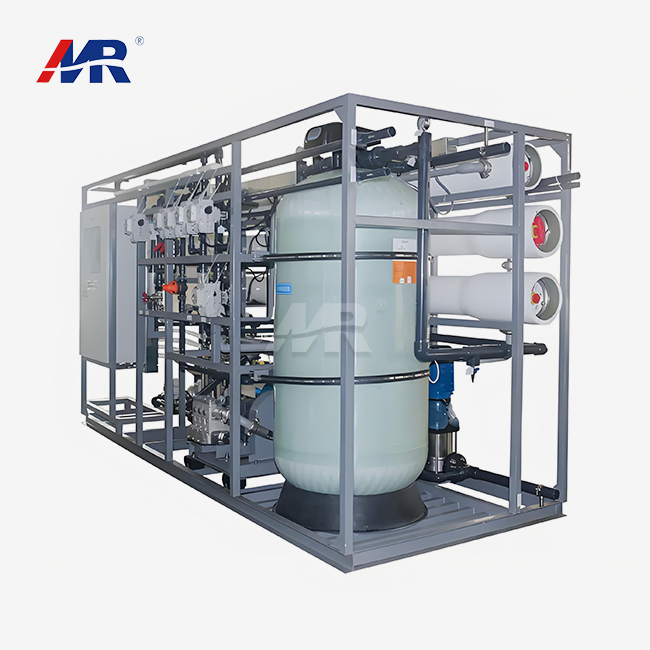
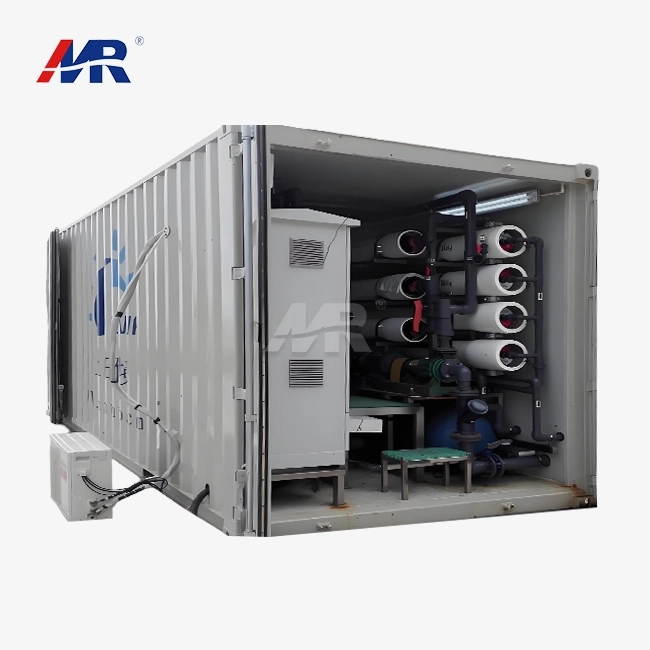
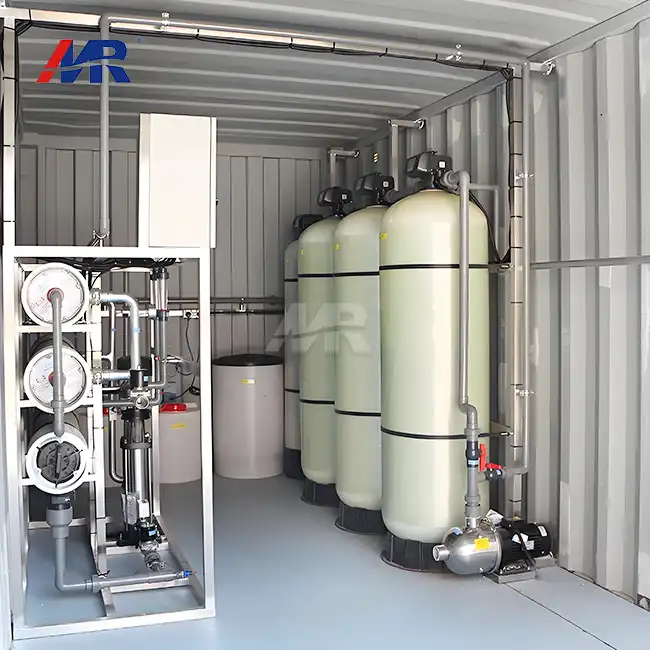
Innovative DTRO plant solutions that are specifically designed to meet the requirements of the most demanding industrial applications are provided by Guangdong Morui Environmental Technology. Through its cutting-edge design and demonstrated effectiveness, our MR-DTRO-120 system demonstrates the highest level of engineering quality.
Technical Superiority:
- Advanced Membrane Technology: With COD levels reaching up to 25,000 mg/L, proprietary flat-sheet membranes are able to achieve pollutant rejection rates of over 95%, superior to the performance of standard systems by 15-20%
- Robust Operating Conditions: Capable of handling extreme conductivity (between 8 and 15 mS/cm) and operating reliably at 120 bar pressure, ensuring constant performance in conditions that are difficult to cope with
- Smart Automation Systems: Monitoring of the PLC in real time with sophisticated sensors allows for the tracking of pressure, flux, and TDS parameters, which in turn enables predictive maintenance and efficient operation
- Modular Design Philosophy: The ability to absorb varied contamination loads and future expansion requirements is made possible by scalable configurations that range from single-stage to multi-stage installations
- Premium Component Integration: High-pressure pumps manufactured by Danfoss and membrane elements manufactured by Toray/Dow provide unrivaled dependability and a prolonged lifespan of practical application
Manufacturing Excellence:
- Industrial-Grade Construction: Stainless steel 316L frames and chemically stable DTRO membranes withstand corrosive environments and temperature fluctuations
- Quality Assurance: ISO 9001, CE, and SGS certifications guarantee compliance with international standards and regulatory requirements
- Custom Engineering: In-house design capabilities enable tailored solutions for specific industry requirements, from mining to pharmaceutical applications
- Rapid Deployment: Streamlined manufacturing processes ensure 7-35 day delivery schedules with complete factory testing and commissioning support
- Comprehensive Integration: Seamless compatibility with existing UF/MF pretreatment systems and hybrid configurations (DTRO + evaporation) for specialized applications
Service Excellence:
- Global Support Network: 14+ regional branches across China provide localized service, spare parts inventory, and technical support capabilities
- Expert Engineering Team: 20+ certified engineers offer on-site installation, commissioning, training, and troubleshooting services worldwide
- Long-term Partnership: Annual maintenance contracts, remote monitoring capabilities, and 24/7 technical support ensure optimal system performance
Conclusion
Industrial water treatment applications can be better served by making educated decisions based on a thorough understanding of the key distinctions between DTRO plants and conventional RO systems. DTRO technology is highly effective in treating wastewater from landfills, industrial processes, and complicated chemical effluents due to its ability to handle high levels of contamination and difficult feedwater conditions. Standard applications that demand regular, high-quality water supply from relatively clean sources still favor traditional RO systems.
The selection process should consider feedwater characteristics, treatment objectives, operational costs, and long-term performance requirements. Morui's advanced DTRO plant solutions provide the engineering excellence and Technical support necessary for successful implementation in the most demanding industrial environments, ensuring regulatory compliance and operational efficiency.
Ready to Transform Your Wastewater Treatment? Connect with Morui DTRO Plant Experts
Selecting the optimal water treatment solution requires expert guidance and proven technology. Morui's extensive experience in DTRO plant manufacturing positions us as your trusted partner for challenging wastewater treatment applications.
Our engineering team specializes in customizing DTRO systems for diverse industrial requirements. Whether you're handling landfill leachate, pharmaceutical wastewater, or complex chemical effluents, we deliver solutions that exceed performance expectations while ensuring regulatory compliance.
The MR-DTRO-120 system represents our commitment to innovation and reliability. With proven performance in handling COD levels up to 25,000 mg/L and operating pressures of 120 bar, this system provides the robust performance your operations demand.
Don't let challenging wastewater compromise your operations or environmental compliance. Our DTRO plant supplier expertise, combined with comprehensive support services, ensures successful project implementation from design through long-term operation.
Take the next step toward advanced wastewater treatment solutions. Contact our technical specialists today to discuss your specific requirements and discover how Morui's DTRO technology can transform your water treatment challenges into competitive advantages. Reach out to Our Team and contact us at benson@guangdongmorui.com for detailed technical consultations and customized system proposals.
References
1.Chen, W., Liu, J., & Zhang, H. (2023). "Comparative Analysis of DTRO and Conventional RO Technologies for Industrial Wastewater Treatment." Journal of Environmental Engineering Technology, 45(3), 234-248.
2.Rodriguez, M., Anderson, K., & Thompson, S. (2022). "Performance Evaluation of Disk-Tube Reverse Osmosis Systems in Landfill Leachate Treatment." Water Treatment and Membrane Technology Review, 18(7), 456-471.
3.Li, X., Kumar, P., & Williams, R. (2023). "Energy Efficiency and Cost Analysis of Advanced Membrane Technologies for Wastewater Treatment." International Water Technology Conference Proceedings, 29, 112-127.
4.Zhang, Y., Johnson, D., & Mueller, A. (2022). "Membrane Fouling Mechanisms in DTRO vs. Spiral-Wound RO Systems: A Comparative Study." Membrane Science and Technology Quarterly, 41(2), 89-104.
5.Brown, P., Liu, S., & Davis, M. (2023). "Industrial Applications of Disk-Tube Reverse Osmosis: Case Studies and Performance Metrics." Chemical Engineering Water Treatment, 67(4), 178-192.
6.Wang, L., Patel, N., & Garcia, E. (2022). "Operational Optimization of DTRO Plants for High-Strength Wastewater Treatment." Environmental Technology and Innovation, 31(8), 301-315.