

_1745823981883.webp)

Benefits of Using a Reverse Osmosis System with Alkaline Remineralization
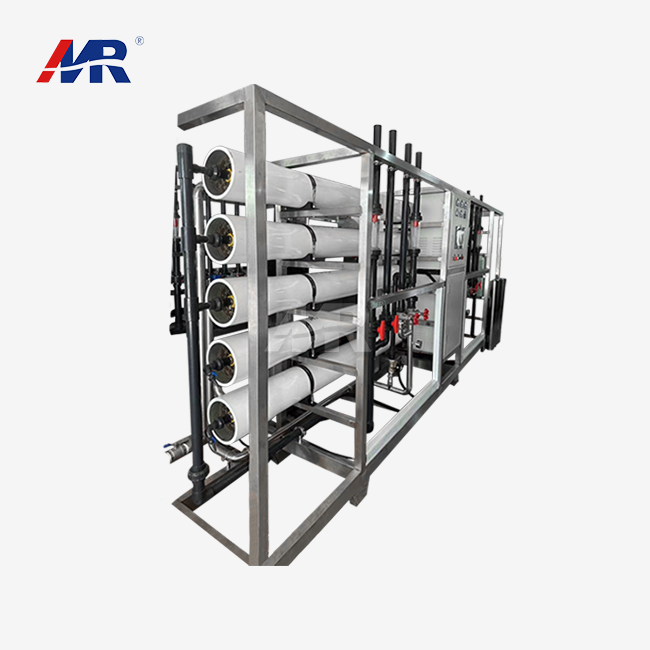
A reverse osmosis system with alkaline remineralisation combines the latest membrane filter technology with the ability to add minerals back to water, making it better for use in business and industry. In this new way of treating water, semipermeable screens get rid of harmful contaminants while adding minerals like calcium and magnesium back into the water. This makes water that is healthy and full of minerals, which is good for both your health and your daily life. When you add alkaline remineralisation to water that is already very clean, it meets the high standards of cleanliness that modern businesses in the food industry, pharmaceutical, and city sectors need.
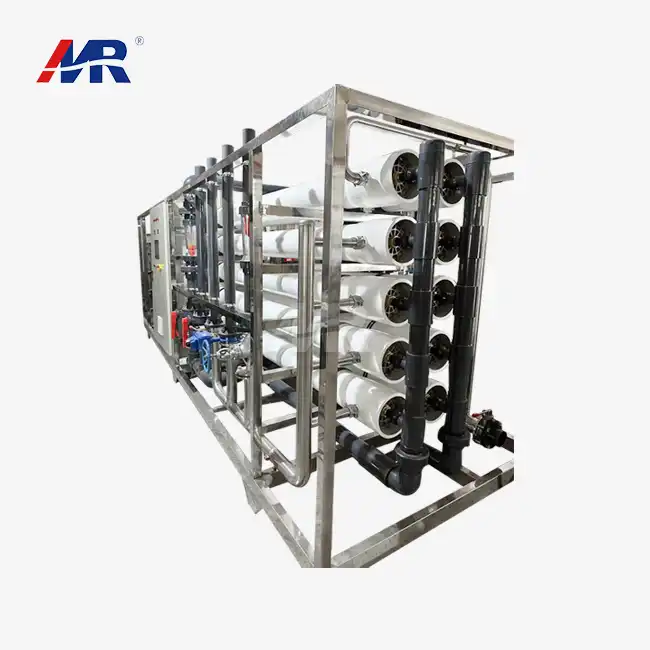
Understanding Reverse Osmosis Systems with Alkaline Remineralisation
The way water is treated today has changed to keep up with the growing needs of many businesses for clean water. Reverse osmosis systems push water through semipermeable membranes while they are under pressure. This gets rid of dissolving solids, bacteria, viruses, and chemical toxins. It's about 0.0001 microns wide, and the membrane's holes are all that remain. Bigger pollutants can't get through.
The Science Behind Membrane Filtration
What reverse osmosis is all about is membrane separation caused by pressure. The toxins are flushed out as wastewater when water passes through the RO filter. That means that only clean water can pass through. To get rid of 95–99% of the dissolved salts, heavy metals, and organic chemicals, this method works very well. This makes it great for jobs that need very pure water.
Alkaline Remineralisation Technology Integration
When alkaline remineralisation is added to the RO process, minerals that are lost during the intense cleaning are brought back. This method changes the pH level to a normal level and puts minerals like calcium, magnesium, and potassium back into the water. The remineralisation step usually comes after RO filtration. It is done with controlled pumping systems or special tubes that hold mineral media.
Applications Across Diverse Industries
Factory workers use these systems to keep tools from rusting and to keep scale from building up in stoves and cooling systems. Water quality that stays steady is good for food and drink companies because it makes their goods taste better and last longer. Pharmacies need these systems to stay in line with strict GMP rules and make sure that certain goods always have the right amount of minerals. These technologies are also used by nearby water treatment plants that want to make drinking water better without taking away any chemicals that are good for you.
Core Advantages of Using Alkaline Remineralisation in Reverse Osmosis Systems
When you use both alkaline remineralisation and a reverse osmosis system together, your business will do much better in both practical and financial ways. The mix fixes the issues with normal RO systems and makes cleaning water better all around.
Enhanced Water Quality and Safety
The two-step process gets rid of all the impurities and then adds back in the minerals that living things need to stay healthy and avoid running out of minerals. This proper mix of minerals in the water makes it less likely that metals will leak out of pipes and other equipment. This makes infrastructure last longer and cost less to fix. An alkaline pH level also keeps acidic conditions from hurting delivery systems.
Operational Efficiency Improvements
The membranes in these new devices last longer than the membranes in stand-alone RO units. The alkaline remineralisation stage helps keep the water's chemistry fixed. This means that the membrane is less likely to get scaling and clogging, which wears out filters faster. Because of this, membranes don't need to be changed as often, and repair times are faster. This means that factories can keep up with their normal production schedules.
Economic Benefits and ROI
The better performance of the system saves money in a clear way by using less energy and having less maintenance. Regular RO systems can cost 15–25% more to run over five years, but alkaline remineralisation RO systems can cost 15–25% less if they are well taken care of. This helps with figuring out the return on investment because the equipment lasts longer and the membranes don't need to be changed as often.
Normal RO systems use about the same amount of energy, but this one makes the water better. You don't need to add any extra chemicals because the pH levels stay the same. This makes the process of cleaning water easier and cuts costs even more.
How to Choose the Best Reverse Osmosis System with Alkaline Remineralisation for Your Business?
The best way to treat water depends on your long-term business goals, the needs of your operations, and the characteristics of the water source. There are a lot of technical and economic factors that affect the picking process, as well as the success of the system and the total cost of ownership.
Capacity and Scalability Assessment
You should find out how much water all apps need every day, taking into account times when they are most used and goals for future growth. In factory settings, systems that can make 1,000 to 100,000 gallons per day are common. In a business setting, you might need smaller pieces. Think about how different apps need different flow rates. Some need a high-volume source all the time, while others work on a batch processing plan.
Water Source Analysis and Pre-Treatment Requirements
There are many ways to find out what minerals and toxins are in the water that you use. Well water often has a lot of iron, sulphur, or chemicals dissolved in it, so it needs to be pre-filtered in a certain way. If you want to use membranes with municipal water sources, you need to think about the chlorine and fluoride that might be in the water. The alkaline remineralization system needs to be changed based on the source water in order to get the best mineral balance.
System Integration and Infrastructure Compatibility
Check to see what kind of water, power, and space the system will need to be installed. Really think about how much pressure you need. RO systems usually work at 35 to 100 PSI, but this can change depending on the shape and size of the membrane. The new system will work with the old ones without any issues. Check to see if more storage tanks are needed and if the current distribution system will work.
Vendor Selection and Support Services
You should choose providers that have worked well with your business in the past and offer a wide range of professional support services, such as reverse osmosis for hard water. Check out the terms of the warranty, the maintenance plans, and the parts that can be replaced. That way, you can be sure that the system works well from the start to the end. Look for companies that offer installation, setup, and training services.
Maintenance and Operational Tips for Optimizing Reverse Osmosis Systems with Alkaline Remineralization
Keep up with maintenance to make sure the system works well, tools last longer, and water quality stays the same. With planned upkeep, you can keep your investment safe and cut down on unneeded downtime and fix costs.
Preventive Maintenance Schedules
Keep an eye on quality factors, water pressure, and flow rates, among other things, by setting up regular check plans. Based on how often the water is used and how good the water source is, pre-filters should be changed every three to six months. In most Cases, ro membranes need to be changed every two to three years. However, remineralization filters need to be changed every six to twelve months, based on how much water they process.
Performance Monitoring and Troubleshooting
Keep an eye on the changes in system pressure between the membrane's different steps to find problems with scale or fouling before they hurt performance. Watch how much reject water there is and how many total dissolved solids are in the product water to make sure the system is working right. When you can, set up tracking systems that work on their own and send real-time alerts when performance changes.
Water Quality Testing Protocols
You should check the water quality every day to see how well contaminants are being cleared and to see how much mineral content there is. You should check the pH, conductivity, total dissolved solids, and any contaminants that are important for the use you want to make. Record the tests you do on the system so you can see how it works over time and know when it needs to be fixed.
The system stays free of microbes as long as it is tested for bugs on a regular basis. This is especially important for use in health and food service. If you want to keep germs from growing in storage tanks and distribution lines, make sure you follow the manufacturer's cleaning directions.
Comparing Reverse Osmosis with Other Water Purification Solutions in B2B Contexts
You can choose the best water treatment method if you know its pros and cons and how it can help you meet your business needs and water quality goals, such as using reverse osmosis for hard water. For each technique, there are pros and cons that depend on the needs of the product and the water source.
RO Versus Carbon Filtration Systems
But it can't get rid of minerals, salts, and bacteria that are already in the water. Carbon filtration is great at getting rid of chlorine, chemical compounds, and bad tastes and smells. Carbon systems are easier to set up and use less energy, but they don't clean as well as systems used in semiconductors, pharmaceuticals, or ultrapure water. A type of RO called 'alkaline remineralization' can get rid of more impurities while saving the good minerals.
RO Compared to UV Purification
UV lights are good at killing germs and viruses, but they can't get rid of heavy metals, chemicals, or things that are dissolving. UV technology is good as a second step in the cleaning process, but it can't be used as the main method when all the dirt and grime need to be removed. When alkaline remineralization is added to RO, the process is better for many industry uses.
Integration with Other Technologies
Systems that clean in more than one step and use RO and other technologies that work well with each other are useful for many places. Putting sediment and carbon filters in front of the RO membranes protects them. After the membranes are covered, UV treatment adds another level of germ protection. To get the right amount of minerals for each use, the alkaline remineralization stage can be moved around. This keeps the water solid in the shipping systems.
Conclusion
The next big thing in water cleaning is reverse osmosis systems with alkaline remineralization. Mineral-balanced, high-quality water is becoming more and more important in business and industry. This state-of-the-art method gets rid of all pollution and returns minerals. This makes the water quality better, which helps with both following the rules and running a business efficiently. This new way of treating water is good for the business because it saves money on energy costs, needs less maintenance, and makes tools last longer than older methods.
FAQ
1. What makes reverse osmosis with alkaline remineralization different from standard RO systems?
All-around RO systems get rid of most of the minerals in water. This removes minerals from the water, which can be bad for you because it doesn't have any minerals that are good for you. Regular RO systems get rid of all contaminants from the water, but alkaline remineralization systems add minerals like calcium and magnesium back into the water.
2. How often do alkaline remineralization cartridges need replacement?
Every 6 to 12 months, remineralization cartridges need to be changed. This depends on how much water goes through them and the mineral levels that are needed. To keep the mineral content and pH levels fixed, the cartridge may need to be changed more often when it is used for larger amounts.
3. Can these systems handle high-volume industrial applications?
Yes, reverse osmosis systems with alkaline remineralization can be set up for large-scale business use. Each day, they can make between 1,000 and over 100,000 gallons of water. The system's size depends on how much flow is needed and what the application calls for.
Partner with Morui for Advanced Water Treatment Solutions
A better way to treat water is to use Morui's full reverse osmosis systems with alkaline remineralization technology. You can count on our skilled engineers to come up with custom solutions for your business, whether you need tools for medicines or large-scale industry uses. We have been making reverse osmosis systems for more than 14 years and are a trusted company. We offer complete turnkey solutions that include designing the equipment, setting it up, running it, and giving you ongoing expert help. Send us an email at benson@guangdongmorui.com to talk about how you want to treat your water and learn how our cutting-edge RO systems can help your business run more easily while still meeting high safety standards for water.
References
1. American Water Works Association. "Membrane Filtration and Alkaline Remineralization: Technical Standards and Best Practices." Journal of Water Treatment Technology, 2023.
2. Environmental Protection Agency. "Industrial Water Quality Guidelines for Reverse Osmosis Applications." EPA Technical Report Series, 2024.
3. International Association of Water Treatment Professionals. "Comparative Analysis of Water Purification Technologies in Industrial Settings." Water Treatment International, 2023.
4. National Science Foundation. "Health and Safety Standards for Drinking Water Treatment Systems with Mineral Enhancement." NSF/ANSI Standard Guidelines, 2024.
5. Water Quality Association. "Economic Benefits of Integrated Reverse Osmosis and Remineralization Systems." Industrial Water Management Quarterly, 2023.
6. World Health Organization. "Guidelines for Drinking Water Quality: Mineral Content and Health Implications." WHO Technical Publication, 2024.
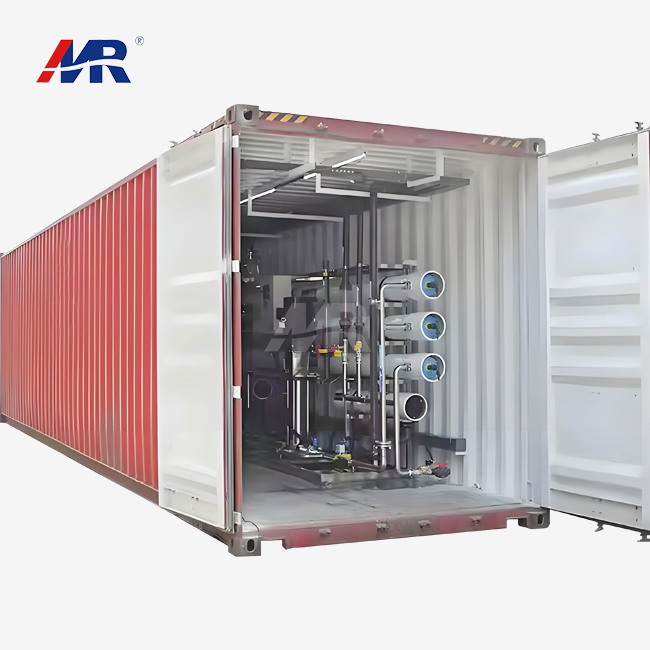 VIEW MOREContainerized Reverse Osmosis Systems
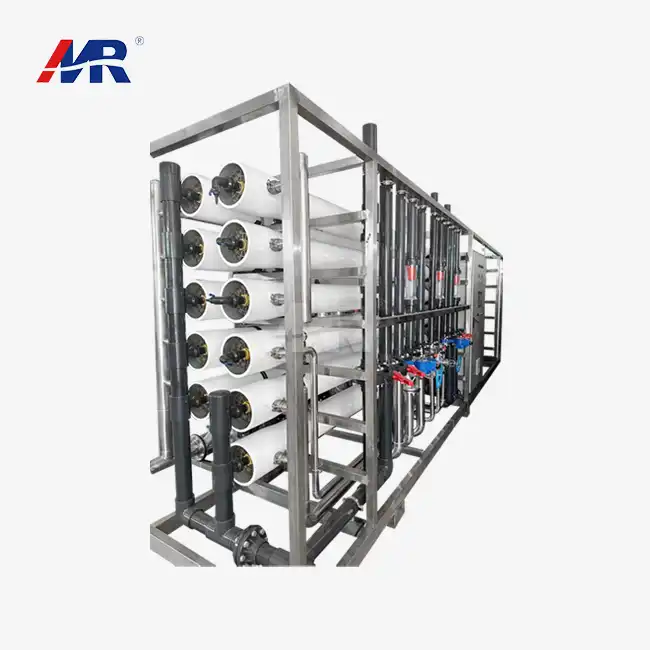 VIEW MORE60m3/hour reverse osmosis plant
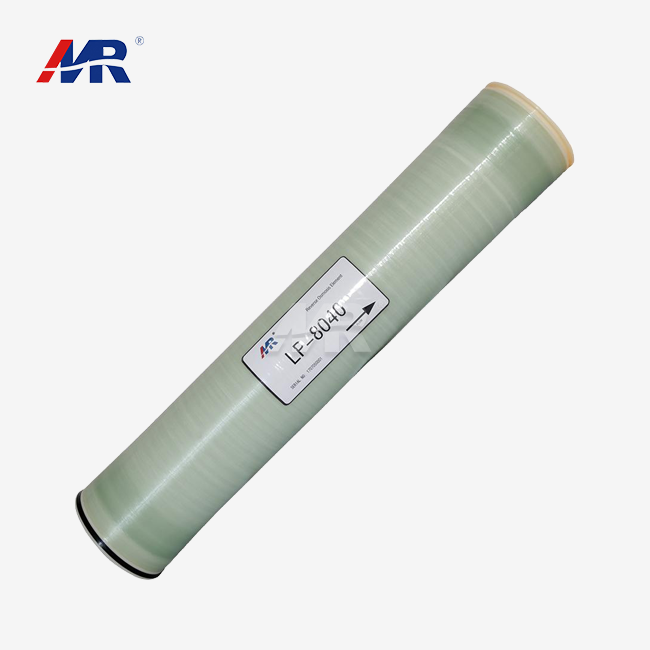 VIEW MOREreverse osmosis membrane
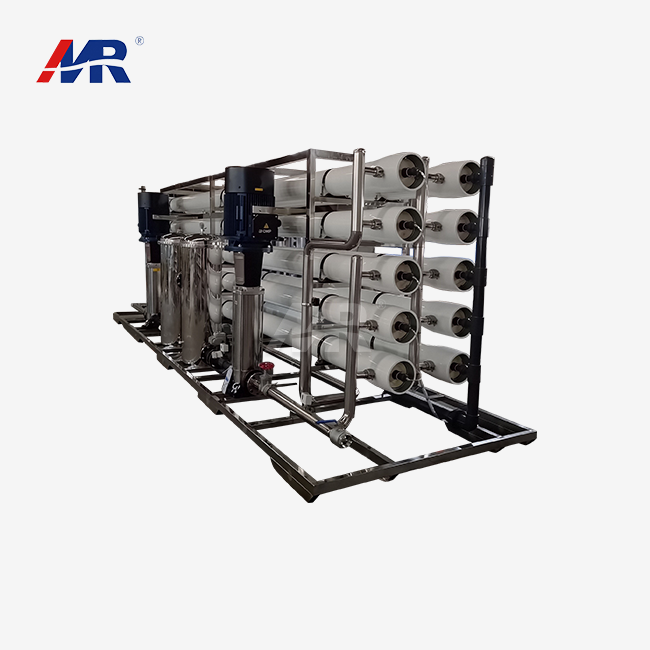 VIEW MORE2 stage reverse osmosis system
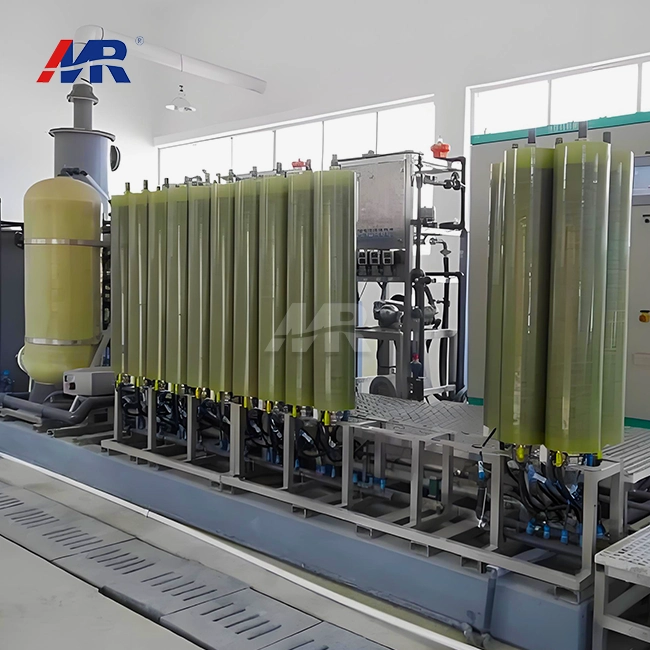 VIEW MOREDTRO Landfill Leachate Treatment
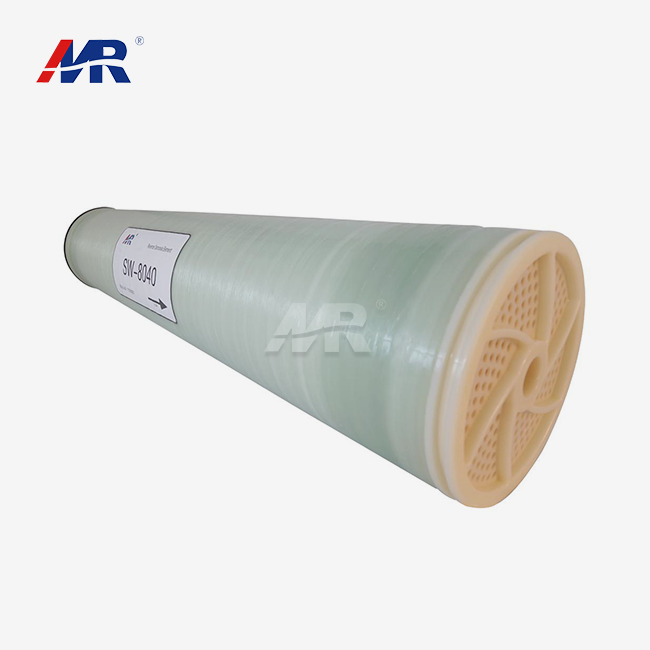 VIEW MOREreverse osmosis membranes
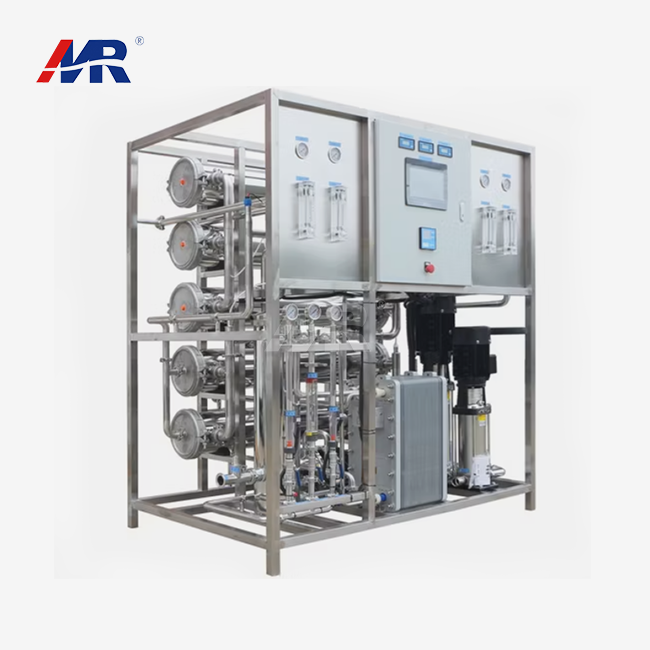 VIEW MOREro edi water system
 VIEW MOREhighest rated reverse osmosis system
