_1745823981883.webp)

High Flow Rate Reverse Osmosis Devices: What You Need to Know
High flow rate reverse osmosis devices are a huge step forward in the way water is treated; they can clean water very well without lowering the quality of the water. These high-tech systems use advanced membrane technology and optimized engineering to handle much larger amounts of water than regular RO units. This makes them essential for large-scale uses, business facilities, and industrial operations. This kind of reverse osmosis device can completely change the way you treat water by giving you steady, high-purity water while keeping your operations running smoothly and lowering system downtime.
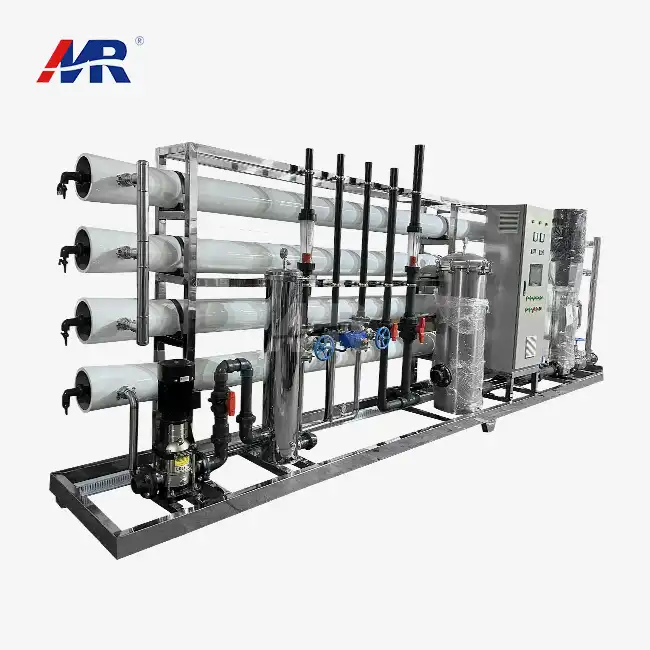
Understanding High-Flow Rate Reverse Osmosis Devices
With reverse osmosis technology, the basic idea behind it is a complex membrane filter process that gets rid of impurities and leaves behind very clean water. Under pressure, this process works by pushing water through semi-permeable membranes. The membranes let water molecules pass through but stop impurities, dissolving salts, and other contaminants.
Advanced Membrane Technology and System Design
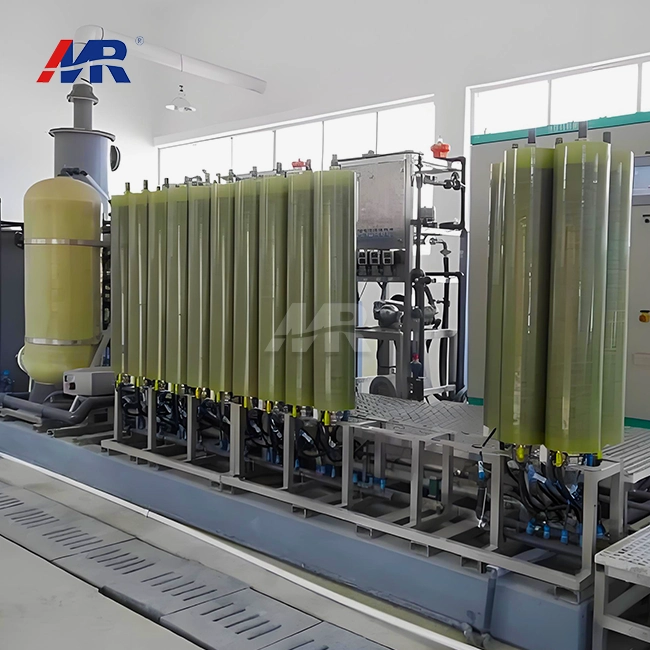
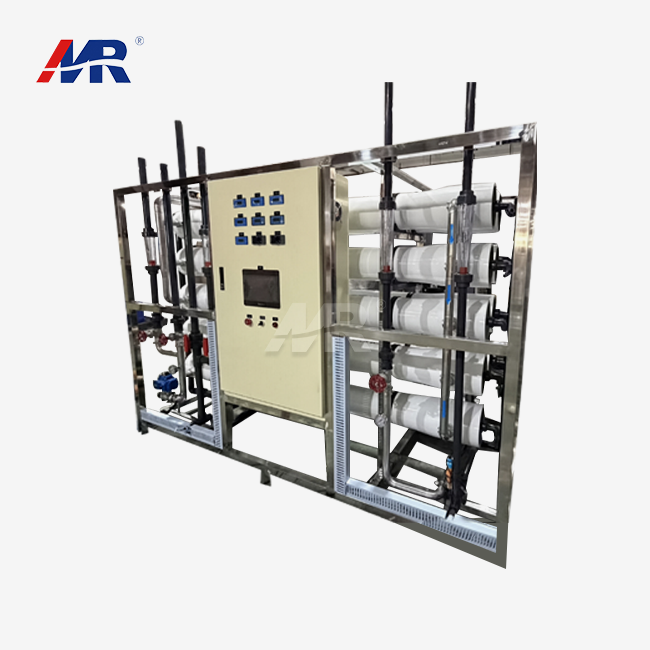
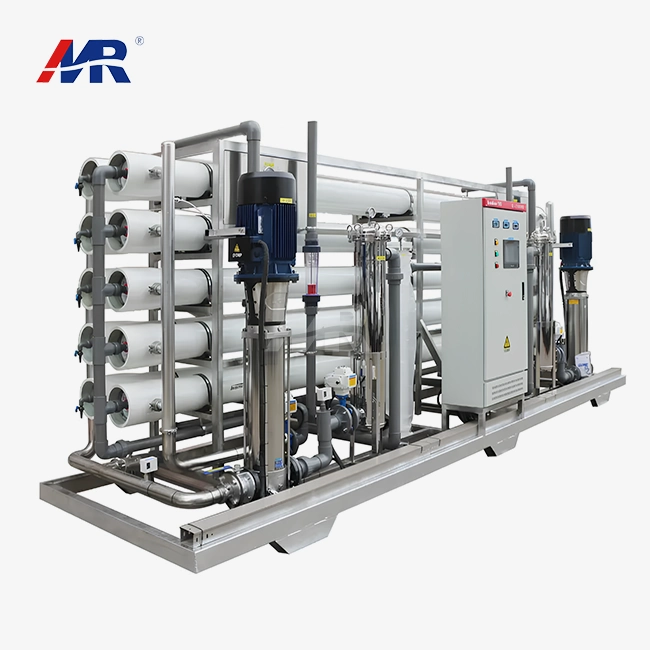
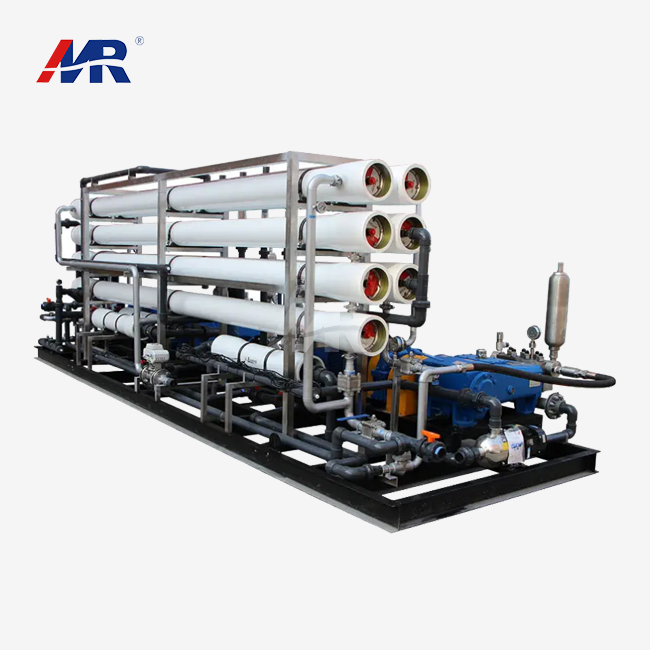
High flow rate reverse osmosis devices and systems are different from regular units because they use new ways to set up the membranes and make the system work better. These devices have many membrane elements that can be set up in line or series. This greatly increases the amount of water that can be produced while still providing excellent filtration. The improved design has bigger membrane surface areas, better flow patterns, and better pressure control systems that all work together to give the system a very high throughput.
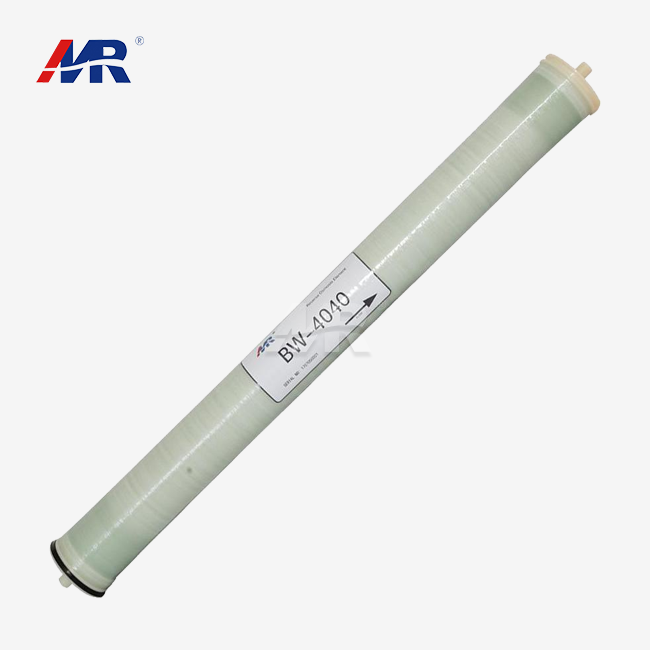
Thin-film composite (TFC) membranes are used in modern high-flow-rate systems. These membranes are better at rejecting salt and last longer than standard cellulose acetate membranes. TFC membranes are very good at not getting clogged or damaged by chemicals, which makes them perfect for ongoing industry use. These membranes have a multi-layered structure with polyamide layers on top of a polysulfone base. This allows for a lot of water flow and good pollution removal.
Operational Benefits and Efficiency Improvements
High flow rate reverse osmosis devices and systems have many benefits for businesses that go beyond just making more water. These systems make operations much more efficient by cutting down on the number of units needed for large-scale tasks. This means that less room is needed for installation, less upkeep is needed, and the overall system is simpler. The increased capacity directly leads to less downtime because backup systems can better keep things running during regular repair times.
Another important benefit is that current high-flow rate systems have energy recovery devices and optimized pump setups that lower the total amount of power used per gallon of treated water created. This improvement in efficiency is especially important for large-scale companies where energy costs make up a big part of operating costs.
Key Factors to Consider When Choosing a High-Flow Rate Reverse Osmosis Device
There are a lot of technical and practical factors that affect the performance and long-term value of an RO system, so it's important to carefully consider all of them when choosing the right high flow rate RO system. When procurement workers understand these important factors, they can make choices that meet the needs of the business and work within operational limits.
Performance Metrics and Capacity Requirements
The main way to measure how much a system can handle is in gallons per day (GPD), but this number must also be taken into account along with the recovery rate and working pressure needs. The recovery rate tells you how much of the feed water was turned into clean water. In high flow rate systems, this number is usually between 75% and 85%. Higher recovery rates make water use more efficient, but they might need more advanced methods for pretreatment and tracking.
The required operating pressure has a direct effect on how much energy is used and which system parts are chosen. Depending on the quality of the feed water and the output requirements, high flow rate systems usually work between 150 and 400 PSI. Knowing these pressure needs helps figure out the right size pump and how much energy it will use, which is needed to make correct cost predictions for running the business.
Technology Comparison and Contaminant Removal Capabilities
When looking at different filtration technologies, like carbon filters and UV cleaning systems, reverse osmosis devices are more flexible when it comes to getting rid of contaminants. Carbon filters are great at getting rid of chlorine and organic compounds, and UV systems are great at getting rid of germs. But RO technology is the best way to treat water because it gets rid of dissolved salts, heavy metals, bacteria, viruses, and a lot of other chemical contaminants all at once.
RO systems are very useful for uses that need very pure water, like making medicines, electronics, food, and drinks. This is because they can remove a wide range of contaminants. This all-around treatment feature often gets rid of the need for multiple specialized filter systems, making the system simpler and less demanding on upkeep.
System Configuration and Automation Features
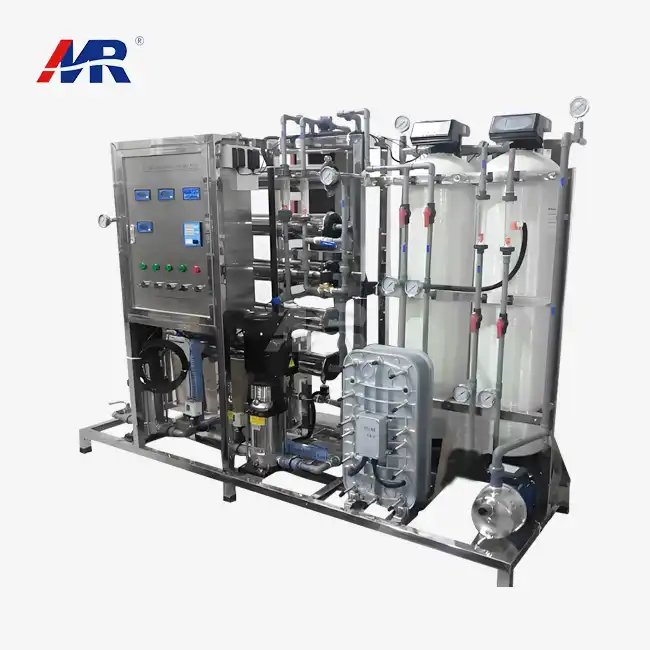
Modern RO systems with high flow rates have advanced automation features that make them more reliable and lessen the need for human action. Advanced control systems keep an eye on important factors like feed pressure, permeate flow rates, conductivity levels, and membrane performance markers. These systems can change working parameters, start cleaning processes, and send early warnings about possible problems all on their own.
The amount of automation has a big effect on how well operations run and how much care costs. Systems that can fully watch and control performance can improve it in real time, making the membrane last longer, keeping the water quality stable, and lowering the need for highly skilled operators.
Installation and Maintenance Guide for High-Flow Rate RO Devices
The best performance and longest life from high flow rate reverse osmosis device systems depend on following the right installation and upkeep steps. To get the most out of your investment and make sure these systems work reliably, you need to pay close attention to how the site is prepared, how they are installed, and how they are maintained over time.
Site Preparation and Installation Requirements
Setting up the site starts with making sure there is enough room and building the right equipment to fit the system's size and needs. For equipment layout, servicing access, and possible future growth, high flow rate systems usually need a lot of floor space. The construction spot must have the right amount of electricity, the right amount of drainage for the release of concentrate, and the right environmental conditions, such as controlling the temperature and keeping natural contaminants out.
For the water supply system to work at its best, the equipment must meet certain flow and pressure standards. Analyzing the quality of the feed water helps figure out what kind of preparation is needed. This could include sediment filtering, carbon treatment, or chemical dosing systems. The right cleaning keeps membrane parts from getting clogged or damaged, which greatly increases system life and keeps performance levels high.
Maintenance Protocols and Performance Optimization
Regular filter changes, membrane cleaning plans, and systematic performance tracking are all part of routine maintenance practices that keep systems running at their best. When to change filters depends on the quality of the feed water and how the system is working. Usually, prefilters and postfilters need to be replaced every month to three months.
Chemical cleaning processes are used in membrane cleaning methods to get rid of built-up contaminants and get membranes working properly again. These cleaning processes use special cleaning agents and methods that are made for different types of fouling, like biological growth, inorganic scaling, and organic fouling. Following the right cleaning steps can bring back the membrane's performance and make it last a lot longer than expected.
Troubleshooting Common Operational Issues
Some common practical problems are less water being produced, worsening water quality, and higher running pressures. Less production usually means that the membrane is getting clogged, the feed pressure isn't high enough, or changes in temperature are affecting how well the system works. Systematic fixing methods help find the causes of problems and take the right steps to fix them.
The most common efficiency problem is membrane fouling, which shows up as less permeate flow or higher feed pressure needs. Different kinds of fouling need different ways to be treated, such as chemical cleaning, changing working parameters, or taking better preparation steps. Small problems can be stopped before they become big ones that need expensive fixes or membrane replacement by keeping an eye on them and acting quickly.
Market Comparison and Procurement Insights for B2B Buyers
There are a lot of companies in the high flow rate RO market, and they all have different product lines with different features, licenses, and customer service. When you know how the market works and what manufacturers can do, you can make smart choices about what to buy that balance performance needs with cost and long-term support needs.
Leading Manufacturers and Product Evaluation Criteria
Top manufacturers set themselves apart by getting a wide range of Certifications, such as those for NSF International standards, ISO quality management systems, and industry-specific certifications that are important to the uses they are making them for. These certifications give you peace of mind about the quality of the product, its consistent performance, and its compliance with regulations, all of which are important for industry and business uses.
Advanced membrane technologies, better energy economy, and complex control systems that improve operating performance and lower lifetime costs make a company a leader in innovation. When companies spend money on research and development, the goods they make are usually more advanced, work better, and last longer.
Pricing Analysis and Financial Considerations
The price of a high-flow rate reverse osmosis device system depends a lot on its capability, amount of automation, and the accessories that come with it. Systems for small businesses that are just starting usually cost between $15,000 and $25,000. On the other hand, big industrial systems can cost over $100,000, based on their size and level of complexity. These price ranges only show how much the equipment costs. They do not include the costs of setting it up, starting it, or doing regular upkeep.
Leasing and financing are two other ways to buy things that let you spread costs out over longer periods of time while keeping cash on hand for other business investments. A lot of makers offer a range of flexible financing options, such as leasing, renting, and performance-based contracts that match payment schedules with business benefits and cash flow needs.
Conclusion
Reverse osmosis devices with a high flow rate are important purchases for businesses that need reliable, high-capacity water treatment options. These high-tech systems work very well thanks to advanced membrane technology, well-thought-out system design, and lots of automation features that make operations run more smoothly and require less upkeep. To get the best value and operational success, the decision process needs to carefully look at performance metrics, the manufacturer's skills, and the need for long-term assistance. Installing and maintaining systems correctly is important for getting the most out of them and making sure they last as long as possible. This way of treating water helps businesses grow and run smoothly.
FAQ
Q1: What water quality standards do high flow rate RO systems achieve?
High flow rate reverse osmosis systems always make water that meets or beats the strict cleanliness standards needed in electronics, food processing, and pharmaceuticals. Total dissolved solids (TDS) removal rates for these systems usually go above 99%, getting rid of germs, viruses, heavy metals, and chemical contaminants to make water that can be used for important tasks that need ultra-pure water quality.
Q2: How often should membrane elements be replaced in high flow rate systems?
The amount of time between membrane replacements depends on the quality of the feed water, the working conditions, and the upkeep practices used. In normal operating conditions, membrane replacements happen every 2 to 5 years. Good care and regular checks on the membrane's performance can make it last a lot longer. On the other hand, bad water quality or weak pretreatment may mean that it needs to be replaced more often. Monitoring key performance measures on a regular basis lets you know early on when membrane performance is going down.
Q3: What distinguishes high flow rate units from standard RO systems?
Multiple membrane elements, improved pressure management, and efficient flow distribution are used in high flow rate systems to make much more water while keeping the quality of the water high. These systems are built to last and have advanced control and tracking features. They are also built to work continuously in industrial settings, so they can handle large amounts of water and deliver reliable results.
Q4: What are the typical energy consumption patterns for these systems?
Modern high flow rate RO systems use between 3 and 6 kWh per 1,000 gallons of product water, based on the salinity of the feed water and how the system is set up. These systems have energy recovery devices and efficient pump setups. The amount of energy used depends on the recovery rate choices, the working pressure needed, and how well the energy recovery system works. For example, treating saltwater needs more energy than treating brackish water.
Q5: How do these systems handle varying water demand patterns?
High-tech systems with a lot of flow include variable frequency drives and complex control systems that change production rates automatically based on trends of demand and the level of storage tanks. These systems can work well at a lot of different production rates while keeping the water quality stable. They can also use less energy when demand is low and provide full capacity when needed.
Partner with Morui for Advanced Water Treatment Solutions
Morui's skill in high flow rate reverse osmosis technology makes their water treatment services the best in the business and industry world. Our all-around method includes cutting-edge tech, high-quality parts, and a lot of support services to make sure that the system works well and is reliable for a long time. As a top maker of reverse osmosis devices, we offer solutions that are suited to your needs, backed by our technical know-how and dedication to customer satisfaction. Get in touch with our engineering team at benson@guangdongmorui.com to talk about your water treatment needs and find out how our advanced RO systems can help your business run more smoothly.
References
1. Membrane Technology Research Institute. "Advanced Membrane Configurations for High Flow Rate Reverse Osmosis Systems." Journal of Water Treatment Technology, vol. 45, no. 3, 2023, pp. 178-195.
2. Industrial Water Treatment Association. "Performance Standards and Best Practices for Commercial Reverse Osmosis Systems." Technical Guidelines Manual, 2nd edition, Water Quality Press, 2024.
3. Chen, Michael K., and Sarah J. Rodriguez. "Energy Efficiency Optimization in Large-Scale Reverse Osmosis Operations." Environmental Engineering Quarterly, vol. 28, no. 4, 2023, pp. 412-429.
4. Global Water Technology Consortium. "Market Analysis: High Capacity Water Treatment Systems for Industrial Applications." Industry Report Series, Technical Publications Ltd., 2024.
5. Thompson, David R., et al. "Membrane Fouling Prevention and Management in High Flow Rate RO Systems." Water Science and Technology Reviews, vol. 67, no. 2, 2024, pp. 89-107.
6. International Standards Organization. "Quality Management Systems for Water Treatment Equipment Manufacturing." ISO Technical Specification 14001-2024, Geneva: ISO Press, 2024.