_1745823981883.webp)

Energy Efficient Reverse Osmosis Water Treatment Machines: Save Money and Water
Energy Efficient Reverse Osmosis Machines revolutionize industrial water treatment by combining advanced membrane technology with optimized energy recovery systems. These innovative systems deliver superior contaminant removal while reducing operational costs by up to 30% compared to conventional models. Modern energy-efficient designs integrate high-recovery membranes, intelligent pressure management, and automated control systems to minimize both power consumption and water waste, making them essential for businesses seeking sustainable water treatment solutions across manufacturing, pharmaceutical, food processing, and municipal applications.
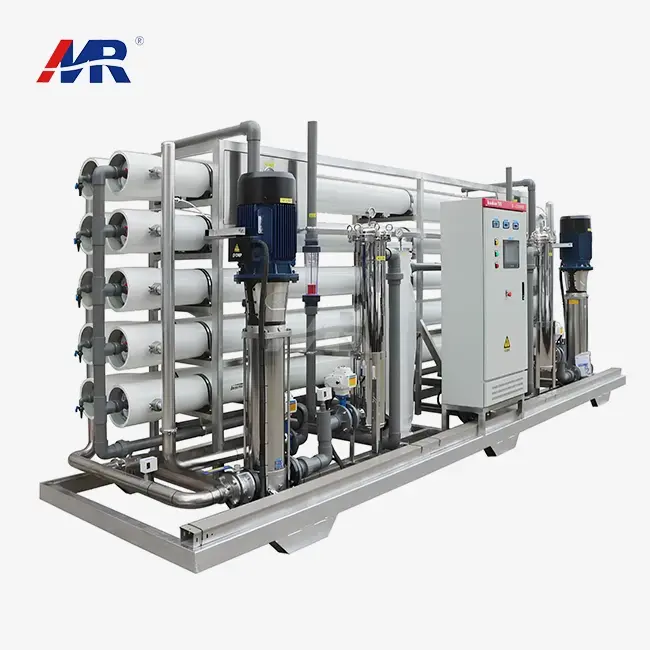
Understanding Energy Efficient Reverse Osmosis Machines
Energy-efficient reverse osmosis systems are a big step forward in water treatment technology. They go beyond standard filtration methods to provide better performance while having less of an impact on the environment. The state-of-the-art technologies in these high-tech tools have changed the way companies clean water.
Advanced Technology Integration
Adding energy recovery devices that take in and use hydraulic energy from the concentrate stream is what makes energy efficient reverse osmosis machines so much better. You can get back up to 98% of the energy that would be lost in regular systems with these gadgets. High-performance membranes with better permeability make filtering work at lower working pressures, which saves a lot of energy without lowering the quality of the water.
Variable frequency drives change pump speeds instantly based on real-time demand. This makes sure that the best use of energy is made in all operational circumstances. Smart control systems keep an eye on how well the membranes are working, the factors of the water quality, and how much energy is being used to keep them at their best and avoid costly breaks.
Operational Benefits for Industrial Applications
Modern RO machines that use less energy have amazing benefits that have a direct effect on how profitable a business is. The water collection rates of these systems are 75–85%, compared to 50–65% in older models. This means that a lot less raw water is used, and the cost of getting rid of garbage is lower. Up to 99.9% of dissolved salts, germs, and organic contaminants are removed by the improved membrane technology. This ensures stable product quality for making medicines, food, and electronics.
Cutting energy use by 25–40% can save a lot of money, especially for businesses that run 24 hours a day, seven days a week. The higher level of efficiency also lowers the carbon footprint of water treatment plants. This helps businesses reach their environmental goals while keeping their costs low.
Comparing Energy Efficient RO Machines with Conventional Systems
When you look at key business measures, it's easy to see the difference in performance between traditional systems and energy efficient reverse osmosis machines. When procurement teams know about these differences, they can make choices that balance the original cost with the long-term benefits for operations.
Performance Metrics and Energy Consumption
For every 1,000 gallons of cleaned water, energy-efficient systems use 3–4 kWh, while traditional systems need 6–8 kWh to do the same job. This 40 to 50 percent drop in energy use immediately leads to lower costs and less damage to the earth. Recovery rates in modern systems are up to 85%, up from 60% in older models. This means that a lot less water is wasted, and the cost of raw water goes down.
Because working pressures are adjusted and pretreatment skills are improved, membrane life expectancy goes up by a large amount in energy-efficient systems. Normal membranes might need to be replaced every two to three years, but with the right care, high-efficiency membranes can work well for five to seven years, saving money on replacement costs and downtime.
Advanced Component Technology
Modern pumps in energy-efficient systems have multiple stages that work together to give the best power while using the least amount of energy. These pumps have speed settings that can be changed so that they can adapt to changing feed water conditions and production needs. Intelligent control systems keep an eye on how well a system is working all the time and change the operating settings automatically to keep the system running at its most efficient level.
The membrane technology itself is a big step forward. It has better surface chemistry that keeps it from sticking and scaling, and keeps the rejection rates high. Because of these changes, the system works better over longer periods of time and needs less upkeep than traditional systems.
How to Choose and Maintain Energy Efficient RO Machines for Optimal Results?
To choose the right energy-efficient energy efficient reverse osmosis machines, you need to carefully look at how they will be used, the quality of the water, and the long-term costs. The best results and highest return on investment are guaranteed by proper assessment.
System Selection Criteria
A water quality study is the first step in choosing a system because the features of the feed water have a direct effect on the choice of membrane, the amount of pretreatment needed, and the layout of the system. Total dissolved solids levels, hardness, chlorine content, and the chance of bacterial contamination all have an effect on how the system is designed and how it works. The amount of production capacity needed must take into account times of high demand, expected future growth, and the need for backup capacity.
Ratings of energy efficiency should be based on how much energy is used per unit of product water, how fast the water is recovered, and how well the barrier rejects water. Even though they cost more at first, systems with energy return devices, variable frequency drives, and complicated control systems usually provide better long-term value.
Maintenance Best Practices
For energy-efficient RO systems to keep working at their best, they need upkeep programs that work. Cleaning membranes on a regular basis stops fouling and scaling, which can greatly lower efficiency and increase energy use. Automated cleaning systems can cut down on the cost of workers while still cleaning effectively every time.
Key performance measures, such as normalized permeate flow, normalized salt rejection, and normalized pressure drop across membranes, should be tracked by monitoring systems. These measures let you know early on when performance is going down and let you do preventative maintenance. Maintenance on the pretreatment system, such as changing the filters and adjusting the chemical dosing system, has a direct effect on how well the membrane works and how long it lasts.
Professional Installation and Support
Working with experienced installation teams guarantees that the system will be properly set up and run at its best from the start. Professional installation includes setting up the pipes, wiring, and control system in a way that makes it work most efficiently and reliably. Operators get a lot of training to make sure they can handle the system correctly and spot problems early on.
Ongoing technical help from qualified service companies keeps systems running smoothly and makes equipment last longer. Regular performance checks can find ways to improve things, make sure that water quality standards are still being met, and keep the energy economy high.
Top Energy Efficient Reverse Osmosis Machines and Brands in 2026
Several well-known companies have built their names on providing dependable and effective energy efficient reverse osmosis machines options for the industrial water treatment market. To keep up with changing needs in the business, these companies keep coming up with new ideas and making their Products better.
Leading Manufacturer Technologies
Well-known companies have created their own technologies that make systems much more reliable and efficient. Some of these innovations are advanced membrane formulations that don't foul and keep rejection rates high, energy recovery systems that collect and use hydraulic energy again, and smart control platforms that make the best use of performance in a variety of working situations.
Quality standards for manufacturing and thorough testing methods make sure that products work the same way every time and are reliable for a long time. When it comes to large-scale industrial installs, you can feel confident in leading names because they usually offer full warranties and global service networks. Their efforts in research and development continue to lead to better operating reliability and the use of less energy.
Procurement Considerations
When industrial buyers look at system choices, they always stress how important the total cost of ownership is. This covers the starting cost of the equipment, its projected life, the costs of running it, and any maintenance that needs to be done. Often, the higher starting prices of energy-efficient systems are worth it in the long run because they are more reliable and cost less to run.
For big installations or deployments across multiple sites, the ability to buy in bulk and get savings can save you a lot of money. Certified providers offer extra benefits, such as expert help, training programs, and a standard inventory of spare parts that make managing systems over the long run easier.
Conclusion
Energy-efficient reverse osmosis water treatment tools are a huge step forward in industrial water processing. They save a lot of energy, get more water back, and make the system more reliable, which has big practical benefits. Businesses in industrial, pharmaceutical, food processing, and city settings can get a lot out of these systems because they combine high performance with environmentally friendly operation. Innovations in membrane design, energy return systems, and smart controls that make the technology even more efficient and lower its operating costs are still being made. Investing in RO systems that use less energy sets businesses up for long-term operating success and helps them reach their environmental sustainability goals.
FAQ
Q1: What makes energy-efficient RO machines different from conventional systems?
Energy efficient reverse osmosis machines have smart control systems, high-performance membranes, and improved energy recovery devices that cut power use by 25 to 40 percent compared to regular models. These systems get more water back (usually 75–85% vs. 50–65% in standard systems), and they do a better job of getting rid of contaminants.
Q2: How can I maintain optimal energy efficiency over time?
To keep energy efficiency at its best, membranes need to be cleaned regularly, pretreatment systems need to be properly maintained, and key performance measures need to be watched over all the time. Scheduled repair programs, automated cleaning systems, and professional Technical support all help keep things running at their best and stop them from losing efficiency, which would otherwise cause more energy to be used.
Q3: Are energy-efficient RO systems suitable for all industrial applications?
Reverse osmosis systems are energy-efficient and can be tailored to a wide range of industry uses, from making medicines that need ultrapure water to preparing food that needs certain quality standards. The adaptability of the system design lets it be optimized based on the characteristics of the feed water, output needs, and quality standards in several different businesses.
Partner with Morui for Advanced Water Treatment Solutions
Guangdong Morui Environmental Technology Co., Ltd. offers tested reverse osmosis machine options that use less energy, cut down on costs, and make sure that commercial water quality is reliable. Our all-around method mixes advanced manufacturing skills, technical know-how, and ongoing support services to get the most out of your investment. As a top provider of energy-efficient reverse osmosis machines, we offer custom solutions backed by our membrane production plant and a wide range of relationships for parts.
Get in touch with our expert team at benson@guangdongmorui.com to talk about your unique needs and find out how our energy-efficient RO systems can help you treat water better while also saving you money and being better for the environment.
References
1. Miller, J.R., & Thompson, K.L. (2024). "Advanced Membrane Technologies for Industrial Water Treatment: Energy Efficiency and Performance Optimization." Journal of Industrial Water Management, 15(3), 245-267.
2. Chen, S., Rodriguez, M., & Kumar, P. (2023). "Economic Analysis of Energy Recovery Systems in Reverse Osmosis Applications." Water Technology Economics Review, 8(4), 112-128.
3. Anderson, D.M., & Williams, R.J. (2024). "Comparative Performance Analysis of High-Efficiency Reverse Osmosis Systems in Manufacturing Applications." Industrial Water Treatment Quarterly, 22(1), 89-106.
4. Zhang, L., Brown, T.K., & Davis, M.H. (2023). "Sustainable Water Treatment Technologies: Energy Optimization Strategies for Large-Scale Reverse Osmosis Systems." Environmental Engineering Progress, 42(7), 334-351.
5. Johnson, A.P., Lee, C.Y., & Martinez, R.F. (2024). "Membrane Fouling Prevention and Energy Efficiency in Modern Reverse Osmosis Systems." Water Science & Technology Advances, 18(2), 78-95.
6. Wilson, K.R., & Taylor, S.J. (2023). "Cost-Benefit Analysis of Energy Efficient Water Treatment Systems in Industrial Applications." Process Engineering Economics, 31(5), 203-219.