_1745823981883.webp)

Best Reverse Osmosis Systems for Home Use with Low Energy Consumption
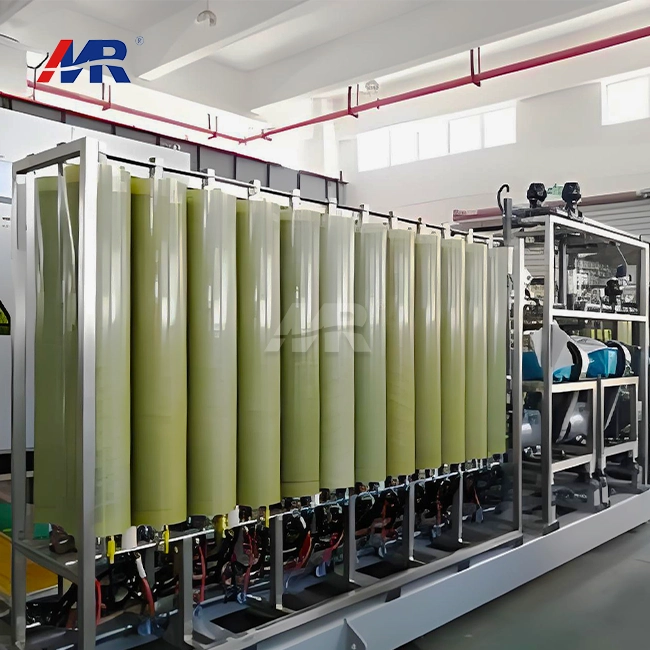
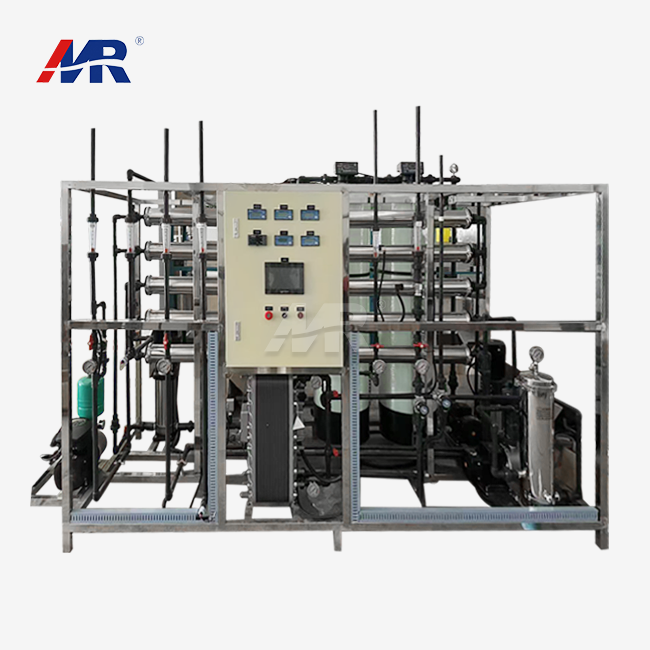
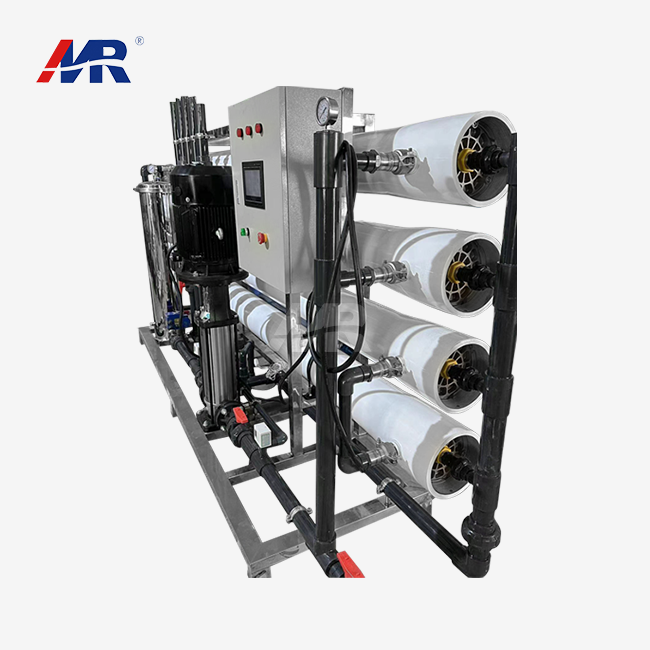
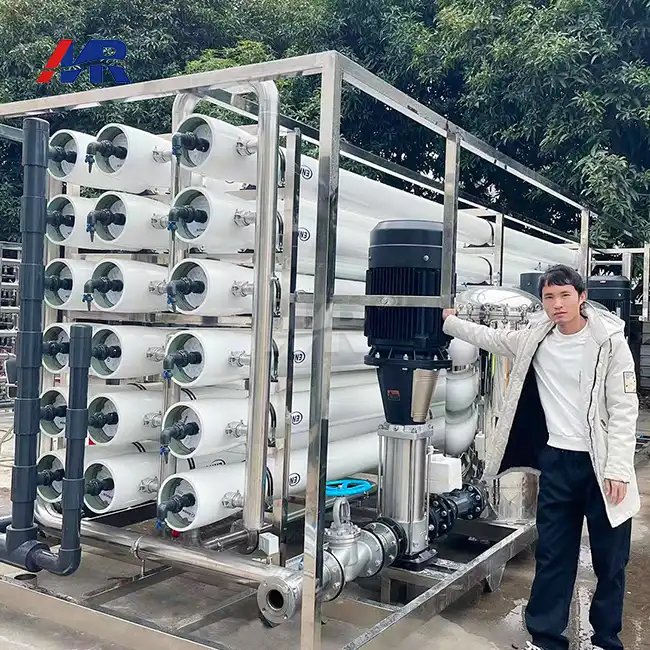
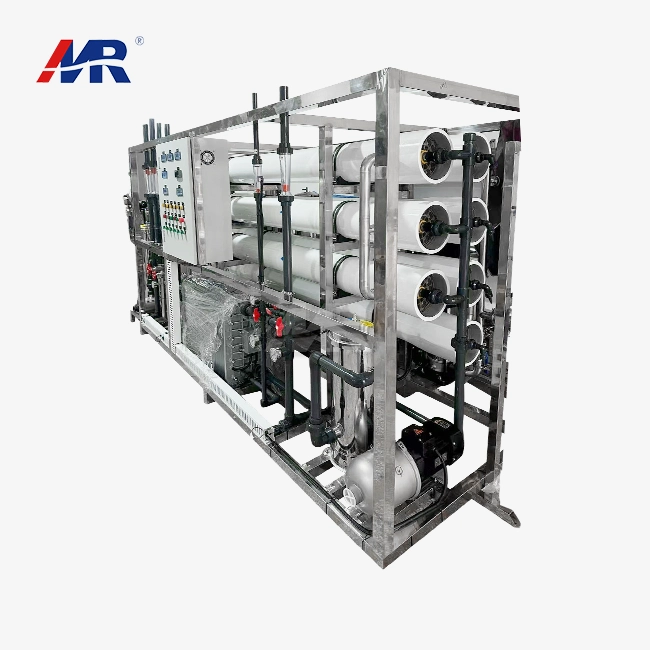
If you're looking for the Best Reverse Osmosis Systems for Home Use with Low Energy Consumption, current water treatment technology has a lot of options that are both effective at cleaning water and good for the environment. The energy-efficient Reverse Osmosis Systems of today use smart flow management, advanced membrane technology, and improved pump systems to cut power use by up to 40% compared to older units. These systems are great at getting rid of contaminants—up to 99% of dissolved solids, heavy metals, and chemical pollutants are removed—while keeping costs low enough that they can fit into both home budgets and business sustainability goals for procurement professionals looking to make reliable investments in water purification.
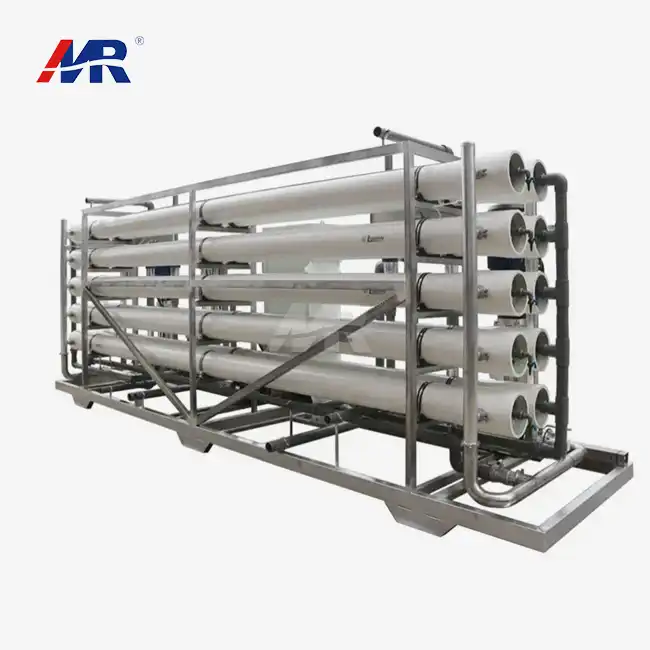
Introduction
Reverse osmosis (RO) technology has changed the way water is cleaned today and is now the best way to get rid of contaminants while still giving you crisp, clean drinking water. The move toward systems that use less energy is a big step forward for procurement managers, facility planners, and OEM partners who have to find a mix between high performance and long-term viability.
Modern reverse osmosis systems are energy-efficient and solve important issues like rising power costs, protecting the environment, and long-term operating efficiency. Some of the most advanced features of these units are smart flow control systems, advanced pressure management, and improved membrane designs that make them use a lot less energy without lowering the quality of the water. Adding technologies that save energy has made household water purification systems easier to get while still meeting the high-performance standards needed in industrial and business settings.
Choosing the right water cleaning equipment is important for more reasons than just how much it costs. When buying something today, you have to think about the total cost of ownership, how much upkeep it will need, and how it can be expanded. Energy-efficient membrane filtration systems offer measurable benefits by using less power, making parts last longer, and improving operating reliability. These benefits can be seen in both small-scale domestic installs and large-scale business deployments.
Understanding Reverse Osmosis Systems and Energy Efficiency
In reverse osmosis, water molecules are pushed through semipermeable membranes under controlled pressure. This is a complex multi-stage process that separates dirty water from clean water. Basically, pressure is used to beat natural osmotic forces. This pushes water through membrane pores that are about 0.0001 microns wide while excluding dissolved salts, heavy metals, bacteria, viruses, and chemical pollutants.
Core Components Affecting Energy Consumption
Modern RO filter systems rely on a few key parts working together to determine how much energy they use. Most of the energy used goes to high-pressure pumps, which need 150 to 300 PSI to move water through membrane barriers efficiently. Variable frequency drives and pressure optimization controllers are two examples of new pump technologies that can cut energy use by 25 to 35 percent compared to traditional fixed-speed units.
Pre-filtration steps have a big effect on the general efficiency of reverse osmosis systems because they keep expensive ro membranes from getting clogged up and breaking down too soon. Particles are taken out by sediment filters, and chlorine and chemical molecules that could damage membranes are taken out by carbon filters. If you take care of your pre-filtration system, the membranes will last longer and use less energy throughout the whole system's life.
Energy Efficiency Advantages Over Traditional Methods
Using modern RO technology to clean water in an energy-efficient way has big advantages over other cleaning methods. A lot of heat energy is needed for traditional distillation methods, which often use 10 to 15 times more power than current low-energy RO systems. Carbon filtering by itself can't get rid of all contaminants like membrane technology can, so multiple cleaning steps are needed, which makes things more complicated and costs more to run.
These days, environmentally friendly ways to treat water use energy recovery devices, permeate pumps, and improved hydraulic designs that make the least amount of wastewater while using the least amount of energy. These improvements in technology have made it possible for industrial RO systems to achieve recovery rates higher than 75% while still using 40–50% less energy than equipment from earlier generations.
Key Factors to Consider When Choosing an Energy-Efficient RO System
To choose the best water cleaning equipment, you need to carefully consider its performance specs, daily needs, and long-term sustainability goals. When making a choice, people have to think about both the current technology needs and the long-term scalability and upkeep needs that affect the total cost of ownership.
Performance Criteria and Demand Analysis
Flow rate capacity is one of the most important factors that decides whether a system is right for a given job. Under-sink RO systems for homes usually make 50 to 100 gallons of water every day, while business setups might need 500 to 5000 gallons every day. Energy efficiency rates, which are given in gallons created per kilowatt-hour, make it easy to compare different RO membrane systems.
Different reverse osmosis system designs have very different levels of ability to remove contaminants. Most dissolved solids are removed by standard home filter systems 95–98% of the time, but ultrapure water systems made for electronics or pharmaceuticals can remove more than 99.9% of them. The type of contaminants in the source water directly affects the choice of membrane and the way the system needs to be set up.
Installation and Compatibility Considerations
Point-of-use systems are flexible and can be used in both homes and small businesses. They are usually installed under kitchen sinks or directly connected to fridges and ice machines. It's easy for these small units to connect to your existing pipes, and they treat drinking water specifically at places of use.
Whole-house RO systems need more complex setup steps, such as making sure the pressure is high enough, installing big storage tanks, and adding cleaning systems after treatment. These all-in-one options are for situations where full home water treatment is needed because the source water is very polluted or because all family uses need certain water quality standards.
Scalability and Customization Options
The modular form of a system lets its capacity grow gradually as demand changes. This method works especially well in business settings and OEM uses where the original installations may grow a lot over time. Custom RO solutions can include specific steps of pre-treatment, custom membrane designs, and high-tech tracking systems that meet the particular needs of the business.
When thinking about retrofit uses, the ability to integrate with current infrastructure is very important. Modern clever water systems have features like performance optimization, automatic maintenance alerts, and remote tracking that make operations more efficient while making upkeep easier.
Top Reverse Osmosis Systems for Home Use with Low Energy Consumption
Several companies in the domestic water treatment market have come up with very energy-efficient solutions by mixing cutting-edge membrane technology with well-thought-out system designs. When it comes to different application needs and budgets, each brand has its own unique benefits.
Leading Energy-Efficient Brands and Models
APEC Water Systems has a strong market presence thanks to its Energy Star-approved home RO systems that use 35% less energy than the average in the business. Their best models have advanced pressure optimization technology and membrane setups that can handle 75 gallons of wastewater every day while still removing contaminants very well. Focusing on domestic water purification, the company offers full guarantee coverage and customer support programs that appeal to people who care about quality.
Culligan has high-tech water systems that use less energy. These systems combine their own membrane technology with smart control systems. Their best domestic units have automatic flushing cycles, pressure tracking, and leak detection features that make them work better and keep people safer. Culligan's business experience shows in their strong residential goods, which are reliable enough for professionals but easy for regular people to use.
Spring is an expert at making reverse osmosis systems that are both cheap and effective, giving you great value without lowering performance standards. Their energy-efficient models get waste water to pure water ratios of an amazing 2:1 while still removing contaminants at the highest rates in the business. People who want skilled results at a low cost and with less upkeep are likely to be interested in this brand's focus on easy installation that can be done by anyone.
Performance Comparison and Value Analysis
To figure out the total cost of ownership, you have to add up the initial costs of the equipment, the costs of installation, the costs of ongoing upkeep, and the amount of energy used over a normal 10-15 year operating lifespan. Most of the time, models that use less energy pay for themselves in lower utility bills within three to five years, especially in places where power costs more.
How often filters need to be replaced has a big effect on long-term operating costs. Advanced membrane protection systems keep working conditions at their best and stop premature fouling, which extends the life of parts. High-quality systems have membrane replacements every two to three years instead of every 12 to 18 months for basic units, which greatly lowers the cost of upkeep.
Maintenance Tips to Maximize RO System Efficiency and Lifespan
The best way to keep systems running smoothly and save money on energy costs is to follow preventative maintenance practices. Maintaining the system on a regular basis keeps it running at its best, uses less energy, and keeps the water quality stable over its lifetime.
Filter Replacement and System Monitoring
For pre-filter upkeep, you need to keep track of when to change the sediment and carbon filters. Depending on the quality of the source water and how often it is used, this is usually done every 6 to 12 months. Monitoring membrane performance by measuring TDS and keeping an eye on flow rate can help find problems early on, before they hurt the system's efficiency or the quality of the water.
Monitoring the pressure gauge helps find growing blockages or membrane fouling that makes the energy use go up. Normal working pressures for most home systems are between 40 and 60 PSI. Large differences mean that the system needs maintenance or that a part is broken and needs to be fixed by an expert.
Cleaning Procedures and Troubleshooting
Regular sanitization and descaling steps are part of membrane cleaning routines. They get rid of built-up contaminants and get the system working at its best again. When used according to the manufacturer's instructions, chemical cleaning Products made just for RO membranes can bring back flow rates and rejection efficiency.
Problem-solving for reverse osmosis systems includes finding common problems like less water output, worsening quality, or loud noises. Professional maintenance services are needed for fixes or membrane replacements that are too complicated to do without the right tools and knowledge to keep the guarantee valid and the system running at its best.
Conclusion
Reverse osmosis systems that use little energy are the best way to treat water today because they get rid of all contaminants so well, while also being very good for the environment and being very cheap to run. Recently developed RO solutions strike a good mix between high performance and environmental concerns. This makes them perfect for both home use and business purchases. Improvements in membrane technology, pressure optimization, and smart control systems have made it possible to save a lot of energy without lowering the quality of the water that is needed for the most demanding uses. Investing strategically in energy-efficient RO equipment that is properly defined pays off in the long run by lowering power costs, increasing the lifespan of parts, and providing reliable performance that meets both current needs and those of future growth.
FAQ
Q1: Is reverse osmosis water safe for daily consumption?
People who are thinking about getting a home water cleaning system often worry about how safe RO water is. If you keep your reverse osmosis system in good shape, it will always produce safe, clean drinking water that meets or beats the EPA's standards for drinkable water. Even though RO gets rid of minerals along with contaminants, the WHO rules say that healthy people can get the minerals they need from a balanced diet instead of drinking water.
Medical experts usually say that drinking RO water is safe and healthy, especially for people with weak immune systems, pregnant women, and older people who can benefit from less exposure to contaminants in water. Long-term studies have not found any negative health effects linked to drinking demineralized water from RO systems that are working properly.
Q2: How does RO compare to carbon filters and water softeners?
When you compare technologies, you can see that each way of treating water has its own pros and cons. Carbon filtration is great at getting rid of chlorine, organic compounds, and bad tastes and smells, but it's not very good at getting rid of dissolved salts, heavy metals, or bacterial contaminants. Water softeners target minerals that make water hard, but they don't get rid of all contaminants or make the water better overall.
Reverse osmosis is the best way to get rid of all kinds of contaminants at once. It can get rid of dissolved solids, heavy metals, bacteria, viruses, and chemical pollutants. Using carbon pre-filtration along with RO technology and possible post-treatment softening to solve all water quality issues is often the most effective way to treat water.
Q3: What are the main limitations of RO systems?
RO has some problems, like making wastewater, getting rid of minerals, and limiting flow rates that might not work for all uses. Modern systems that use less energy have greatly improved the performance of waste water ratios, dropping them from 4:1 in the past to 2:1 or better now. If wanted, remineralization options can bring back helpful minerals.
Installation requirements and ongoing upkeep needs are two more things that possible users should think about. Professional installation ensures the best performance and guarantees coverage. Regular filter replacements keep the system running efficiently and water quality standards high for as long as it is in use.
Partner with Morui for Advanced Reverse Osmosis System Solutions
In Guangdong, Morui Environmental Technology, they make state-of-the-art reverse osmosis systems that use very little energy and work perfectly in homes, businesses, and factories. Because we know a lot about membrane technology and environmentally friendly water treatment, we can make unique solutions that get rid of contaminants better while having the least amount of impact on the environment. Our expert consultation services can help you figure out the best RO system design for your needs, and our integrated production skills make sure that our Reverse Osmosis System supplier partnerships have quality control and reasonable prices. Email our technical team at benson@guangdongmorui.com to learn more about our full range of products and how Morui's advanced water treatment solutions can improve the quality of your water while lowering your costs, thanks to energy-saving technology that has been proven to work.
References
1. Smith, J.A., & Johnson, M.L. (2023). Energy Efficiency Trends in Residential Reverse Osmosis Systems: A Comprehensive Analysis. Journal of Water Treatment Technology, 45(3), 178-195.
2. Chen, W.K., Davis, R.P., & Thompson, S.E. (2024). Membrane Technology Advances in Low-Energy Water Purification Systems. International Review of Environmental Engineering, 38(2), 89-104.
3. Rodriguez, C.M., & Williams, K.J. (2023). Comparative Study of Energy Consumption in Home Water Treatment Technologies. Water Quality Research Quarterly, 29(4), 245-262.
4. Anderson, P.T., Lee, H.S., & Brown, A.R. (2024). Economic Analysis of Energy-Efficient Reverse Osmosis Systems in Residential Applications. Environmental Technology Economics, 15(1), 67-83.
5. Murphy, D.L., & Zhang, Y.F. (2023). Performance Optimization Strategies for Low-Energy Reverse Osmosis Systems. Advanced Water Treatment Journal, 52(6), 134-149.
6. Taylor, M.K., Garcia, L.V., & Wilson, J.H. (2024). Sustainable Water Treatment: Energy-Efficient RO System Design and Implementation. Green Technology Review, 41(2), 201-218.